Build this if
Two or more labels will maintain evidence-backed listings and shoppers say impact details affect product selection.
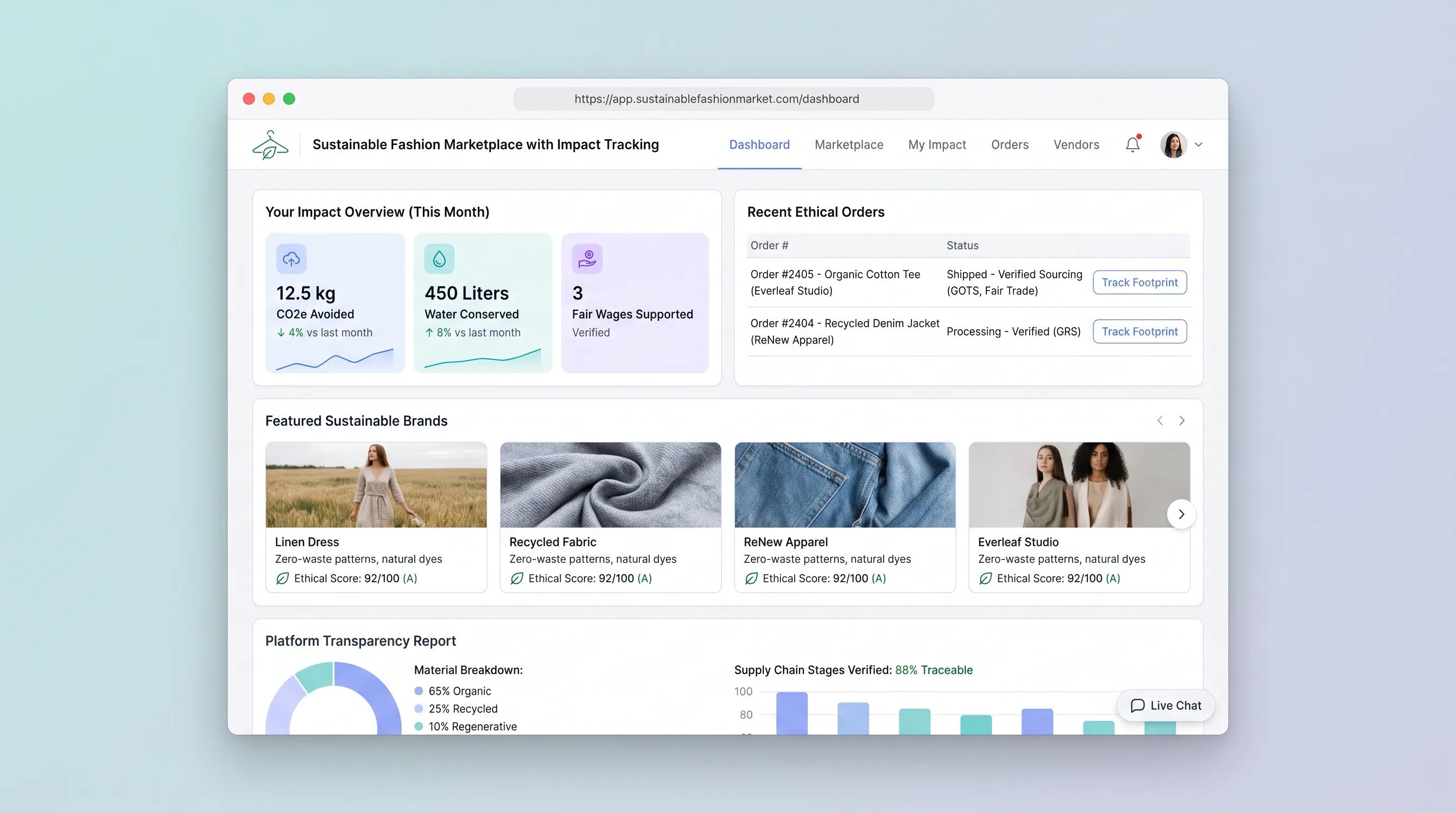
A curated storefront where independent fashion brands publish product evidence and shoppers compare item-level impact details before purchasing.
Decision snapshot
Two or more labels will maintain evidence-backed listings and shoppers say impact details affect product selection.
The launch depends on certifying environmental claims or calculating audited lifecycle emissions from incomplete supplier data.
Onboard five brands, publish 30 evidence-tagged products, and observe whether ten target shoppers use impact details while shortlisting an item.
Problem and target customer
Eco-conscious shoppers must reconcile vague claims across brand sites, while small labels lack a consistent way to present materials, sourcing evidence, and estimated footprint beside a product.
Independent sustainable fashion labels selling to shoppers who want comparable sourcing and impact information before checkout.
Marketplace commission on completed orders, with an optional monthly seller plan after transaction demand is proven.
Editorial note
The product decision is to compete on explainability, not on a magical sustainability score. A narrow method with visible unknowns gives brands a usable submission path and lets shoppers judge the evidence themselves.
The riskiest assumption is seller participation: without maintained product facts, the marketplace becomes another claims directory. Validate dossier completion and shopper use of the impact panel before expanding fulfillment or certification features.
Choose your next step
Evaluate the operating tradeoffs quickly, or inspect how to build the MVP.
Compare the three operating paths at the default workload before opening the full calculator.
See cost preview Build this ideaInspect the build blueprintReview MVP scope, workflow, states, data rules, architecture, and acceptance criteria.
Open blueprintEvaluation preview
Directional infrastructure estimates for the current 150 orders assumption. Open the full calculator when you are ready to change it.
App, database, backups, and logs for the catalog, seller portal, and moderation queue with minimal platform operations.
Lowest operating effortA small cloud server runs the catalog, seller portal, and moderation queue, PostgreSQL, and scheduled backups.
Lowest baseline costSeparate web, data, and background capacity for the catalog, seller portal, and moderation queue when operational isolation matters.
Most separation and controlBuild blueprint
Product goal
MVP scope
UX and user flow
Capture product facts, variants, images, and source links.
Show missing fields, disputed claims, methodology inputs, and review status.
Let shoppers compare items and understand each displayed estimate.
Core entity outline
Owns seller, descriptive fields, moderation state, and published version.
Stores one material, sourcing, or footprint statement with its basis.
Preserves the purchased variant, seller, price, and displayed impact snapshot.
Architecture and data flow
Serve public discovery, seller forms, moderation, and order views.
Validate declared inputs and compute versioned estimates without inventing missing values.
Create checkout sessions and apply verified payment events to seller order lines.
Deliverables and acceptance
Recommended stack
Supports searchable catalog pages, seller forms, and authenticated operations in one codebase.
Keeps sellers, products, variants, evidence, and order lines relational with role checks.
Provides hosted card collection without placing card data in the marketplace application.
Stores product imagery and privately submitted evidence separately from database records.
The first release needs strong relational provenance and moderation more than a complex carbon engine. Impact values remain explainable records tied to evidence and a versioned method.
Copy the build prompt, model the operating cost, and choose where to deploy.
Execution
Once the blueprint is clear, use the prompt, cost model, and deployment options to start building.
Build prompt
Use a TypeScript web app with a relational database; prototype the catalog and evidence review in Lovable, then harden authorization and checkout before beta.
Build prompt
Open the prompt pack whenever you are ready to take this blueprint into your builder.
Build prompt ready
Copy the prompt into your builder, then use the cost model below to choose how you want to run it.
Use the cost model to choose a deployment path that matches the build plan.
Cost calculator
A technical run-cost estimate for the first production version. Team, acquisition, payment fees, and business COGS are excluded.
$54-$140 per 100 orders
Low and high values allow for usage variance and plan headroom.
App, database, backups, and logs for the catalog, seller portal, and moderation queue with minimal platform operations.
50K orders included, then $8-$20 per 50K ordersModels the fixed per-transaction portion of online card processing; percentage fees still depend on order value and country.
0 included, then $30-$60 per 100 ordersStores the workflow's uploaded images or documents with private access controls and lifecycle rules.
Monthly allowance from this idea's operating profileThe estimate combines the selected infrastructure path, required operating modules, selected optional modules, and usage above included monthly allowances. Taxes and regional uplifts are excluded.
Deployment options
Choose based on operating preference, not only the headline price.
Deploy the catalog, moderation queue, and order service with managed services, environment variables, logs, and a short path from prototype to beta.
Usage-based compute needs budget alerts as activity grows.
Run the app, worker, and database on one small Vultr VPS with Docker Compose and explicit backups.
The operator owns database maintenance and incident response.
Separate application, worker, data, storage, and backup responsibilities as the workload grows.
More moving parts increase setup and observability work.
Start building
Create the seller submission, moderation, comparison, and checkout screens around transparent product evidence.
Open Lovable 02AutomationNotify sellers after moderationUse Make only to relay approval or revision notices after the marketplace records an operator decision.
Open Make 03DeployDeploy the moderated catalogRun the web app, database, and background notification job with persistent storage and budget alerts.
Open RailwayKeep exploring
EcommerceBeauty & Fashion
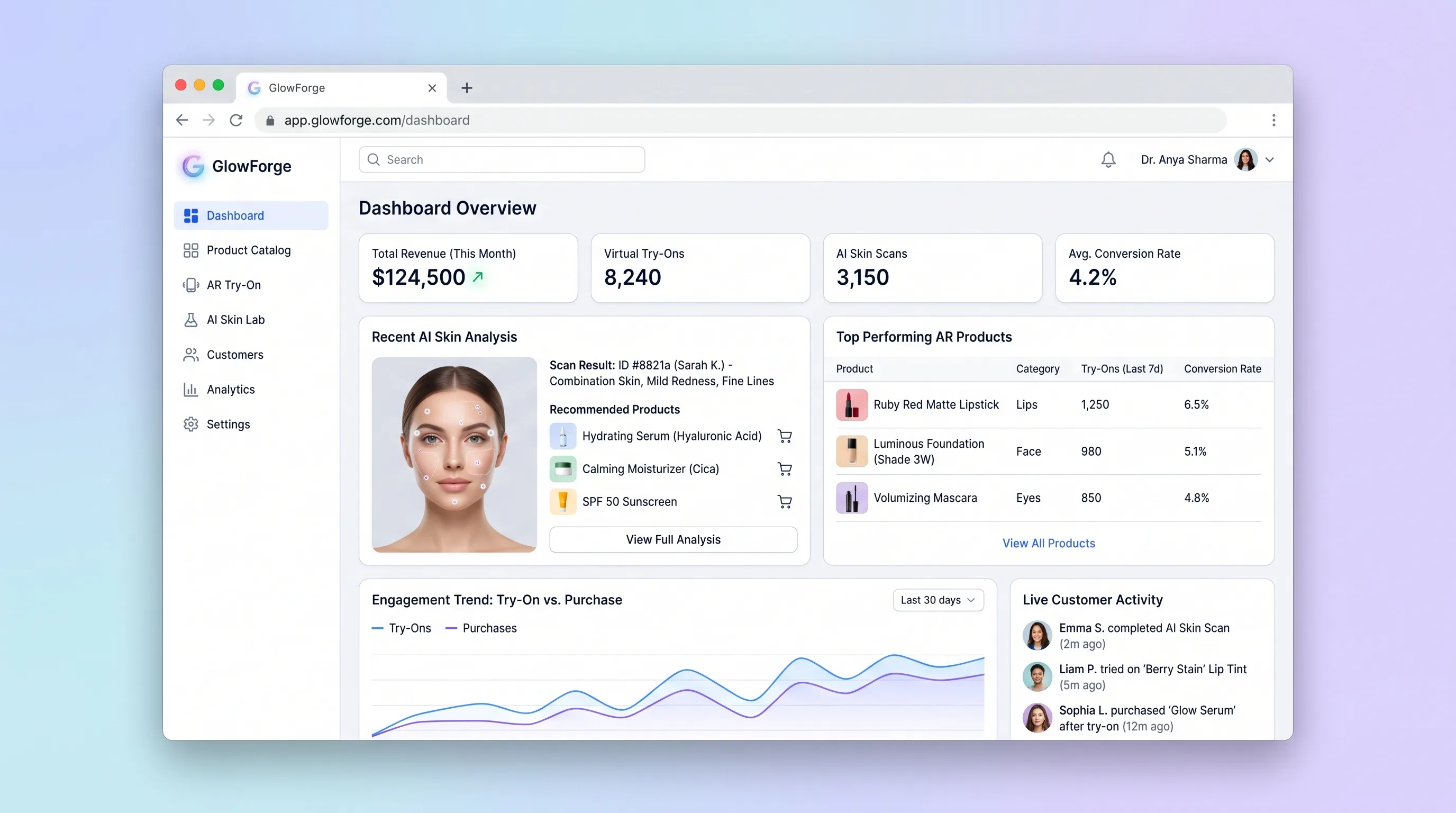
A direct beauty storefront that previews selected shades on-camera and turns an optional cosmetic skin scan into reviewable product suggestions.
EcommerceBeauty & Fashion
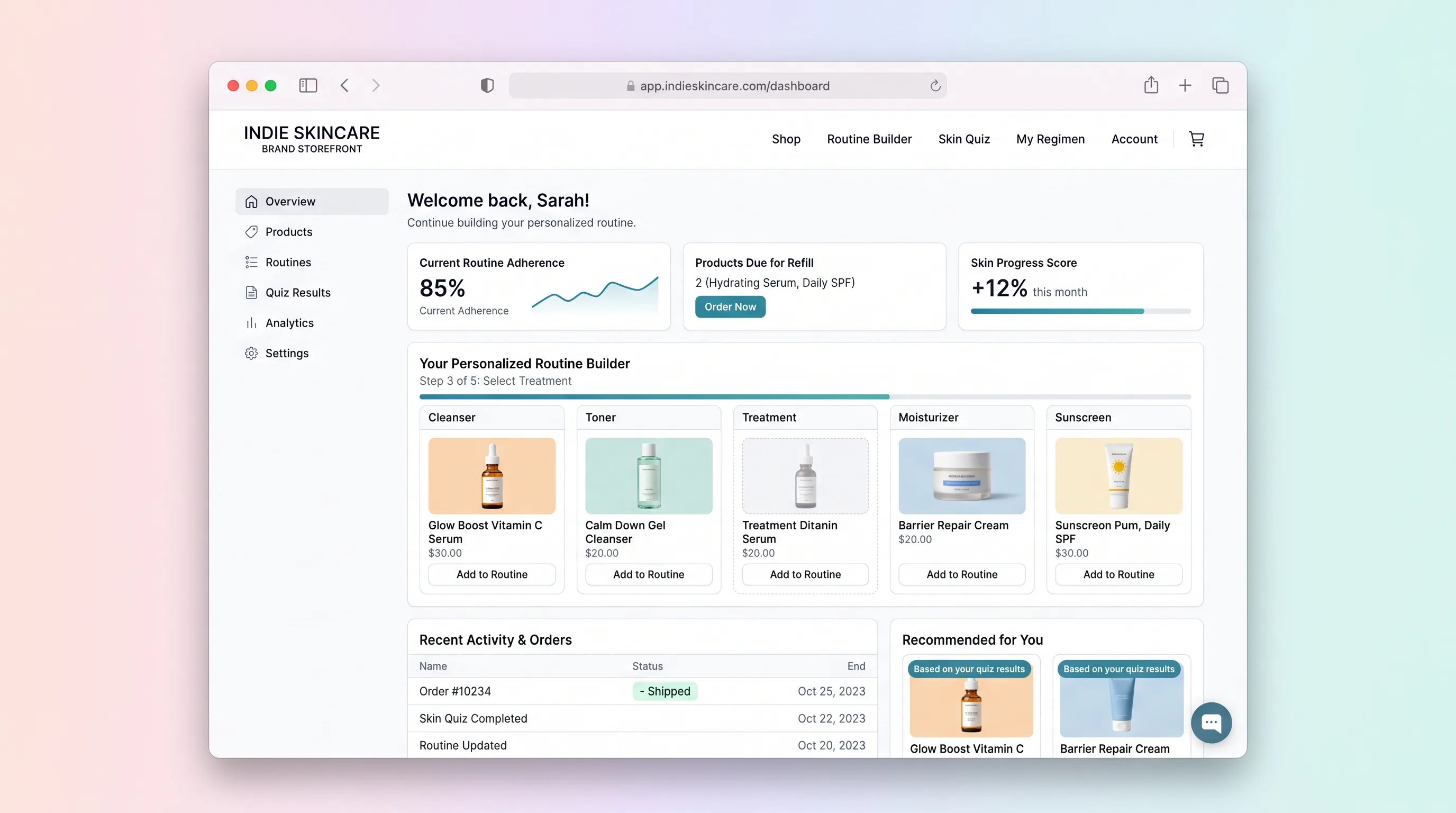
A quiz-led skincare shop that assembles an explainable morning and evening routine from the live catalog, then lets the shopper edit the kit before checkout.
MarketplaceProfessional Services
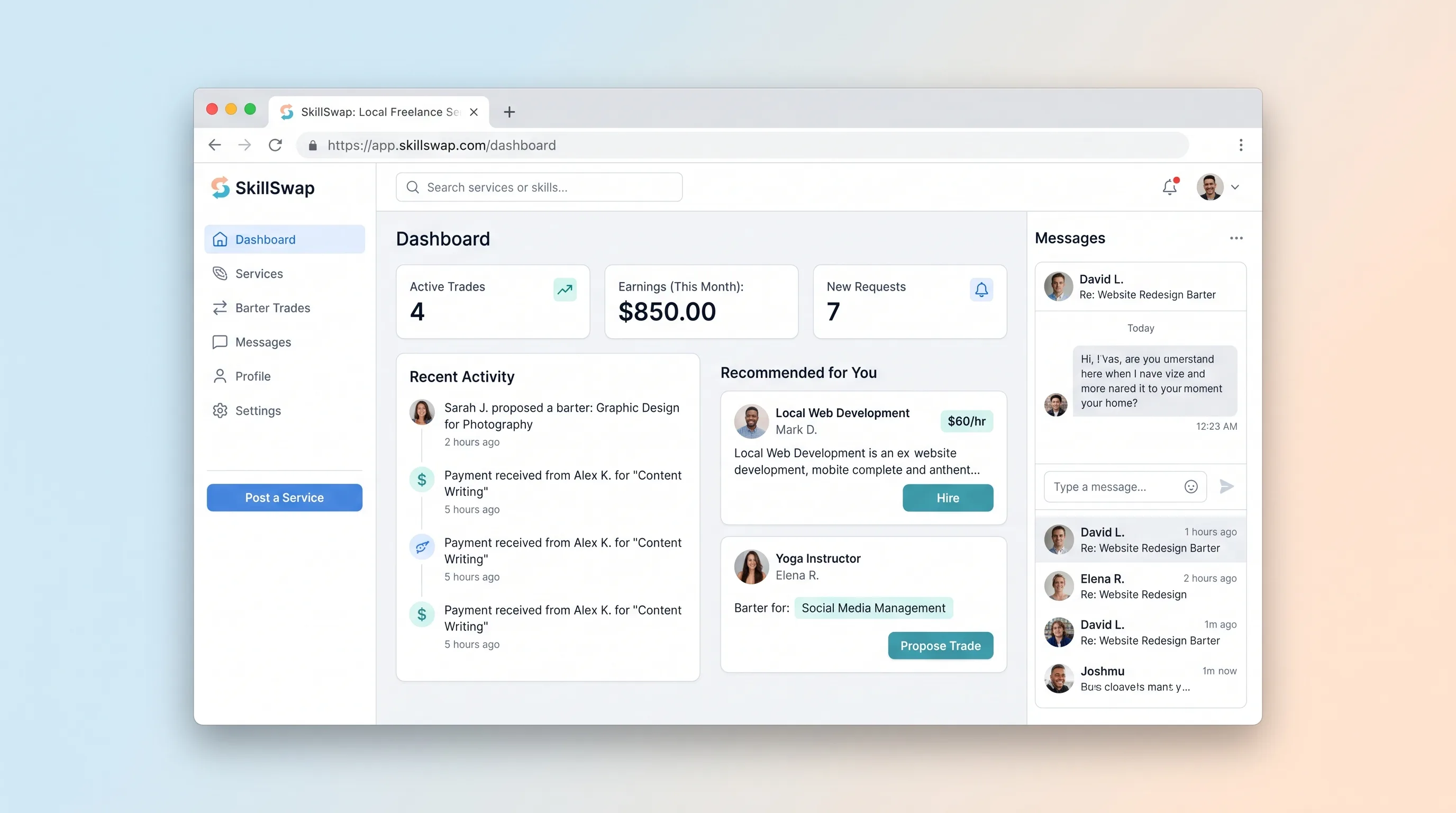
A local services marketplace where people answer a listing with either a cash offer or a two-sided skill trade, then agree deliverables and milestones.
EcommerceBeauty & Fashion
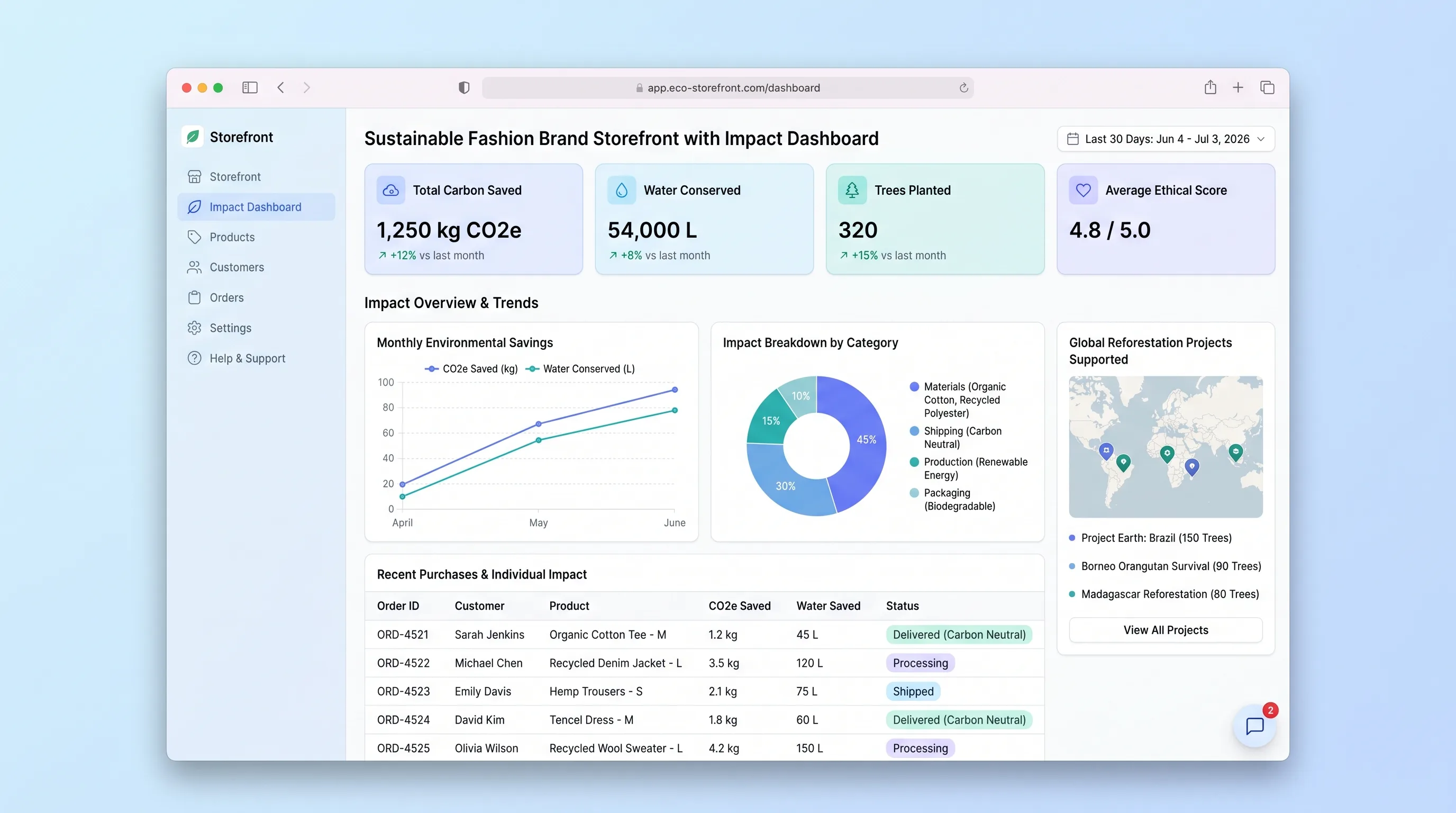
A conscious fashion storefront where shoppers browse curated eco collections, complete checkout, and then see their personal environmental impact dashboard accumulate CO2 saved, water conserved, and waste diverted across every order.
MarketplaceRetail
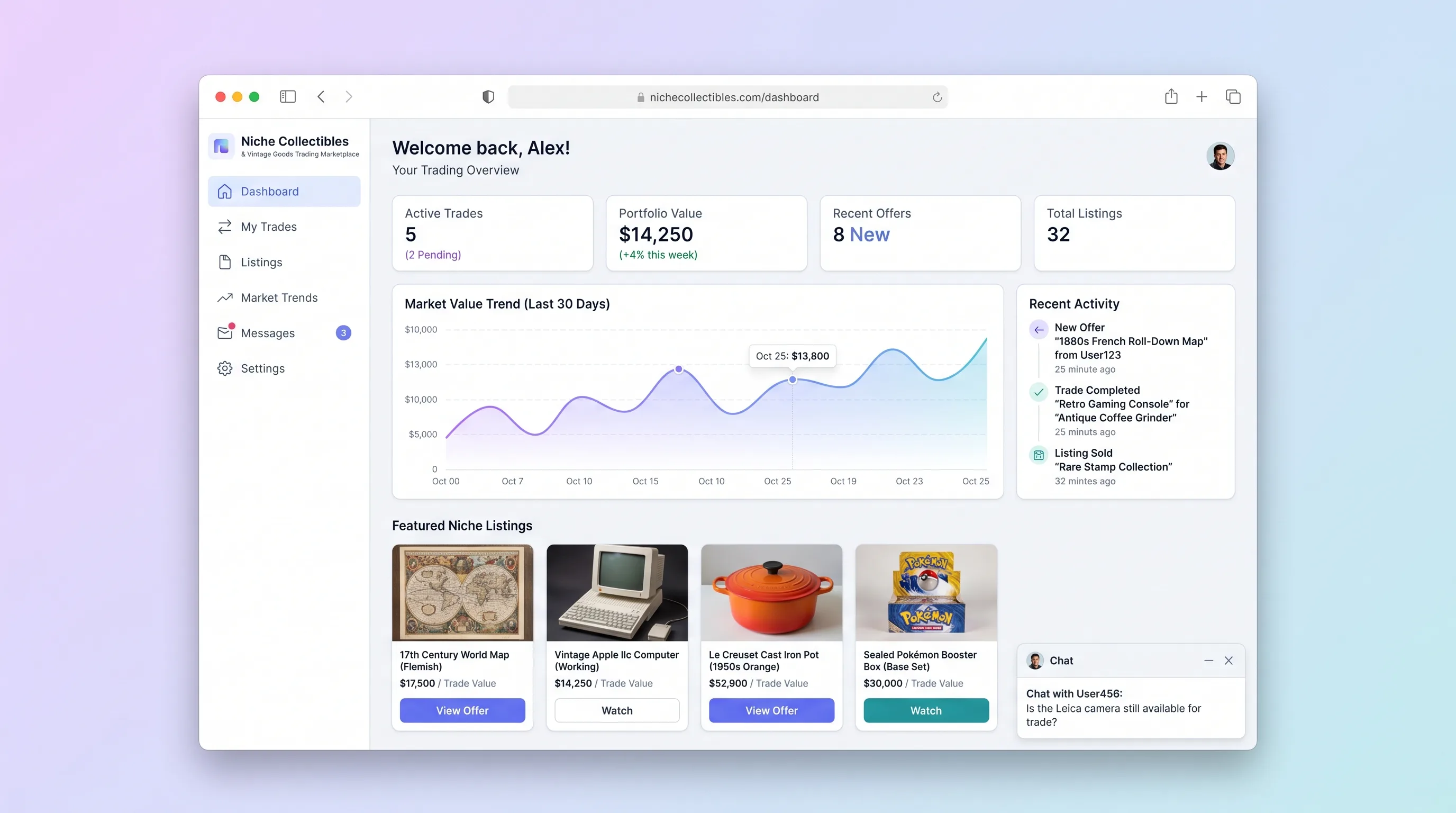
A focused buy-sell-trade platform for collectors of vintage maps, retro electronics, antique kitchenware, and rare hobby items, with condition grading, saved search alerts, and offer management.
MarketplaceEducation
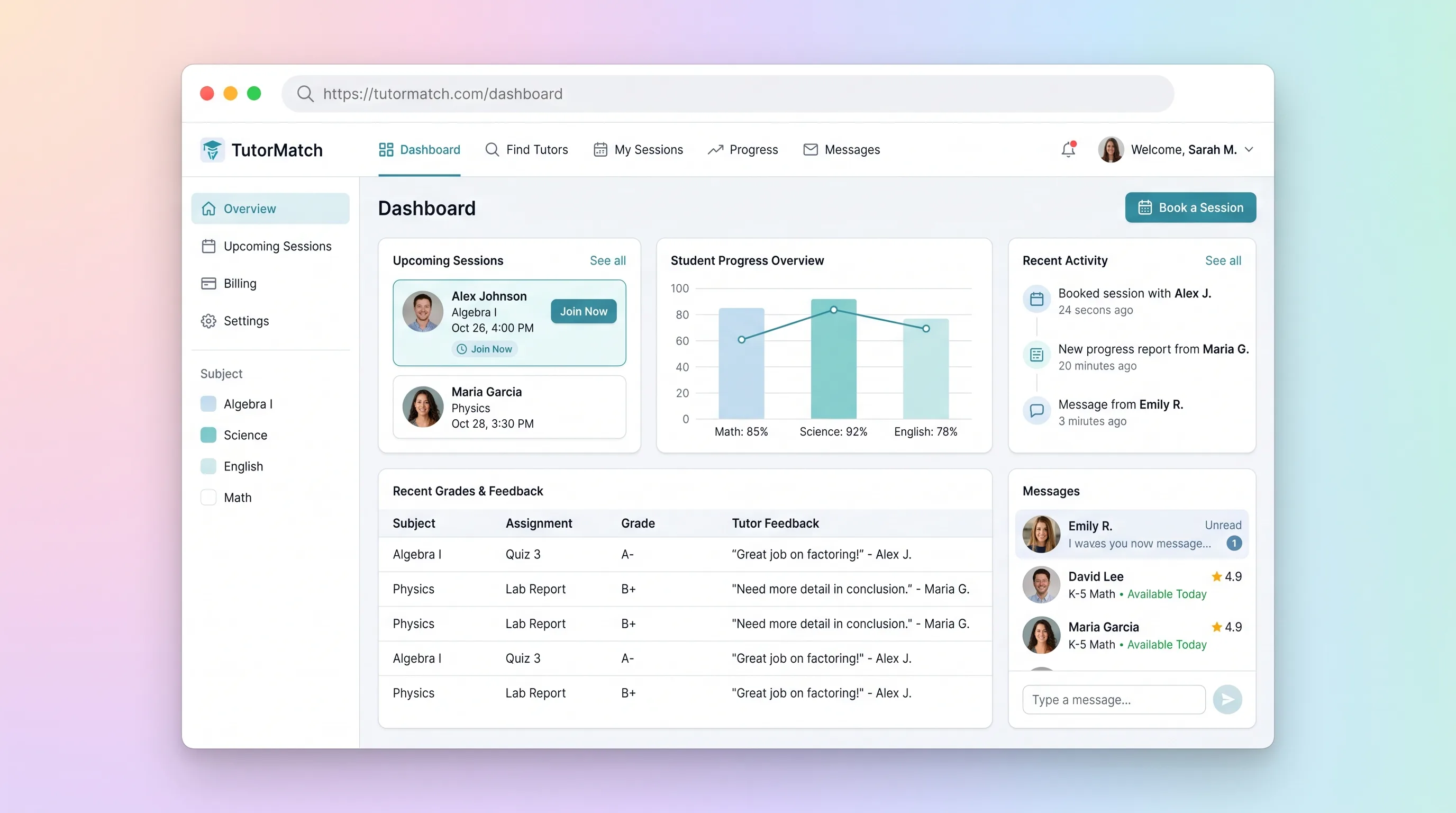
A tutor marketplace where parents compare vetted subject specialists, book and pay for sessions, then review tutor-authored progress notes.