Build this if
A focused subject or local segment can supply vetted tutors and parents will book through a trusted scheduling and progress loop.
A tutor marketplace where parents compare vetted subject specialists, book and pay for sessions, then review tutor-authored progress notes.
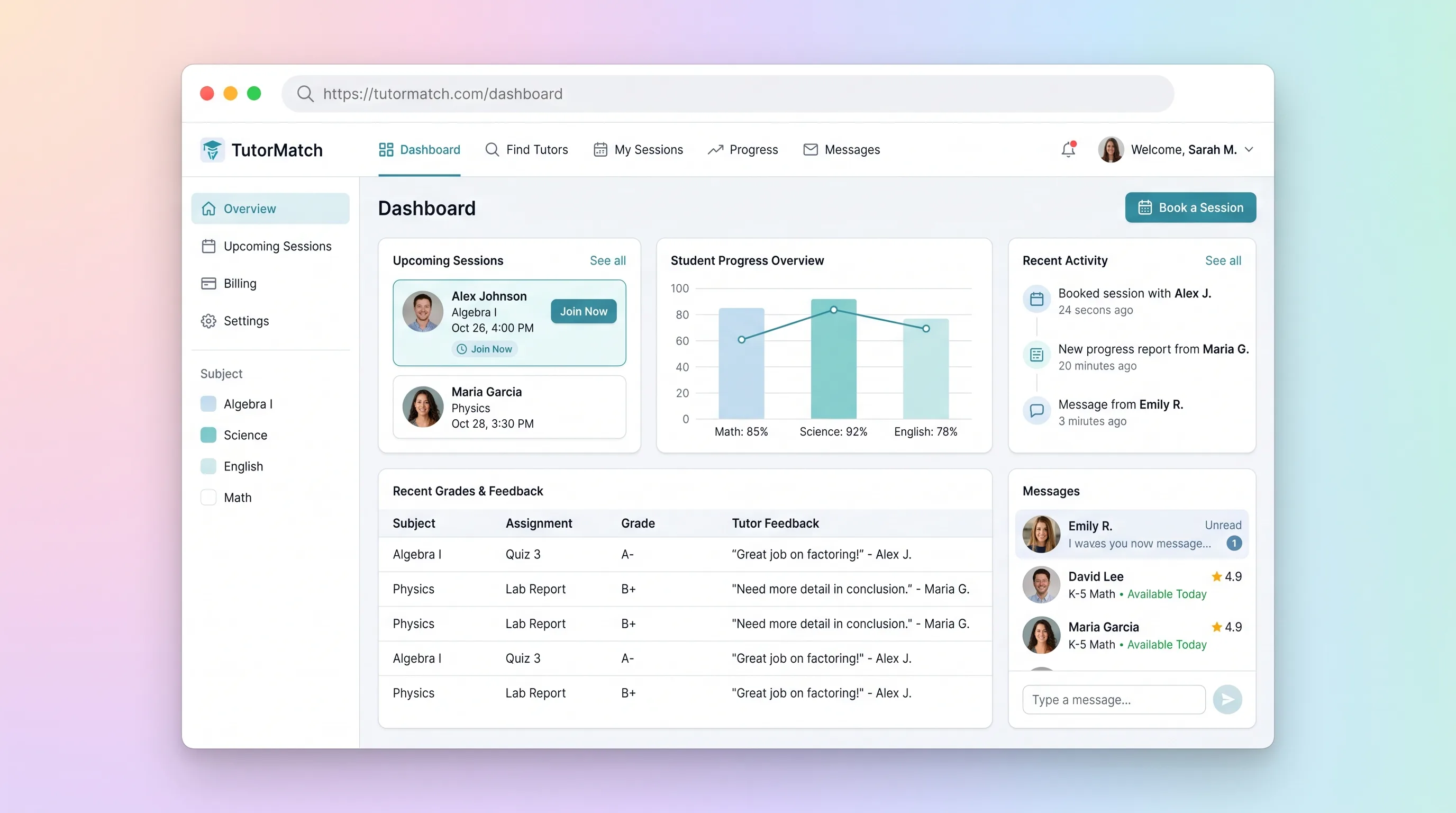
Decision snapshot
A focused subject or local segment can supply vetted tutors and parents will book through a trusted scheduling and progress loop.
The launch requires nationwide tutor supply, guaranteed academic outcomes, or automated child-safety screening.
Vet ten tutors in one subject cluster, invite 25 parents, and complete 20 paid sessions with progress notes and fewer than two manual scheduling interventions.
Problem and target customer
Parents coordinate discovery, availability, payment, and learning updates across directories and messages, while tutors repeat scheduling work and progress reporting for every family.
Parents seeking recurring K-12 subject support and independent tutors willing to pass a platform-defined vetting review.
Commission on completed tutoring sessions, with optional tutor subscriptions only after booking liquidity is established.
Editorial note
The marketplace earns trust through a narrow transaction: a reviewed tutor, an available slot, a confirmed payment, and a useful post-session note. Broad matching algorithms cannot compensate for weak supply quality or booking conflicts.
Start in one subject and grade cluster so tutor liquidity can be measured. The progress timeline should reflect tutor observations and parent goals, not promise a guaranteed grade improvement.
Choose your next step
Evaluate the operating tradeoffs quickly, or inspect how to build the MVP.
Compare the three operating paths at the default workload before opening the full calculator.
See cost preview Build this ideaInspect the build blueprintReview MVP scope, workflow, states, data rules, architecture, and acceptance criteria.
Open blueprintEvaluation preview
Directional infrastructure estimates for the current 250 booked sessions assumption. Open the full calculator when you are ready to change it.
App, database, backups, and logs for tutor discovery, slot reservation, and progress notes with minimal platform operations.
Lowest operating effortA small cloud server runs tutor discovery, slot reservation, and progress notes, PostgreSQL, and scheduled backups.
Lowest baseline costSeparate web, data, and background capacity for tutor discovery, slot reservation, and progress notes when operational isolation matters.
Most separation and controlBuild blueprint
Product goal
MVP scope
UX and user flow
Compare tutors by teaching fit, price, availability, and reviewed status.
Confirm student, goal, session details, policies, and payment.
Show upcoming lessons and tutor-authored updates for one student.
Core entity outline
Publishes teaching scope, rate, bio, and operator-reviewed status.
Connects one tutor slot, student, parent, learning goal, and payment status.
Stores the tutor's private summary after a completed session.
Architecture and data flow
Serve searchable profiles and parent-managed student context.
Lock slots, expire holds, and enforce cancellation transitions.
Verify signed provider events and confirm or release reservations idempotently.
Deliverables and acceptance
Recommended stack
A focused marketplace for matching people, scheduling a session, completing the interaction, and learning from repeat demand.
Combines public tutor discovery with parent and tutor workspaces.
Models tutors, students, availability, bookings, payments, and private notes.
Collects session payment while keeping card data outside the app.
Delivers booking, cancellation, and completion notices from recorded events.
Booking integrity and privacy matter more than recommendation sophistication. A relational service can lock slots, scope student data, and reconcile payment events without a separate scheduling platform.
Copy the build prompt, model the operating cost, and choose where to deploy.
Execution
Once the blueprint is clear, use the prompt, cost model, and deployment options to start building.
Build prompt
Use a TypeScript relational application and hosted checkout; prototype discovery in Lovable, then implement slot locking and authorization on the server.
Build prompt
Open the prompt pack whenever you are ready to take this blueprint into your builder.
Build prompt ready
Copy the prompt into your builder, then use the cost model below to choose how you want to run it.
Use the cost model to choose a deployment path that matches the build plan.
Cost calculator
A technical run-cost estimate for the first production version. Team, acquisition, payment fees, and business COGS are excluded.
$44-$98 per 100 booked sessions
Low and high values allow for usage variance and plan headroom.
App, database, backups, and logs for tutor discovery, slot reservation, and progress notes with minimal platform operations.
50K booked sessions included, then $8-$20 per 50K booked sessionsSends time-sensitive confirmations or reminders caused by the primary workflow.
3K booked sessions includedModels the fixed per-transaction portion of online card processing; percentage fees still depend on order value and country.
0 included, then $30-$60 per 100 booked sessionsThe estimate combines the selected infrastructure path, required operating modules, selected optional modules, and usage above included monthly allowances. Taxes and regional uplifts are excluded.
Deployment options
Choose based on operating preference, not only the headline price.
Deploy the tutor catalog, booking service, and parent dashboard with managed services, environment variables, logs, and a short path from prototype to beta.
Usage-based compute needs budget alerts as activity grows.
Run the app, worker, and database on one small Vultr VPS with Docker Compose and explicit backups.
The operator owns database maintenance and incident response.
Separate application, worker, data, storage, and backup responsibilities as the workload grows.
More moving parts increase setup and observability work.
Start building
Create tutor search, profile, slot selection, checkout status, and progress-note views around one subject segment.
Open Lovable 02AutomationRelay booking eventsUse Make only for optional operator alerts or tutor reminders after the application commits a booking state.
Open Make 03DeployDeploy conflict-safe bookingRun the catalog, PostgreSQL, webhook handler, and email job with transactional locks and monitored retries.
Open RailwayKeep exploring
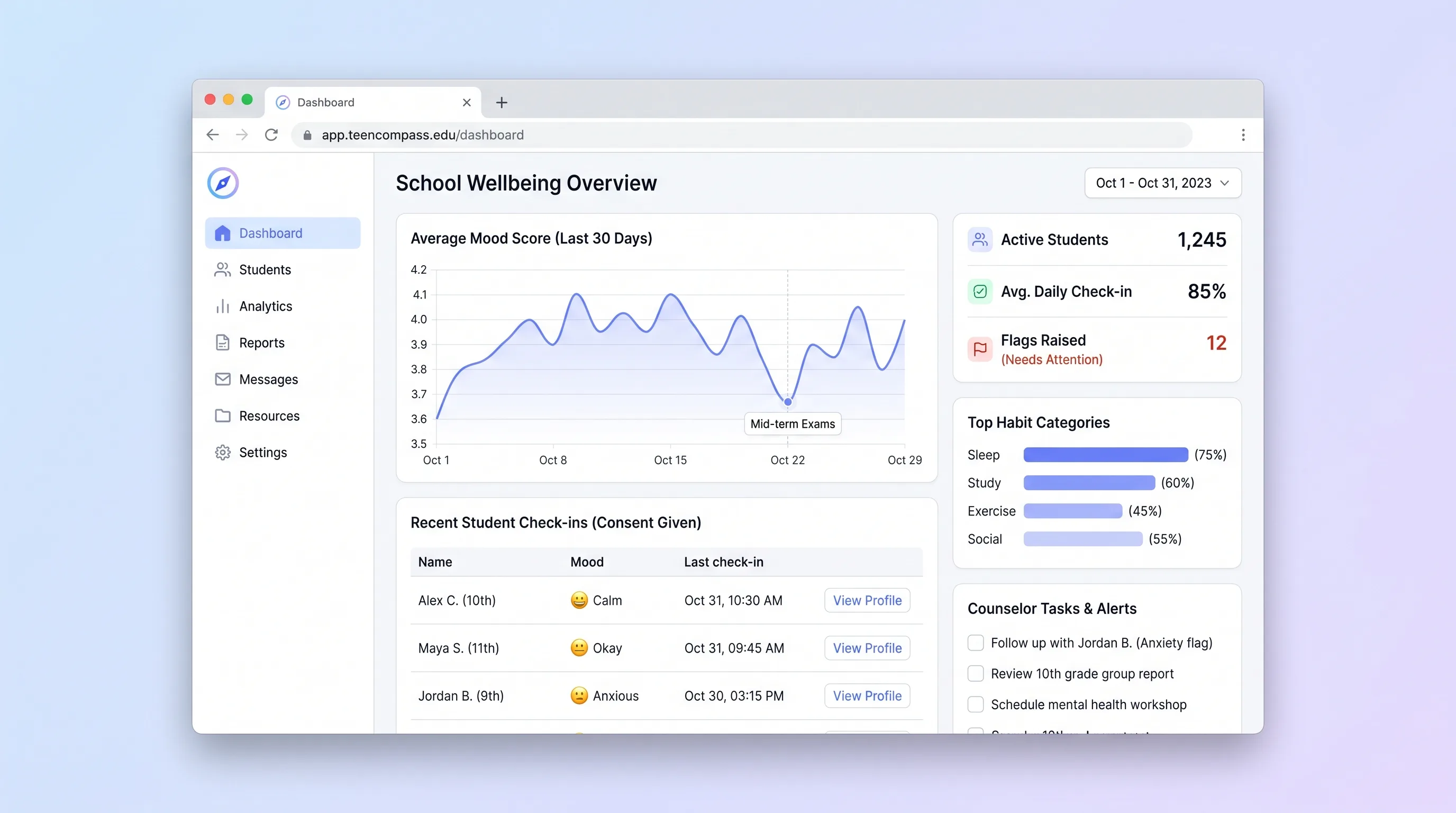
SaaS WorkflowEducation
A consent-based school check-in tool that helps counselors review student-reported mood and habit patterns, document follow-up, and protect privacy.
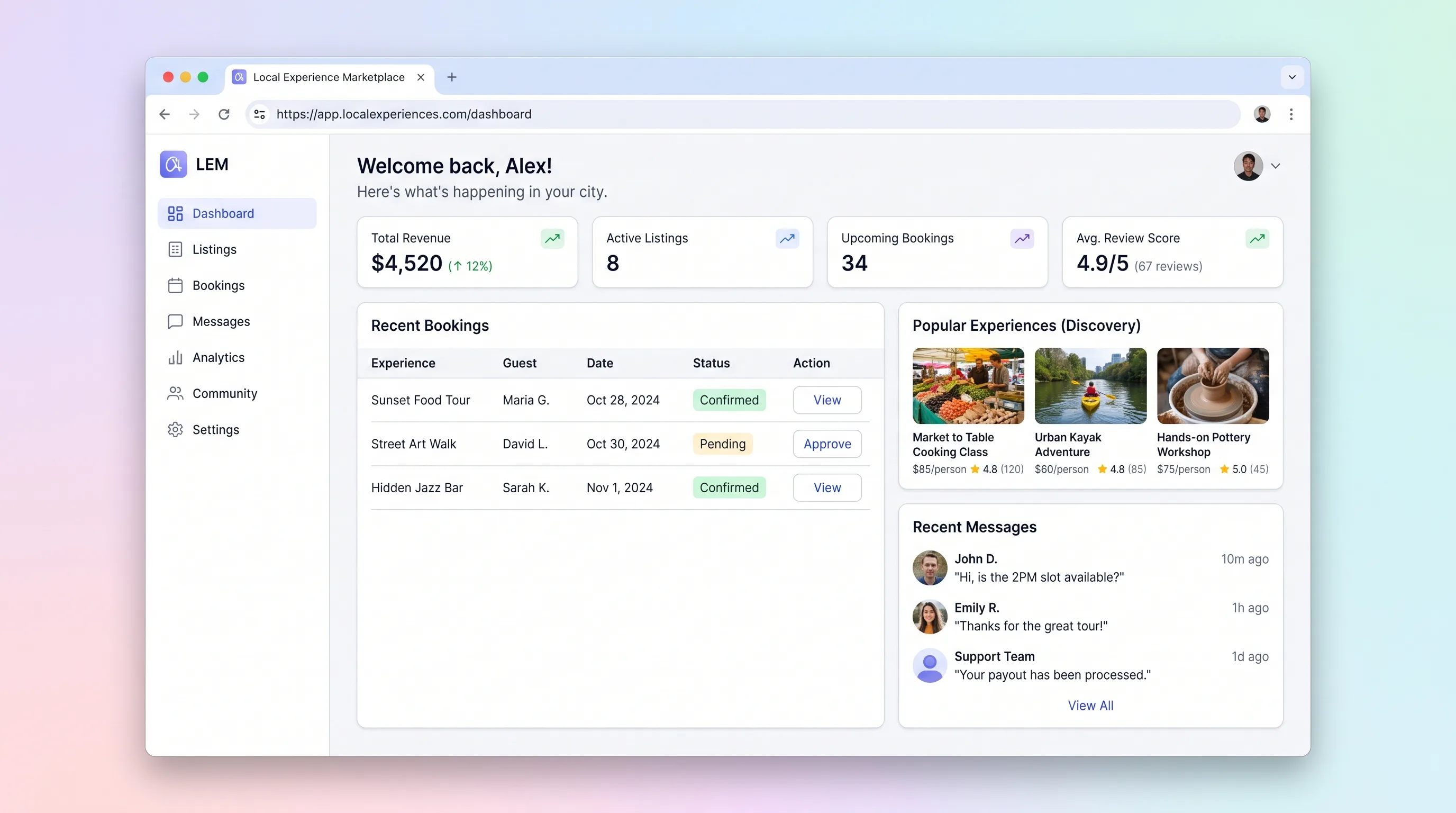
MarketplaceHospitality & Travel
A peer-to-peer marketplace where locals publish city experiences with bookable time slots and travelers search, pay, and receive confirmation without manual coordination.
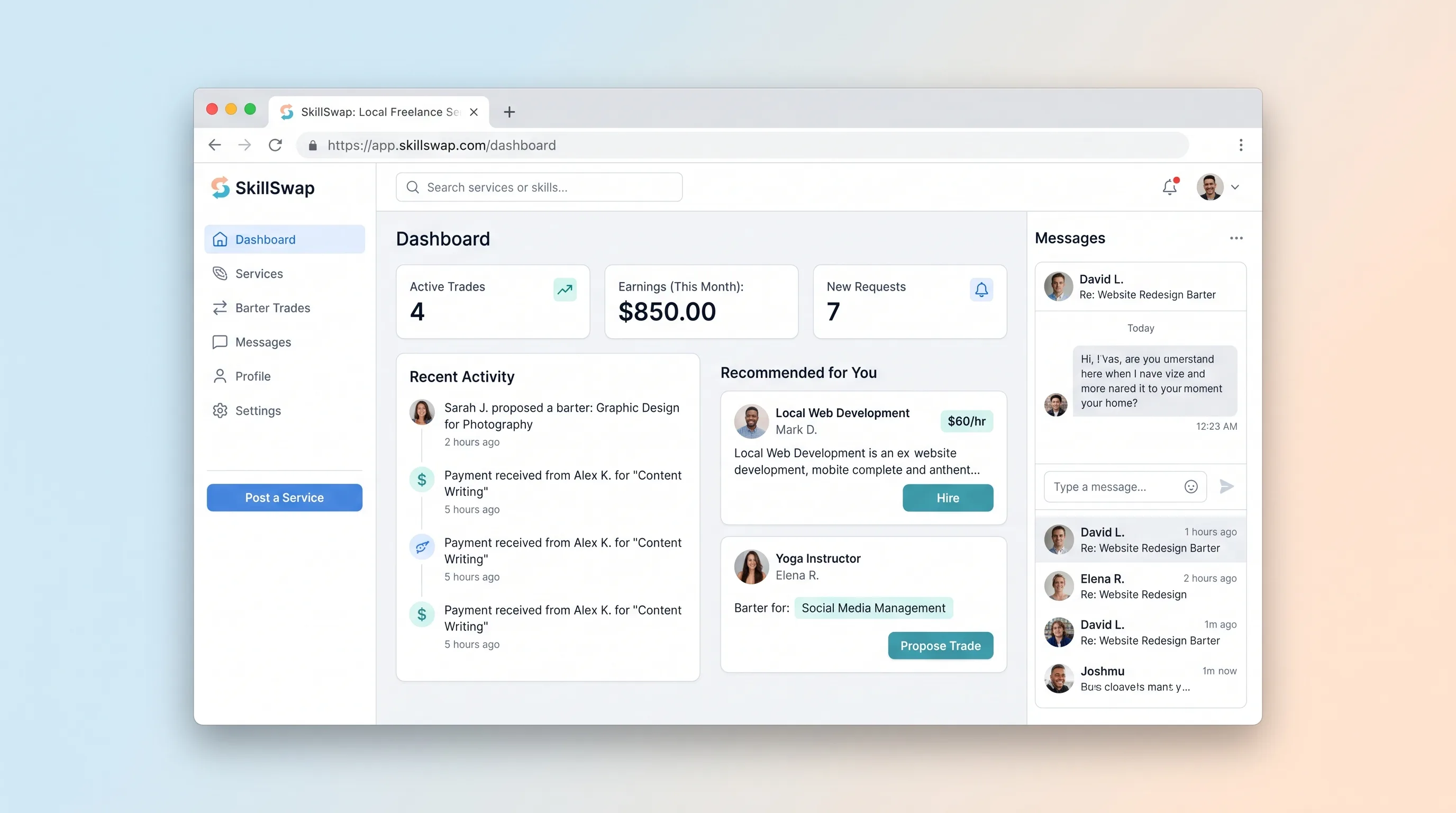
MarketplaceProfessional Services
A local services marketplace where people answer a listing with either a cash offer or a two-sided skill trade, then agree deliverables and milestones.
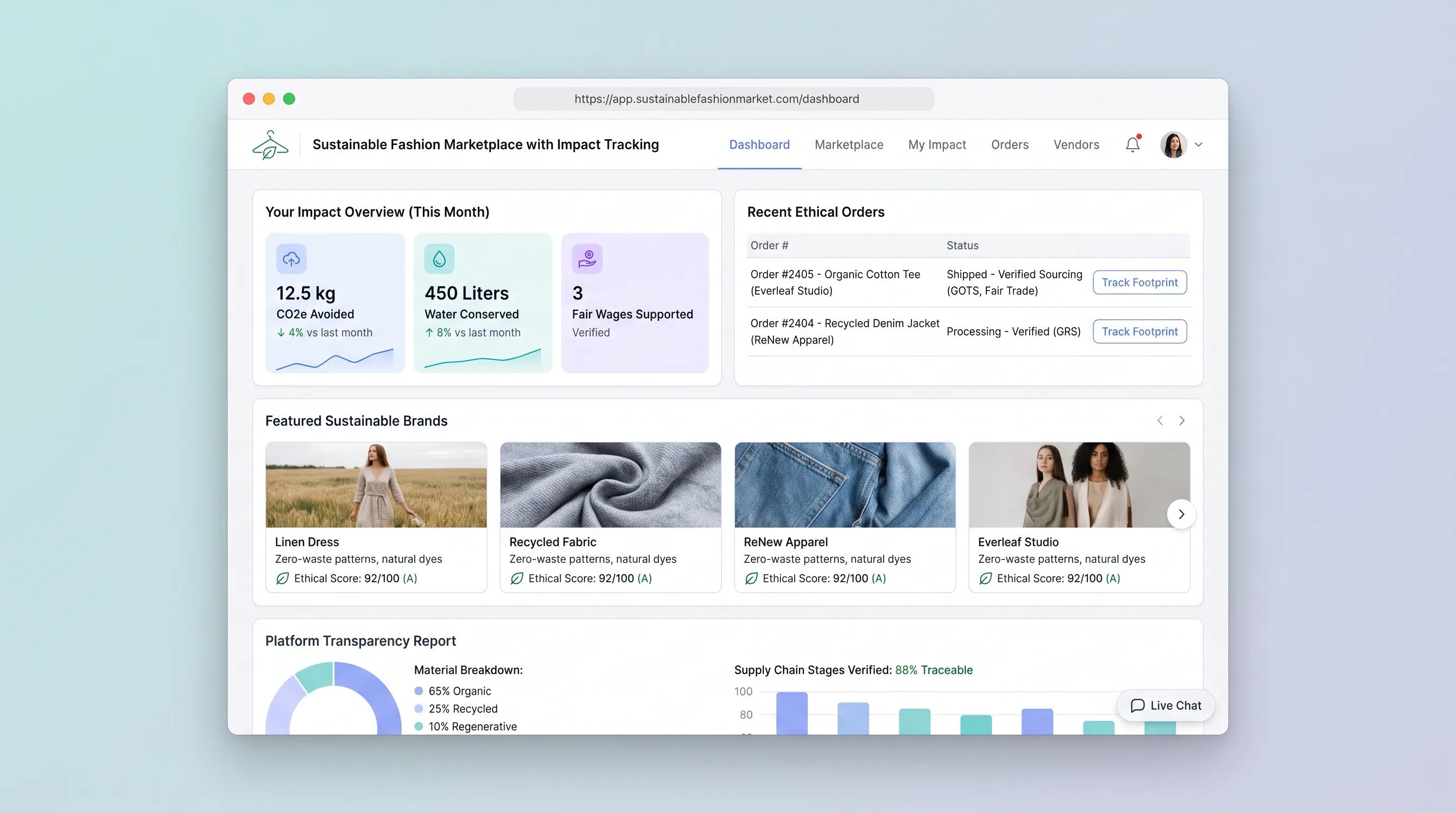
MarketplaceBeauty & Fashion
A curated storefront where independent fashion brands publish product evidence and shoppers compare item-level impact details before purchasing.
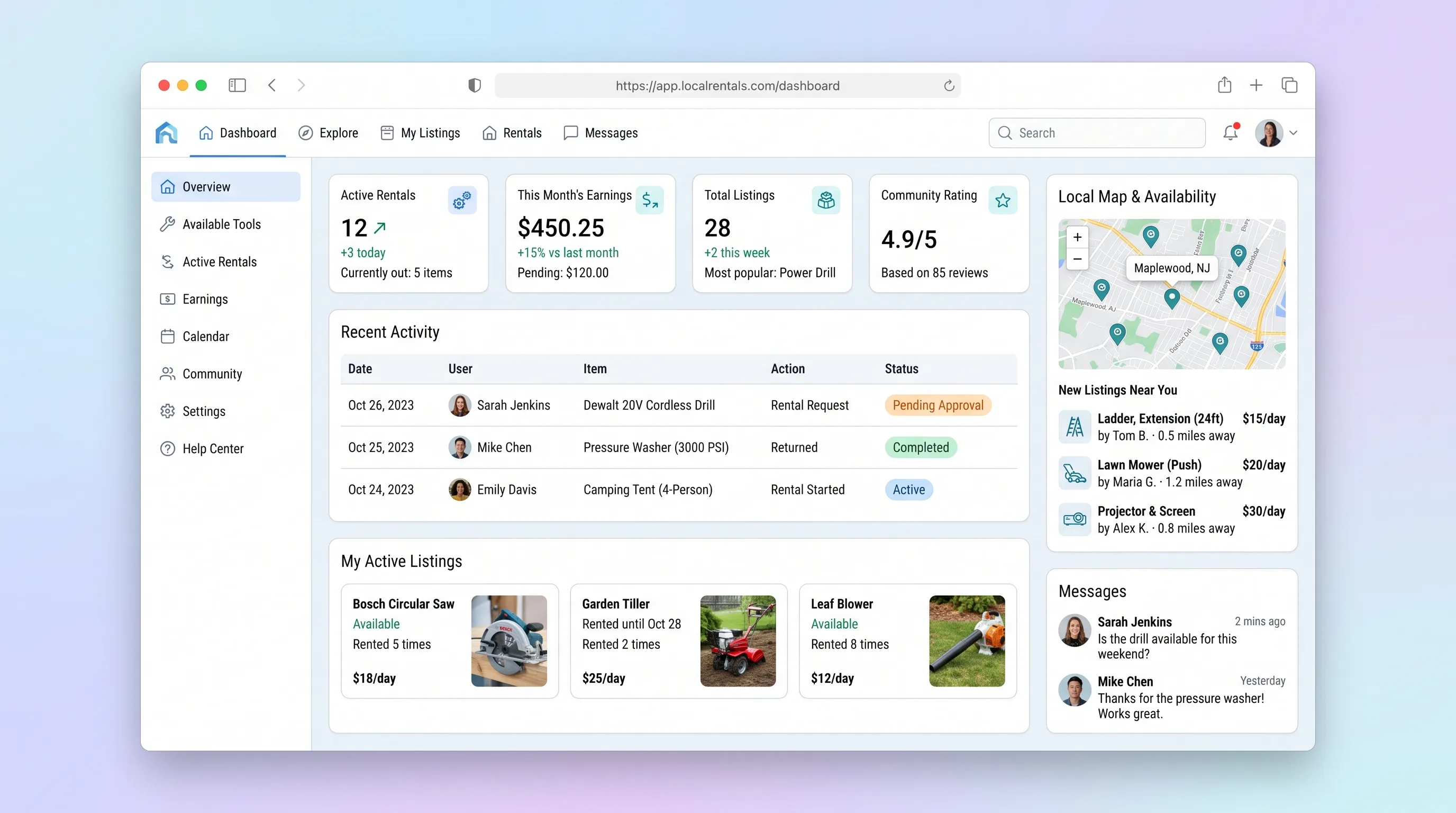
MarketplaceHome & Local Services
A hyper-local marketplace where homeowners list tools and equipment for short-term rental, neighbors search by radius, book through a calendar, pay securely, and owners receive automatic payout once the renter confirms return.
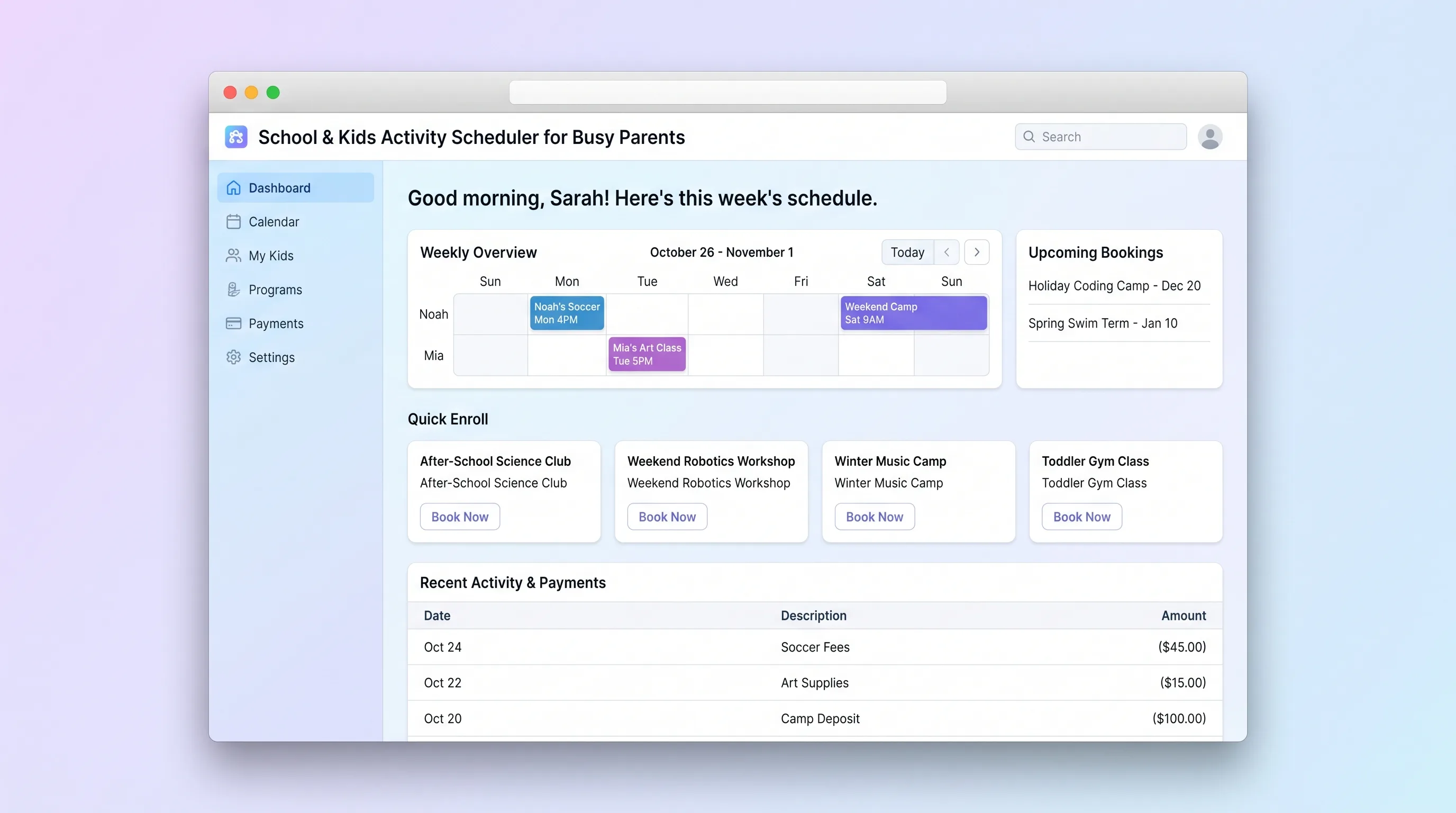
Booking PlatformEducation
A focused booking platform where parents discover, enroll in, and pay for children's after-school programs, holiday camps, and weekend classes, while operators manage class listings, capacities, and enrollments.