Build this if
You can recruit 10-15 local hosts in a single city willing to list experiences before launch.
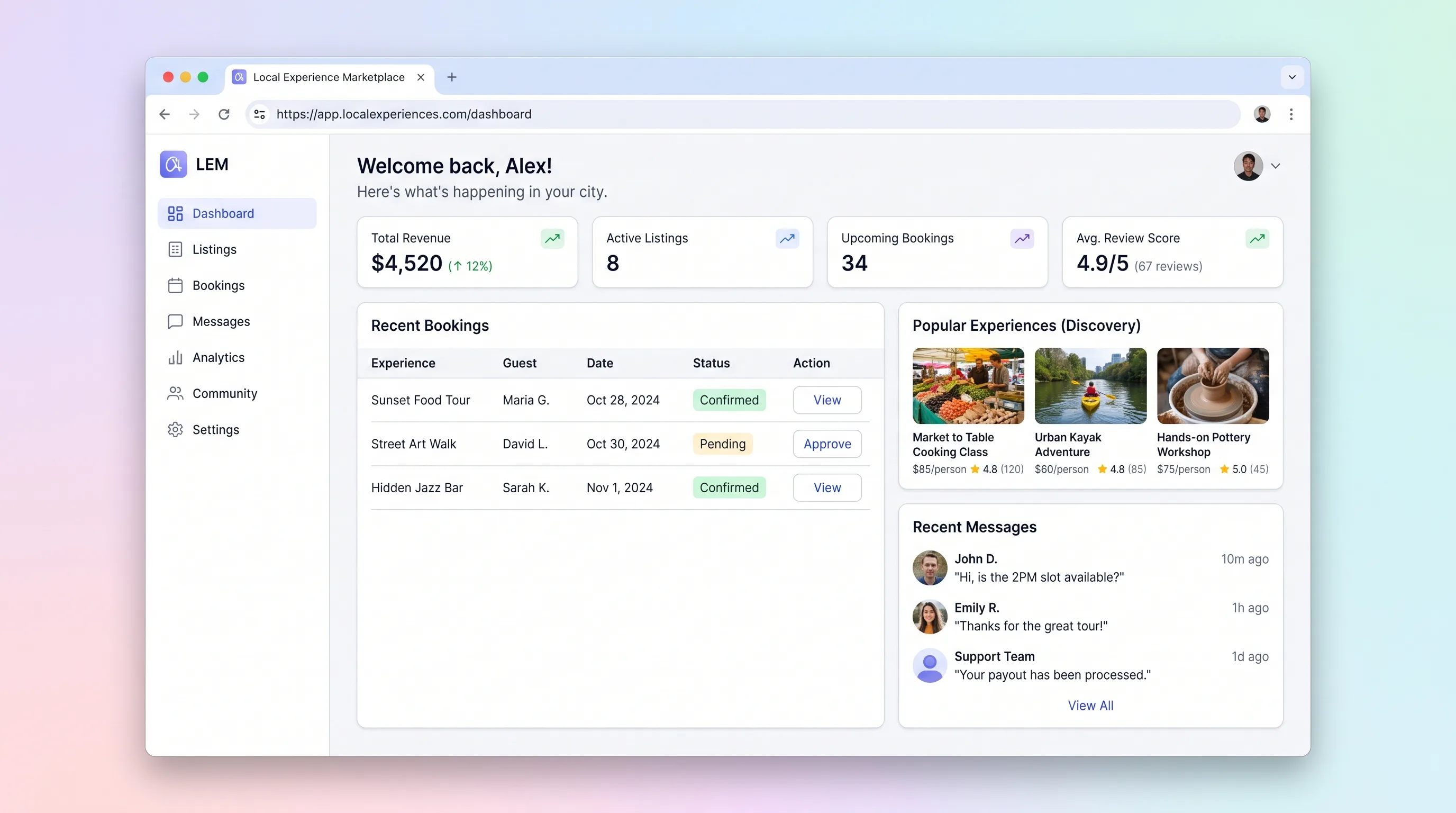
A peer-to-peer marketplace where locals publish city experiences with bookable time slots and travelers search, pay, and receive confirmation without manual coordination.
Decision snapshot
You can recruit 10-15 local hosts in a single city willing to list experiences before launch.
You cannot guarantee host supply in at least one city or lack a payment processing partner.
List 10 experiences from real hosts and measure whether 5 travelers complete a paid booking within the first month.
Problem and target customer
Locals offering unique city experiences and travelers seeking them rely on scattered tools, manual messaging, and spreadsheets to coordinate bookings, payments, and scheduling—creating friction on both sides of the transaction.
Independent local hosts and small experience operators who need a listing-and-booking channel without building custom software, plus travelers looking for authentic city activities.
Two-sided marketplace connecting local hosts with travelers through curated experience listings and instant booking.
Editorial note
This marketplace narrows the scope to one transaction: a local host lists a city experience with bookable time slots, and a traveler discovers, pays for, and confirms that experience. The MVP deliberately excludes reviews, in-app messaging, and AI-generated content to ship the booking loop first.
The visual identity follows a warm coral and off-white palette with oversized typography and asymmetric card layouts featuring city photography placeholders, giving each listing an editorial feel that distinguishes it from generic listing platforms.
Choose your next step
Evaluate the operating tradeoffs quickly, or inspect how to build the MVP.
Compare the three operating paths at the default workload before opening the full calculator.
See cost preview Build this ideaInspect the build blueprintReview MVP scope, workflow, states, data rules, architecture, and acceptance criteria.
Open blueprintEvaluation preview
Directional infrastructure estimates for the current 250 assisted transactions assumption. Open the full calculator when you are ready to change it.
Managed app hosting, database, backups, and basic observability for the marketplace workflow.
Lowest operating effortOne small VPS running the app, database, media volume, and backup job.
Lowest baseline costSeparate app, data, storage, and worker capacity for cleaner operations.
Most separation and controlBuild blueprint
Product goal
MVP scope
UX and user flow
Guest searches experiences by city and date and browses asymmetric card results with city photography
Guest views full listing with description, location map, price, and available time slots
Guest reviews booking summary, enters payment, and completes the reservation
Host manages experience listings, publishes time slots, and views incoming bookings
Guest views upcoming and past bookings with current status
Core entity outline
A local host's listing describing a city activity
A bookable window for an experience with a specific date, start time, and capacity
A guest's reservation for a specific time slot with payment and party size
A local user who creates and manages experience listings
A traveler who searches and books experiences
Architecture and data flow
Handles listing CRUD, search queries, booking creation, and availability updates
Processes guest checkout, holds funds, and issues payouts to hosts and refunds for cancellations
Sends booking confirmation and cancellation emails to host and guest
Creates calendar events for confirmed bookings on host and guest calendars
Deliverables and acceptance
Recommended stack
Rapid build of the coral-and-off-white marketplace UI with search, listing detail, and dual dashboard screens.
Hosts the relational database for experiences, bookings, and slots plus the API layer for payment and email webhooks.
Bounded integration for sending confirmation emails and syncing calendar events after a booking webhook fires.
Handles guest checkout, host payouts, and refund flows for cancelled bookings.
Renders meeting point locations on experience detail pages and search results.
Lovable builds the visual marketplace front-end quickly with the specified warm editorial design. Railway provides durable storage for listings, slots, and bookings with a reliable API for payment webhooks. Make handles the bounded glue of email dispatch and calendar sync without becoming core logic. Stripe and Google Maps are proven external dependencies the source explicitly requires.
Copy the build prompt, model the operating cost, and choose where to deploy.
Execution
Once the blueprint is clear, use the prompt, cost model, and deployment options to start building.
Build prompt
Lovable
Build prompt
Open the prompt pack whenever you are ready to take this blueprint into your builder.
Build prompt ready
Copy the prompt into your builder, then use the cost model below to choose how you want to run it.
Use the cost model to choose a deployment path that matches the build plan.
Cost calculator
A technical run-cost estimate for the first production version. Team, acquisition, payment fees, and business COGS are excluded.
$13-$38 per 125 assisted transactions
Low and high values allow for usage variance and plan headroom.
Managed app hosting, database, backups, and basic observability for the marketplace workflow.
50K assisted transactions included, then $8-$20 per 100K assisted transactionsTransactional email is implied by the source workflow or feature list.
3K assisted transactions includedPayment processor is implied by the source workflow or feature list.
100 included, then $0-$5 per 100 assisted transactionsMaps API is implied by the source workflow or feature list.
1K assisted transactions includedThe estimate combines the selected infrastructure path, required operating modules, selected optional modules, and usage above included monthly allowances. Taxes and regional uplifts are excluded.
Deployment options
Choose based on operating preference, not only the headline price.
Fast Docker deployment for the app, database, worker, and preview workflow without managing a VPS.
Usage billing needs active monitoring as traffic and jobs grow.
Run the app, worker, and database on one small Vultr VPS with Docker Compose and explicit backups.
You own patching, backups, monitoring, and incident response.
Separate application, worker, data, storage, and backup responsibilities as the workload grows.
You own server setup, patching, backups, and operational monitoring.
Start building
Create the experience discovery search page, experience detail with time slot selection, booking checkout, and dual host/guest dashboards using the coral-and-off-white editorial design system.
Open Lovable 02AutomationWire notification and calendar glueConfigure a Make scenario that listens for booking confirmation webhooks from Railway, sends transactional emails to host and guest, and creates calendar events via the Calendar API.
Open Make 03DeployDeploy API and databaseHost the relational database with experiences, time slots, bookings, and user tables, plus the API endpoints for listing creation, search, payment webhook handling, and availability management.
Open RailwayKeep exploring
MarketplaceProfessional Services
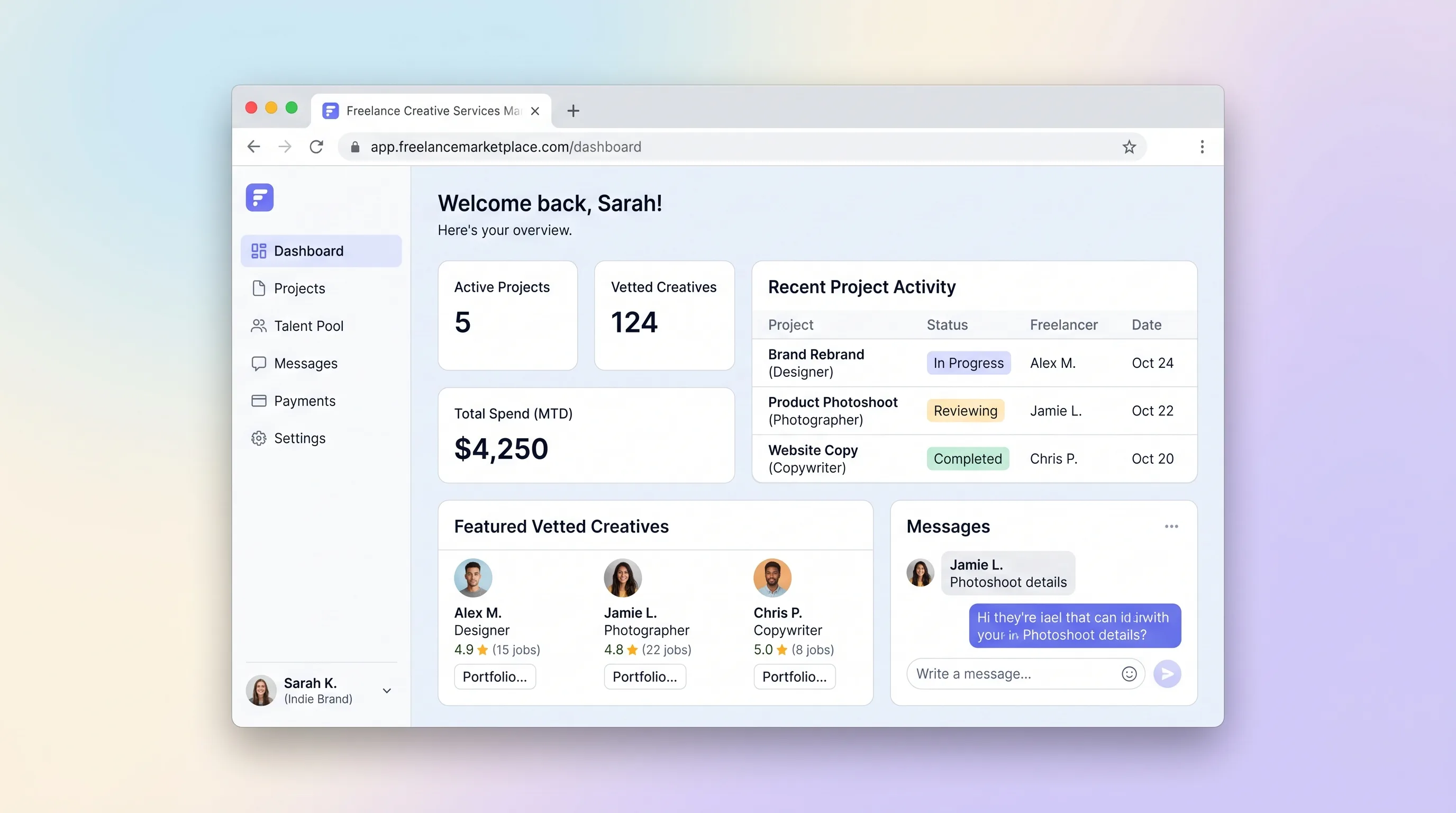
A curated marketplace where indie brands post a project brief in under four minutes and receive at least three matched, vetted freelance creatives—photographers, copywriters, and designers—for project-based work.
SaaS WorkflowDeveloper & IT Operations
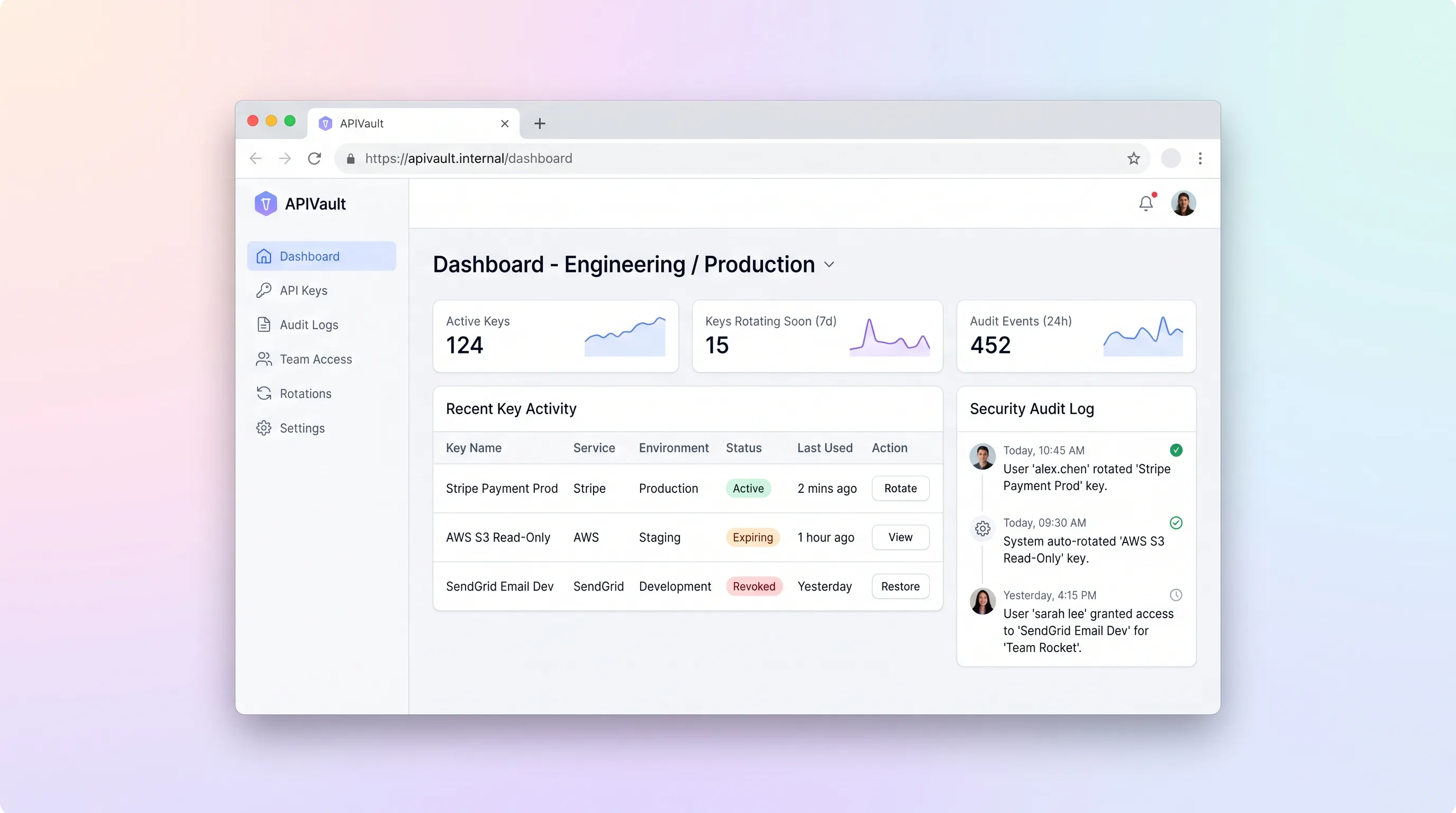
A focused internal tool for indie dev teams to store, rotate, and audit API keys across projects and environments with workspace-level access controls and a full activity trail.
SaaS WorkflowCreator Economy & Media
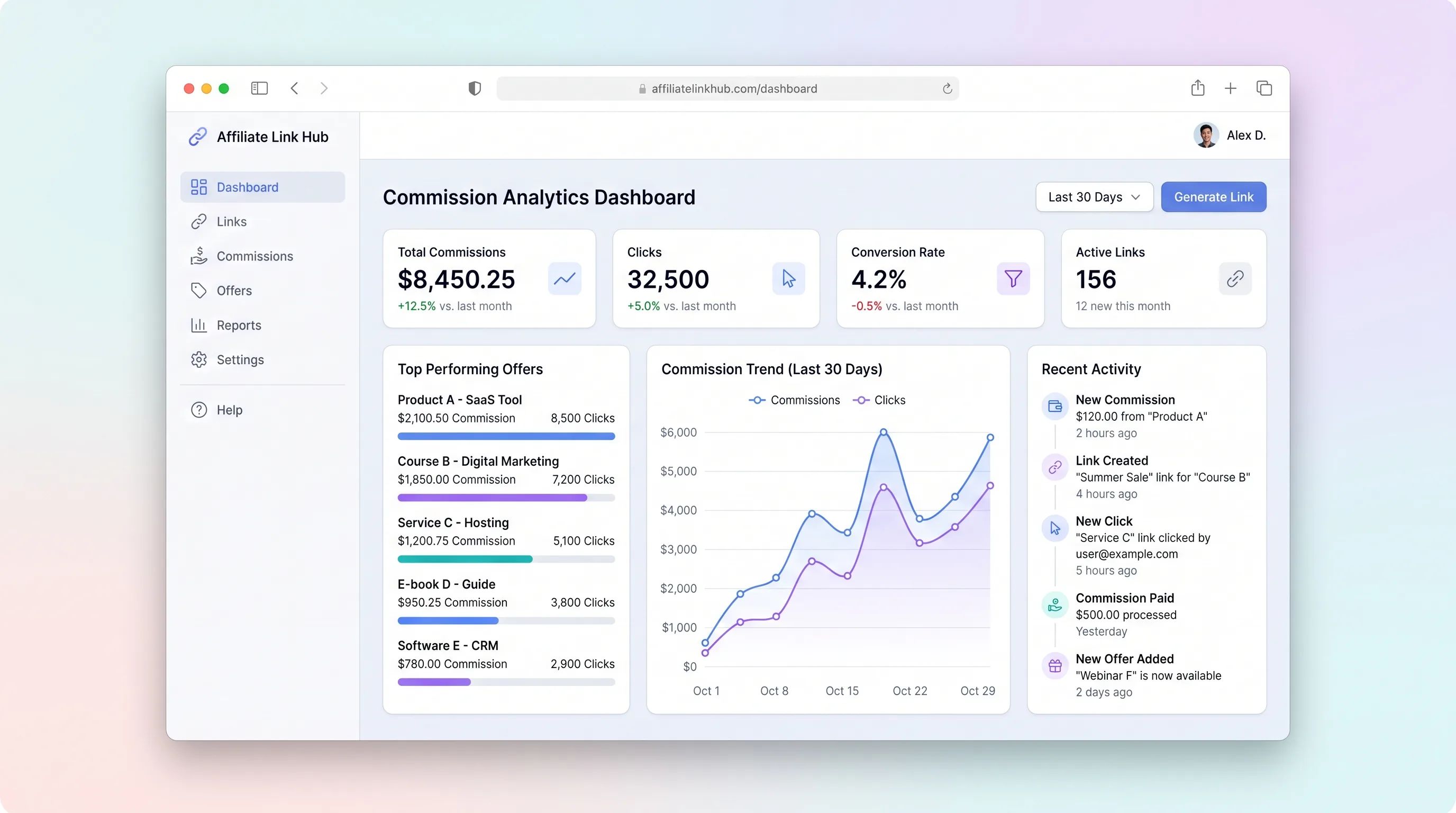
A focused workspace where creators import affiliate programs, distribute tracked links, monitor click and commission trends, and log payouts without juggling spreadsheets.
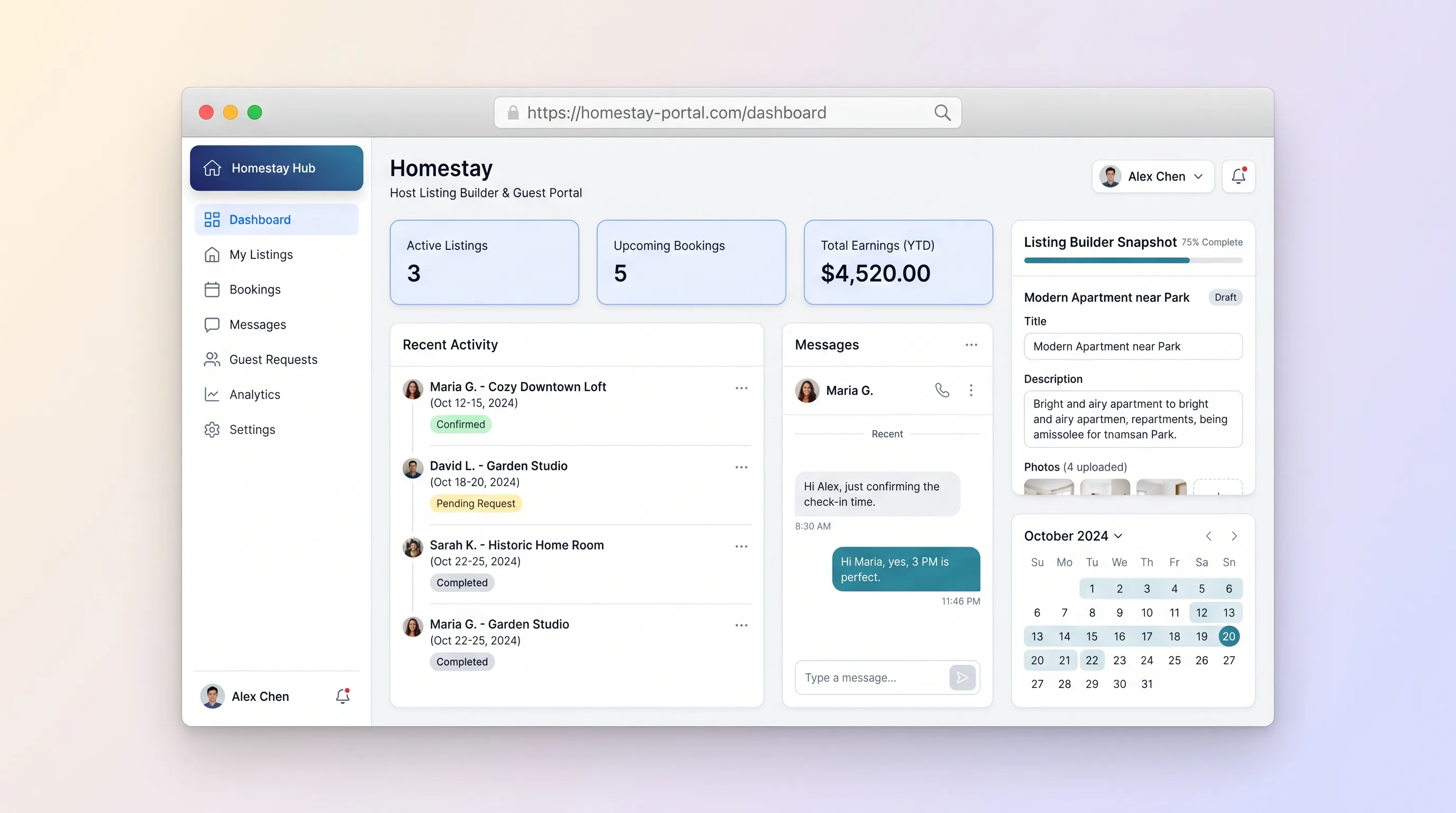
MarketplaceHospitality & Travel
A dual-sided marketplace where homestay hosts create rich property listings with photos, amenities, and pricing, and guests search by location, message hosts, submit booking requests, and track status from pending to confirmed.
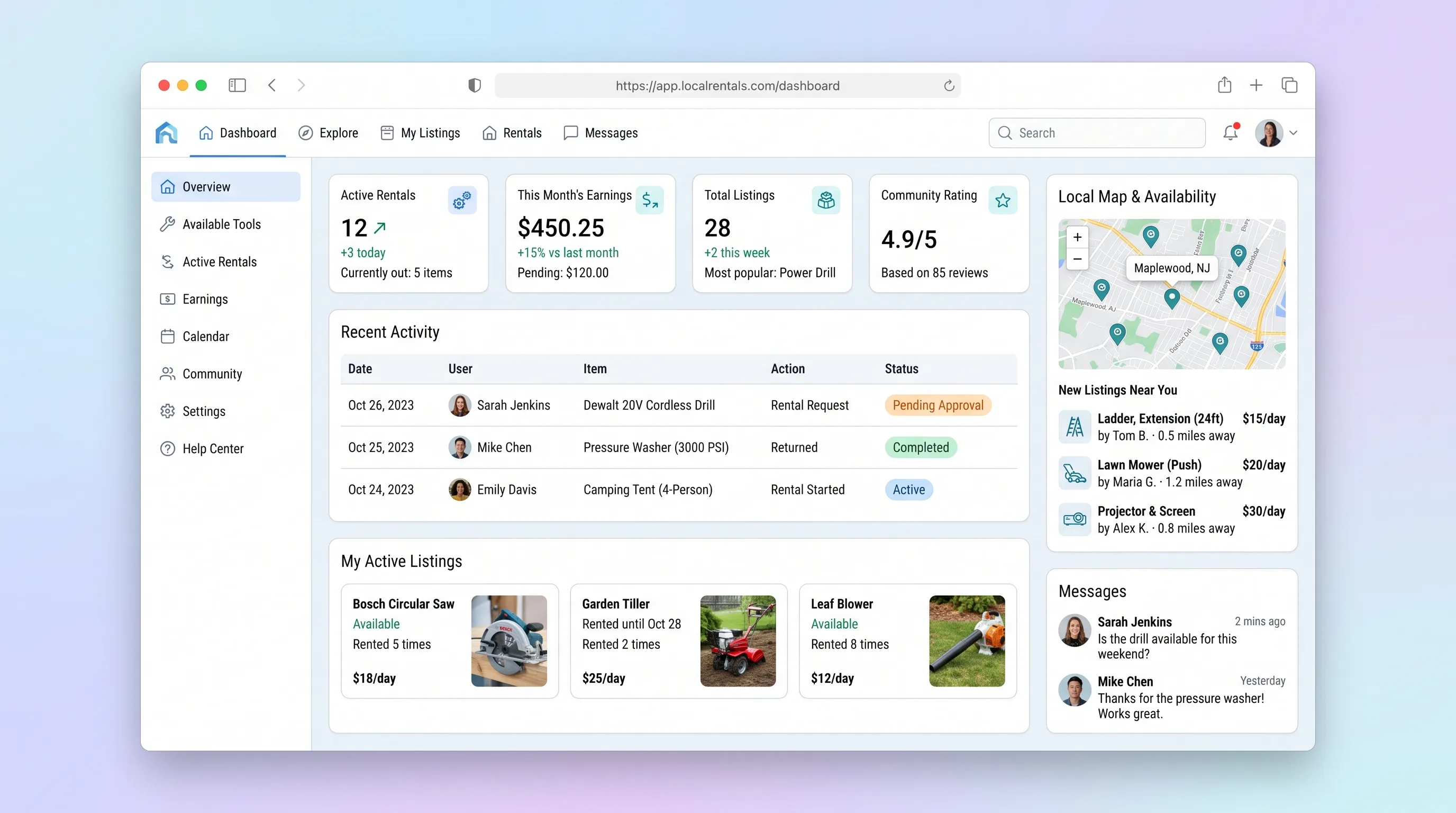
MarketplaceHome & Local Services
A hyper-local marketplace where homeowners list tools and equipment for short-term rental, neighbors search by radius, book through a calendar, pay securely, and owners receive automatic payout once the renter confirms return.
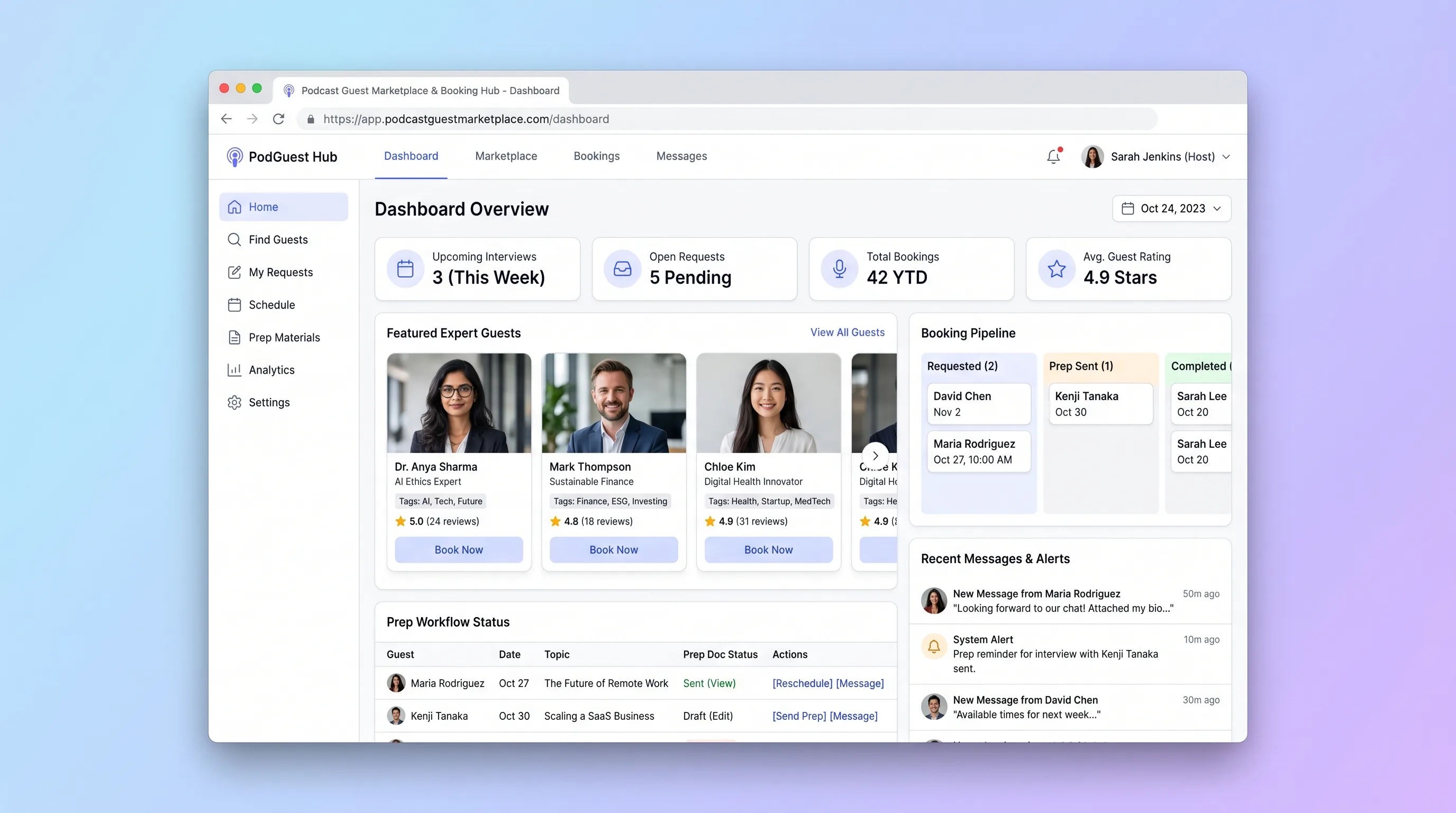
MarketplaceCreator Economy & Media
A marketplace connecting podcast hosts with vetted expert guests, streamlining discovery, booking requests, confirmation, and prep-kit generation into a single workflow.