Build this if
You can recruit an initial supply of 20+ homestay hosts in a single geographic market and verify guests will submit booking requests through a digital portal.
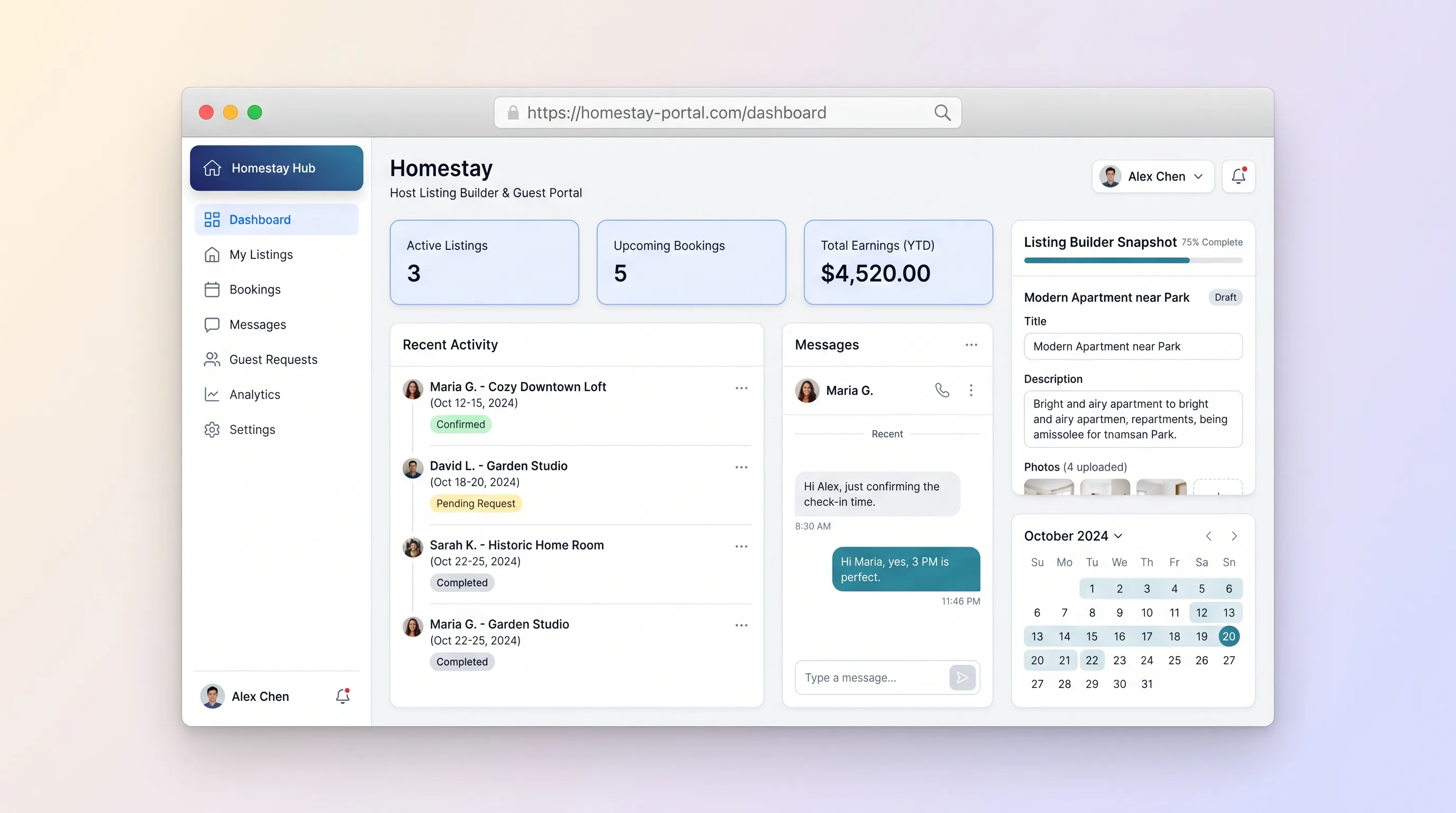
A dual-sided marketplace where homestay hosts create rich property listings with photos, amenities, and pricing, and guests search by location, message hosts, submit booking requests, and track status from pending to confirmed.
Decision snapshot
You can recruit an initial supply of 20+ homestay hosts in a single geographic market and verify guests will submit booking requests through a digital portal.
Your target market requires full payment processing and calendar sync on day one with no manual host review step in the booking flow.
Launch with 10 host listings in one city and measure whether at least 30% of guest searches convert to booking requests within the first month.
Problem and target customer
Homestay hosts and guests rely on generic tools, spreadsheets, and manual coordination to manage listings and bookings. Hosts lack a fast listing builder, and guests cannot search, message, and request stays in a single tracked workflow.
Independent homestay operators and small property managers who need a production-ready marketplace presence without custom software, and travelers seeking local home stays with direct host communication.
Dual-sided marketplace with transaction fees on confirmed bookings and optional monthly subscription for hosts seeking premium listing placement.
Editorial note
This marketplace focuses on one workflow: a host publishes a listing and a guest requests a stay. The MVP deliberately defers payment capture until after a host accepts, keeping the booking flow lightweight and review-driven.
Map integration is central to the guest experience. Listings appear as pinned cards on a city map, and guests filter by available dates before drilling into a listing detail view with messaging and booking request.
The booking state machine moves from pending to accepted or declined, then to confirmed. Calendar sync fires only after acceptance, reducing external dependency risk during the request phase.
Choose your next step
Evaluate the operating tradeoffs quickly, or inspect how to build the MVP.
Compare the three operating paths at the default workload before opening the full calculator.
See cost preview Build this ideaInspect the build blueprintReview MVP scope, workflow, states, data rules, architecture, and acceptance criteria.
Open blueprintEvaluation preview
Directional infrastructure estimates for the current 500 bookings assumption. Open the full calculator when you are ready to change it.
Managed app hosting, database, backups, and basic observability for the booking workflow.
Lowest operating effortOne small VPS running the app, database, media volume, and backup job.
Lowest baseline costSeparate app, data, storage, and worker capacity for cleaner operations.
Most separation and controlBuild blueprint
Product goal
MVP scope
UX and user flow
Host creates or edits a property listing with photos, amenities, pricing, and map location
Guest searches homestays by city and available dates with map-integrated cards
Guest views full listing, messages host, and submits booking request
Host reviews incoming booking requests and accepts or declines
Guest and host track booking status from pending through confirmed
Core entity outline
Represents a homestay property published by a host
Guest's request to stay at a listing for specific dates
Communication thread between guest and host about a listing
Account for either a host or guest with role-based access
Audit trail of listing and booking actions
Architecture and data flow
Manages listing CRUD, photo storage, and availability date ranges
Enforces booking state machine and validates date conflicts
Handles guest-host message threads per listing
Filters listings by city, dates, and availability for map display
Deliverables and acceptance
Recommended stack
Rapid visual build of map-integrated listing cards, booking forms, and host inbox with warm terracotta and sage green styling.
Relational database for listings, bookings, and messages with row-level security for host and guest data isolation.
Optional webhook to sync accepted bookings to host calendar and send notification emails without custom backend code.
Deploy backend services and scheduled jobs for booking status transitions and calendar sync triggers.
Lovable handles the dual-sided UI with map integration and responsive mobile layouts. Supabase provides durable records with auth and row-level security for marketplace data isolation. Make bridges calendar sync and notifications as bounded glue. Railway hosts any server-side logic for booking state machines.
Copy the build prompt, model the operating cost, and choose where to deploy.
Execution
Once the blueprint is clear, use the prompt, cost model, and deployment options to start building.
Build prompt
Lovable
Build prompt
Open the prompt pack whenever you are ready to take this blueprint into your builder.
Build prompt ready
Copy the prompt into your builder, then use the cost model below to choose how you want to run it.
Use the cost model to choose a deployment path that matches the build plan.
Cost calculator
A technical run-cost estimate for the first production version. Team, acquisition, payment fees, and business COGS are excluded.
$13-$53 per 250 bookings
Low and high values allow for usage variance and plan headroom.
Managed app hosting, database, backups, and basic observability for the booking workflow.
50K bookings included, then $8-$20 per 100K bookingsPayment processor is implied by the source workflow or feature list.
100 included, then $0-$5 per 100 bookingsCalendar API is implied by the source workflow or feature list.
Monthly allowance from this idea's operating profileMaps API is implied by the source workflow or feature list.
1K bookings includedThe estimate combines the selected infrastructure path, required operating modules, selected optional modules, and usage above included monthly allowances. Taxes and regional uplifts are excluded.
Deployment options
Choose based on operating preference, not only the headline price.
Fast Docker deployment for the app, database, worker, and preview workflow without managing a VPS.
Usage billing needs active monitoring as traffic and jobs grow.
Run the app, worker, and database on one small Vultr VPS with Docker Compose and explicit backups.
You own patching, backups, monitoring, and incident response.
Separate application, worker, data, storage, and backup responsibilities as the workload grows.
You own server setup, patching, backups, and operational monitoring.
Start building
Create the host listing builder, guest search with map integration, listing detail with booking request form, and host booking inbox using warm white, terracotta, and sage green styling.
Open Lovable 02AutomationWire calendar sync and notificationsConfigure a webhook that triggers when a booking is accepted, syncing host calendar availability and sending confirmation emails to both parties.
Open Make 03DeployDeploy booking state machine and APIHost backend services that enforce booking status transitions, validate date availability, and expose listing and booking endpoints to the frontend.
Open RailwayKeep exploring
SaaS WorkflowProfessional Services
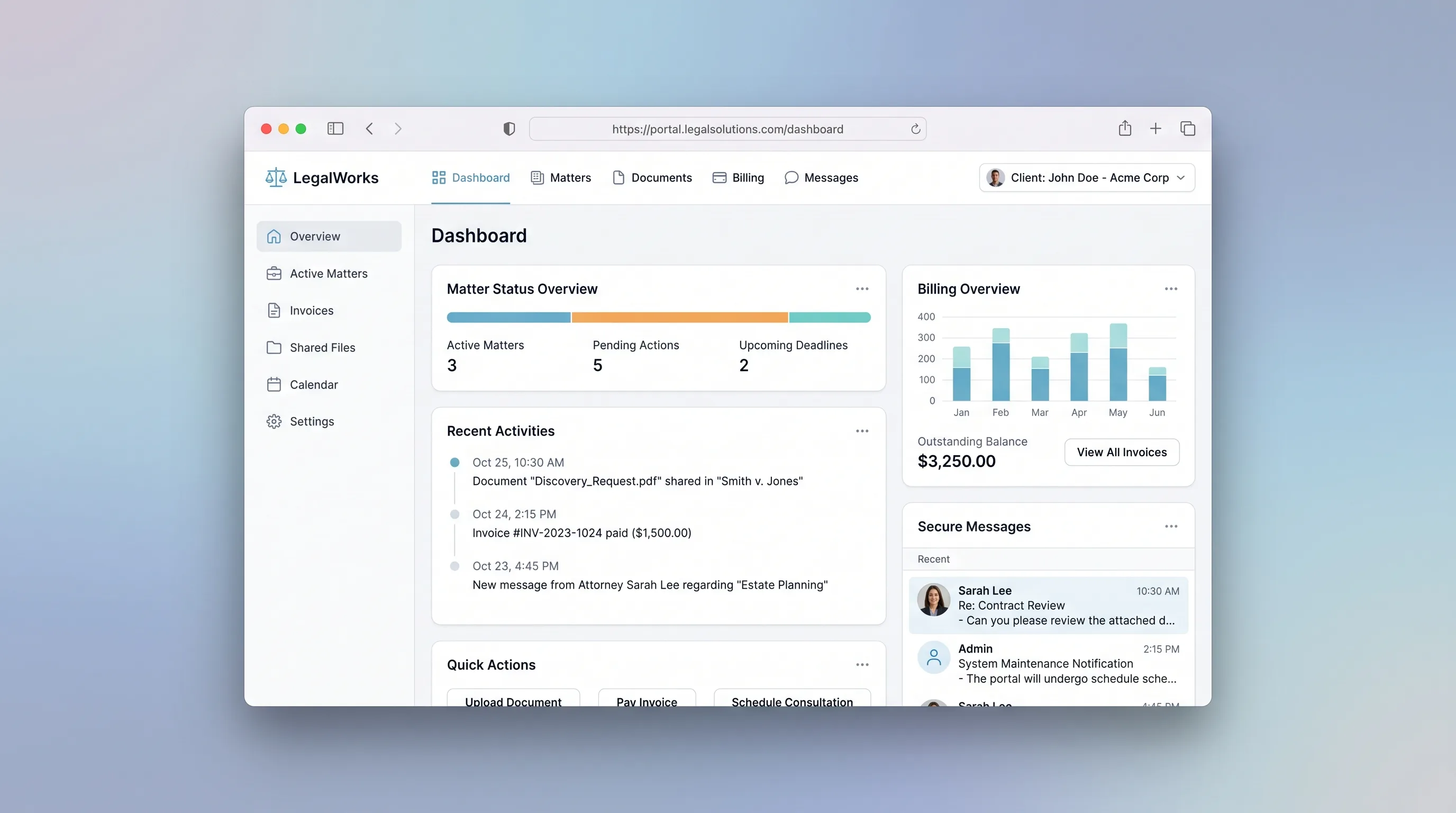
A branded portal where law firms manage client matters, share documents, log billable time, and collect invoice payments in one secure place.
SaaS WorkflowBusiness Operations
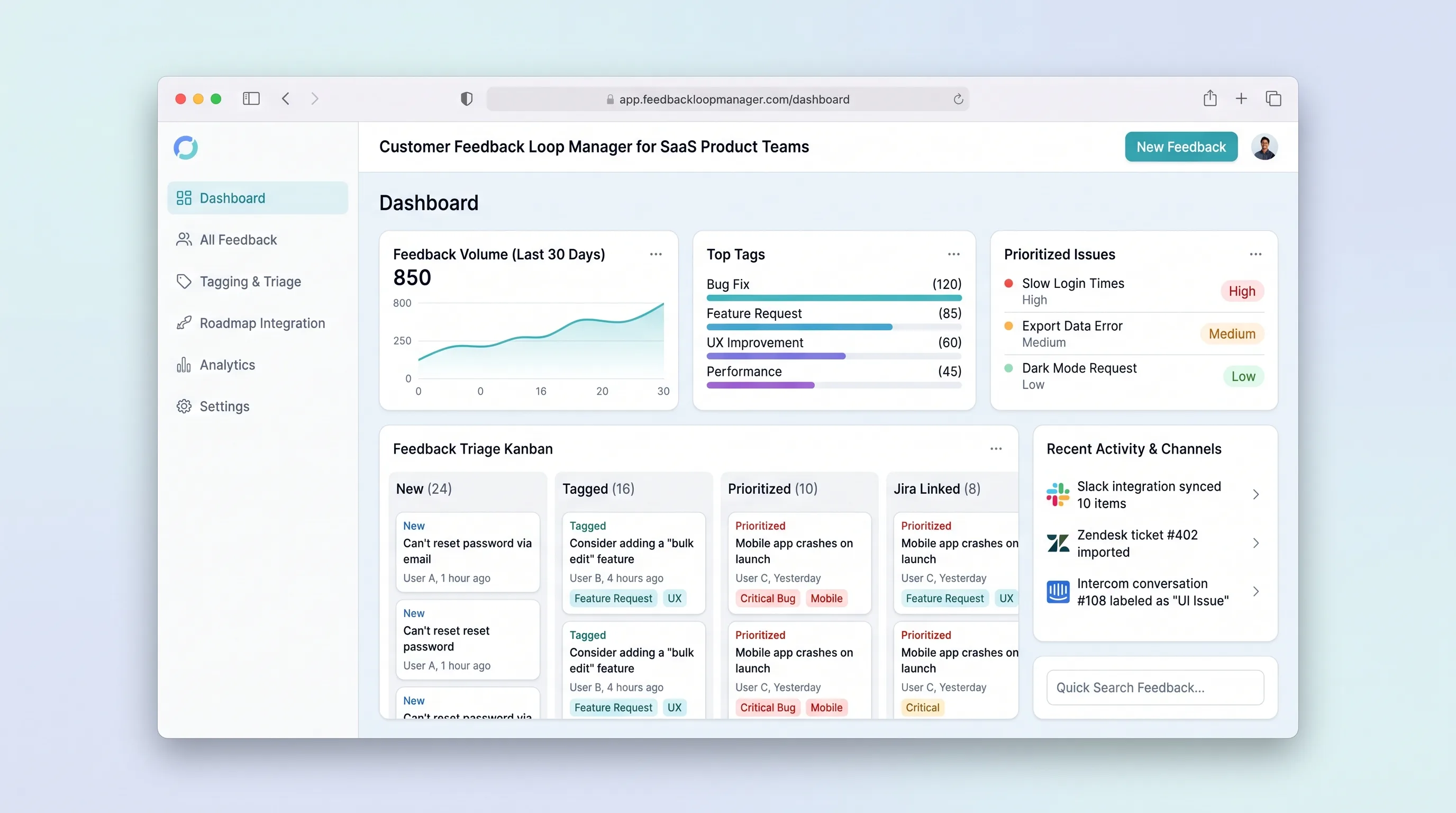
Collect, tag, and prioritize user feedback from multiple channels into a single prioritized backlog that feeds roadmap decisions with traceable evidence.
SaaS WorkflowBusiness Operations
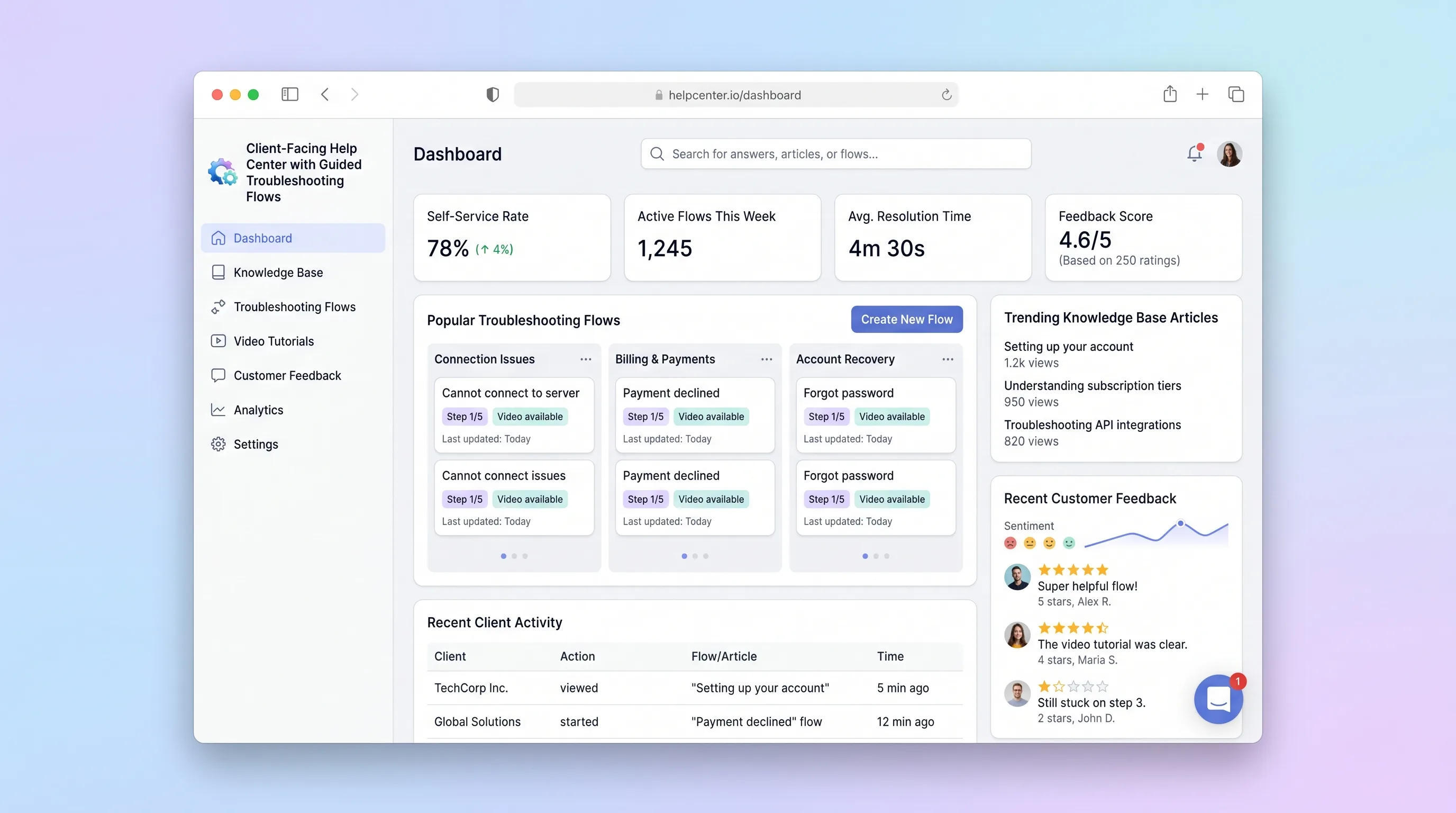
A self-service help center where SaaS teams publish interactive troubleshooting wizards and knowledge articles, and end customers resolve issues through guided step-by-step flows with built-in feedback capture.
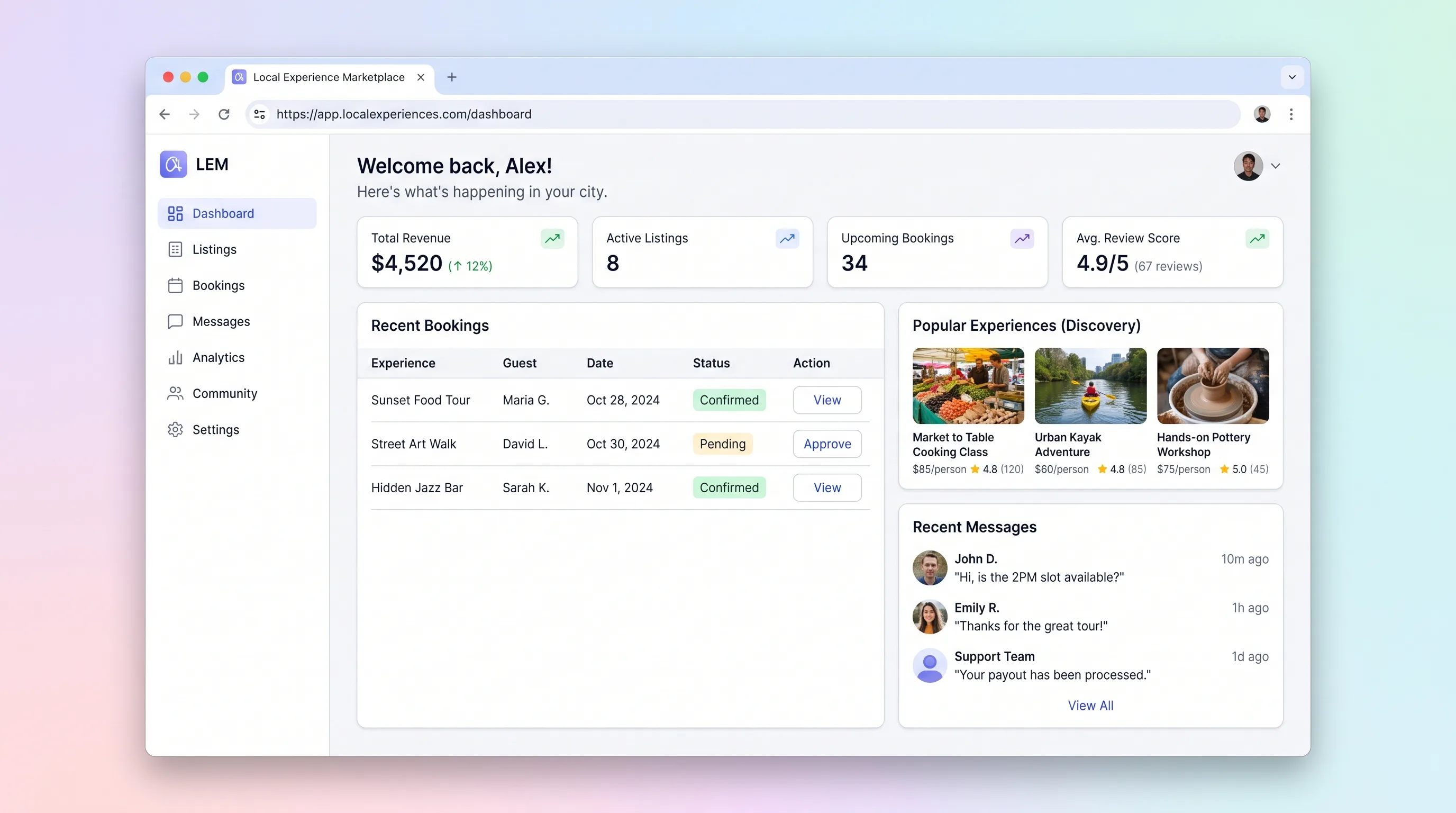
MarketplaceHospitality & Travel
A peer-to-peer marketplace where locals publish city experiences with bookable time slots and travelers search, pay, and receive confirmation without manual coordination.
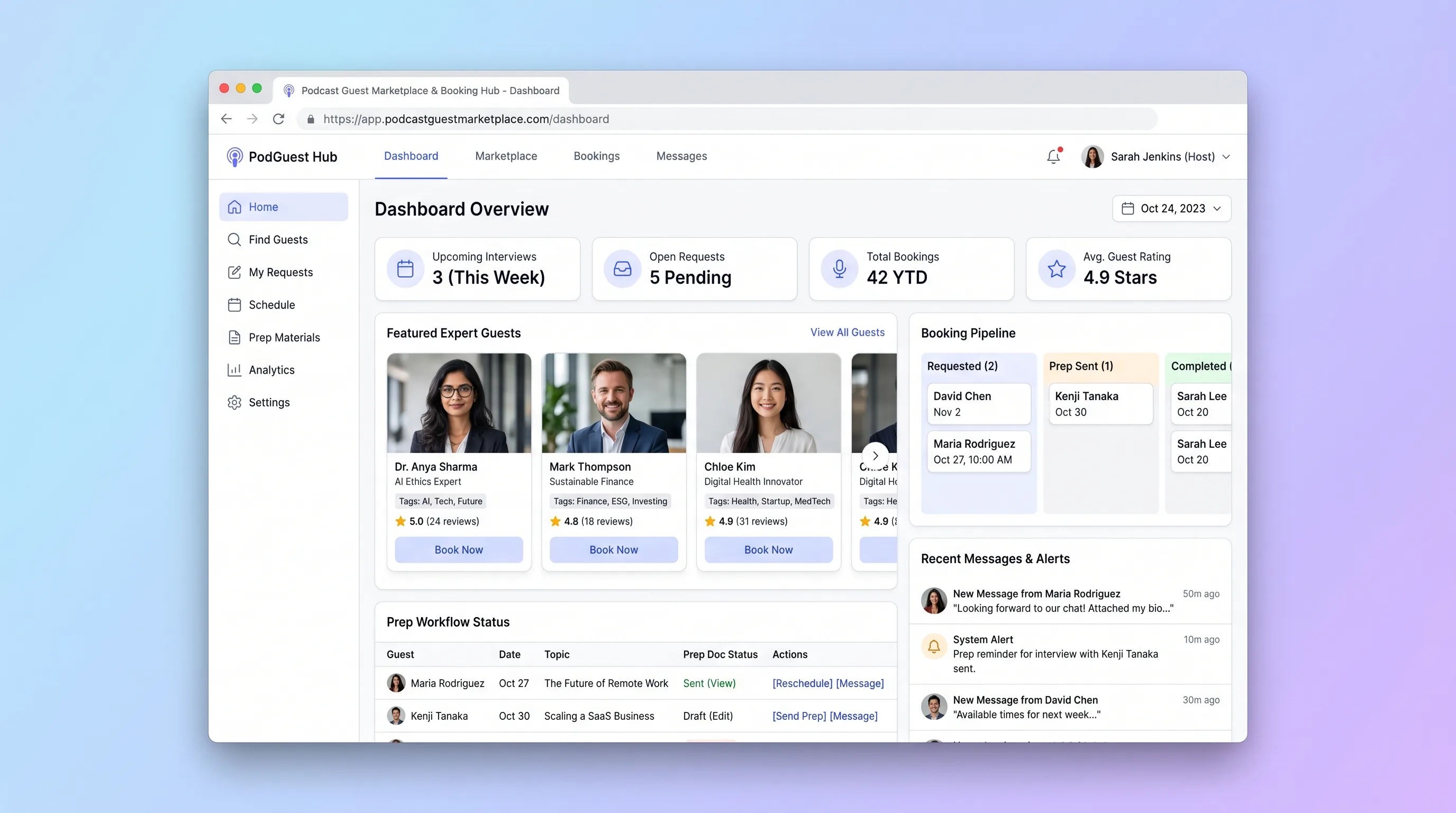
MarketplaceCreator Economy & Media
A marketplace connecting podcast hosts with vetted expert guests, streamlining discovery, booking requests, confirmation, and prep-kit generation into a single workflow.
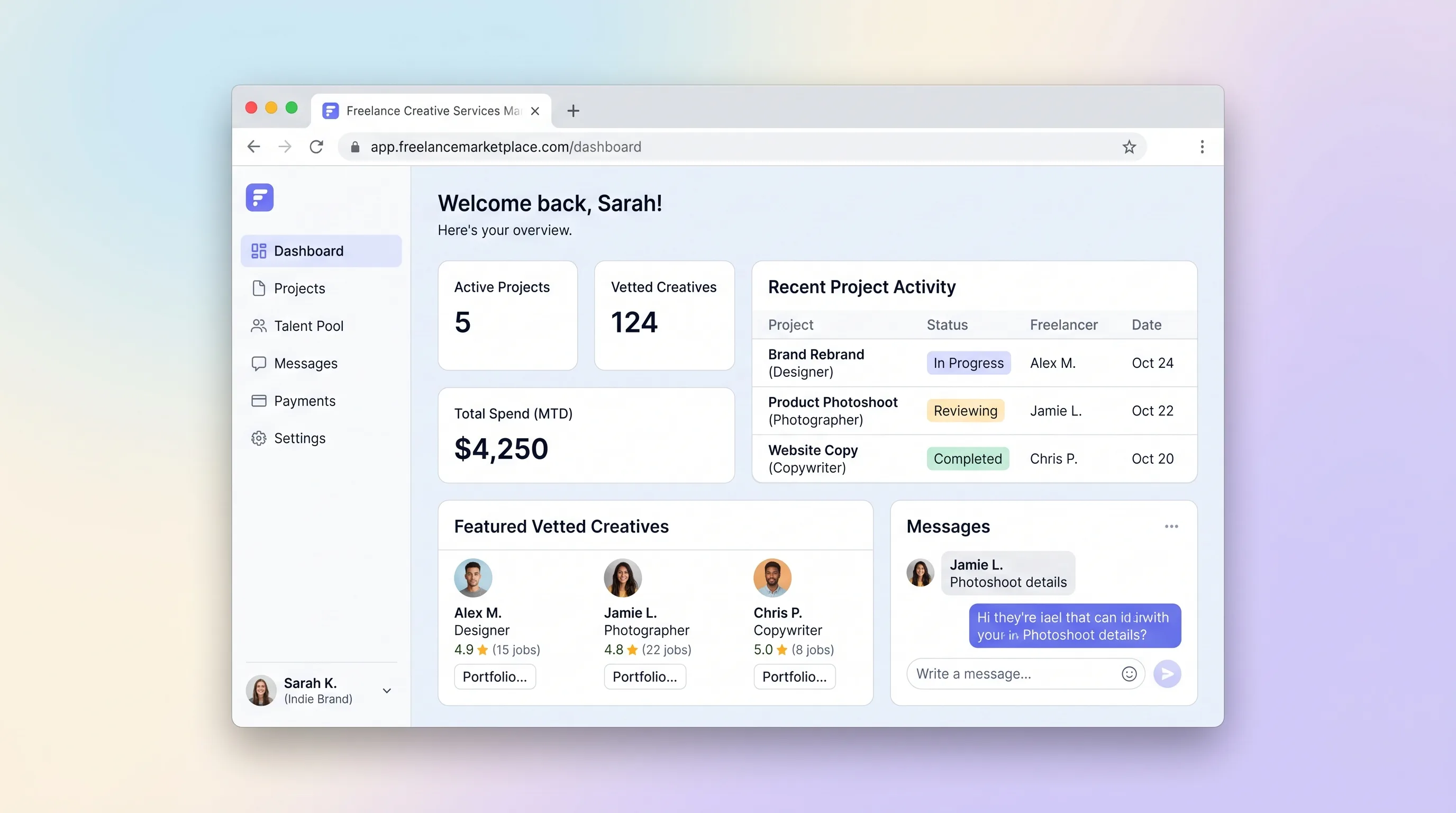
MarketplaceProfessional Services
A curated marketplace where indie brands post a project brief in under four minutes and receive at least three matched, vetted freelance creatives—photographers, copywriters, and designers—for project-based work.