Build this if
The brand can maintain product-role, palette, season, occasion, size, and inventory tags for a curated assortment.
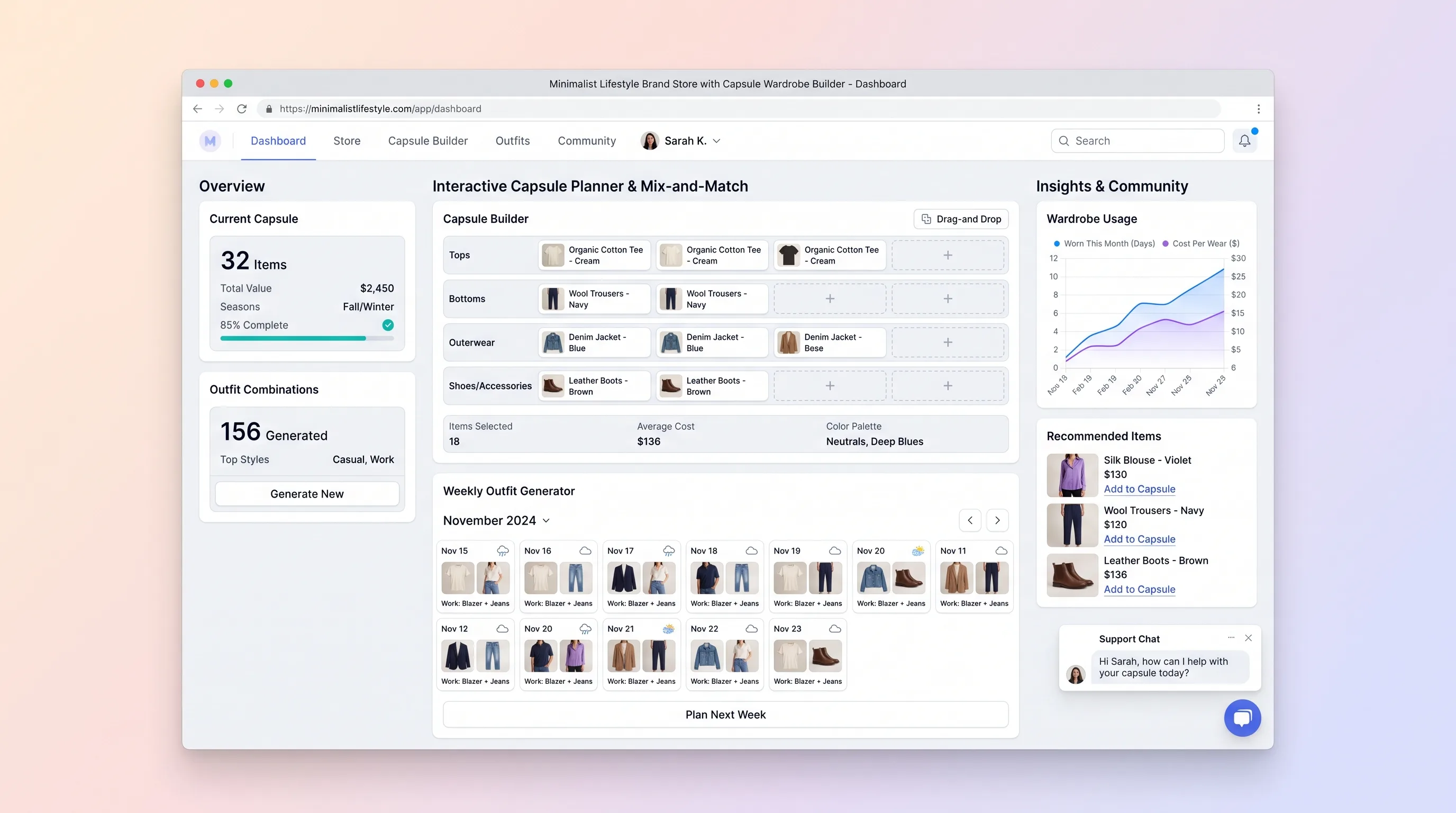
A guided fashion store that assembles a compact, compatible wardrobe from live variants, previews real outfit combinations, and keeps the set within budget.
Decision snapshot
The brand can maintain product-role, palette, season, occasion, size, and inventory tags for a curated assortment.
The concept depends on computer vision, an open marketplace catalog, or generated fashion imagery.
Ask target shoppers to build a capsule, produce three useful outfits, make one swap, and explain whether the result reduced purchase uncertainty.
Problem and target customer
Shoppers interested in a smaller wardrobe still have to guess whether separate garments fit the same size, palette, season, occasions, and spending limit.
Minimalist apparel brands with a curated catalog and shoppers seeking a coordinated capsule rather than isolated product recommendations.
Direct-to-consumer apparel sales
Editorial note
Minimalism is enforced through constraints, not marketing copy. The builder should prove that a small set covers defined occasions and that every outfit comes from products the shopper can actually buy.
The capsule and the cart are related but not identical. Compatibility can be explored freely, while checkout must always revalidate the current variant, stock, and price.
Choose your next step
Evaluate the operating tradeoffs quickly, or inspect how to build the MVP.
Compare the three operating paths at the default workload before opening the full calculator.
See cost preview Build this ideaInspect the build blueprintReview MVP scope, workflow, states, data rules, architecture, and acceptance criteria.
Open blueprintEvaluation preview
Directional infrastructure estimates for the current 1,000 capsule builds assumption. Open the full calculator when you are ready to change it.
Run the web app and Postgres as managed services with capacity for the first capsule builds.
Lowest operating effortOperate the app, database, and scheduled jobs on one small server with manual backups.
Lowest baseline costSeparate application and data capacity, add managed database backups, and retain room for a worker.
Most separation and controlBuild blueprint
Product goal
MVP scope
UX and user flow
Introduce the brand and browse products by garment role, palette, and season.
Collect size, palette, climate, occasions, item count, and budget.
Show the selected item roles, budget use, and compatibility warnings.
Preview valid combinations using real product media and rule explanations.
Confirm available variants and hand the final set to hosted checkout.
Core entity outline
Defines a garment's role, palette, season, silhouette, price, and media.
Represents a sellable size and color with current inventory.
Stores one shopper's capsule constraints and optional consent.
Preserves a generated or edited set and its current validation state.
Assigns one product variant to a wardrobe role and records why it was selected.
Stores one valid top, bottom, layer, shoe, or accessory combination from capsule items.
Architecture and data flow
Serves the collection, preferences, capsule editor, outfit grid, and cart.
Selects available variants and validates role, palette, climate, occasion, and budget constraints.
Stores products, variants, compatibility tags, capsule versions, and orders.
Creates Stripe Checkout sessions from server-side catalog prices and verifies webhooks.
Serves consistent garment imagery used in capsule and outfit views.
Deliverables and acceptance
Recommended stack
Supports fast catalog pages and a highly interactive capsule editor.
Relates variants, inventory, tags, capsule versions, combinations, and orders.
Keeps payment entry hosted while returning signed order events.
Serves consistent garment photography across product, capsule, and outfit views.
A maintained compatibility graph can produce stable, auditable outfits without an LLM; variant-level data and server-side checkout checks keep the merchandising promise honest.
Copy the build prompt, model the operating cost, and choose where to deploy.
Execution
Once the blueprint is clear, use the prompt, cost model, and deployment options to start building.
Build prompt
Use Lovable to prototype the visual capsule editor and outfit preview because the key test is whether shoppers understand why a small set works together and still feels personally useful.
Build prompt
Open the prompt pack whenever you are ready to take this blueprint into your builder.
Build prompt ready
Copy the prompt into your builder, then use the cost model below to choose how you want to run it.
Use the cost model to choose a deployment path that matches the build plan.
Cost calculator
A technical run-cost estimate for the first production version. Team, acquisition, payment fees, and business COGS are excluded.
$10-$35 per 1,000 capsule builds
Low and high values allow for usage variance and plan headroom.
Run the web app and Postgres as managed services with capacity for the first capsule builds.
5K capsule builds included, then $5-$15 per 5K capsule buildsThe estimate combines the selected infrastructure path, required operating modules, selected optional modules, and usage above included monthly allowances. Taxes and regional uplifts are excluded.
Deployment options
Choose based on operating preference, not only the headline price.
Deploy the capsule wardrobe storefront with managed runtime, Postgres, environment variables, and logs in one project.
Usage-based compute can become less predictable as traffic grows.
Run the app, worker, and database on one small Vultr VPS with Docker Compose and explicit backups.
The operator owns database maintenance, monitoring, and recovery drills.
Separate application, worker, data, storage, and backup responsibilities as the workload grows.
More components increase setup and operational work.
Start building
Build style preferences, a constraint-aware capsule result, outfit combinations, product detail, and an editable set before checkout.
Open Lovable 02AutomationHandoff paid capsule ordersUse Make only for optional fulfillment or customer-support notifications after payment; compatibility rules stay in the storefront.
Open Make 03DeployDeploy the wardrobe commerce flowHost catalog constraints, capsule versions, outfit combinations, checkout sessions, and order webhooks on Railway.
Open RailwayKeep exploring
EcommerceBeauty & Fashion
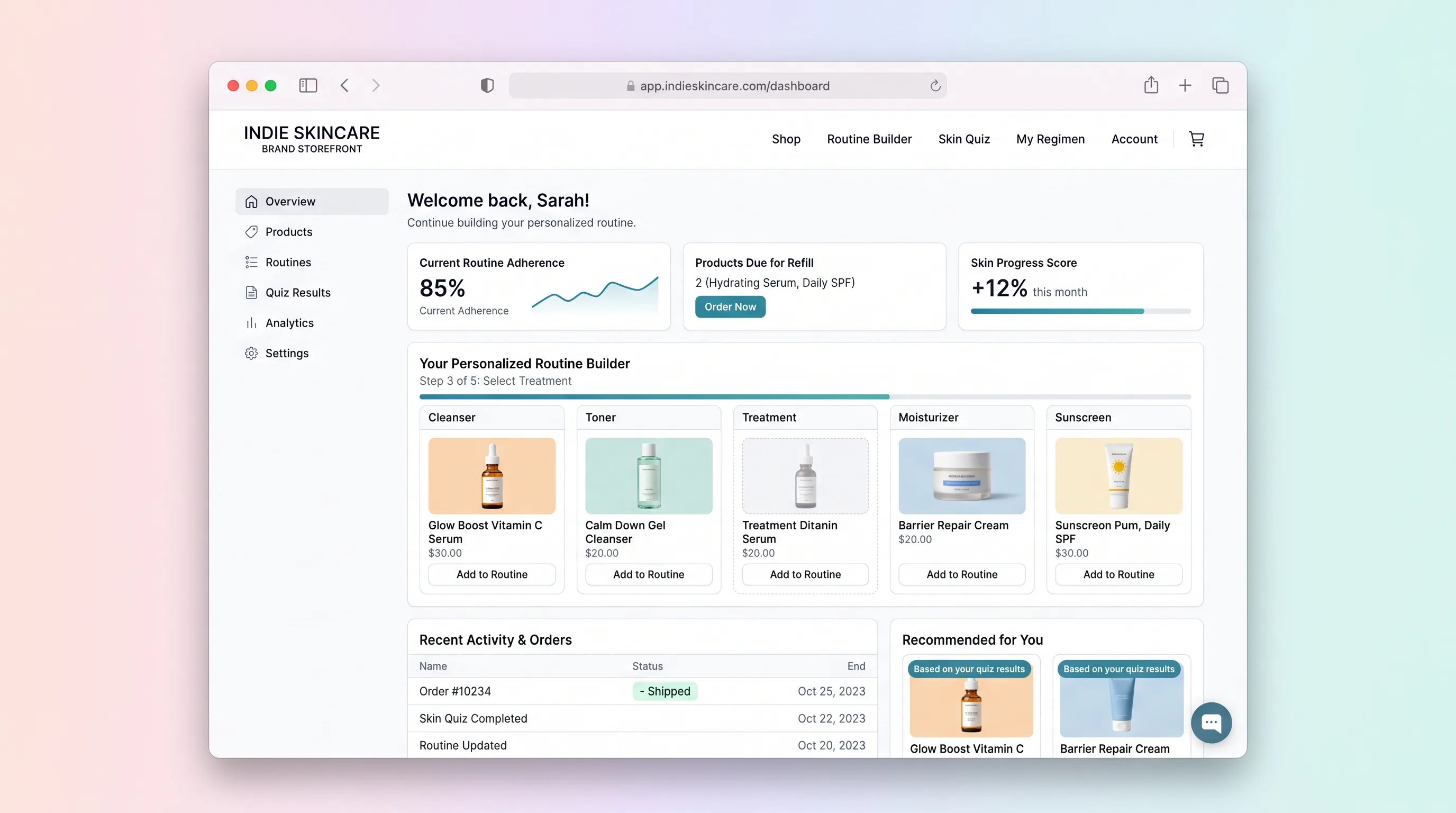
A quiz-led skincare shop that assembles an explainable morning and evening routine from the live catalog, then lets the shopper edit the kit before checkout.
EcommerceBeauty & Fashion
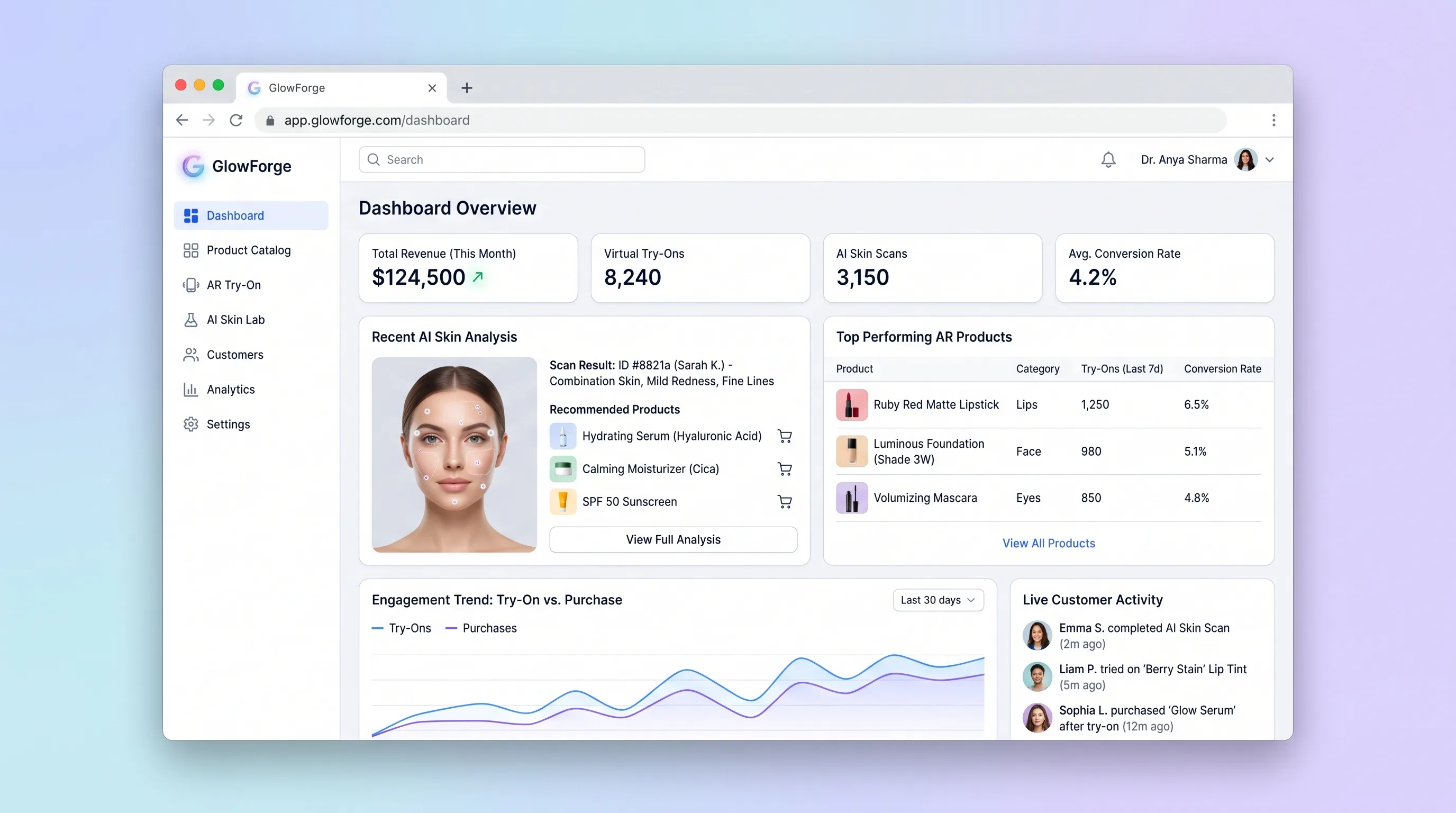
A direct beauty storefront that previews selected shades on-camera and turns an optional cosmetic skin scan into reviewable product suggestions.
EcommerceBeauty & Fashion
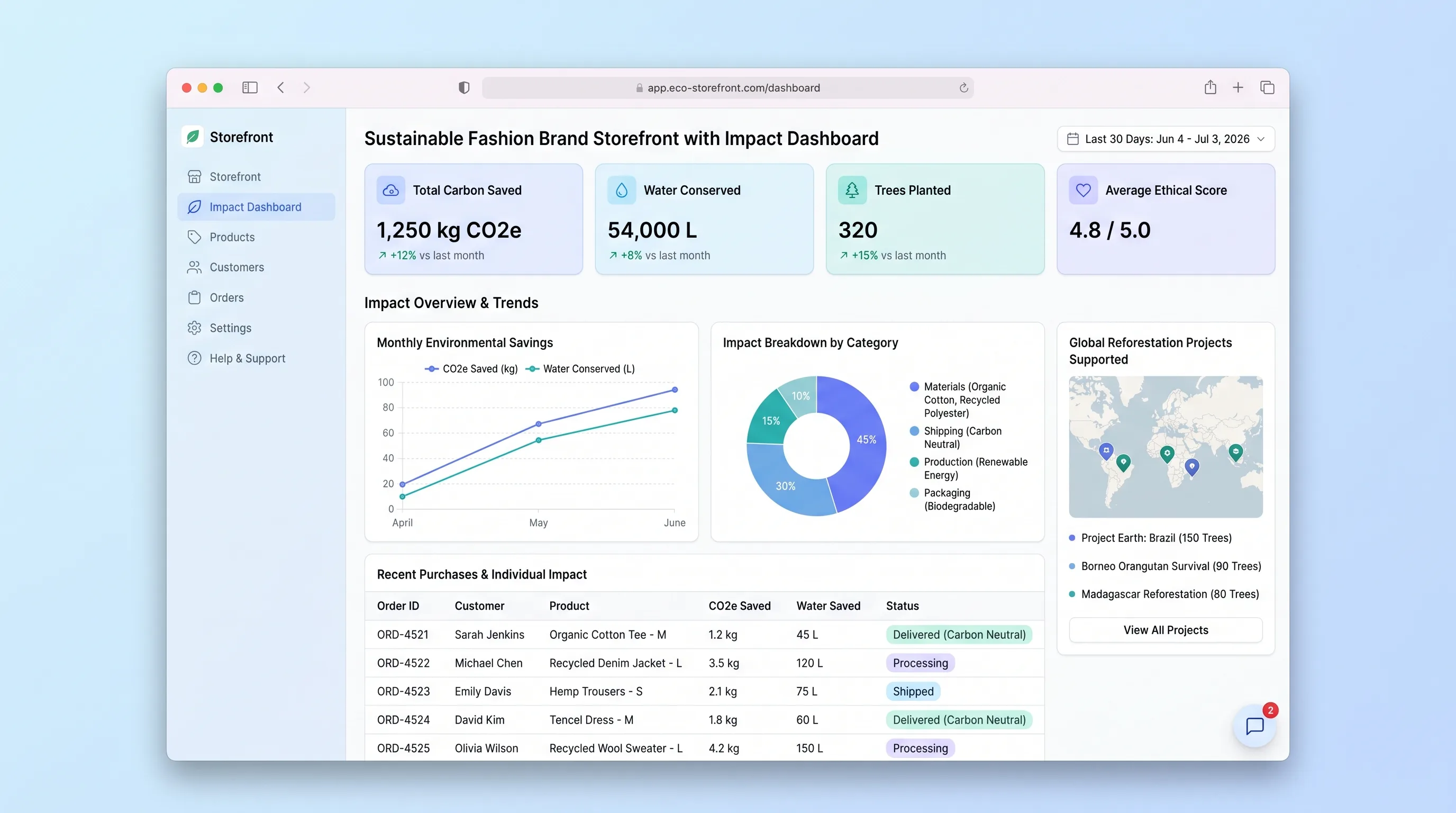
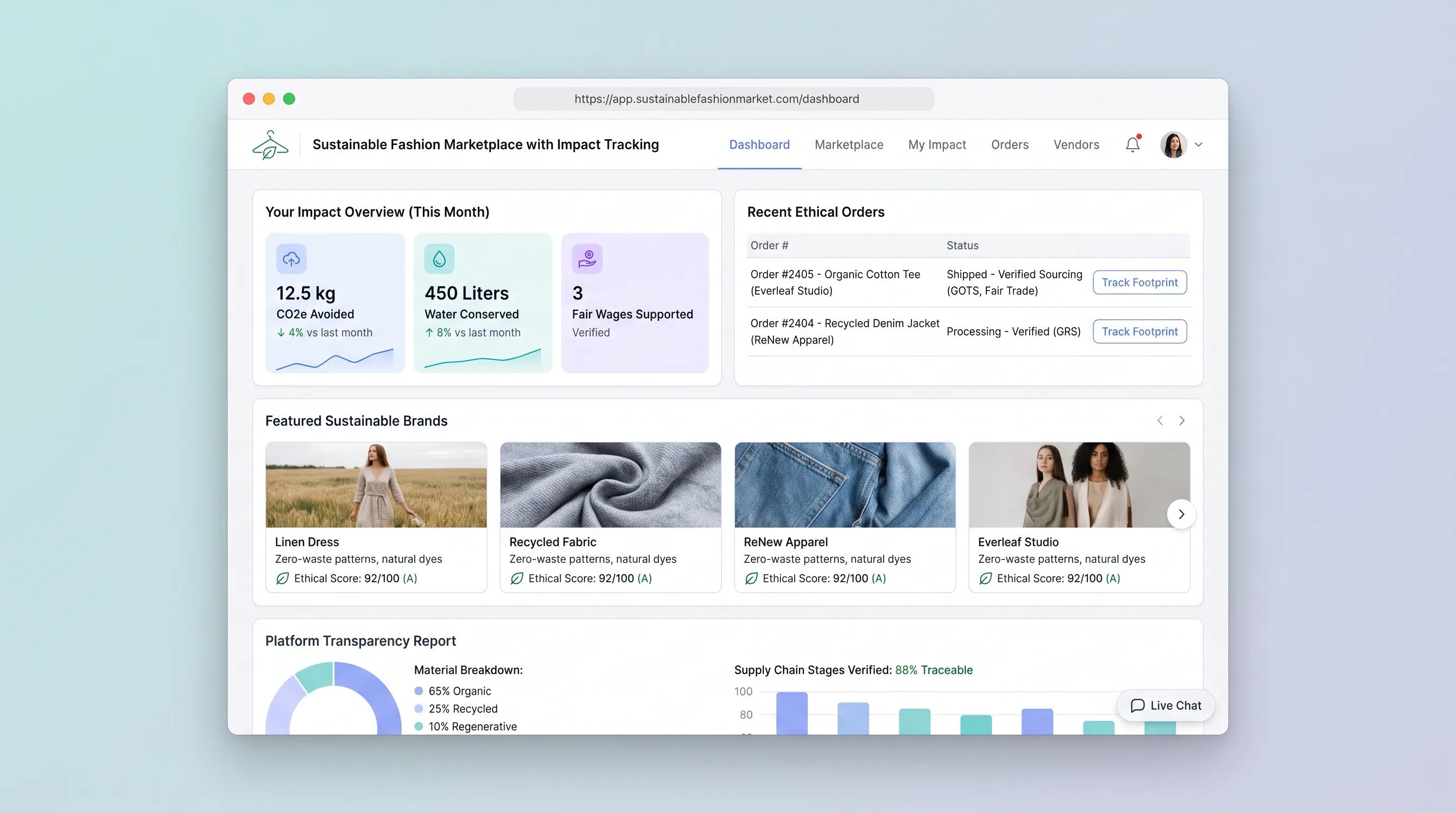
A conscious fashion storefront where shoppers browse curated eco collections, complete checkout, and then see their personal environmental impact dashboard accumulate CO2 saved, water conserved, and waste diverted across every order.
EcommerceBeauty & Fashion
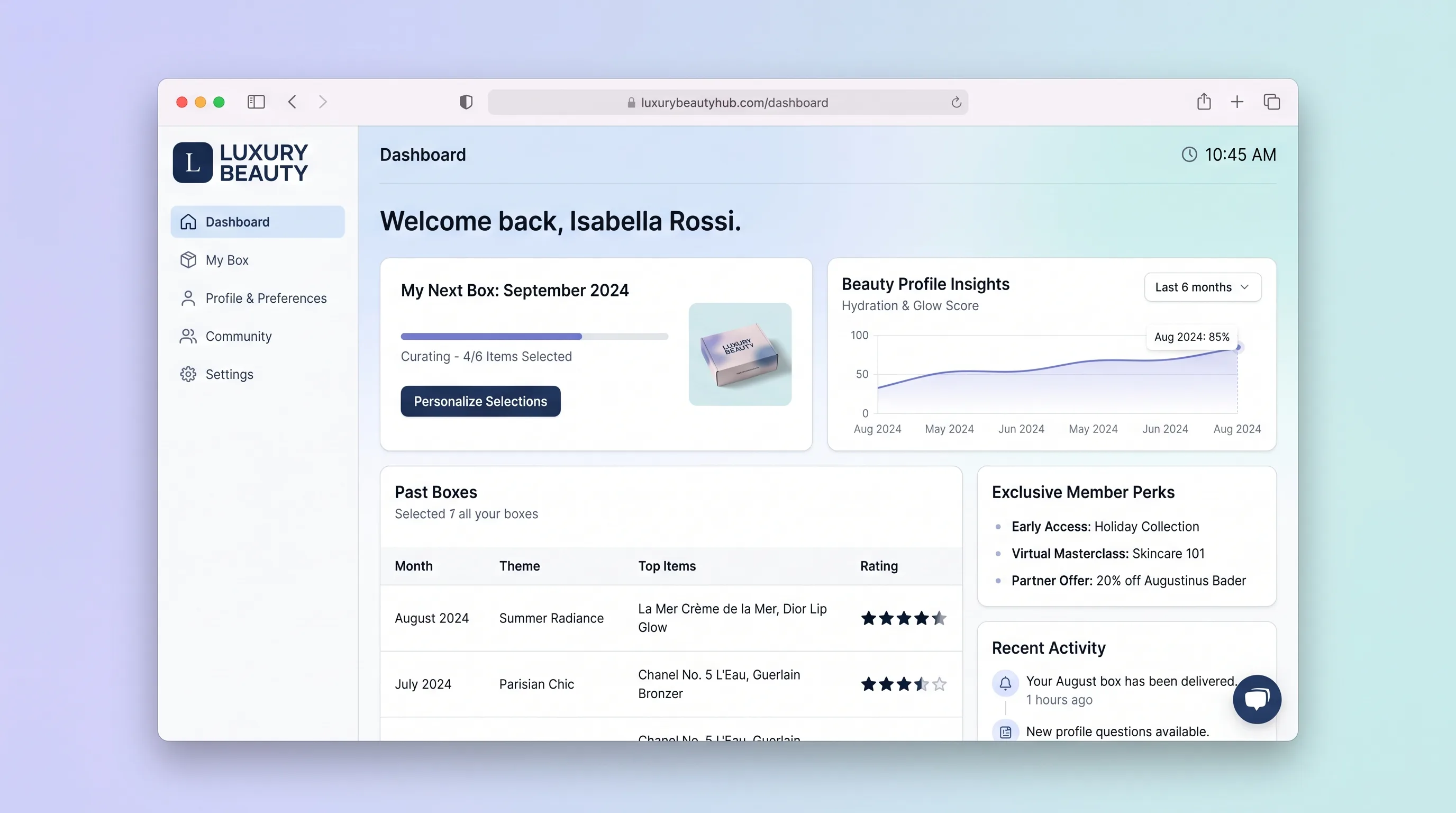
A premium beauty subscription platform where members complete a beauty quiz, personalize their monthly box, rate received products, shop full sizes, and manage their subscription in one curated hub.
MarketplaceBeauty & Fashion
A curated storefront where independent fashion brands publish product evidence and shoppers compare item-level impact details before purchasing.
EcommerceFood & Beverage
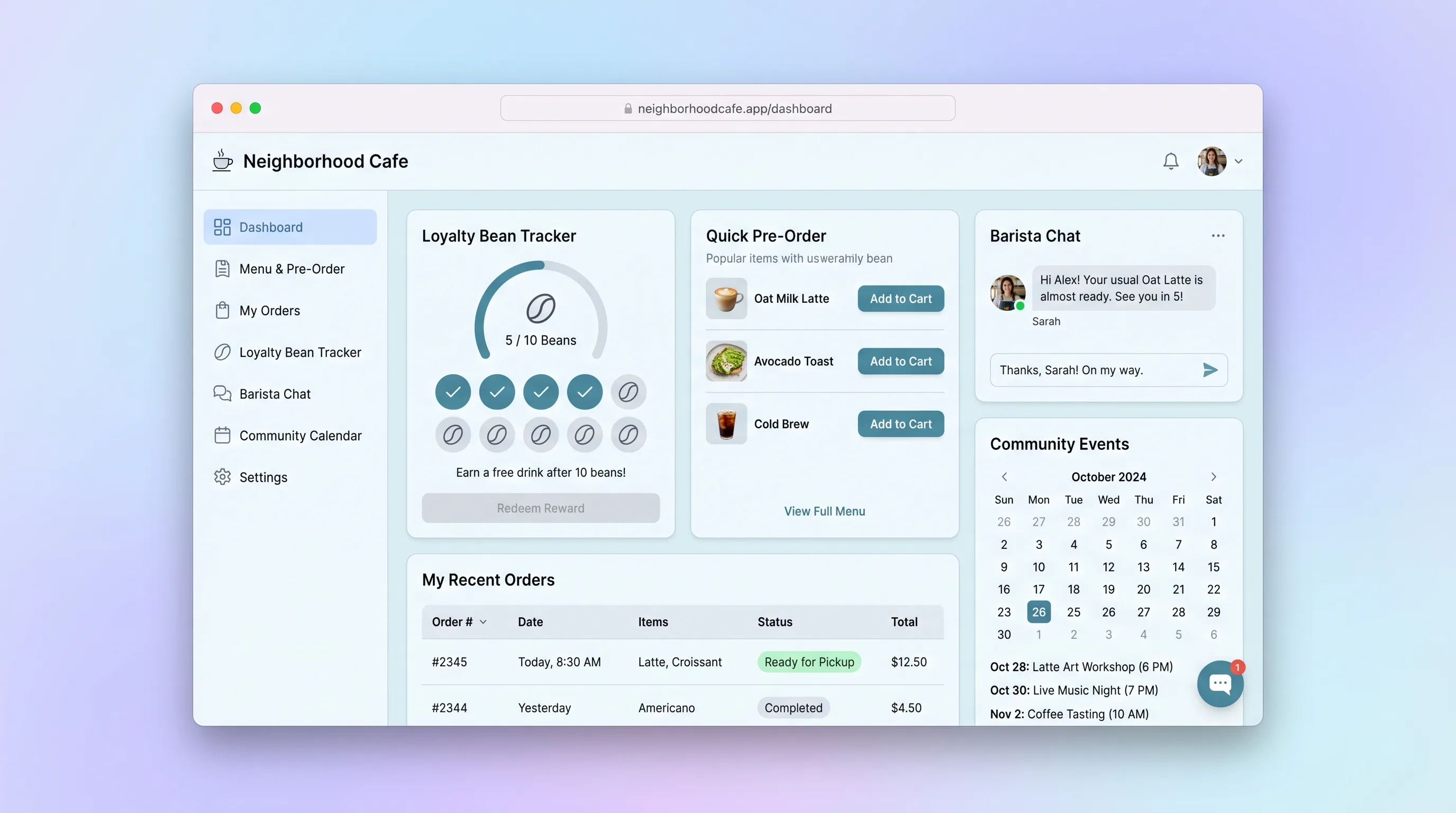
A single-cafe mobile ordering flow that gives customers reliable pickup timing while staff manage preparation and award loyalty beans after collection.