Build this if
The target users accept guided photo requirements and value convenient, consistent professional portraits enough to buy credits.
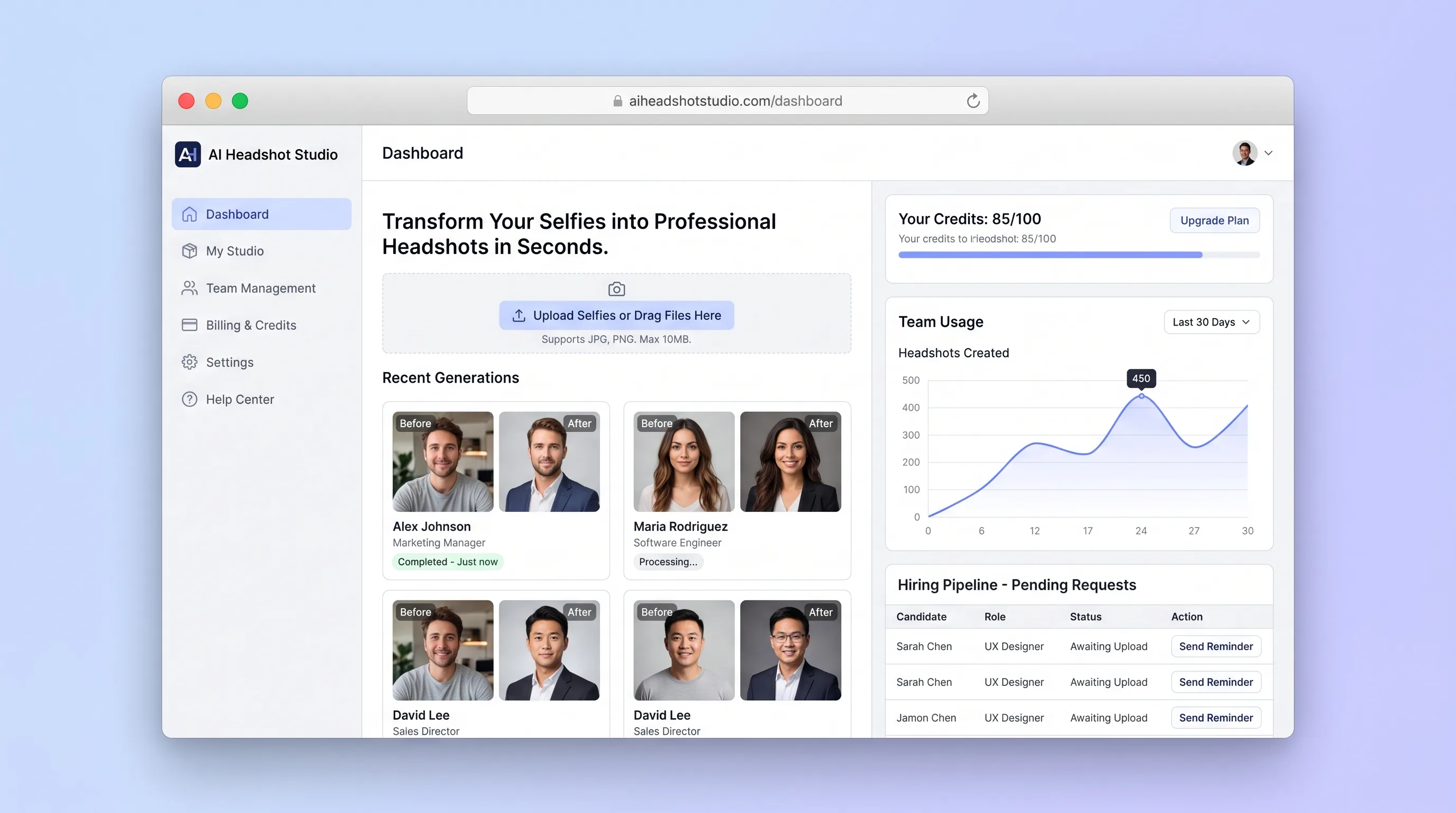
A guided portrait studio that validates source selfies, generates consistent professional headshots, and lets individuals or team admins manage favorites and credits.
Decision snapshot
The target users accept guided photo requirements and value convenient, consistent professional portraits enough to buy credits.
The product depends on identity deception, guaranteed likeness, or custom model training before demand is tested.
Run consented sessions with 20 professionals and verify upload completion, usable-favorite rate, refund frequency, and full deletion behavior.
Problem and target customer
Professionals need current profile photos, while distributed teams struggle to collect portraits with a consistent standard. Traditional shoots require scheduling and coordination; generic image tools give users little guidance on inputs, consent, or recoverable generation failures.
Individuals refreshing professional profiles and small HR or recruiting teams coordinating headshots for a distributed workforce.
Prepaid image credits for individuals, with team credit packs and administrator controls.
Editorial note
The defensible first product is the session system around image generation: consent, input guidance, private storage, recoverable jobs, and credits. The model itself should remain replaceable until output quality and unit economics are measured.
Team administration needs a privacy boundary. An HR coordinator may invite people and see completion, but that role does not require access to a member's selfies or rejected portraits.
Validate usable favorites and deletion behavior, not promises of instant perfection. Partial batches, poor inputs, provider timeouts, and expired media are normal product states that must be visible and financially correct.
Choose your next step
Evaluate the operating tradeoffs quickly, or inspect how to build the MVP.
Compare the three operating paths at the default workload before opening the full calculator.
See cost preview Build this ideaInspect the build blueprintReview MVP scope, workflow, states, data rules, architecture, and acceptance criteria.
Open blueprintEvaluation preview
Directional infrastructure estimates for the current 1,000 generated headshots assumption. Open the full calculator when you are ready to change it.
Managed web, database, queue, and callback services; model compute remains external.
Lowest operating effortOne operator-managed server runs the application and jobs without local GPU inference.
Lowest baseline costSeparate app, database, and worker capacity for larger team batches.
Most separation and controlBuild blueprint
Product goal
MVP scope
UX and user flow
Explain consent, photo requirements, expected output count, and credit use.
Show accepted and rejected selfies with actionable quality reasons.
Choose a restrained portrait style and confirm the number of outputs and reserved credits.
Track job progress and compare completed headshots privately.
Invite members, allocate credits, and view session completion without exposing their selfies.
Core entity outline
The consent, style, ownership, and lifecycle boundary for one portrait batch.
A private selfie plus validation results, never a public gallery asset.
One model output and its delivery status.
A credit pool and invitation boundary for coordinated sessions.
Append-only record of purchases, reservations, consumption, releases, and adjustments.
Architecture and data flow
Guide consent, upload, style choice, progress, gallery review, and team administration.
Issue signed upload URLs, inspect metadata, run quality checks, and quarantine rejected files.
Reserve credits, submit image jobs, verify callbacks, copy outputs to private storage, and finalize the ledger.
Store session state, validations, jobs, invitations, favorites, and credit movements.
Keep source and output bytes behind short-lived signed URLs and retention jobs.
Deliverables and acceptance
Recommended stack
Deliver a mobile-friendly upload and comparison flow plus a compact team console.
Keep session ownership, job transitions, invitations, favorites, and the credit ledger transactional.
Store large private image objects with signed access and explicit lifecycle deletion.
Control image-provider concurrency, callbacks, retries, and partial completion.
Start with a replaceable pay-per-output provider instead of operating dedicated GPU infrastructure.
The MVP's hard parts are private media handling, asynchronous jobs, and correct credits. A provider adapter avoids custom training while the application owns consent, validation, access control, and failure recovery.
Copy the build prompt, model the operating cost, and choose where to deploy.
Execution
Once the blueprint is clear, use the prompt, cost model, and deployment options to start building.
Build prompt
Build a Next.js application with PostgreSQL, R2-compatible object storage, a durable generation queue, and a replaceable image-model adapter. Never expose source photos publicly.
Build prompt
Open the prompt pack whenever you are ready to take this blueprint into your builder.
Build prompt ready
Copy the prompt into your builder, then use the cost model below to choose how you want to run it.
Use the cost model to choose a deployment path that matches the build plan.
Cost calculator
A technical run-cost estimate for the first production version. Team, acquisition, payment fees, and business COGS are excluded.
$30-$120 per 1,000 generated headshots
Low and high values allow for usage variance and plan headroom.
Managed web, database, queue, and callback services; model compute remains external.
5K generated headshots included, then $5-$15 per 5K generated headshotsPay-per-output image inference; actual portrait-capable model cost must be confirmed before launch.
0 included, then $0.03-$0.09 per 1 generated headshotSource and output storage within the beta retention window and operation allowance.
Monthly allowance from this idea's operating profileTeam invitations and portrait completion notices approximated against generated-output volume.
3K generated headshots includedThe estimate combines the selected infrastructure path, required operating modules, selected optional modules, and usage above included monthly allowances. Taxes and regional uplifts are excluded.
Deployment options
Choose based on operating preference, not only the headline price.
Host the app, database, Redis, and callback worker while image compute remains pay per output.
Image-generation and storage charges remain external and workload-dependent.
Run the app, worker, and database on one small Vultr VPS with Docker Compose and explicit backups.
The operator must secure uploads, monitor jobs, and test backups.
Separate application, worker, data, storage, and backup responsibilities as the workload grows.
It adds operations without reducing model API cost.
Start building
Use Lovable to validate the upload checklist, style selection, generation progress, comparison gallery, and team credit views before connecting a model.
Open Lovable 02AutomationNotify people when portraits are readyUse Make as optional glue for team reminders or completion notices; keep photo processing and credit rules inside the application.
Open Make 03DeployDeploy the session and job servicesRun the web app, database, queue, and signed model callbacks on Railway while keeping original and generated images in object storage.
Open RailwayKeep exploring
AI ToolSales & Marketing
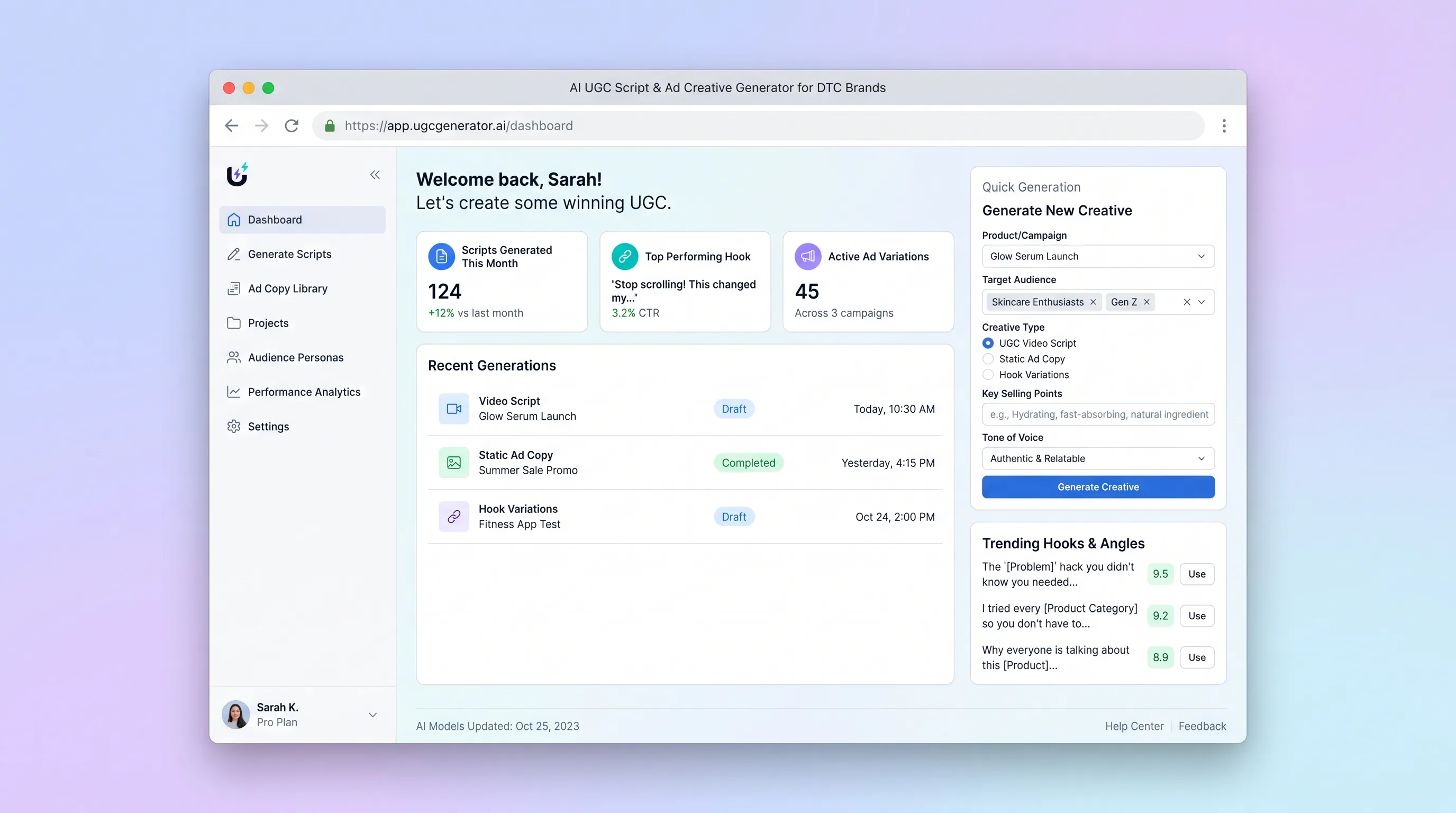
A brand-safe creative workspace that transforms approved product facts and audience personas into editable UGC scripts, hooks, static copy, and creator briefs.
AI ToolBusiness Operations
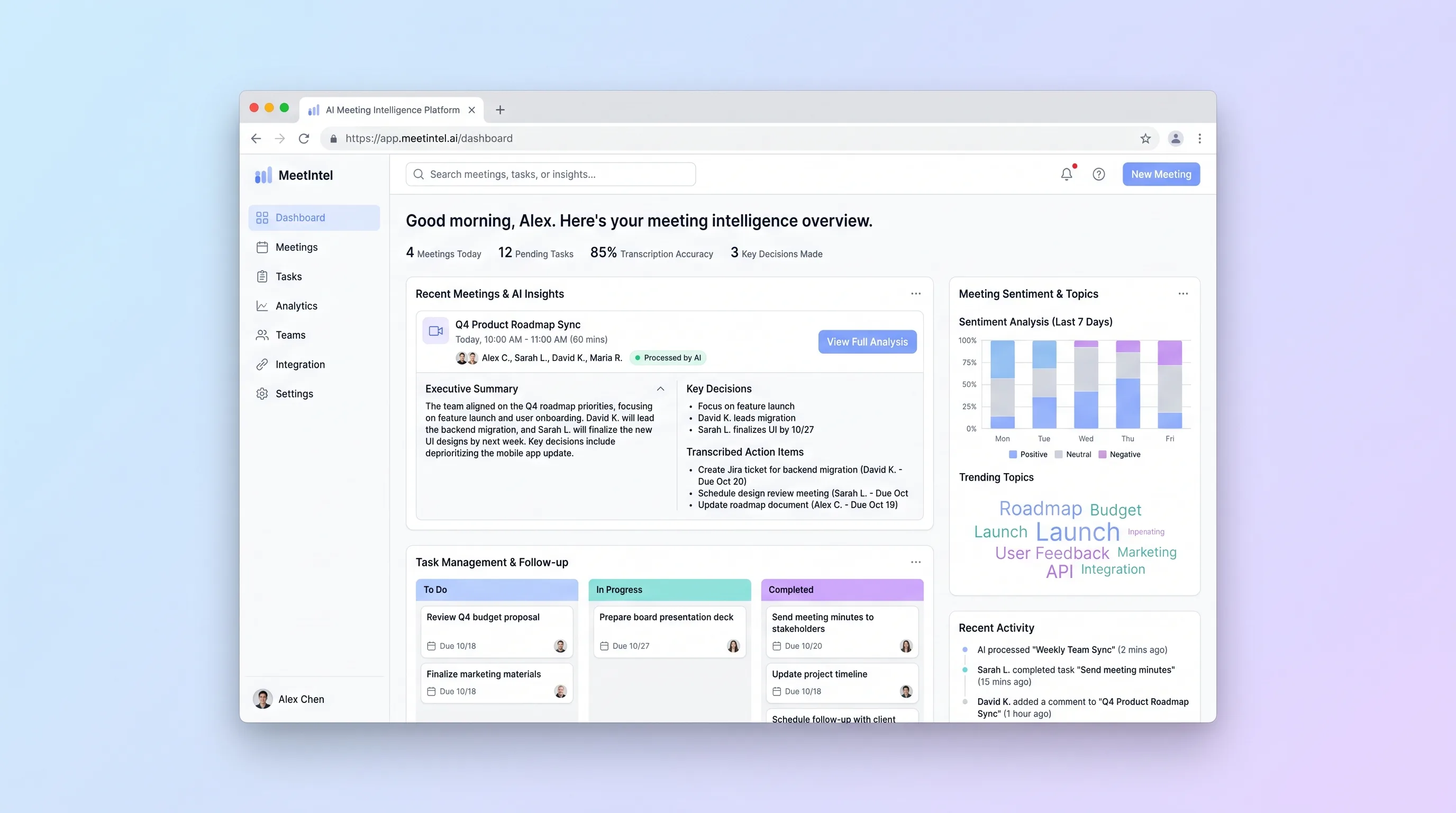
An upload-first processor for teams that need a dependable transcript, editable call summary, and assignable actions from a recorded video meeting.
AI ToolCreator Economy & Media
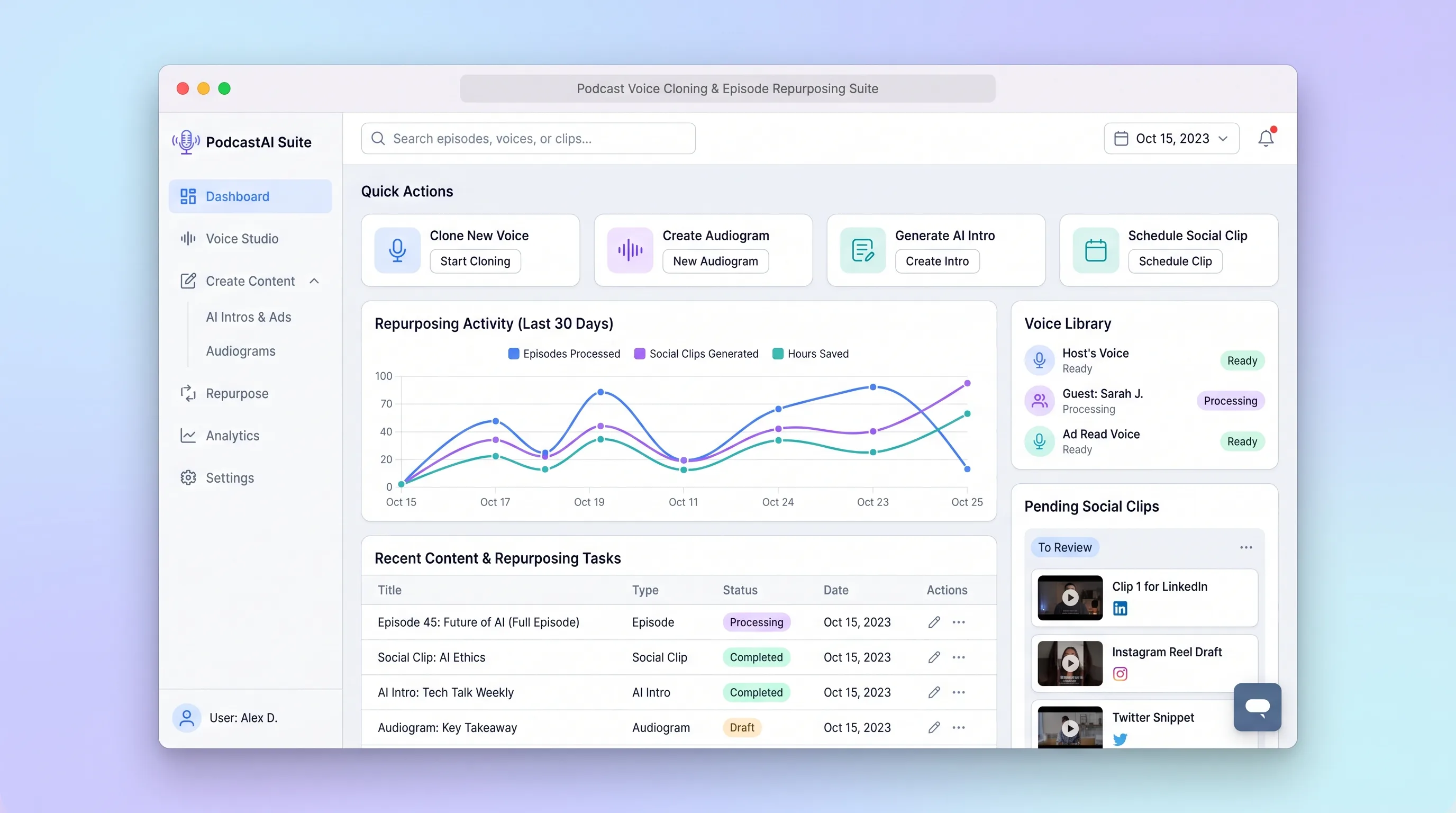
A production workspace for podcasters to transcribe an episode, create consented voice assets, select clip moments, and review channel-ready copy in one run.
AI ToolBusiness Operations
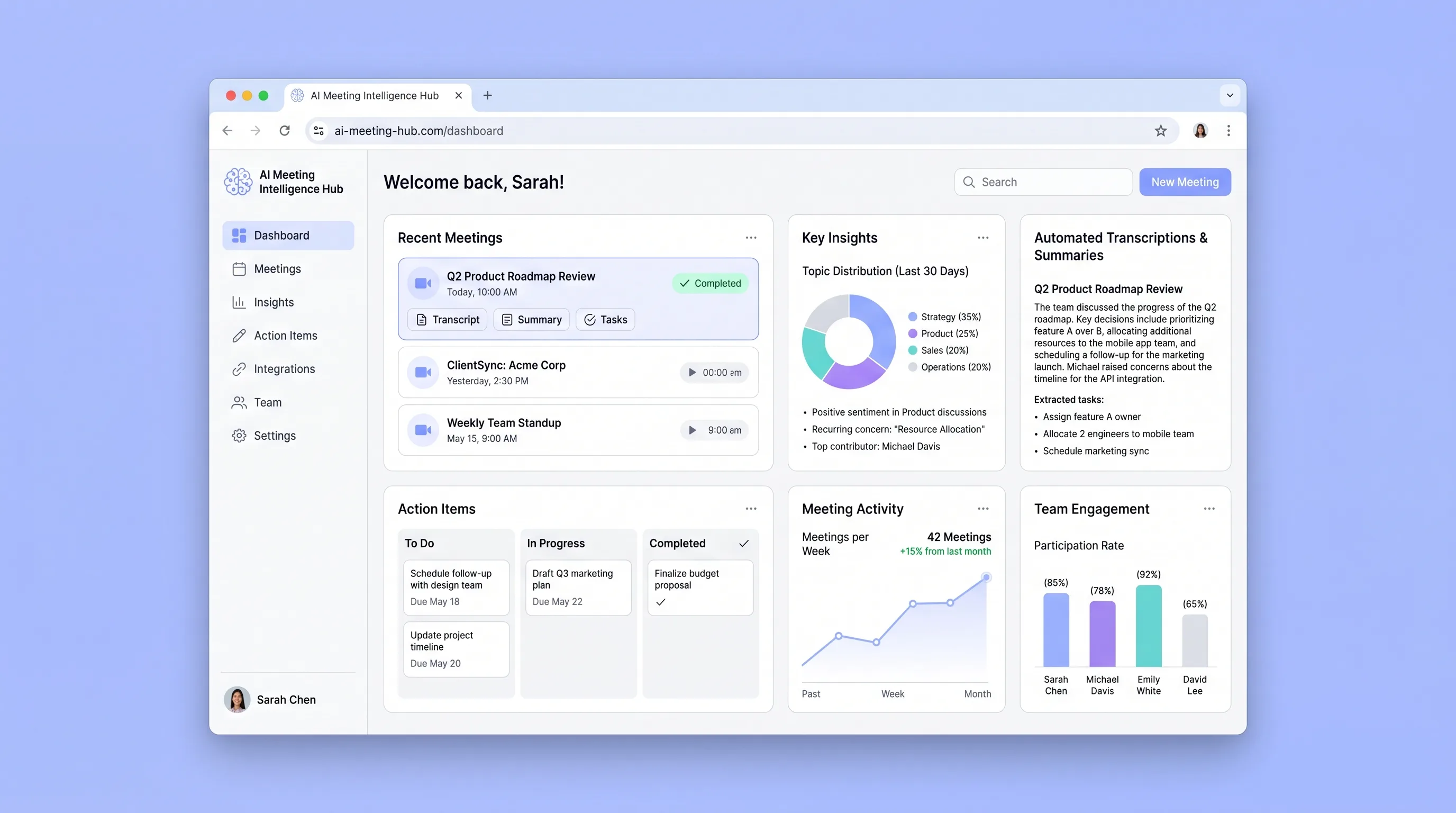
A connected team library that turns recurring meetings into searchable transcripts, cited summaries, and action items with clear ownership.
AI ToolProfessional Services
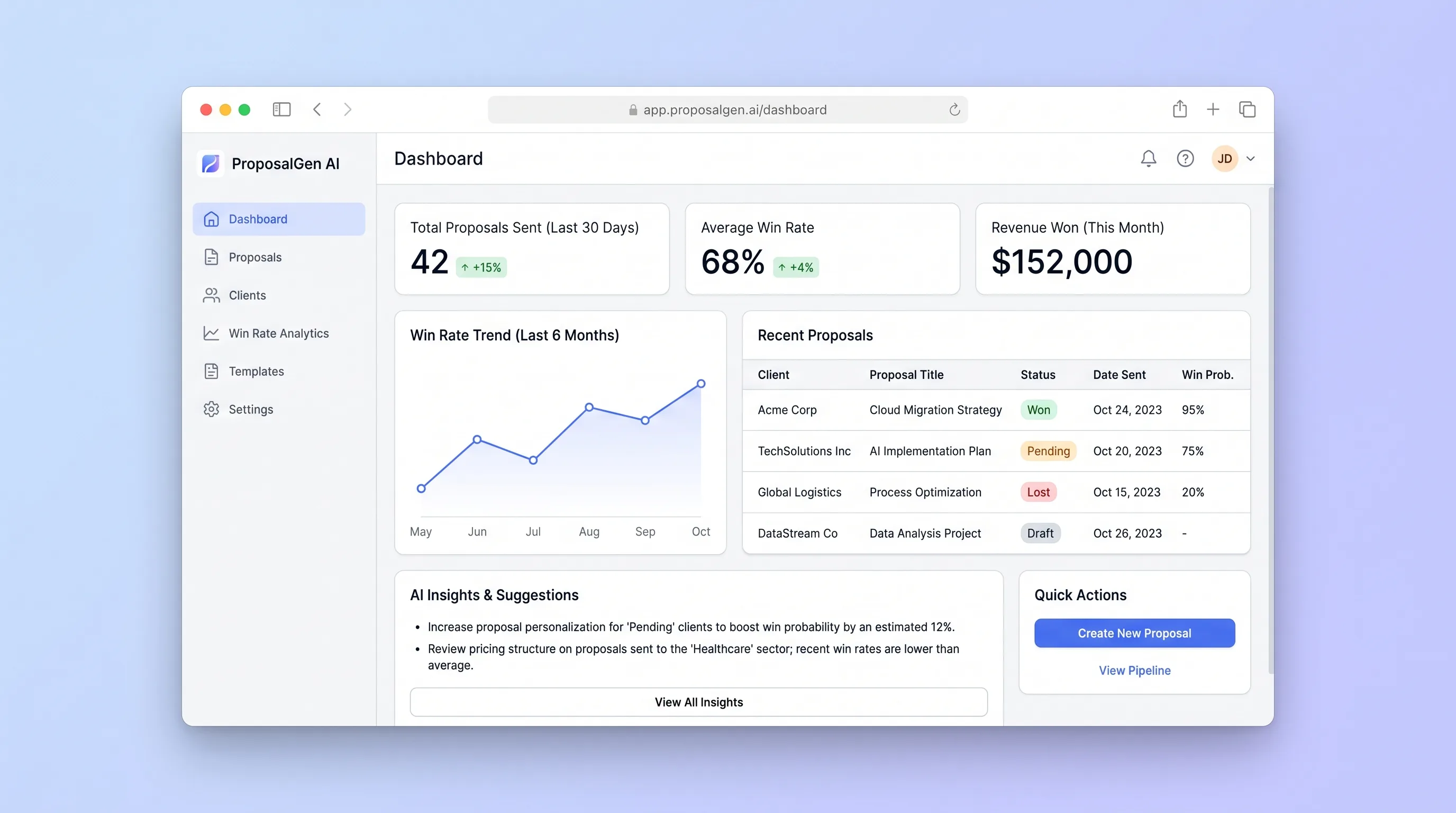
A consultant workspace for turning structured discovery notes into an editable proposal, sending a versioned client link, and learning from accepted or lost outcomes.
AI ToolSales & Marketing
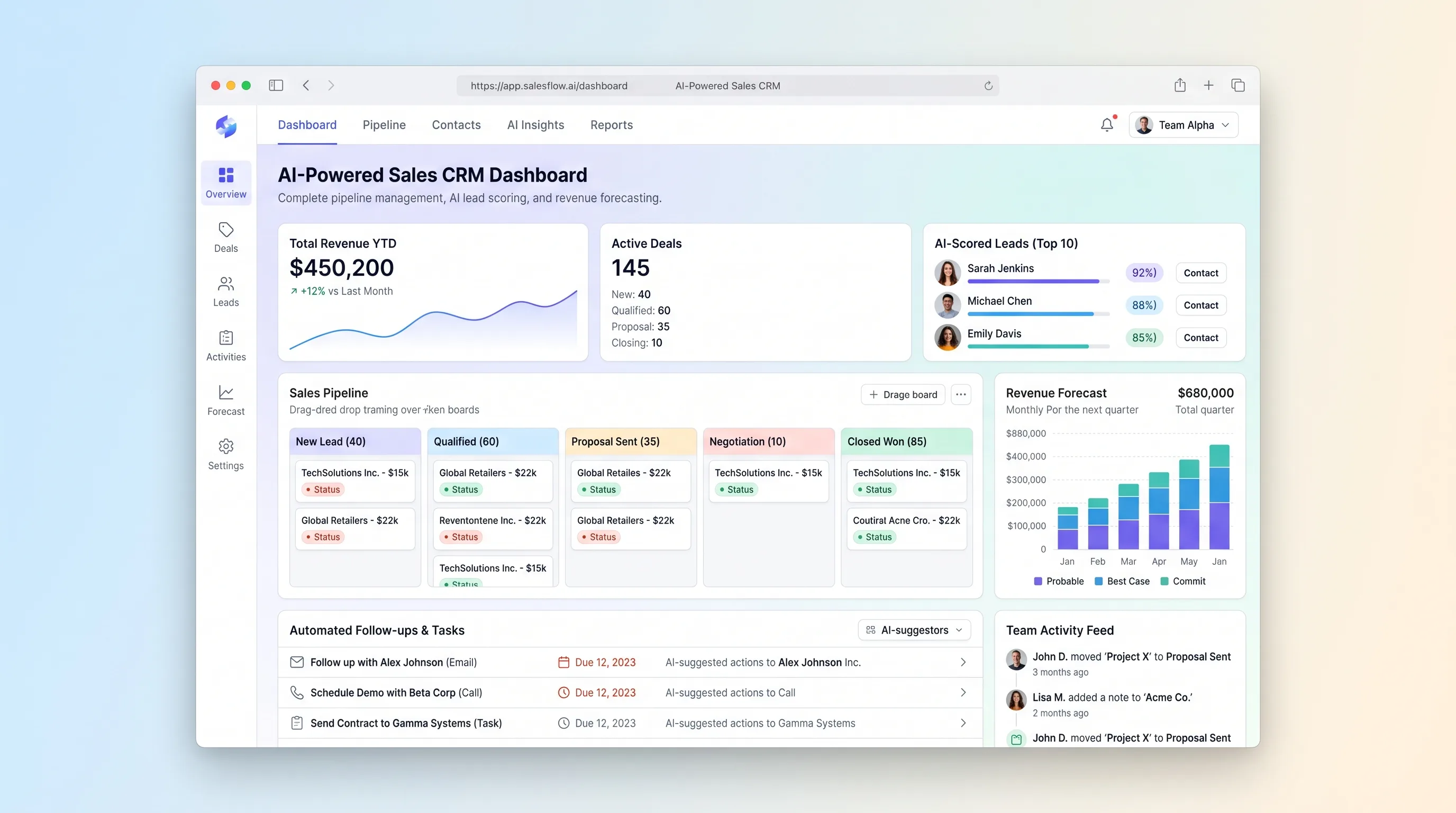
A focused sales pipeline that explains lead priority, flags stalled deals, drafts the next follow-up, and rolls qualified opportunities into a transparent forecast.