Build this if
A team has recurring calls, keeps recordings, and will confirm decisions and ownership in a shared library.
A connected team library that turns recurring meetings into searchable transcripts, cited summaries, and action items with clear ownership.
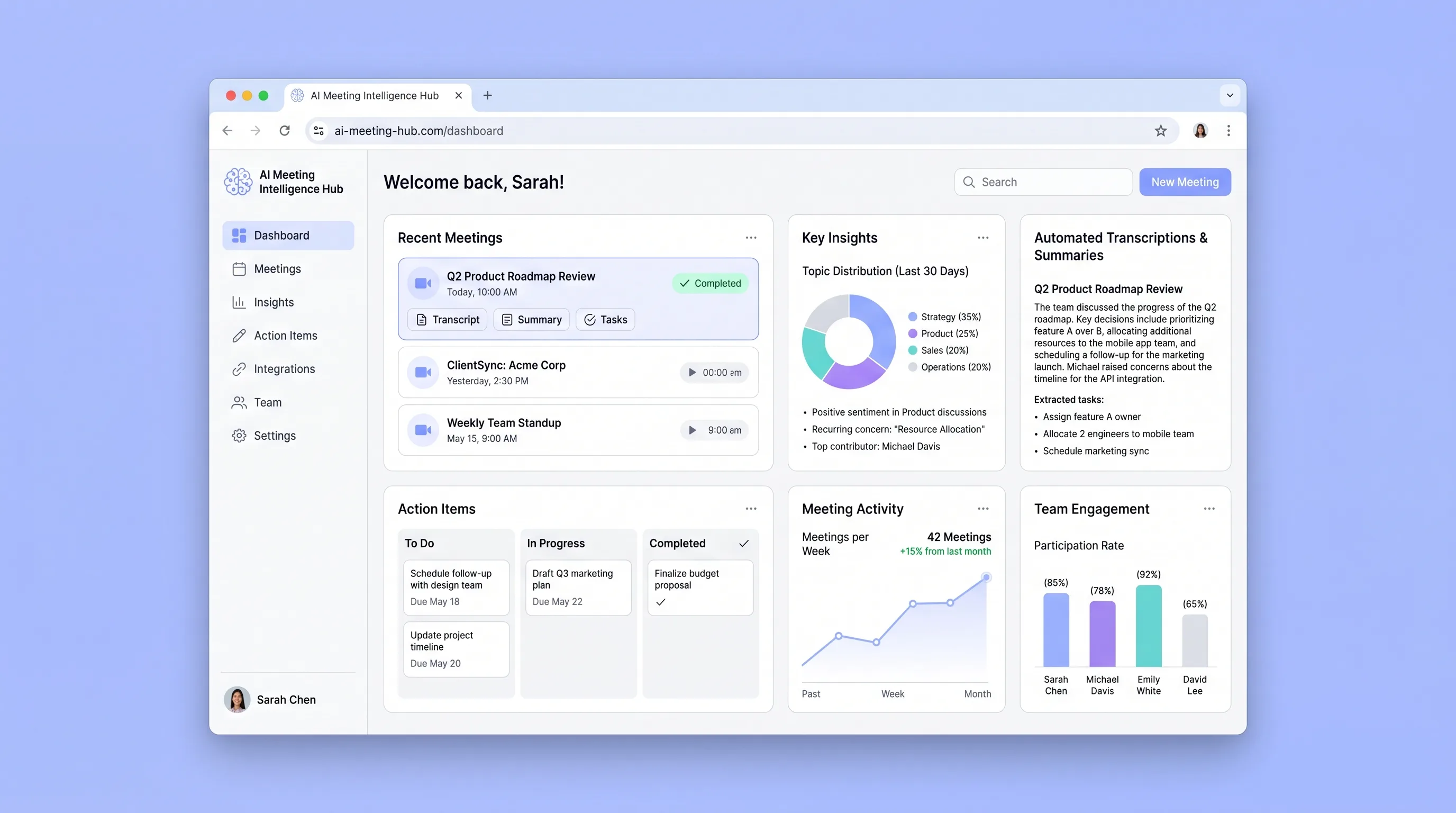
Decision snapshot
A team has recurring calls, keeps recordings, and will confirm decisions and ownership in a shared library.
The primary demand is live meeting participation, employee surveillance, or unreviewed automatic task creation.
Process 25 consented recurring meetings and verify search success, citation validity, action correction rate, and weekly completion of confirmed assignments.
Problem and target customer
Recurring meetings produce decisions and assignments that disappear into recordings or personal notes. Team members cannot reliably find what was agreed, and action items lose owners and due dates once the call ends.
Remote product and operations teams that hold recurring meetings and need a shared, searchable record of decisions and follow-through.
Monthly workspace subscription with included meeting minutes and usage-based overage.
Editorial note
The hub is organized around recurring team memory, not one-off file conversion. Calendar series provide the navigation boundary, while transcript timestamps provide the evidence boundary for every generated claim.
Task extraction is incomplete until a participant confirms the wording, owner, and due date. Keeping draft and confirmed states separate prevents polished model output from silently becoming an assignment.
The strongest beta signal is whether people can retrieve a decision and close confirmed work across several meetings. Live attendance, coaching, and broad calendar capture can wait until that shared-memory behavior is proven.
Choose your next step
Evaluate the operating tradeoffs quickly, or inspect how to build the MVP.
Compare the three operating paths at the default workload before opening the full calculator.
See cost preview Build this ideaInspect the build blueprintReview MVP scope, workflow, states, data rules, architecture, and acceptance criteria.
Open blueprintEvaluation preview
Directional infrastructure estimates for the current 10,000 meeting minutes assumption. Open the full calculator when you are ready to change it.
Managed app, database, queue, and workers for recurring meeting ingestion and review.
Lowest operating effortOne operator-managed server runs the application and job pipeline.
Lowest baseline costSeparate web, database, and worker capacity for concurrent recurring meetings.
Most separation and controlBuild blueprint
Product goal
MVP scope
UX and user flow
List recurring series and processed occurrences with search and status.
Show upload, transcription, and insight progress with retryable failures.
Pair recording playback and timestamped transcript with cited summary and decisions.
Let participants assign, confirm, filter, and complete extracted work.
Return relevant transcript segments and confirmed artifacts across selected series.
Core entity outline
An opted-in recurring calendar series and its workspace access boundary.
One scheduled call and its processing lifecycle.
The versioned transcription result for an occurrence.
Searchable speech text with time and speaker boundaries.
A summary point, decision, or action with evidence and review state.
Architecture and data flow
Handle library, upload, transcript review, evidence navigation, action board, and search.
Sync only opted-in series and map external events to occurrences.
Validate recordings, submit transcription, normalize speaker segments, and expose stage failures.
Generate structured artifacts from transcript segments and validate same-meeting citations.
Store meeting state, segments, evidence links, review changes, and scoped search vectors or full-text terms.
Deliverables and acceptance
Recommended stack
A reviewable workspace for turning operational records, AI assistance, and human decisions into a repeatable workflow.
Combine media review, transcript navigation, actions, and search in one responsive workspace.
Keep access boundaries, segments, citations, and action states together before adding a separate search engine.
Separate upload, transcription, extraction, and retry stages.
Provide timed speaker segments with usage tied directly to processed audio.
Return structured decisions and actions with segment IDs that can be validated.
Keep recordings private with lifecycle deletion and signed playback.
Recurring-series context and cross-meeting retrieval distinguish this hub from a one-off summarizer. The design preserves timestamps through separate transcription and insight stages so every generated artifact remains reviewable.
Copy the build prompt, model the operating cost, and choose where to deploy.
Execution
Once the blueprint is clear, use the prompt, cost model, and deployment options to start building.
Build prompt
Build a Next.js workspace with PostgreSQL, calendar OAuth, private media storage, and separate transcription and insight workers. Preserve timestamps from transcript through summary and action review.
Build prompt
Open the prompt pack whenever you are ready to take this blueprint into your builder.
Build prompt ready
Copy the prompt into your builder, then use the cost model below to choose how you want to run it.
Use the cost model to choose a deployment path that matches the build plan.
Cost calculator
A technical run-cost estimate for the first production version. Team, acquisition, payment fees, and business COGS are excluded.
$3.28-$7.3 per 1,000 meeting minutes
Low and high values allow for usage variance and plan headroom.
Managed app, database, queue, and workers for recurring meeting ingestion and review.
20K meeting minutes included, then $5-$15 per 20K meeting minutesPre-recorded speech-to-text with speaker diarization, billed here per 60 processed minutes.
0 included, then $0.15-$0.23 per 60 meeting minutesTranscript text and structured summary, decision, and action output per processed minute.
10K meeting minutes x 250 input + 40 output tokensPrivate recording retention and object operations for the beta workload.
Monthly allowance from this idea's operating profileThe estimate combines the selected infrastructure path, required operating modules, selected optional modules, and usage above included monthly allowances. Taxes and regional uplifts are excluded.
Deployment options
Choose based on operating preference, not only the headline price.
Host the application, database, Redis, and staged workers with a small operational footprint.
Worker and media activity can move spend beyond the plan minimum.
Run the app, worker, and database on one small Vultr VPS with Docker Compose and explicit backups.
Queue durability, backups, monitoring, and security updates are self-managed.
Separate application, worker, data, storage, and backup responsibilities as the workload grows.
More components increase operational work without replacing external transcription costs.
Start building
Use Lovable to test calendar setup, meeting processing, transcript navigation, evidence-linked summaries, action ownership, and cross-meeting search.
Open Lovable 02AutomationHandoff approved actionsUse Make after validation to copy confirmed action items into an existing task tool; generation and human approval remain inside the hub.
Open Make 03DeployRun ingestion and processing workersDeploy the web API, database, queue, and workers on Railway while recordings stay in private object storage.
Open RailwayKeep exploring
AI ToolBusiness Operations
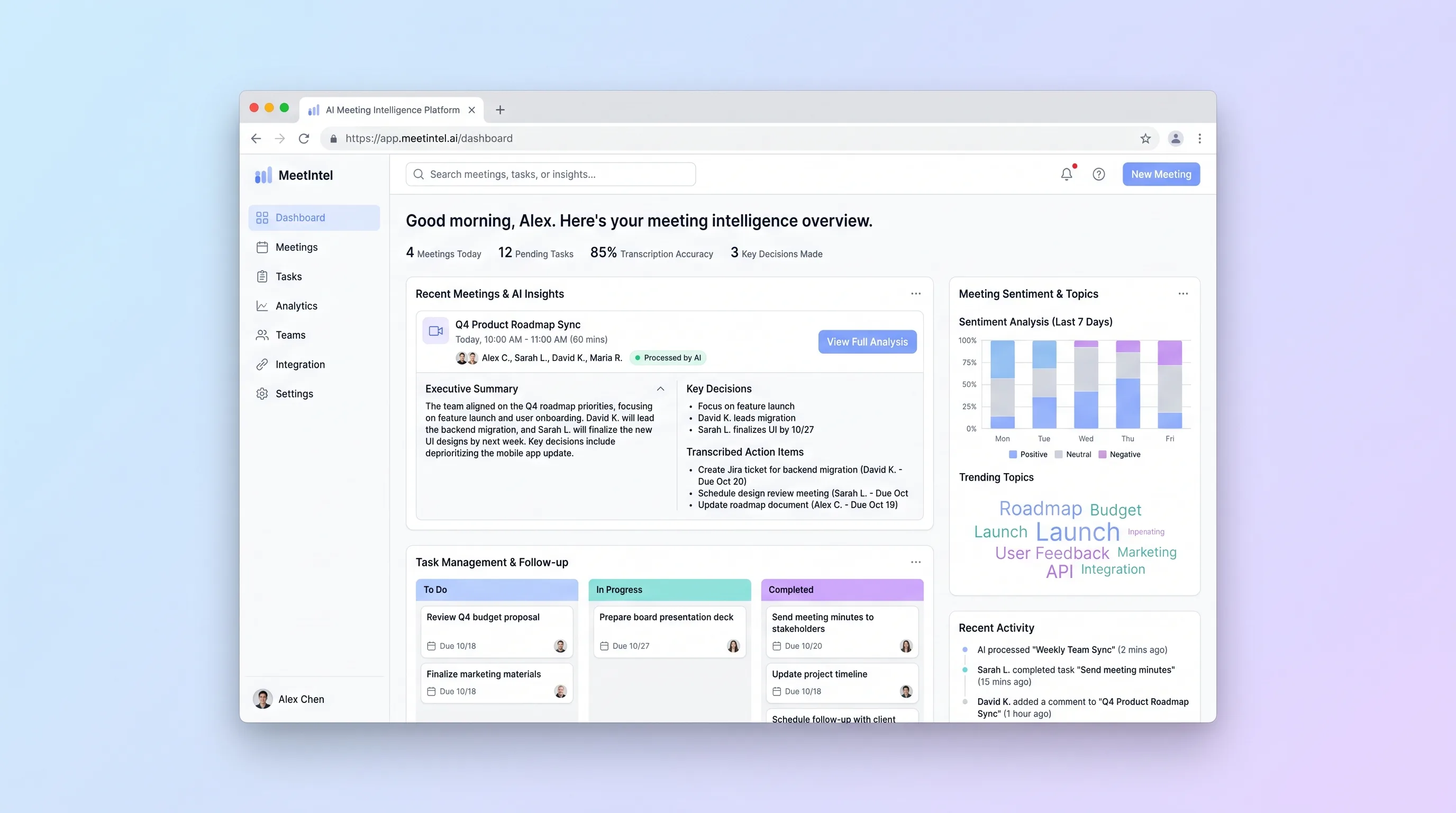
An upload-first processor for teams that need a dependable transcript, editable call summary, and assignable actions from a recorded video meeting.
AI ToolProfessional Services
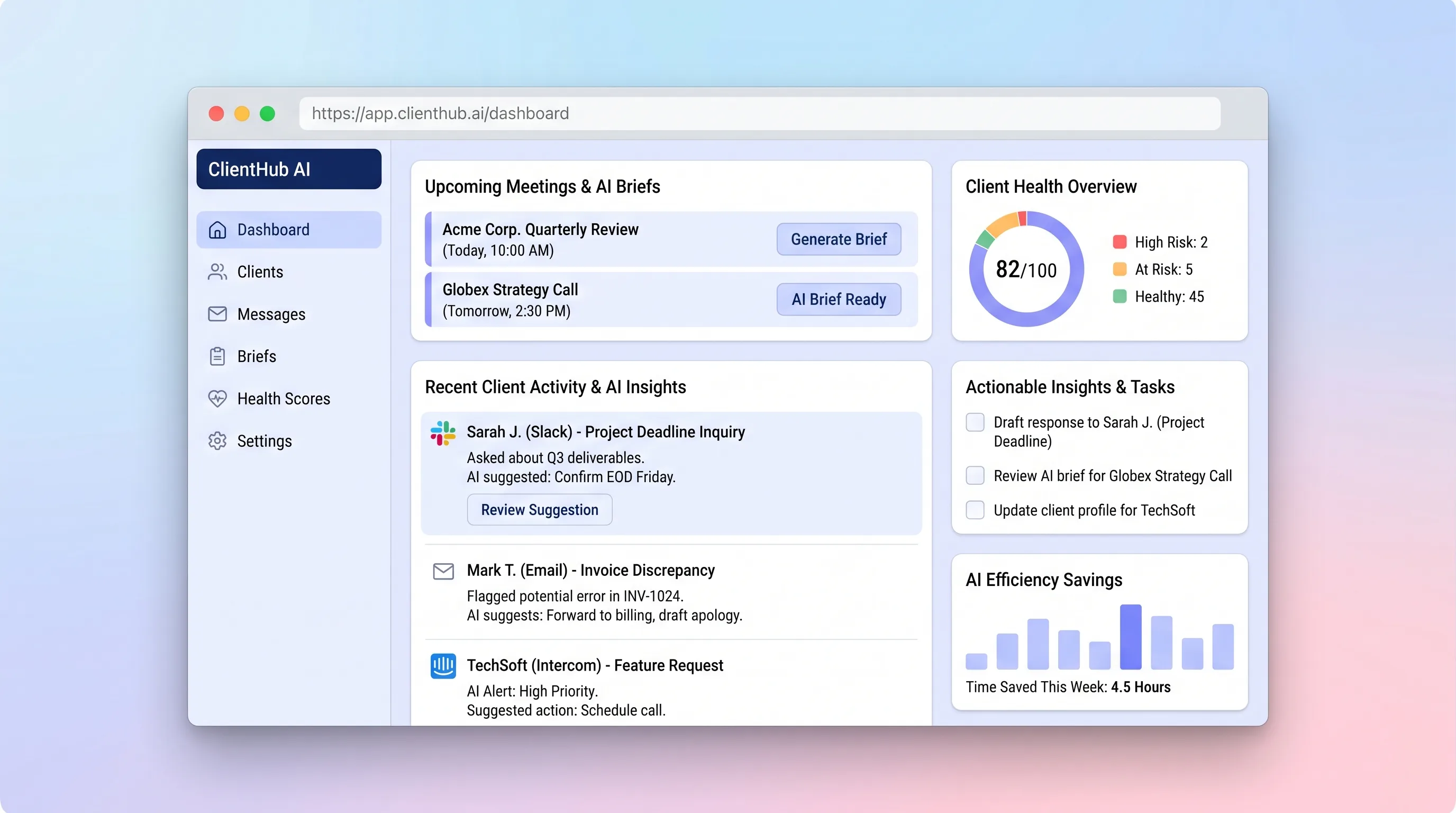
A shared client timeline that turns recent messages, decisions, and open commitments into an editable brief before the next conversation.
AI ToolBusiness Operations
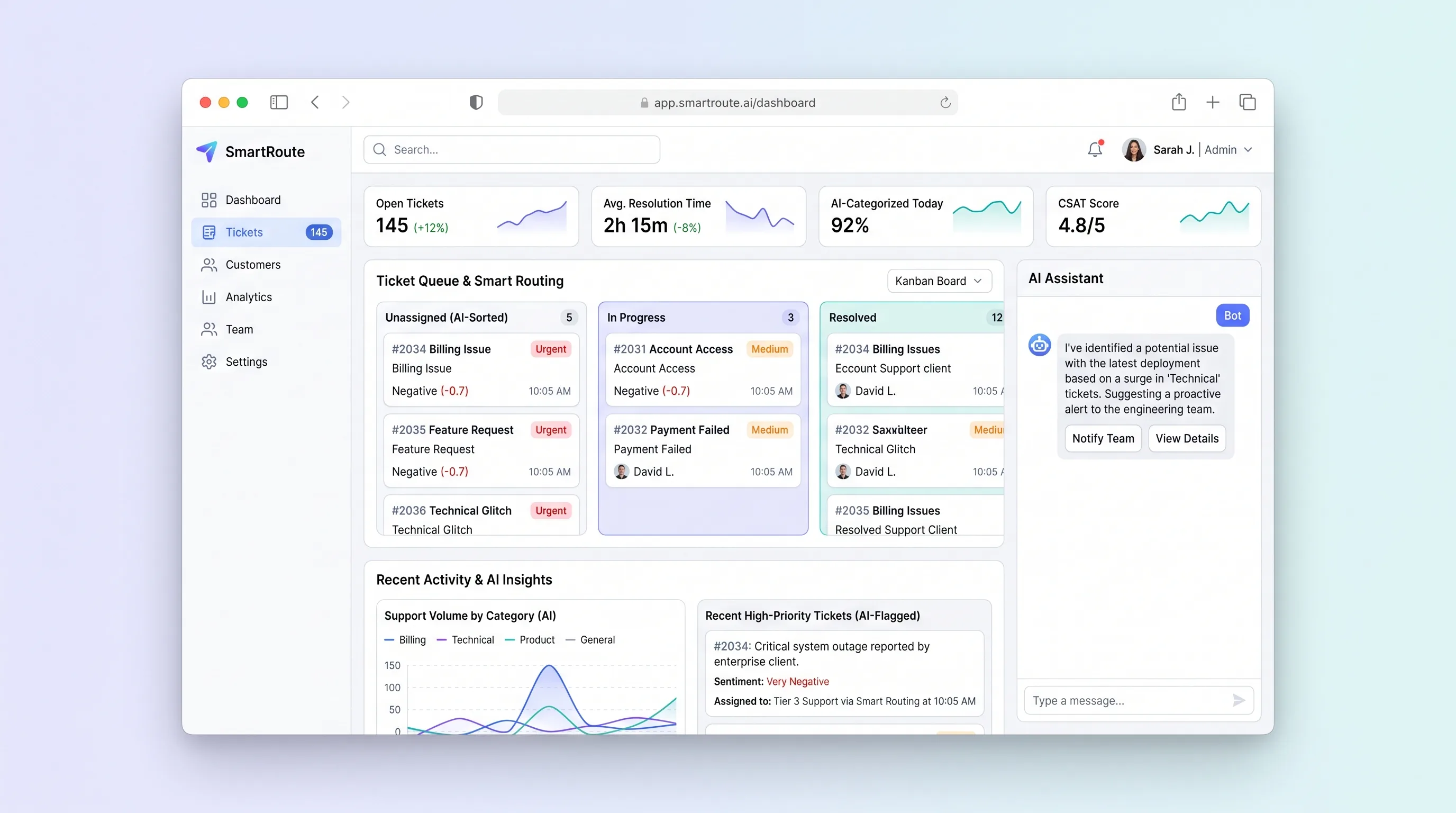
A shared support inbox that suggests ticket category, urgency, and the best available agent while keeping routing reasons and customer replies reviewable.
AI ToolBusiness Operations
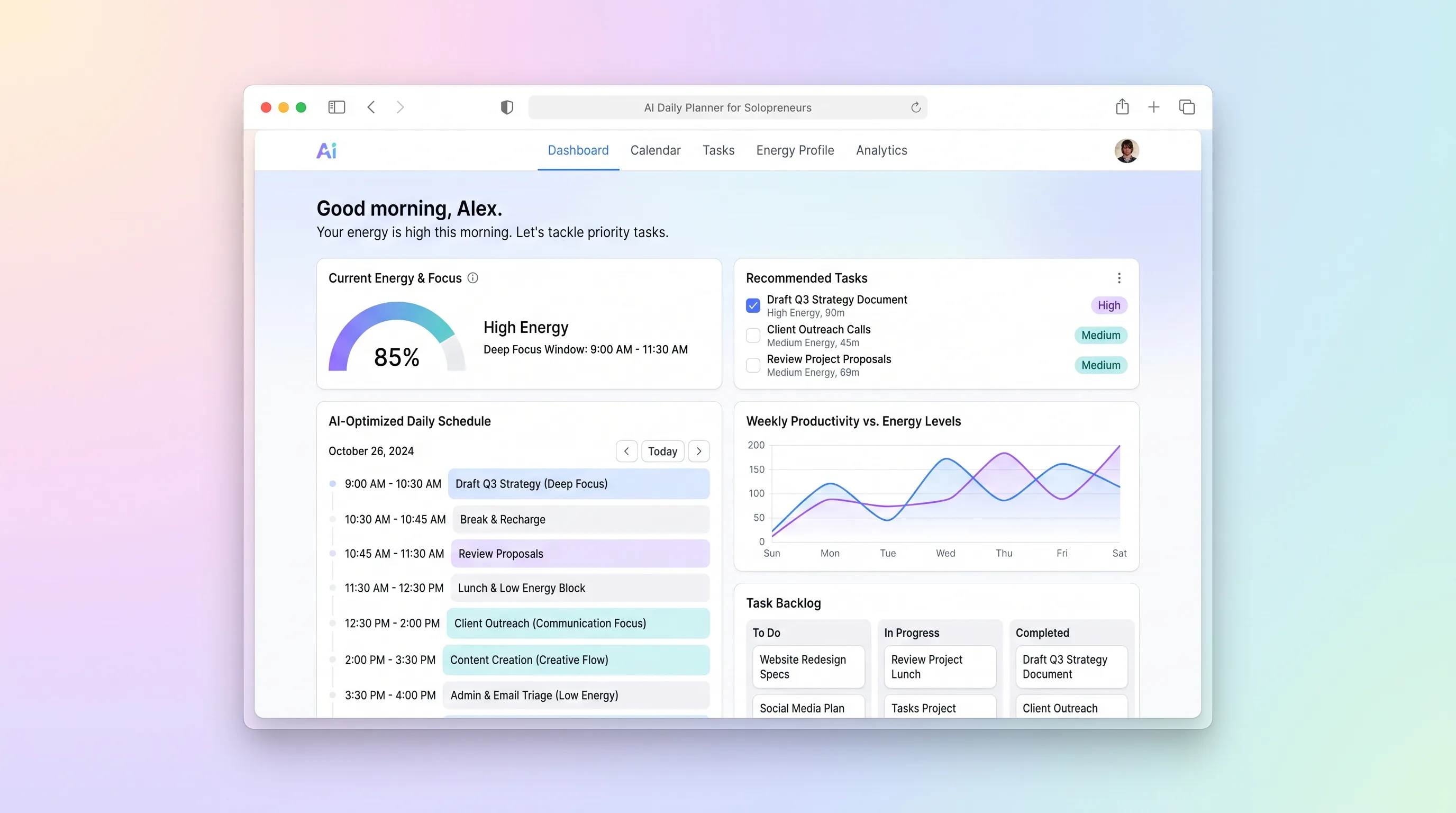
A daily planning tool that maps solopreneur tasks to personal energy windows using AI prioritization, calendar sync, and CSV import from existing task tools.
AI ToolBusiness Operations
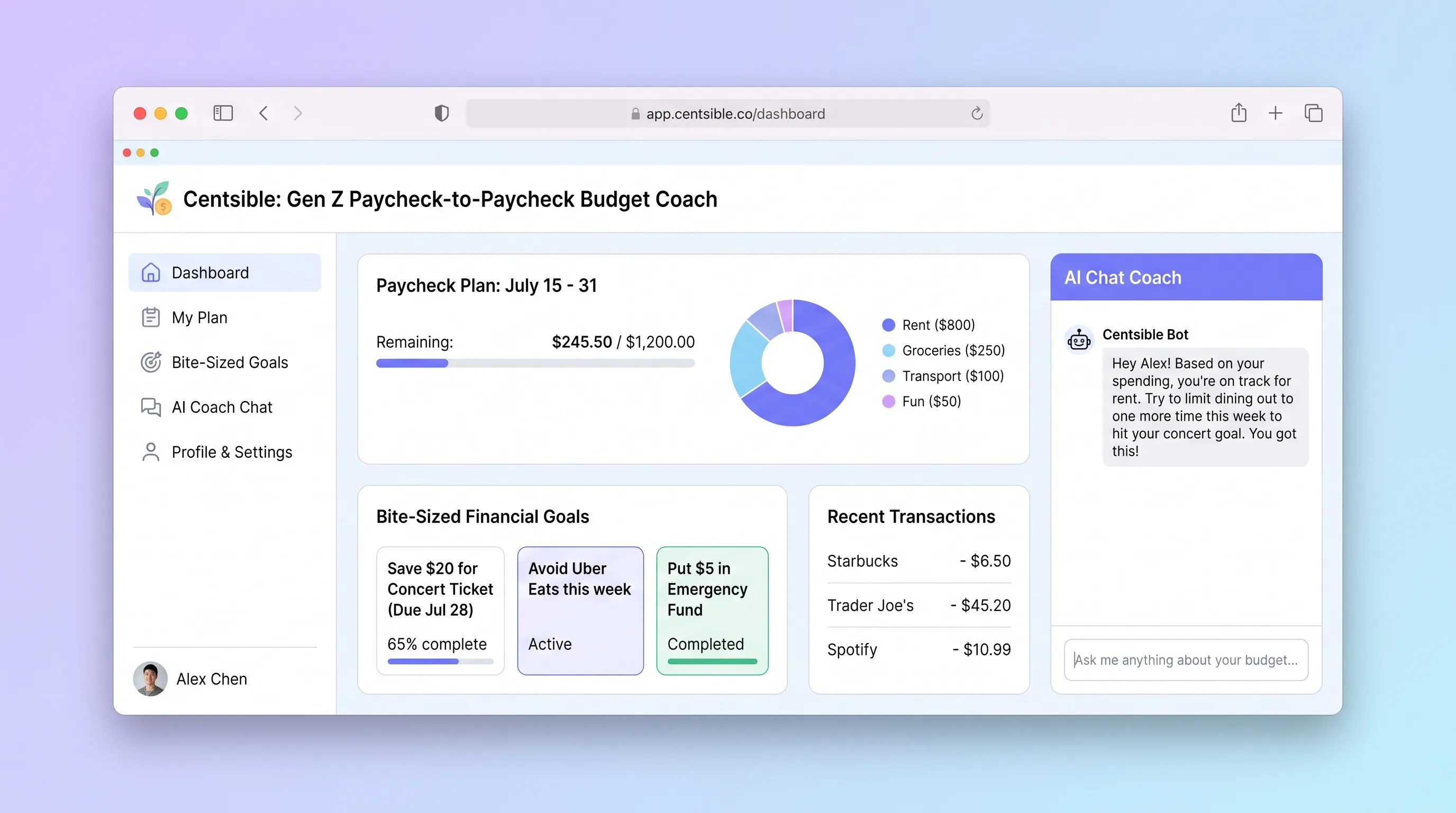
An AI-guided mobile budgeting app that helps Gen Z adults living paycheck to paycheck log expenses in seconds, understand their remaining budget instantly, and receive one plain-English money decision per week.
AI ToolCreator Economy & Media
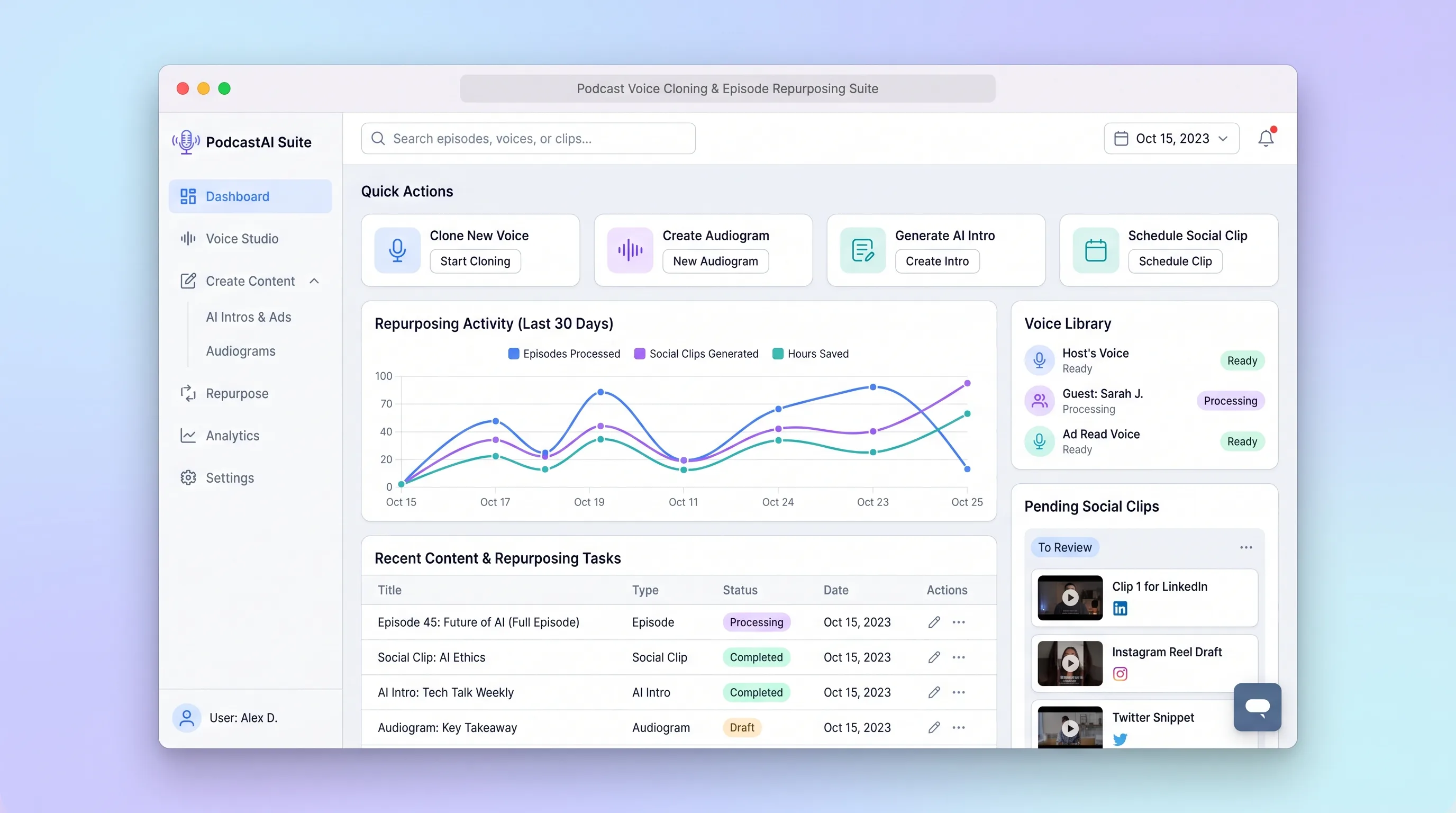
A production workspace for podcasters to transcribe an episode, create consented voice assets, select clip moments, and review channel-ready copy in one run.