Build this if
A small team has an understandable sales process but lacks one place for priority, next actions, stage evidence, and forecast discipline.
A focused sales pipeline that explains lead priority, flags stalled deals, drafts the next follow-up, and rolls qualified opportunities into a transparent forecast.
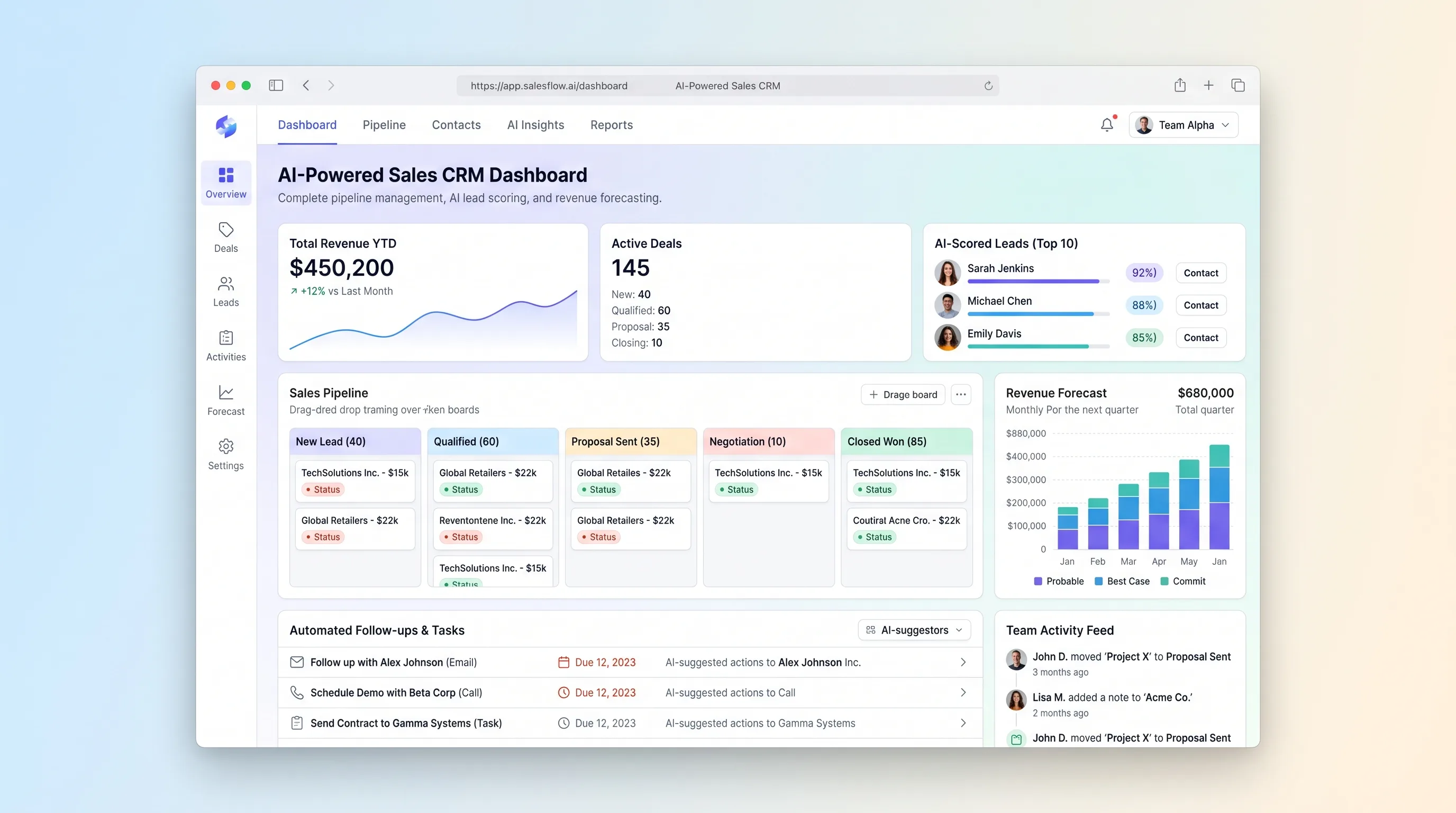
Decision snapshot
A small team has an understandable sales process but lacks one place for priority, next actions, stage evidence, and forecast discipline.
The buyer needs enterprise territory management, marketing automation, or predictive forecasting before basic CRM behavior is consistent.
Import 100 real or redacted leads, run 20 active deals for four weeks, and measure duplicate resolution, stage-rule compliance, overdue next actions, and follow-up draft corrections.
Problem and target customer
Small sales teams keep leads in spreadsheets and follow-ups in personal inboxes. Deals advance without consistent criteria, promising prospects go quiet, and forecasts reflect optimism rather than amount, stage confidence, and a dated next step.
Founder-led and small business-to-business sales teams managing roughly 100 leads and dozens of active deals without a dedicated sales-operations function.
Monthly per-seat subscription with a shared team pipeline and included AI recommendations.
Editorial note
The product earns trust by making sales discipline easier, not by promising a magic close-rate lift. Required stage evidence, dated next actions, and a visible forecast formula create the foundation.
Lead priority should read like an argument a representative can challenge. Supporting company and activity facts stay visible, and users retain authority over qualification, ownership, and conversion.
A narrow pilot can test whether the team resolves duplicates, maintains next steps, and corrects recommendations. Broad email synchronization and marketing automation should wait until those behaviors stick.
Choose your next step
Evaluate the operating tradeoffs quickly, or inspect how to build the MVP.
Compare the three operating paths at the default workload before opening the full calculator.
See cost preview Build this ideaInspect the build blueprintReview MVP scope, workflow, states, data rules, architecture, and acceptance criteria.
Open blueprintEvaluation preview
Directional infrastructure estimates for the current 3,000 lead evaluations assumption. Open the full calculator when you are ready to change it.
Managed application, database, queue, and recommendation jobs for a small team.
Lowest operating effortOne operator-managed server runs CRM and scheduled work.
Lowest baseline costSeparate web, data, import, and recommendation capacity for a larger pipeline.
Most separation and controlBuild blueprint
Product goal
MVP scope
UX and user flow
Review new leads, duplicate candidates, priority reasons, owner, and next action.
Move opportunities through defined stages while showing required evidence and stalled status.
Combine contacts, amount, activity, next step, recommendation, and communication history.
Group open deal value by forecast category and close period with a visible formula.
Configure stage requirements, stale thresholds, and scoring inputs.
Core entity outline
An unqualified prospect and its source, owner, priority suggestion, and disposition.
A company buying boundary shared by contacts and deals.
A revenue opportunity with stage evidence and forecast classification.
A versioned sales milestone and its exit requirements.
An email, call note, meeting, stage change, or task outcome on a lead or deal.
Architecture and data flow
Present leads, pipeline, deal context, tasks, draft review, rules, and forecast drill-down.
Validate identity, enforce stage transitions, record activities, and authorize team ownership.
Generate structured priority reasons and follow-up drafts from bounded stored context.
Evaluate due next actions and stage-specific inactivity thresholds.
Store normalized leads, accounts, contacts, deals, stage versions, tasks, and activities.
Deliverables and acceptance
Recommended stack
Deliver quick lead triage, pipeline movement, deal context, and forecast views.
Keep identity, stage transitions, tasks, activities, and forecast inputs consistent.
Run recommendations, stale checks, imports, and send retries outside user requests.
Return priority reasons and follow-up drafts in a schema that can be grounded against stored facts.
Send approved follow-ups and track their delivery state.
The database owns sales truth: identity, stages, activities, next actions, and forecast math. The model adds interpretable recommendations and draft language without controlling disposition, pipeline movement, or revenue totals.
Copy the build prompt, model the operating cost, and choose where to deploy.
Execution
Once the blueprint is clear, use the prompt, cost model, and deployment options to start building.
Build prompt
Build a Next.js application with PostgreSQL, deterministic stage and forecast rules, scheduled deal checks, and a structured LLM call for explainable lead-priority and follow-up drafts that users must approve.
Build prompt
Open the prompt pack whenever you are ready to take this blueprint into your builder.
Build prompt ready
Copy the prompt into your builder, then use the cost model below to choose how you want to run it.
Use the cost model to choose a deployment path that matches the build plan.
Cost calculator
A technical run-cost estimate for the first production version. Team, acquisition, payment fees, and business COGS are excluded.
$3.02-$11 per 1,000 lead evaluations
Low and high values allow for usage variance and plan headroom.
Managed application, database, queue, and recommendation jobs for a small team.
20K lead evaluations included, then $5-$15 per 20K lead evaluationsA bounded priority explanation or follow-up draft per evaluated lead-equivalent workload.
3K lead evaluations x 900 input + 250 output tokensHuman-approved one-to-one sales follow-ups, approximated against evaluation volume.
3K lead evaluations includedThe estimate combines the selected infrastructure path, required operating modules, selected optional modules, and usage above included monthly allowances. Taxes and regional uplifts are excluded.
Deployment options
Choose based on operating preference, not only the headline price.
Run the CRM, database, queue, scheduled checks, and recommendation worker with managed deployment.
Persistent queue services and larger imports increase resource usage.
Run the app, worker, and database on one small Vultr VPS with Docker Compose and explicit backups.
The team owns backups, patching, worker monitoring, and mail reliability.
Separate application, worker, data, storage, and backup responsibilities as the workload grows.
More services add operations before the sales process itself is validated.
Start building
Use Lovable to test lead intake, score explanations, pipeline movement, stalled-deal alerts, follow-up review, and forecast categories with a small sales team.
Open Lovable 02AutomationCapture selected sales signalsUse Make as optional glue to add form submissions or calendar outcomes after the core CRM owns lead identity, stage rules, tasks, and email history.
Open Make 03DeployRun scoring and follow-up jobsDeploy the CRM, database, scheduled stale-deal checks, and recommendation worker on Railway.
Open RailwayKeep exploring
AI ToolProfessional Services
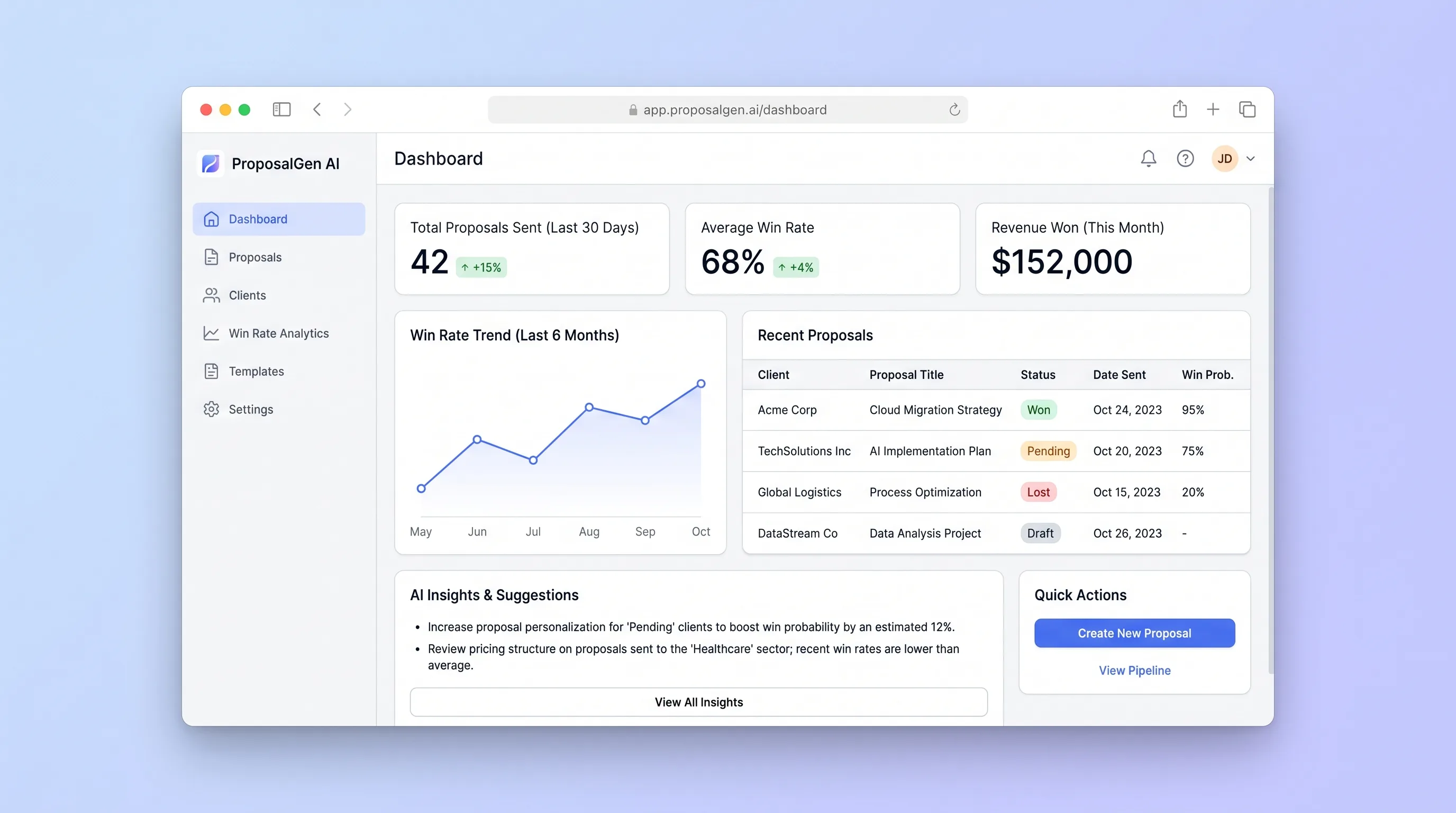
A consultant workspace for turning structured discovery notes into an editable proposal, sending a versioned client link, and learning from accepted or lost outcomes.
Website & Lead GenerationProfessional Services
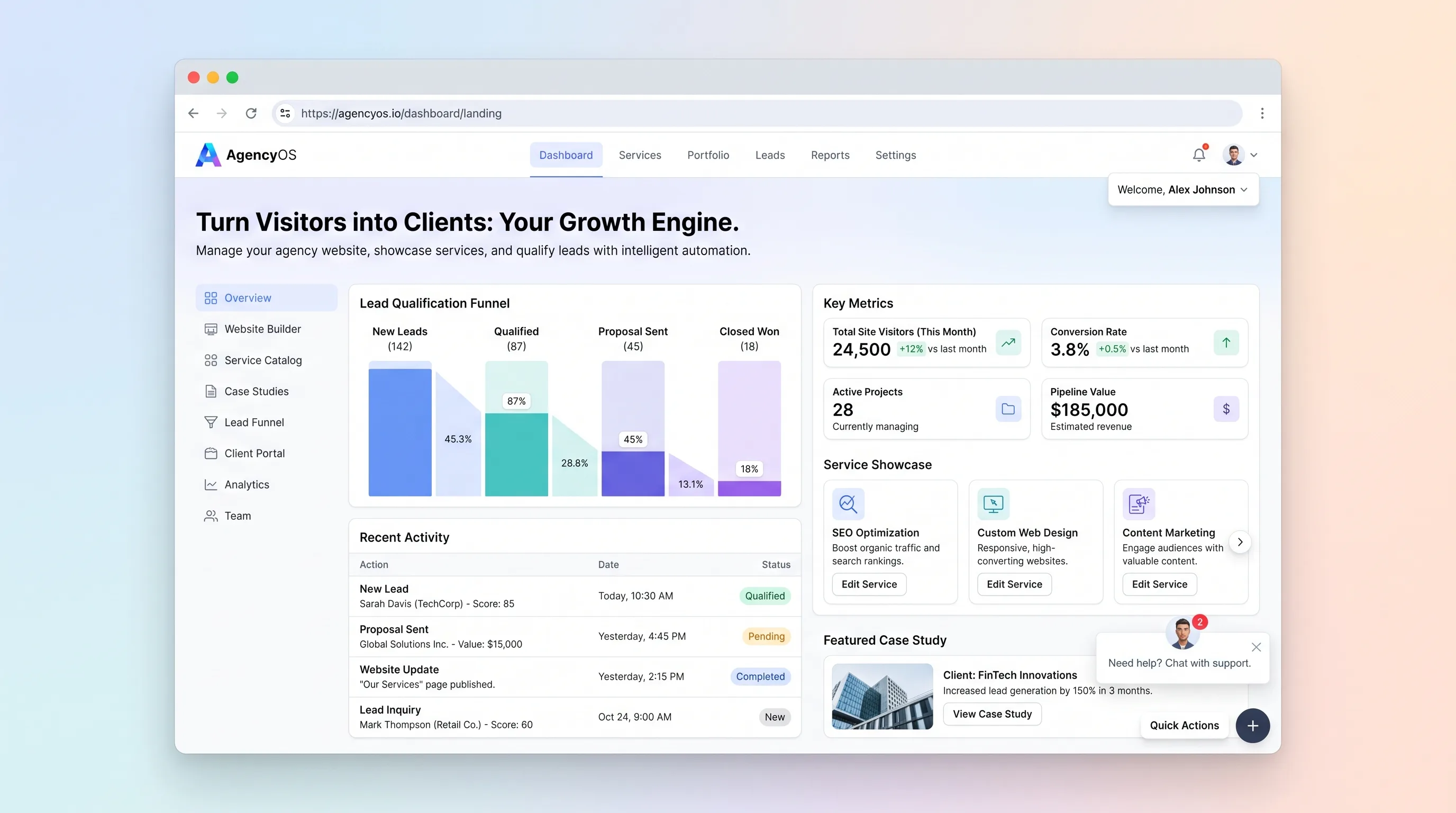
A conversion-focused site for digital agencies that turns service research and case-study browsing into structured, qualified discovery inquiries.
AI ToolSales & Marketing
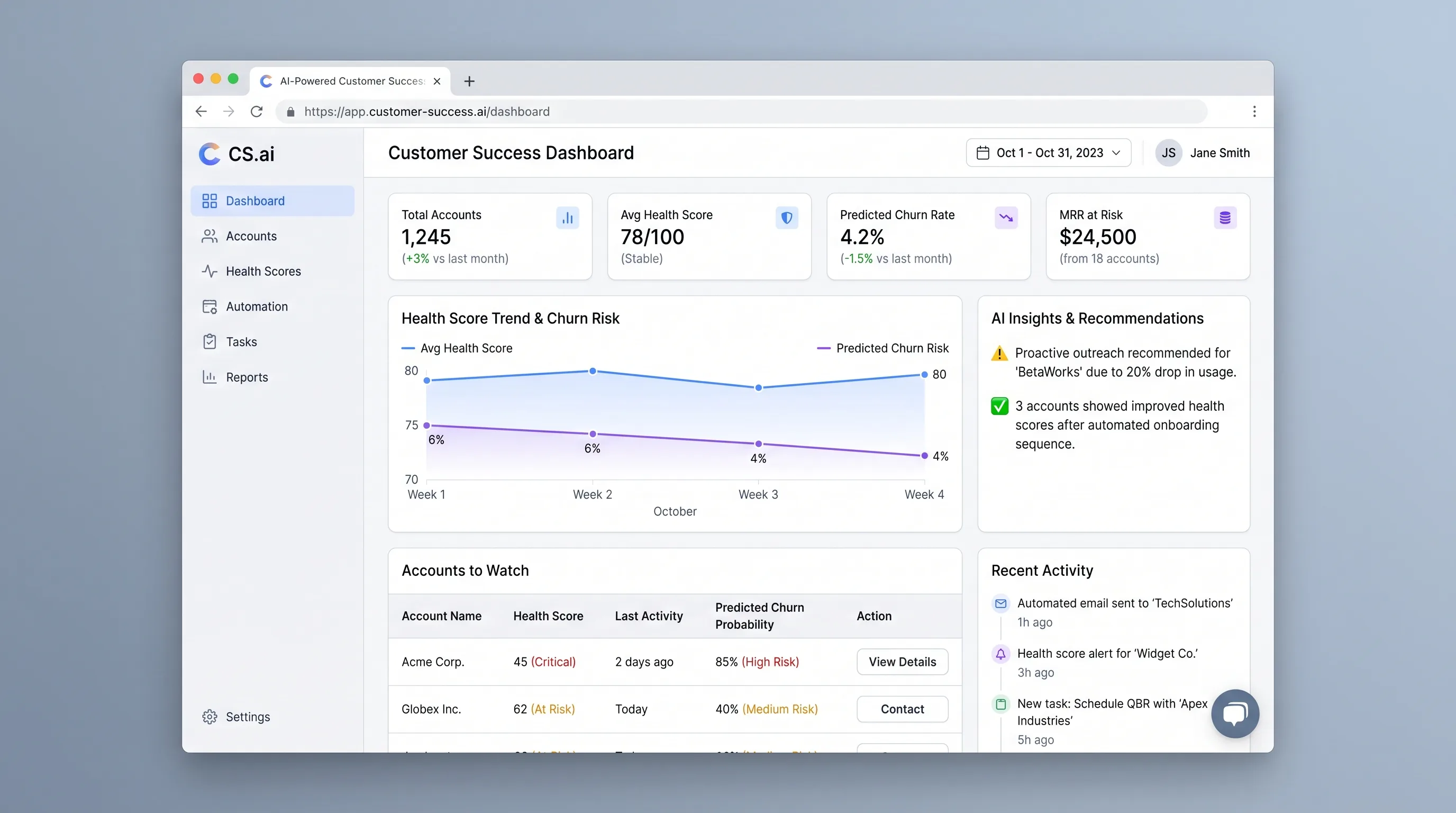
An at-risk account queue that combines configurable health rules with context-aware outreach drafts, giving customer success managers a clear next action.
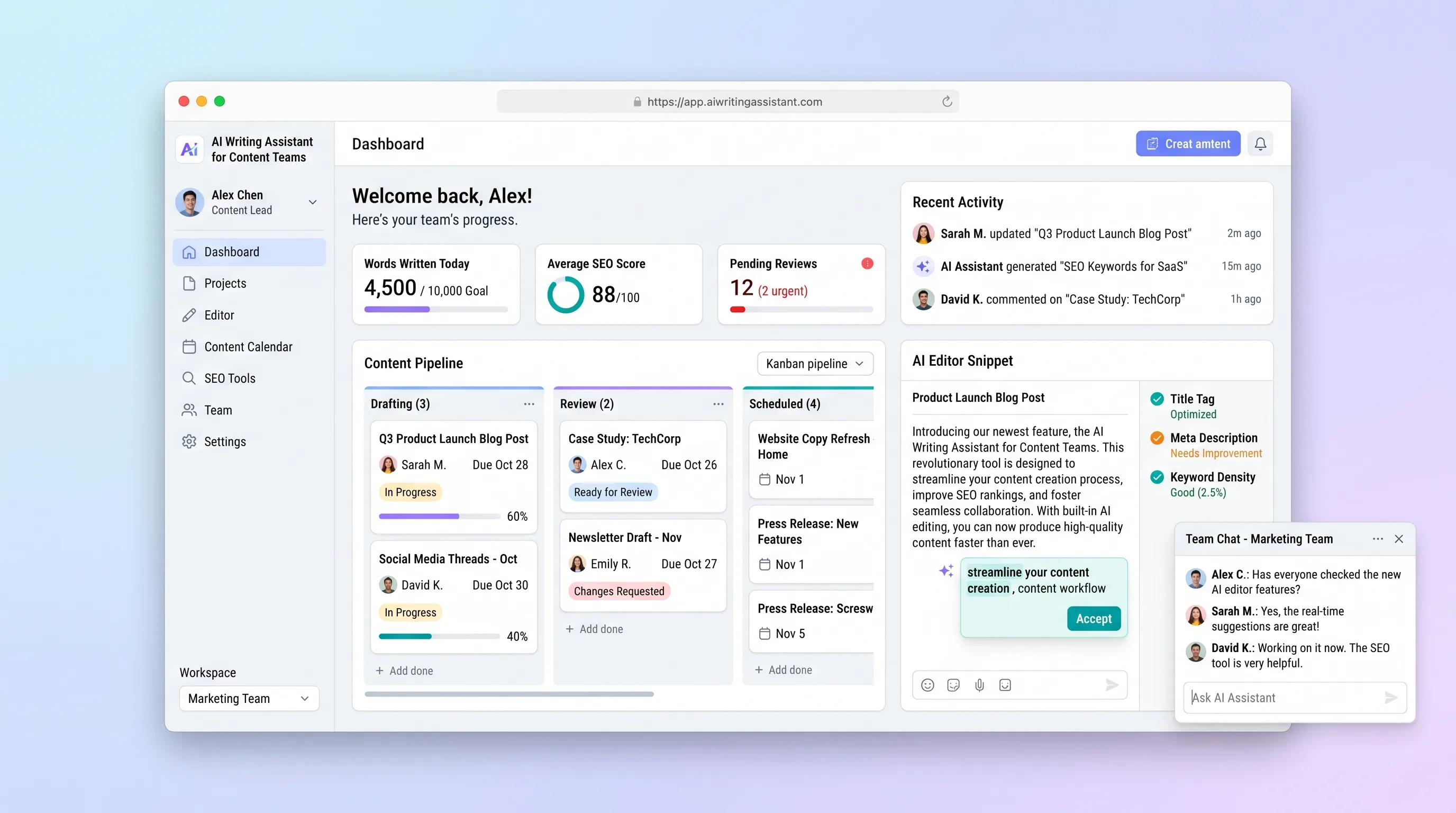
AI ToolSales & Marketing
A team writing workspace where each piece moves from AI draft through human editing, SEO review, and approval without switching tools.
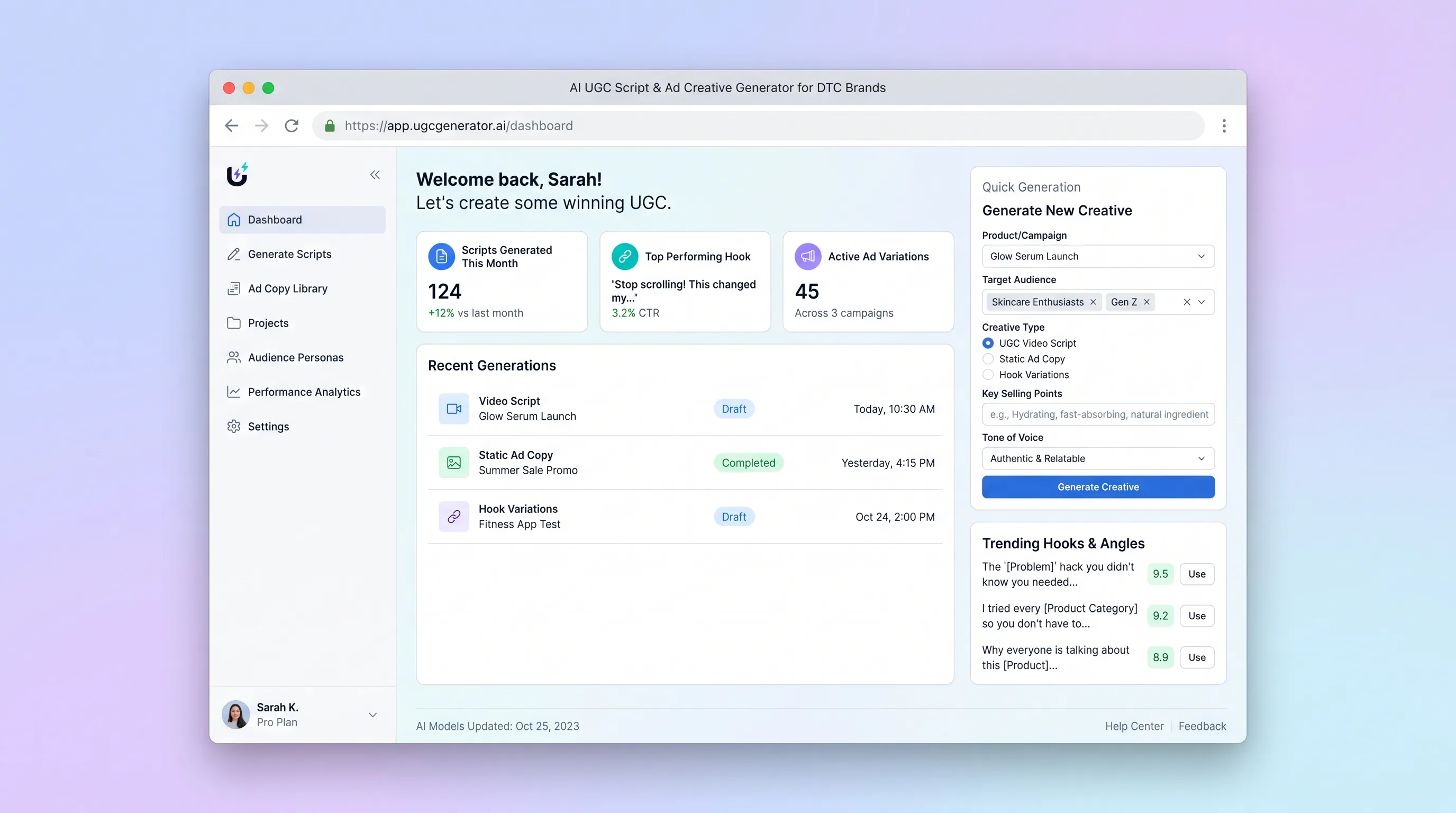
AI ToolSales & Marketing
A brand-safe creative workspace that transforms approved product facts and audience personas into editable UGC scripts, hooks, static copy, and creator briefs.
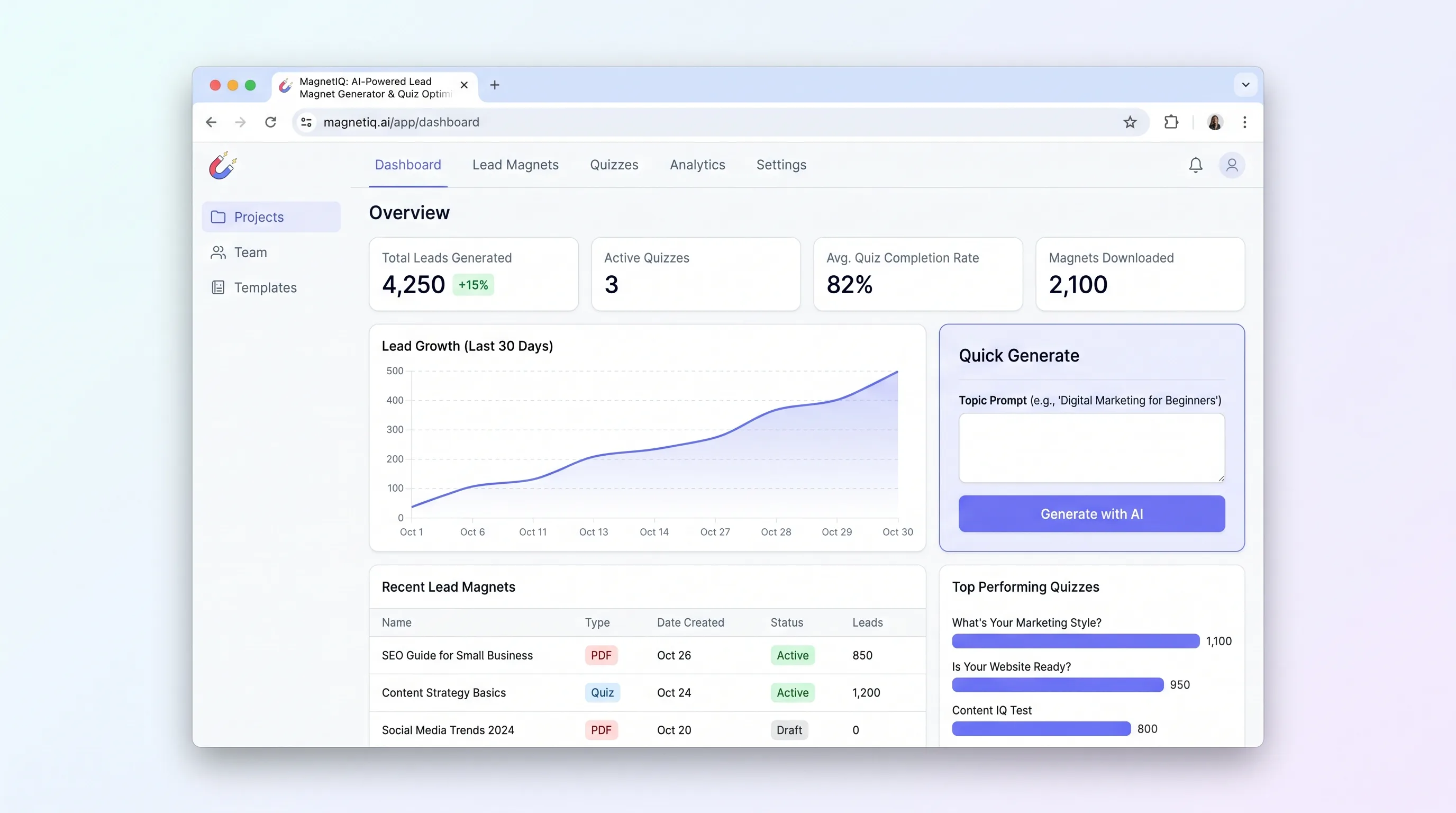
AI ToolSales & Marketing
Enter one topic prompt and get a multi-question quiz with segmented result copy and matching downloadable lead magnets, ready to publish and capture leads.