Build this if
You have a narrow hobby audience, repeatable box inventory, and need preference data to improve recommendation and packing.
A direct-to-consumer storefront that turns hobby preferences into an explainable box recommendation, then supports recurring subscriptions, gifts, and basic account changes.
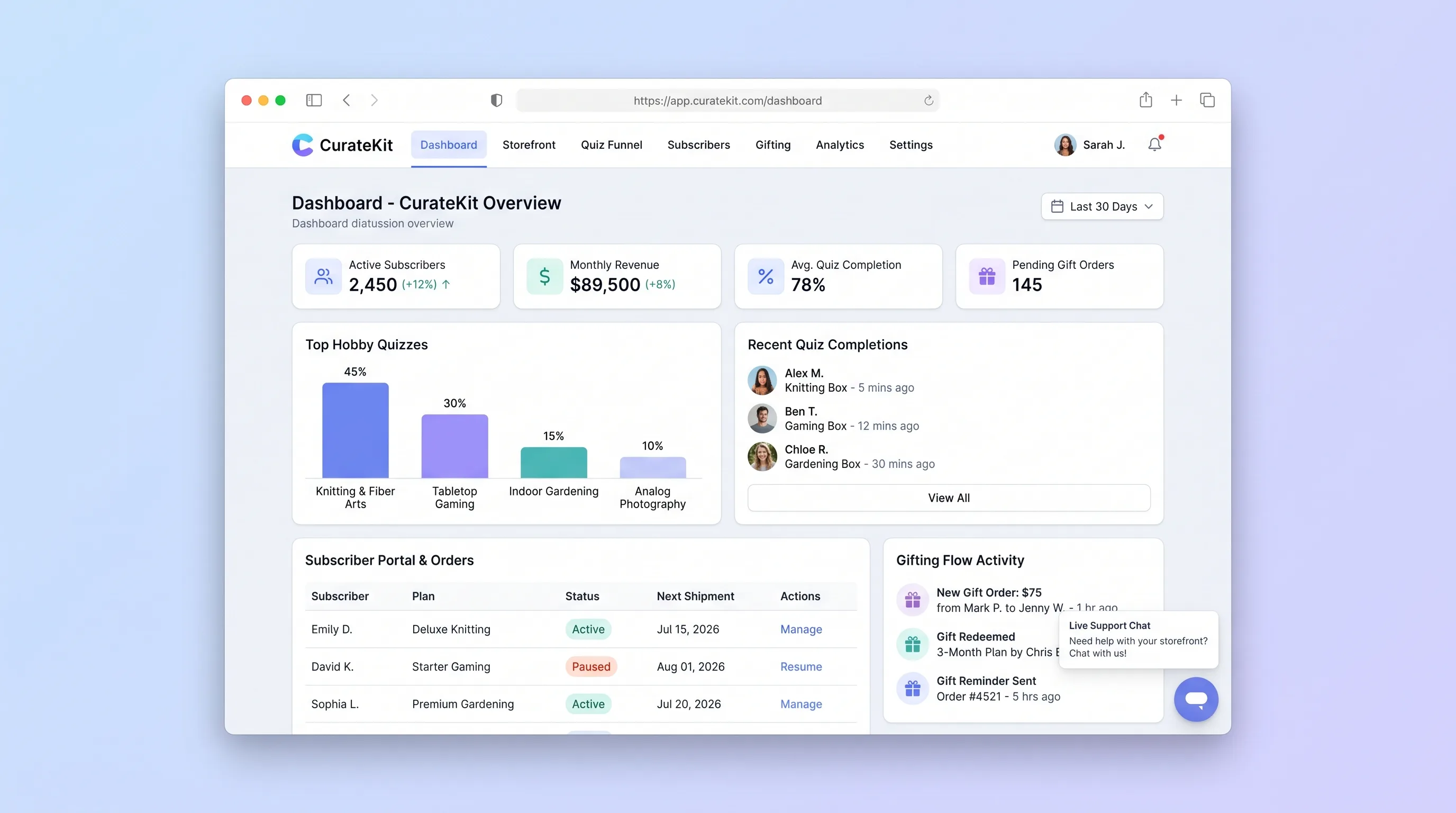
Decision snapshot
You have a narrow hobby audience, repeatable box inventory, and need preference data to improve recommendation and packing.
You need a full warehouse, marketplace, or bespoke box configuration engine before validating one curated range.
Send 30 target shoppers through the quiz and confirm the operator agrees with at least 80% of eligible recommendations and can fulfill paid test orders from the captured data.
Problem and target customer
Niche box brands need enough preference context to recommend the right assortment, but generic storefronts treat every shopper alike. Gifting, recurring delivery choices, and subscriber changes then spill into forms and support email.
Small hobby subscription-box brands with a curated catalog and a founder-led fulfillment operation.
Product margin on recurring subscriptions and prepaid gift plans.
Editorial note
The quiz should behave like a merchandiser's decision table, not entertainment. Hard exclusions come first; preference scoring comes second; and the explanation gives the operator a way to spot a poor rule before it becomes a packing mistake.
A gift purchase is intentionally separate from an auto-renewing subscription. That distinction protects buyer intent and keeps the pilot focused on whether the brand can recommend and fulfill a curated box reliably.
Choose your next step
Evaluate the operating tradeoffs quickly, or inspect how to build the MVP.
Compare the three operating paths at the default workload before opening the full calculator.
See cost preview Build this ideaInspect the build blueprintReview MVP scope, workflow, states, data rules, architecture, and acceptance criteria.
Open blueprintEvaluation preview
Directional infrastructure estimates for the current 300 orders assumption. Open the full calculator when you are ready to change it.
Railway hosts the app, database, and webhook service.
Lowest operating effortA Hetzner shared cloud server runs the storefront stack.
Lowest baseline costLarger or dedicated cloud resources isolate web and database traffic.
Most separation and controlBuild blueprint
Product goal
MVP scope
UX and user flow
Collect experience, interests, exclusions, and budget with visible progress.
Explain the matched plan and let the shopper switch between subscription and gift purchase.
Show the next shipment, saved preferences, gift recipient, and allowed subscription changes.
Core entity outline
Defines theme, price, cadence, eligibility tags, and active sale status.
Stores the shopper's answers and the versioned recommendation result.
Tracks purchaser, recipient, cadence, preferences, and provider status.
Represents one box fulfillment decision and its preference snapshot.
Architecture and data flow
Serve quiz, recommendation, checkout return, and subscriber account screens.
Evaluate versioned merchandising rules and return a score explanation.
Persist catalog, response, subscription, and delivery snapshots.
Verify payment events and apply idempotent order transitions.
Deliverables and acceptance
Recommended stack
Combines indexable product pages with authenticated subscriber controls.
Rule versions, subscriptions, and delivery snapshots need relational history.
Hosted payment collection reduces sensitive payment scope.
Receipts and shipment notices are straightforward transactional messages.
Deterministic merchandising rules make the recommendation testable and editable without model cost or hallucination risk. Stripe owns card entry; the app owns preference and fulfillment state.
Copy the build prompt, model the operating cost, and choose where to deploy.
Execution
Once the blueprint is clear, use the prompt, cost model, and deployment options to start building.
Build prompt
Build a TypeScript storefront with PostgreSQL and Stripe Checkout; keep recommendations deterministic so merchandisers can explain and adjust every quiz-to-box rule.
Build prompt
Open the prompt pack whenever you are ready to take this blueprint into your builder.
Build prompt ready
Copy the prompt into your builder, then use the cost model below to choose how you want to run it.
Use the cost model to choose a deployment path that matches the build plan.
Cost calculator
A technical run-cost estimate for the first production version. Team, acquisition, payment fees, and business COGS are excluded.
$5-$35 per 300 orders
Low and high values allow for usage variance and plan headroom.
Railway hosts the app, database, and webhook service.
1K orders included, then $2-$8 per 1K ordersOrder, gift, and delivery notifications.
3K orders includedThe estimate combines the selected infrastructure path, required operating modules, selected optional modules, and usage above included monthly allowances. Taxes and regional uplifts are excluded.
Deployment options
Choose based on operating preference, not only the headline price.
Deploy the storefront, database, and webhook handler quickly.
Monitor usage as catalog traffic increases.
Run the app, worker, and database on one small Vultr VPS with Docker Compose and explicit backups.
You own security patching and payment-webhook availability.
Separate application, worker, data, storage, and backup responsibilities as the workload grows.
More operational work than managed hosting.
Start building
Use Lovable to test preference questions, recommendation reasoning, gift choices, and subscriber self-service before connecting live checkout.
Open Lovable 02AutomationSend paid orders to fulfillmentUse Make as optional glue to copy paid order details into the operator's packing sheet; keep quiz rules and subscription state in the storefront.
Open Make 03DeployDeploy the curated storefrontHost the storefront, catalog rules, webhook handler, and subscriber database on Railway.
Open RailwayKeep exploring
EcommerceRetail
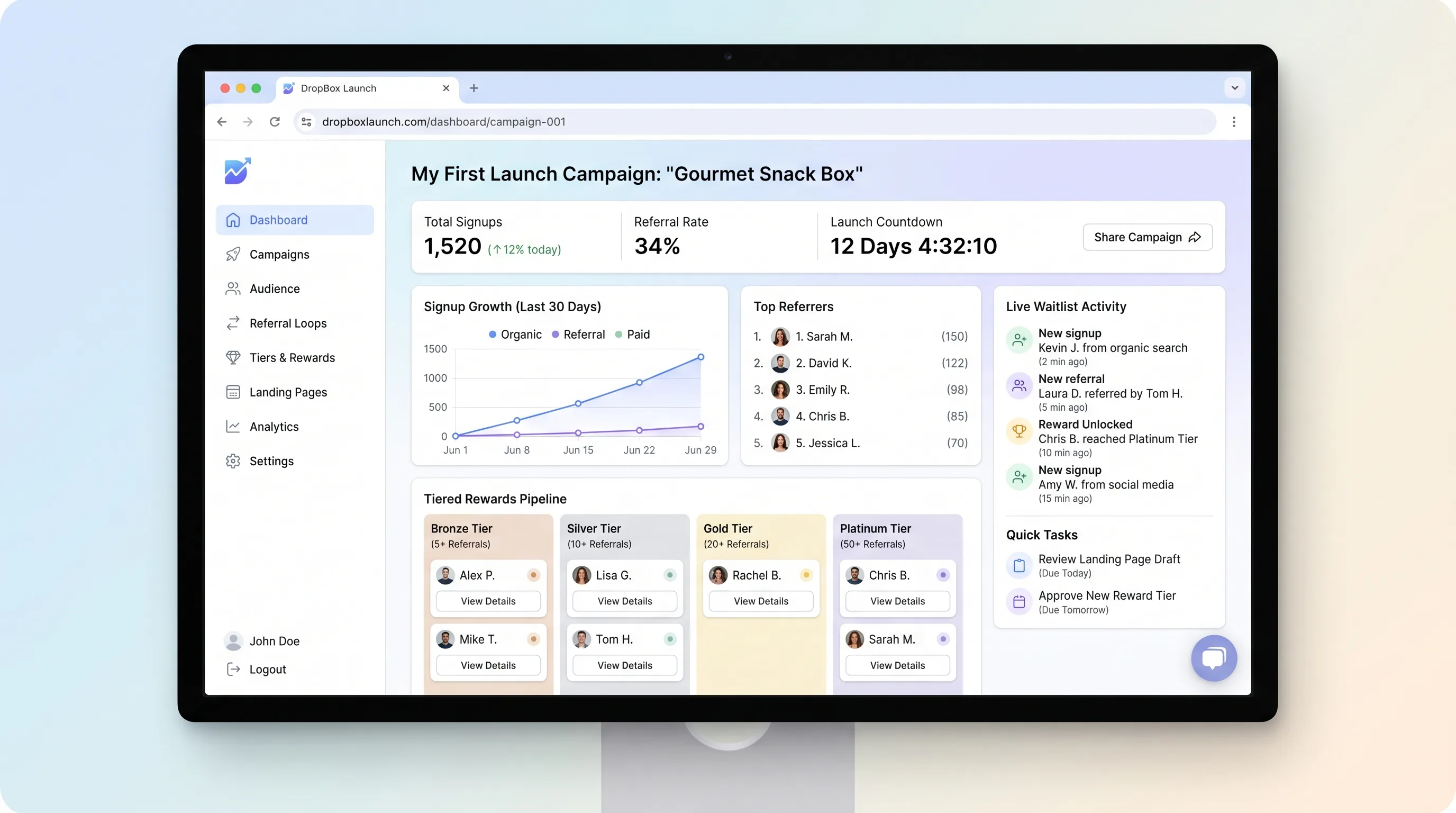
A focused landing page builder that lets creators publish a pre-launch page with countdown timers, email capture, and referral-based tiered waitlist rewards, then export segmented subscribers for launch-day campaigns.
EcommerceRetail
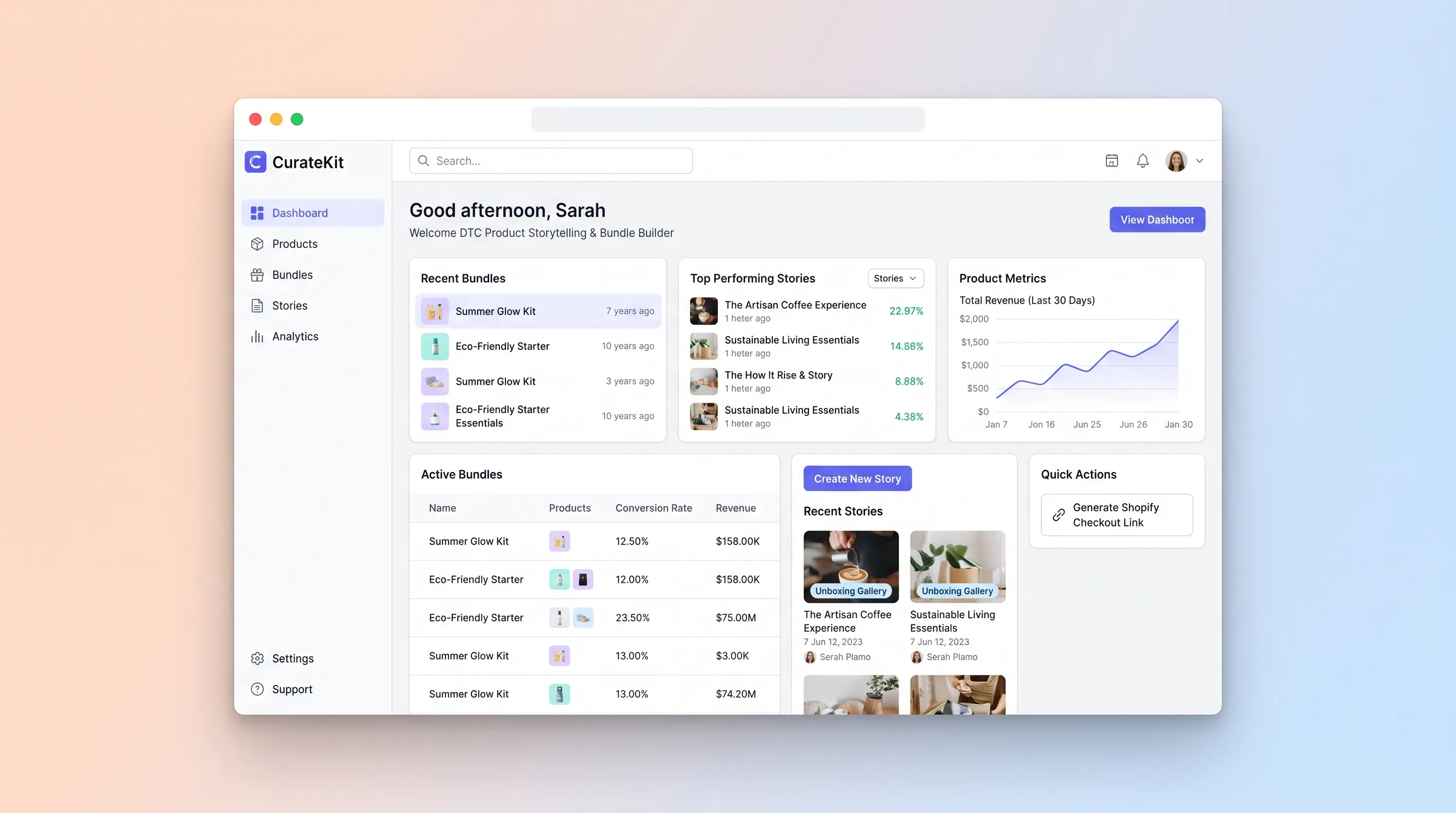
A no-code workspace where DTC brand owners assemble editorial product story pages with bundle configurators and UGC galleries, then publish Shopify-ready checkout links.
EcommerceBeauty & Fashion
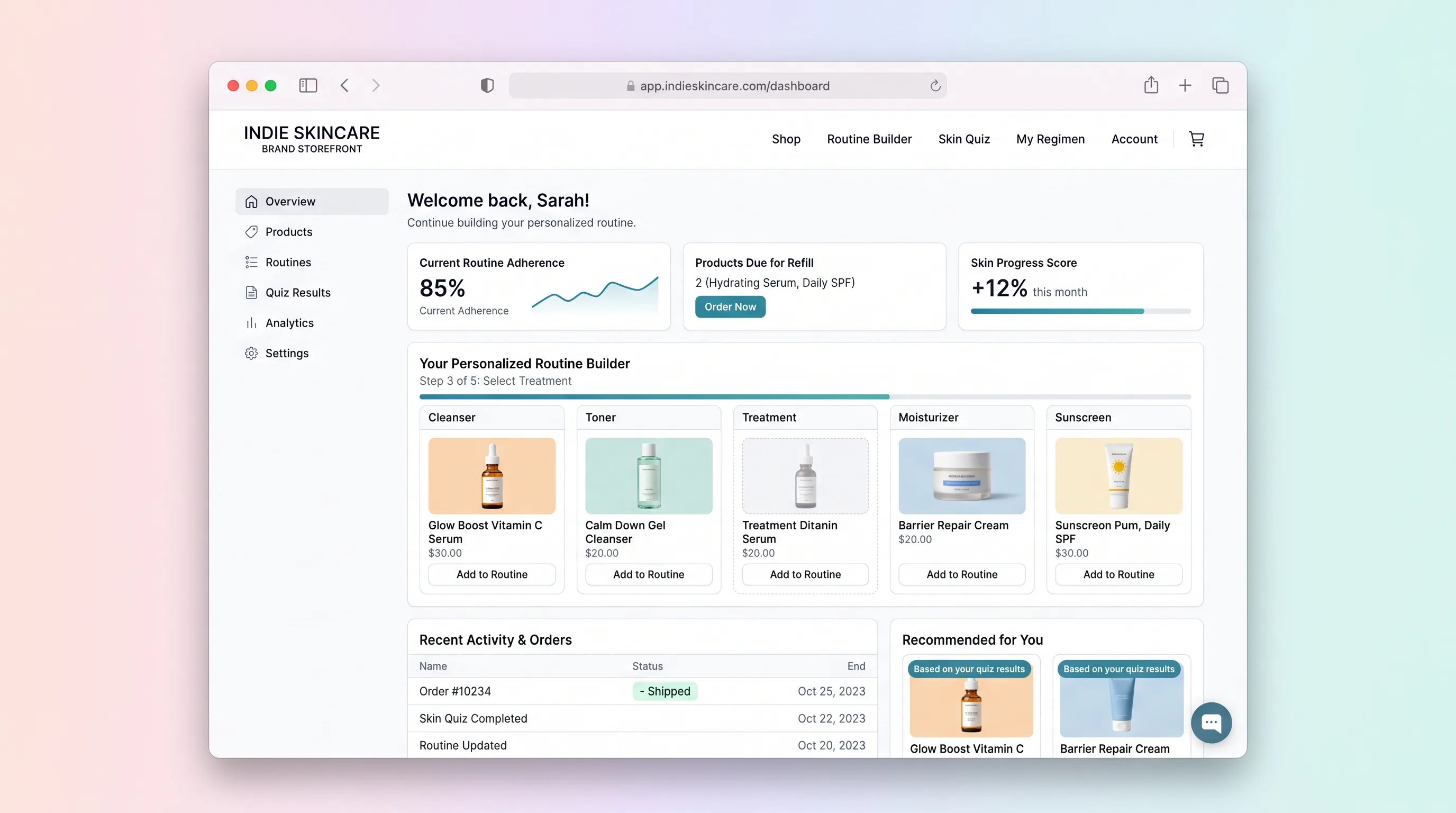
A quiz-led skincare shop that assembles an explainable morning and evening routine from the live catalog, then lets the shopper edit the kit before checkout.
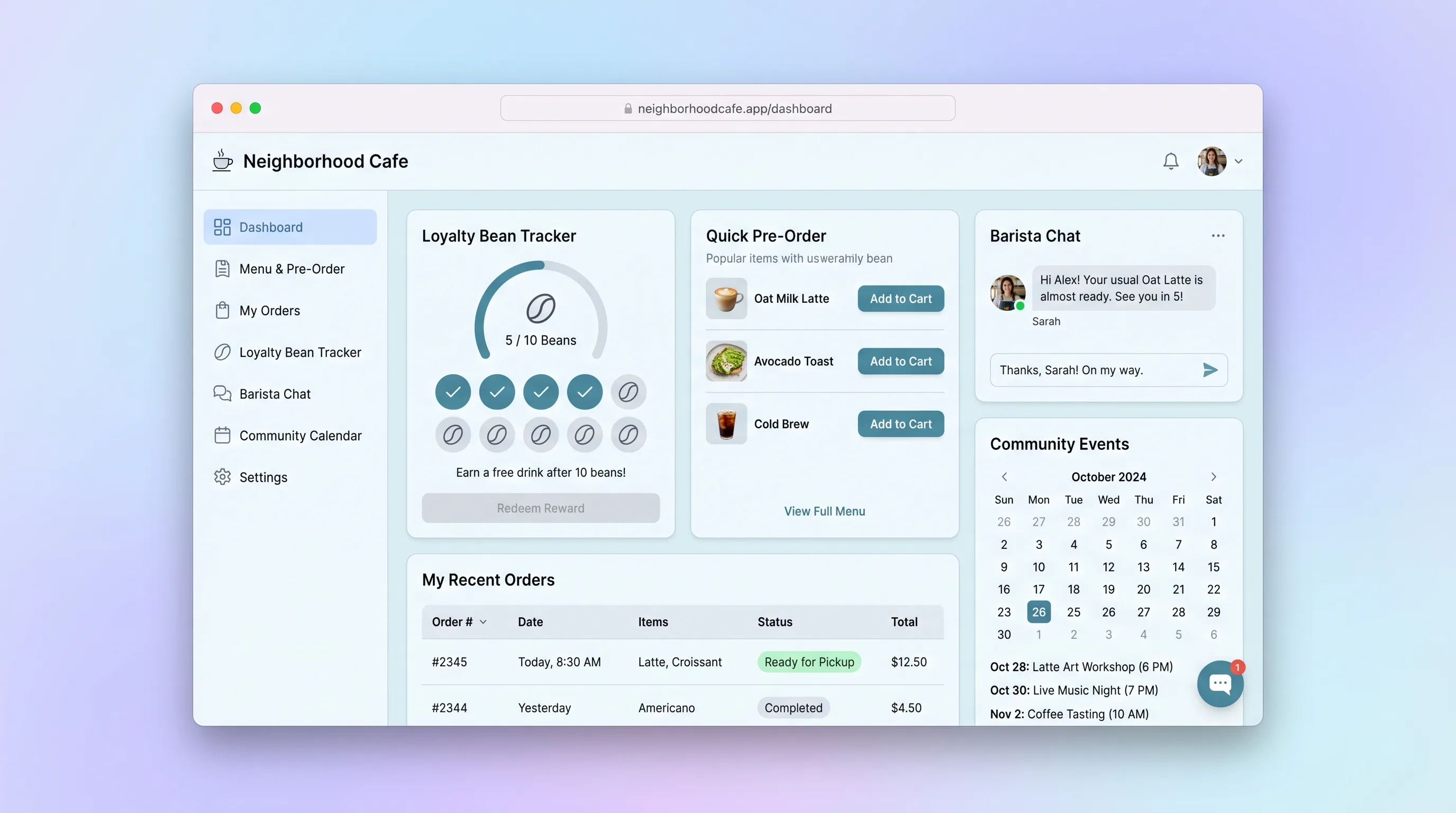
EcommerceFood & Beverage
A single-cafe mobile ordering flow that gives customers reliable pickup timing while staff manage preparation and award loyalty beans after collection.
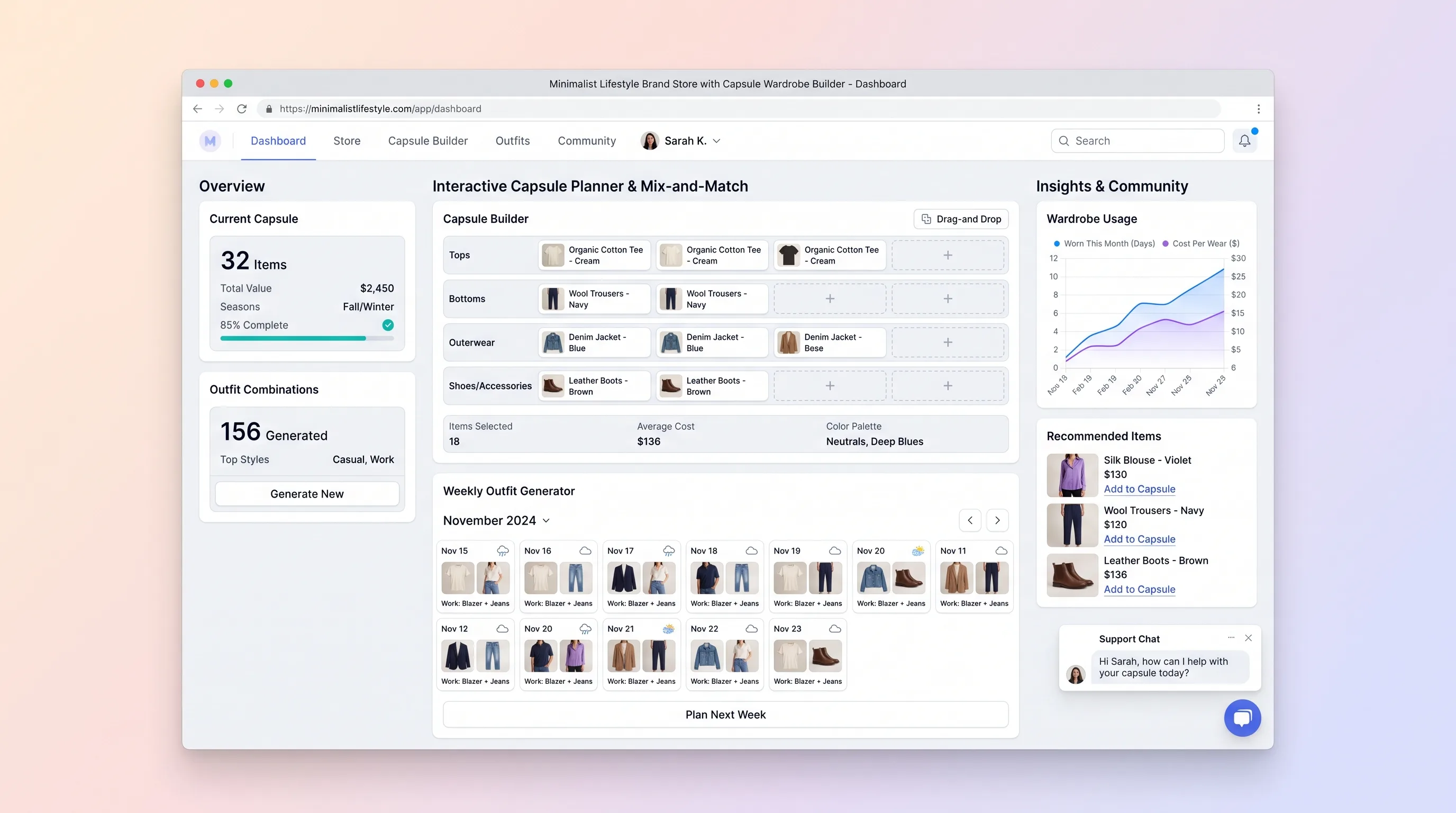
EcommerceBeauty & Fashion
A guided fashion store that assembles a compact, compatible wardrobe from live variants, previews real outfit combinations, and keeps the set within budget.
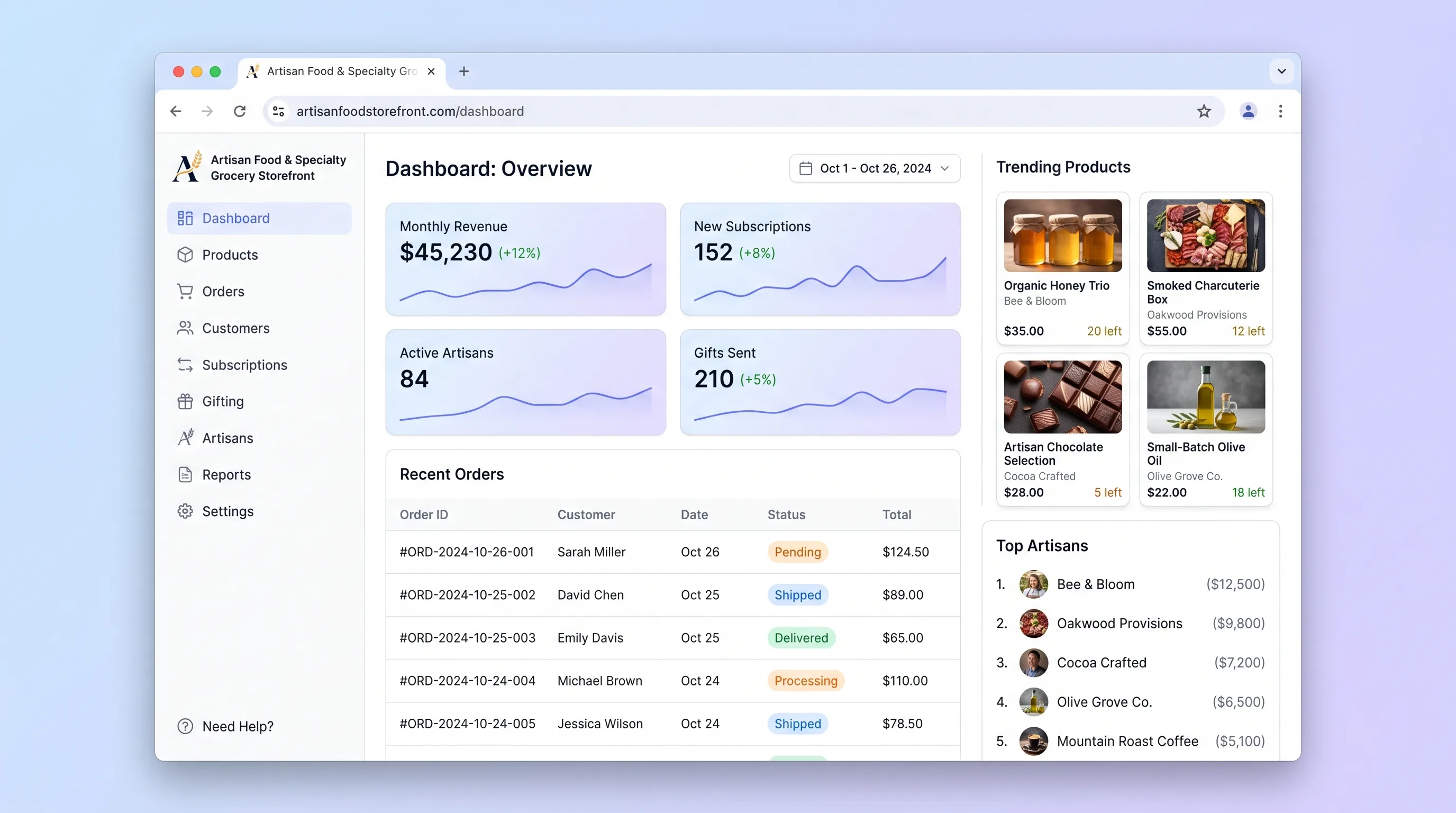
EcommerceFood & Beverage
A curated ecommerce storefront where small-batch food makers list specialty goods, shoppers filter by dietary need, build subscription boxes, and send gifts in one checkout.