Build this if
You have access to developers already using coding agents and can validate that repeated full-context loading of technical books is a real bottleneck in their workflow.
A document-processing workflow that converts technical books and source collections into structured, reusable agent skills optimized for repeated retrieval instead of full-context loading.
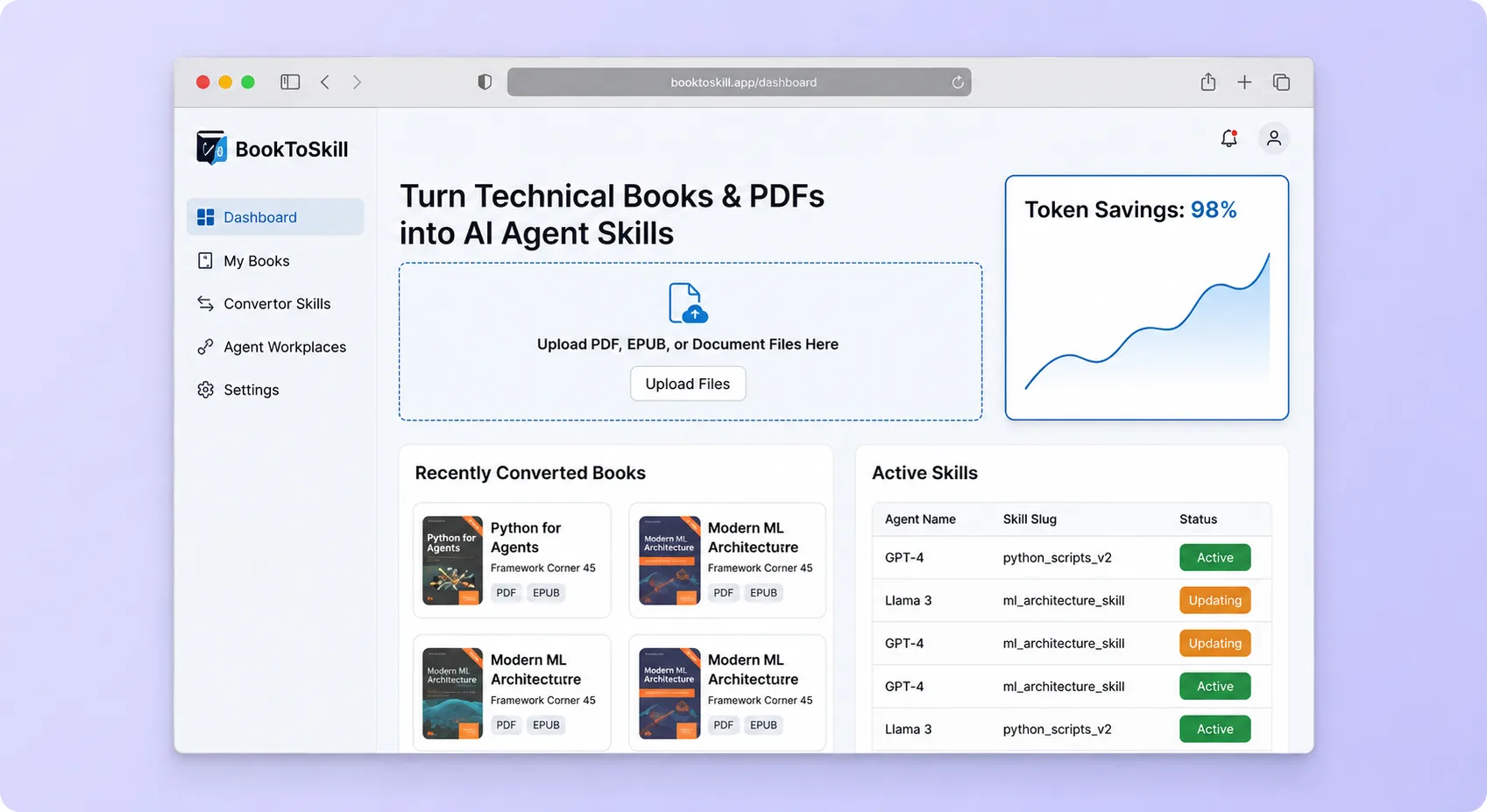
Decision snapshot
You have access to developers already using coding agents and can validate that repeated full-context loading of technical books is a real bottleneck in their workflow.
Your target users primarily work with short documents or do not use agent clients that accept external skill packages.
Onboard five engineering teams, have each process one technical book or internal doc folder, and measure whether generated skills reduce context-loading costs and improve query accuracy over raw document retrieval.
Problem and target customer
Long technical documents are expensive to repeatedly load into agent context windows and are difficult to transform into a structured, reusable knowledge tool that coding agents can query efficiently.
Developers learning technical subjects and engineering teams with internal documentation who need repeatable, citation-backed access to large knowledge sources through coding agents like Claude Code, GitHub Copilot CLI, and Amp.
Free local CLI for individual builders; paid hosted plans for document processing, skill generation, retrieval indexing, team libraries, and private source connectors.
Editorial note
BookToSkill turns long technical books and document collections into reusable agent skills. Its wedge is not generic file conversion; it is reducing repeated context loading while preserving structure, references, and retrieval-ready guidance for coding agents.
The local CLI lowers adoption friction, while the paid product handles the expensive operational work: hosted parsing, skill generation runs, indexing, private team libraries, and connectors to internal documentation. Plans can be based on processed source volume with workspace features for teams.
The MVP should prove that a developer can process a real technical source, review the generated skill, and retrieve useful guidance faster and more reliably than loading the original document into every session.
Choose your next step
Evaluate the operating tradeoffs quickly, or inspect how to build the MVP.
Compare the three operating paths at the default workload before opening the full calculator.
See cost preview Build this ideaInspect the build blueprintReview MVP scope, workflow, states, data rules, architecture, and acceptance criteria.
Open blueprintEvaluation preview
Directional infrastructure estimates for the current 30 source packages assumption. Open the full calculator when you are ready to change it.
Managed app, database, and worker capacity for the beta workload.
Lowest operating effortA lower fixed-cost deployment with more setup and maintenance.
Lowest baseline costMore control over service placement and operational capacity.
Most separation and controlBuild blueprint
Product goal
MVP scope
UX and user flow
Let users select a book file or document folder and create a new source package.
Display parsed chapters, sections, and detected references for user inspection.
Show the LLM-generated structured skill with reference-oriented summaries before approval.
Export the approved skill to Claude Code and demonstrate a sample query retrieving targeted references.
Core entity outline
Represents an ingested book or file with format, size, and processing status.
Groups one or more source documents into a single processing unit.
Stores extracted chapter or section content with citation anchors.
Preserves a citation link back to the original document location.
The structured, agent-native knowledge package produced by the LLM.
Architecture and data flow
Ingest PDF, EPUB, and Markdown files and extract chapter and section content with citation anchors.
Call the LLM to transform organized source material into a structured, reference-oriented skill package.
Serve extracted chapters and generated skills for user inspection, correction, and approval.
Package the approved skill into a format consumable by Claude Code.
Deliverables and acceptance
Recommended stack
Rapidly build the document ingestion, review, and skill-preview interface without a dedicated frontend team.
Host the parsing pipeline, skill generation orchestration, and storage layer with simple deploy and scale controls.
Bounded optional glue for connecting document upload events to the extraction pipeline and notifying users when skills are ready for review.
Powers skill generation by converting organized source material into structured, reference-oriented agent knowledge packages.
Lovable covers the ingestion and review UI, Railway hosts the parsing and generation backend, Make provides optional event glue between upload and processing, and the Claude API handles the core LLM-driven skill generation that defines the product's value.
Copy the build prompt, model the operating cost, and choose where to deploy.
Execution
Once the blueprint is clear, use the prompt, cost model, and deployment options to start building.
Build prompt
Lovable
Build prompt
Open the prompt pack whenever you are ready to take this blueprint into your builder.
Build prompt ready
Copy the prompt into your builder, then use the cost model below to choose how you want to run it.
Use the cost model to choose a deployment path that matches the build plan.
Cost calculator
A technical run-cost estimate for the first production version. Team, acquisition, payment fees, and business COGS are excluded.
$1.8-$8.6 per 10 source packages
Low and high values allow for usage variance and plan headroom.
Managed app, database, and worker capacity for the beta workload.
60 source packages included, then $5-$20 per 60 source packagesModel calls that organize extracted source material into a reusable agent skill.
30 source packages x 9K input + 2.2K output tokensStorage for uploaded documents, extracted text, and generated references.
0 included, then $0.02-$0.18 per 100 source packagesThe estimate combines the selected infrastructure path, required operating modules, selected optional modules, and usage above included monthly allowances. Taxes and regional uplifts are excluded.
Deployment options
Choose based on operating preference, not only the headline price.
Run the web app, database, and background jobs with a small operational footprint.
Service usage and background workloads can exceed the base plan.
Run the app, worker, and database on one small Vultr VPS with Docker Compose and explicit backups.
You manage more setup, backups, monitoring, and upgrades.
Separate application, worker, data, storage, and backup responsibilities as the workload grows.
Security updates, backups, observability, and scaling remain your responsibility.
Start building
Build a document upload panel accepting PDF, EPUB, and Markdown files, a chapter-level extraction preview, and a reference review screen where users correct citations before approving a generated skill.
Open Lovable 02AutomationUpload-to-pipeline glueConfigure a bounded scenario that triggers the Railway backend when a new source package is uploaded, passing file metadata and notifying the user when extraction and skill generation complete.
Open Make 03DeployParsing and skill generation backendDeploy the document parsing pipeline, chapter extraction logic, LLM-based skill generation orchestration, and Claude Code export endpoint with persistent storage for source packages and generated skills.
Open RailwayKeep exploring
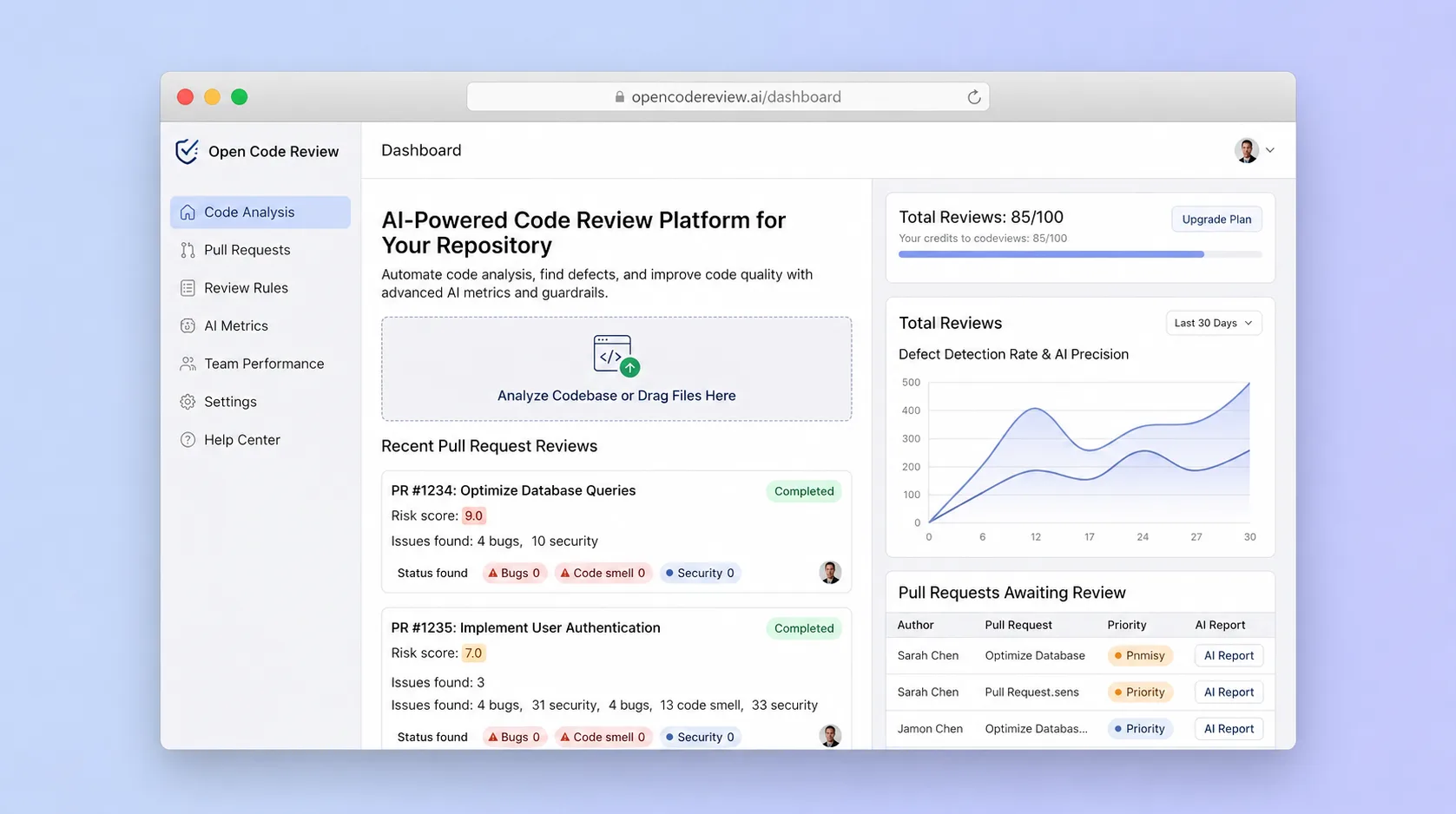
AI ToolDeveloper & IT Operations
A precision-oriented code review workspace that combines deterministic file selection and rule matching with an LLM agent to produce stable, line-level findings for pull requests and CI pipelines.
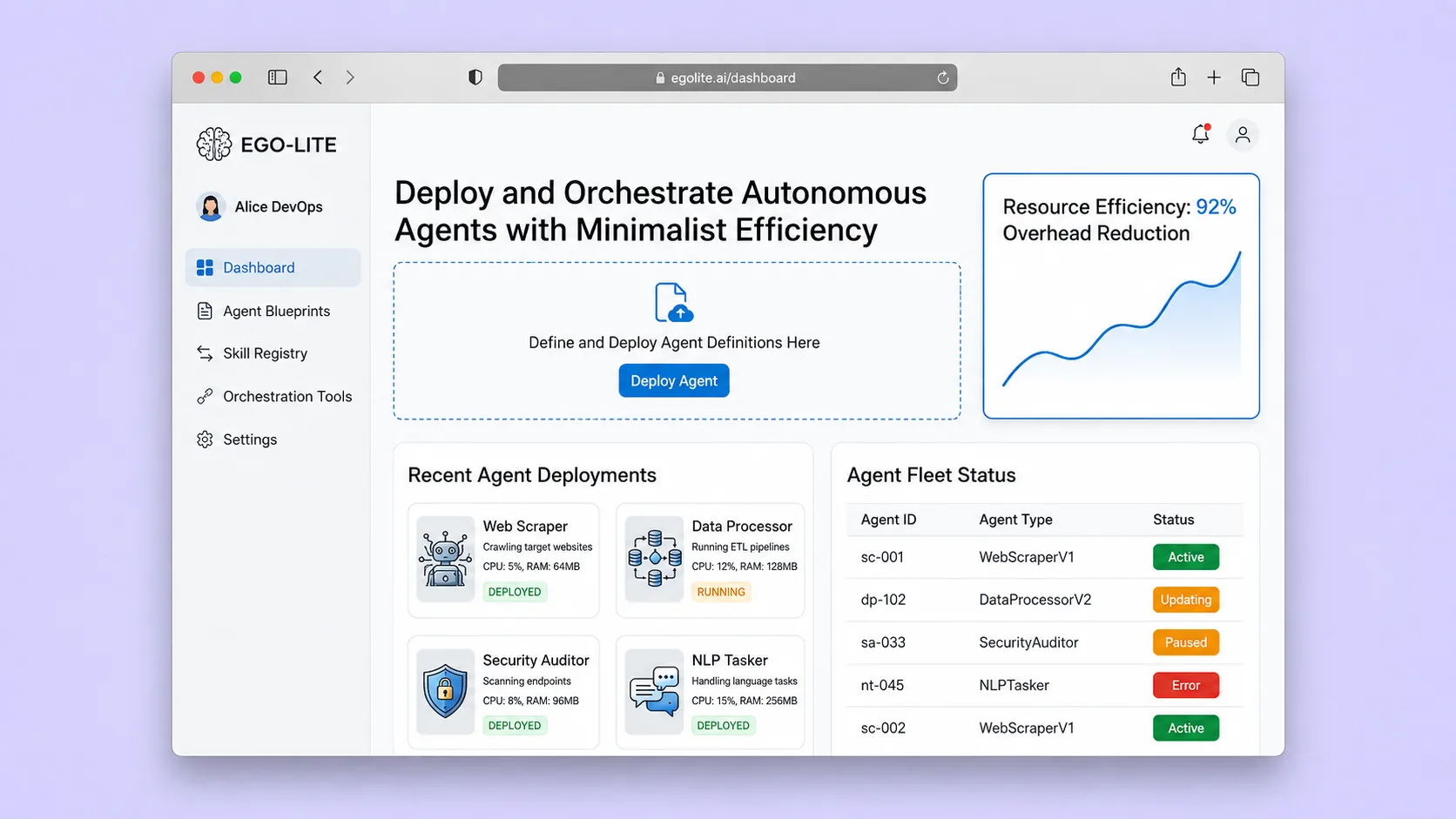
AI ToolDeveloper & IT Operations
A macOS browser that lets AI coding agents operate in isolated Spaces using the user's authenticated browser state, so agents and humans never compete for the same tabs.
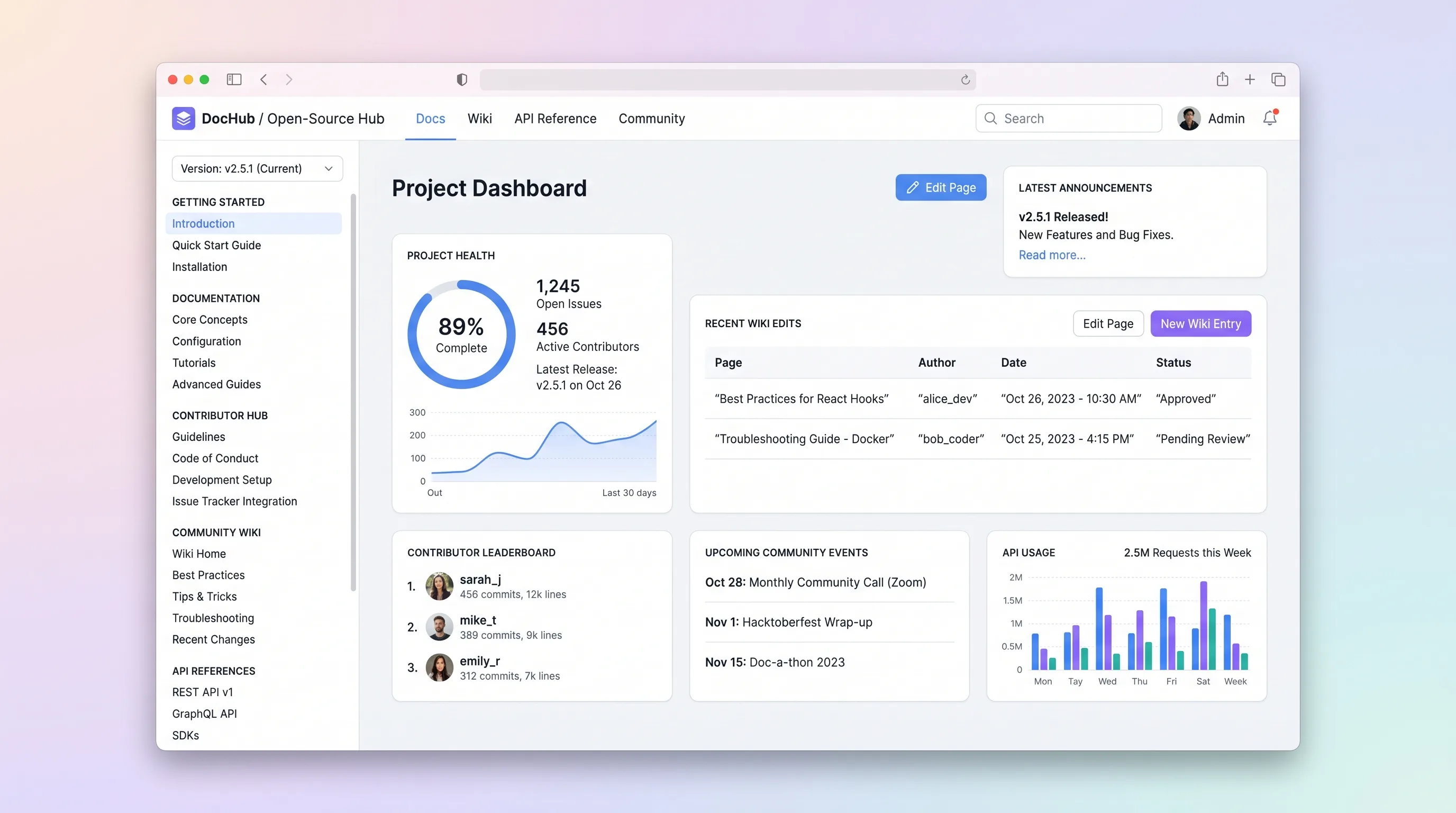
SaaS WorkflowDeveloper & IT Operations
A hosted documentation platform where open-source maintainers publish versioned docs and API references while community contributors submit wiki edits through a review queue.
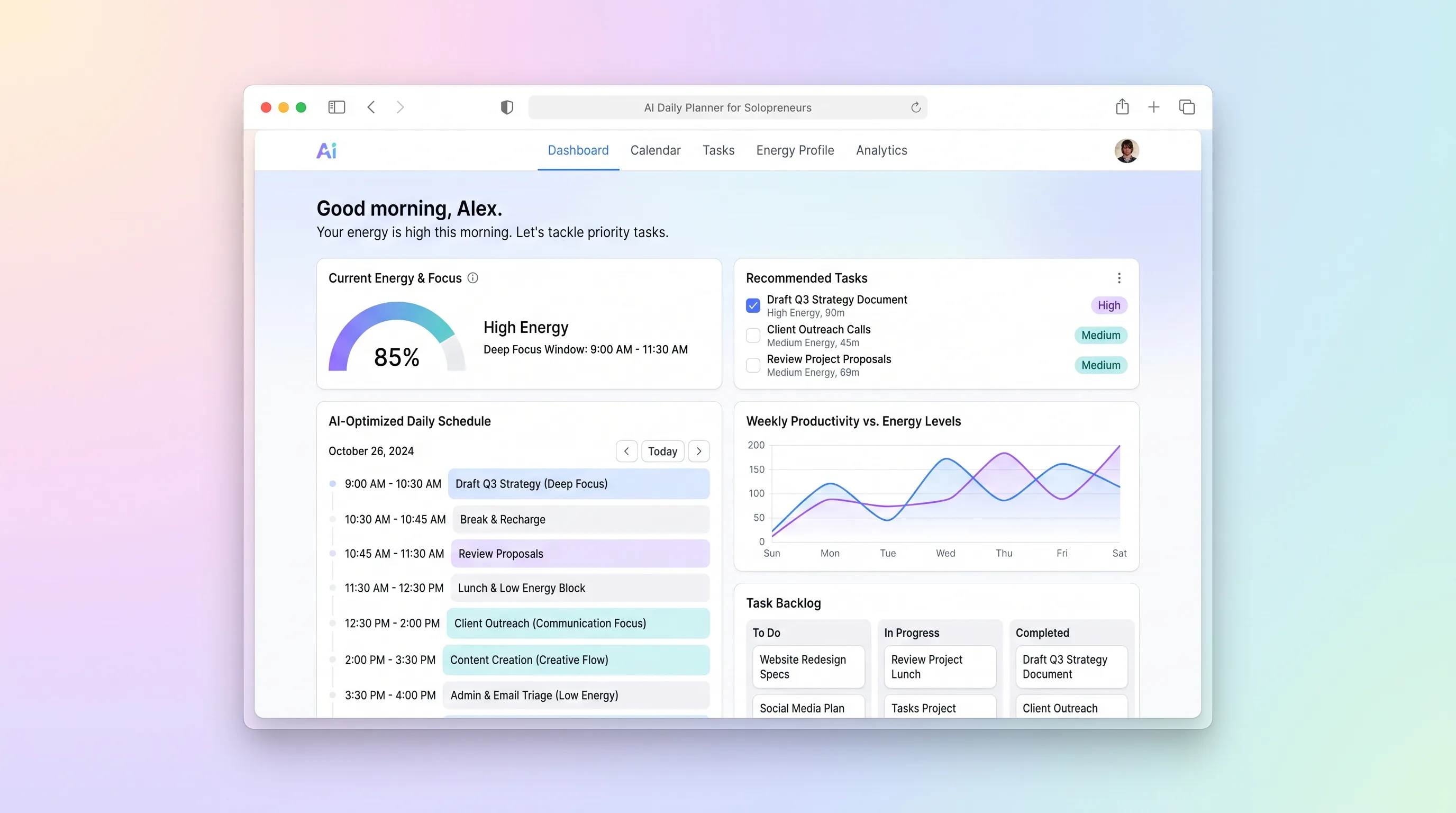
AI ToolBusiness Operations
A daily planning tool that maps solopreneur tasks to personal energy windows using AI prioritization, calendar sync, and CSV import from existing task tools.
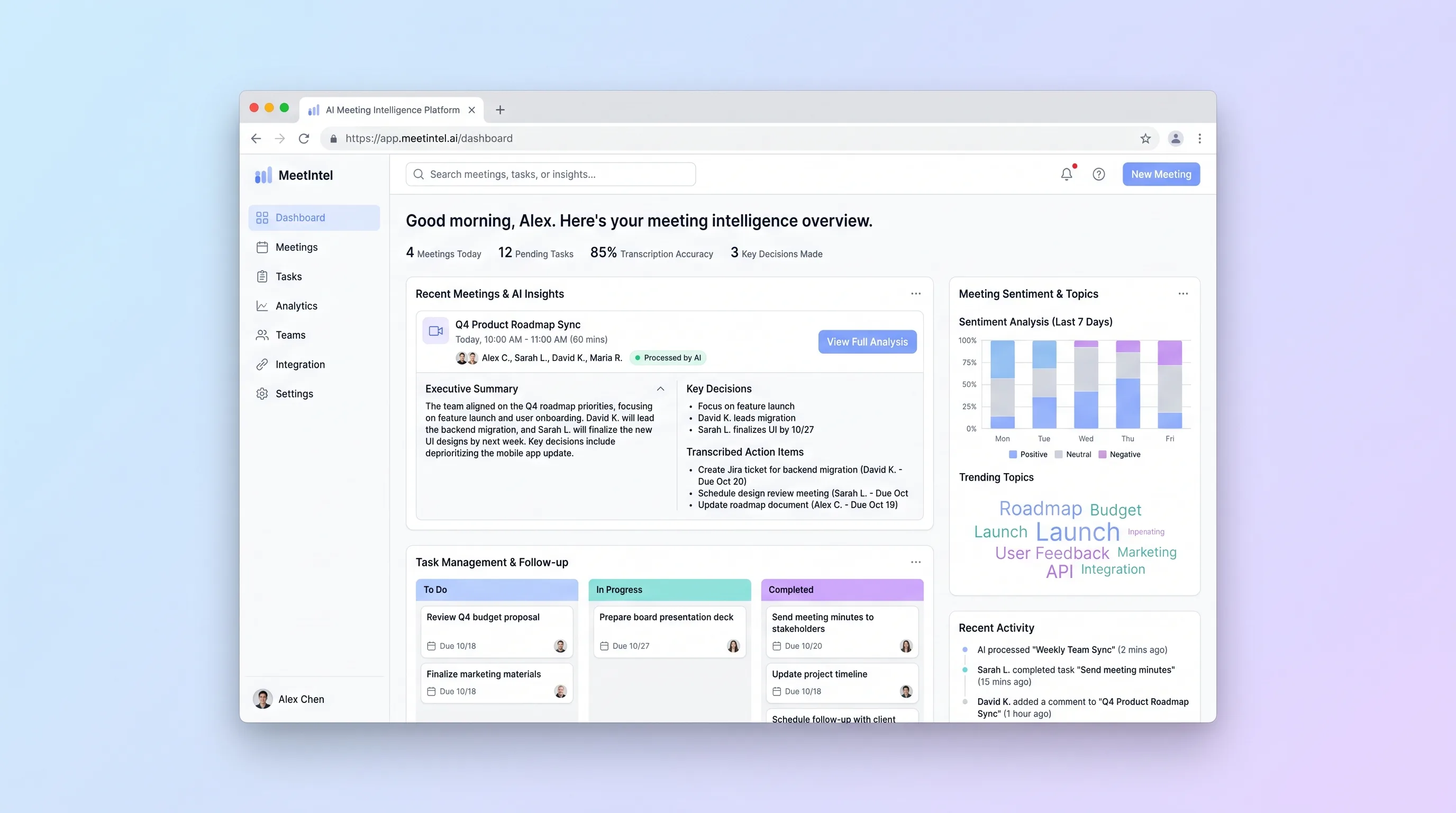
AI ToolBusiness Operations
An upload-first processor for teams that need a dependable transcript, editable call summary, and assignable actions from a recorded video meeting.
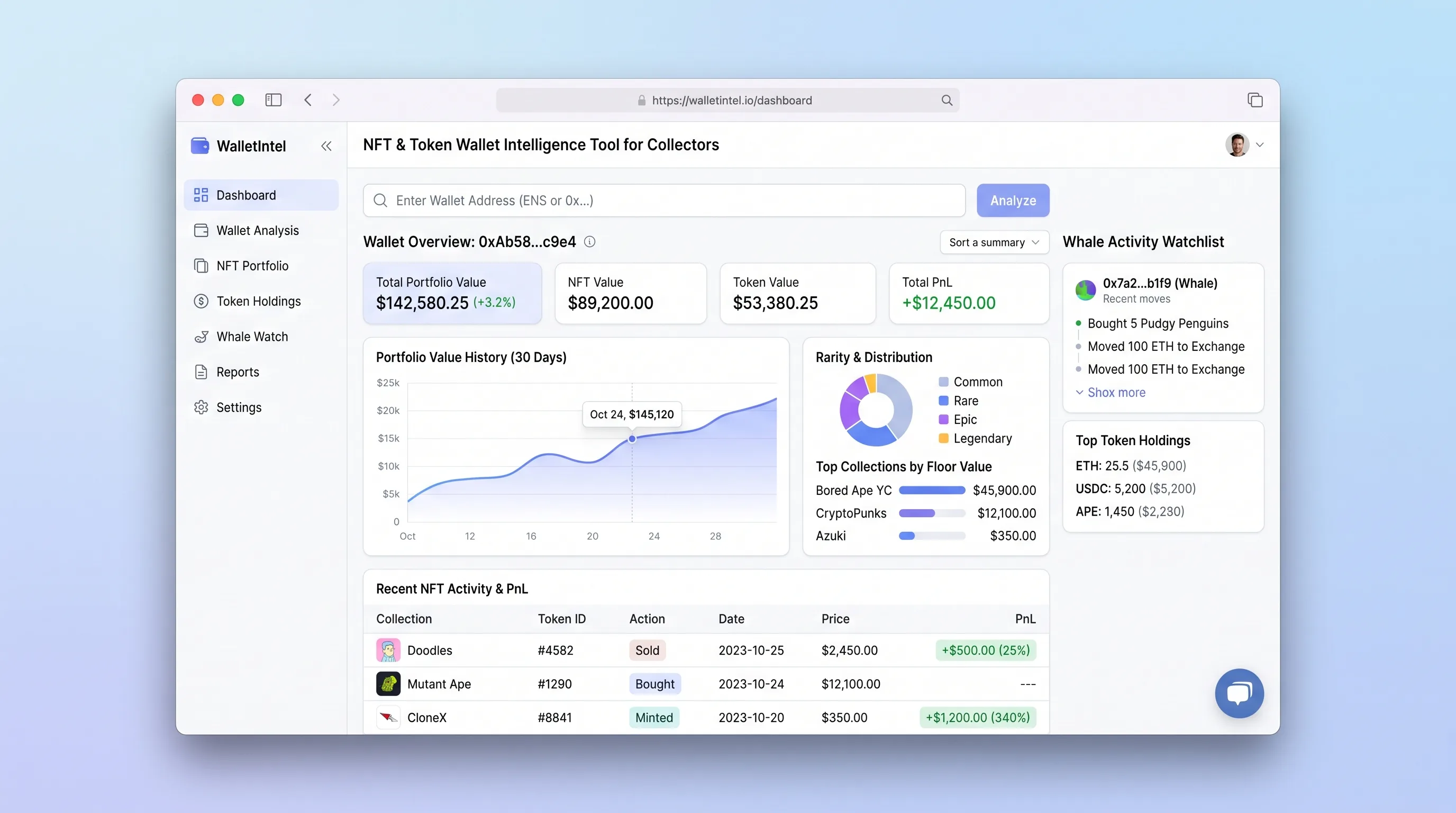
AI ToolCreator Economy & Media
Paste any public wallet address and within seconds see a complete NFT and token breakdown—floor value, rarity, realized PnL, and whale activity—with no login required.