Build this if
Host manages 3+ properties and currently spends 5+ hours weekly on manual pricing, messaging, and cleaning coordination.
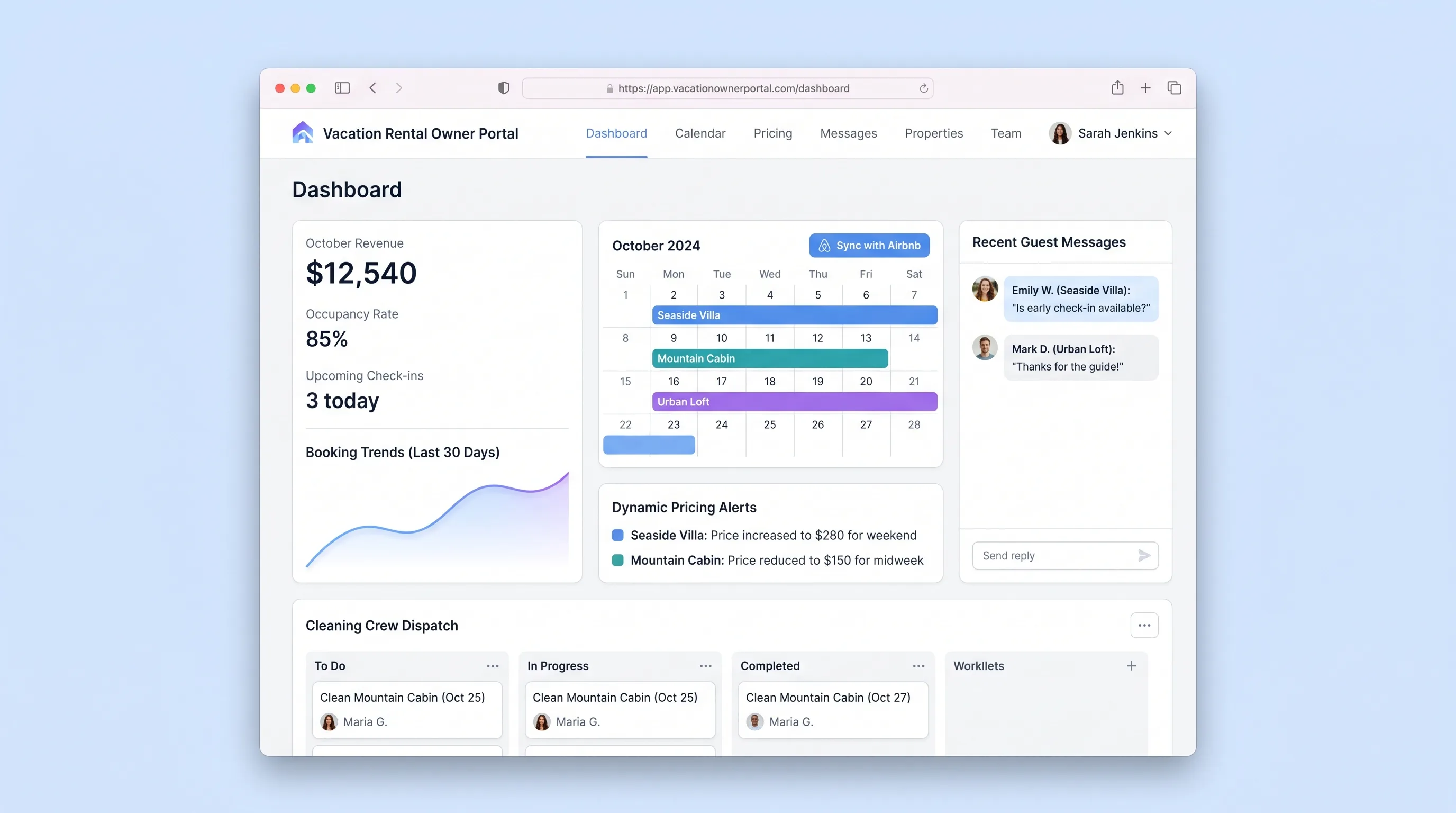
A focused SaaS workflow for short-term rental hosts to manage multiple properties, sync calendars, apply dynamic pricing, automate guest messaging, and dispatch cleaning crews from one dashboard.
Decision snapshot
Host manages 3+ properties and currently spends 5+ hours weekly on manual pricing, messaging, and cleaning coordination.
Target host manages a single listing or already uses a full-stack PMS like Guesty or Hostaway.
Recruit 5 hosts managing 3-10 properties; measure reduction in manual messaging hours and pricing adjustment time over a 30-day pilot.
Problem and target customer
Short-term rental hosts juggle calendar availability across platforms, manually adjust nightly rates, respond to repetitive guest questions, and coordinate cleaning crews through separate tools or spreadsheets—leading to double-bookings, underpriced nights, slow response times, and missed cleanings.
Independent vacation rental hosts managing 2–20 properties who need operational control without enterprise PMS complexity.
Monthly SaaS subscription tiered by property count, with usage-based add-ons for LLM-generated guest messages and dynamic pricing recalculations.
Editorial note
This portal targets independent hosts managing a small portfolio of vacation rentals who are underserved by enterprise PMS platforms. The MVP narrows scope to one workflow: sync availability, adjust pricing, respond to guests, and dispatch cleanings.
Dynamic pricing stays rule-based rather than algorithmic to keep the MVP transparent and auditable. Hosts approve rate changes before they propagate, preventing unexpected underpricing during the pilot phase.
Guest messaging uses an LLM only for drafting replies from property context—not for autonomous sending. This reduces manual typing by an estimated 70% while keeping the host in control of every guest interaction.
Choose your next step
Evaluate the operating tradeoffs quickly, or inspect how to build the MVP.
Compare the three operating paths at the default workload before opening the full calculator.
See cost preview Build this ideaInspect the build blueprintReview MVP scope, workflow, states, data rules, architecture, and acceptance criteria.
Open blueprintEvaluation preview
Directional infrastructure estimates for the current 1,000 generated outputs assumption. Open the full calculator when you are ready to change it.
Managed app hosting, database, backups, and basic observability for the ai-generation workflow.
Lowest operating effortOne small VPS running the app, database, media volume, and backup job.
Lowest baseline costSeparate app, data, storage, and worker capacity for cleaner operations.
Most separation and controlBuild blueprint
Product goal
MVP scope
UX and user flow
Overview of all properties with occupancy, nightly rate, unread messages, and pending cleanings
Per-property availability calendar showing booked, blocked, and available nights from iCal import
Set base rate and rules for weekend premium, seasonal uplift, and last-minute discounts with preview of adjusted nightly rates
Unified message thread per guest inquiry with LLM-drafted reply and property context sidebar
List of cleaning tasks linked to checkout dates with crew assignment and completion status
Core entity outline
Represents a vacation rental listing with base rate and iCal source
A reservation synced from external calendar with check-in and check-out dates
A host-configured rule that adjusts nightly rates based on conditions
An inbound guest inquiry and the drafted or sent response
A cleaning job linked to a booking checkout with crew assignment
Architecture and data flow
Renders property dashboard, calendar, pricing config, inbox, and cleaning dispatch UI with auth
Computes nightly rates from base rate and approved pricing rules, flags outliers
Generates guest reply drafts from property context and conversation history via OpenAI
Polls external iCal feeds on schedule and updates booking availability in Postgres
Deliverables and acceptance
Recommended stack
Rapid build of property dashboard, calendar views, and messaging inbox with Supabase auth.
Stores properties, bookings, pricing rules, messages, and cleaning tasks with row-level security per host.
Scheduled iCal polling, webhook triggers for new messages, and cleaning task notifications.
Hosts the pricing engine and LLM message-drafting service as containerized workers.
Generates context-aware guest reply drafts from property details and conversation history.
Lovable handles the dashboard UI with built-in Supabase auth. Railway runs the pricing calculation and LLM drafting logic as separate services. Make bridges external iCal feeds and message webhooks without building custom polling infrastructure.
Copy the build prompt, model the operating cost, and choose where to deploy.
Execution
Once the blueprint is clear, use the prompt, cost model, and deployment options to start building.
Build prompt
Lovable
Build prompt
Open the prompt pack whenever you are ready to take this blueprint into your builder.
Build prompt ready
Copy the prompt into your builder, then use the cost model below to choose how you want to run it.
Use the cost model to choose a deployment path that matches the build plan.
Cost calculator
A technical run-cost estimate for the first production version. Team, acquisition, payment fees, and business COGS are excluded.
$15-$78 per 500 generated outputs
Low and high values allow for usage variance and plan headroom.
Managed app hosting, database, backups, and basic observability for the ai-generation workflow.
50K generated outputs included, then $8-$20 per 100K generated outputsPayment processor is implied by the source workflow or feature list.
100 included, then $0-$5 per 100 generated outputsCalendar API is implied by the source workflow or feature list.
Monthly allowance from this idea's operating profileObject storage is implied by the source workflow or feature list.
Monthly allowance from this idea's operating profileThe estimate combines the selected infrastructure path, required operating modules, selected optional modules, and usage above included monthly allowances. Taxes and regional uplifts are excluded.
Deployment options
Choose based on operating preference, not only the headline price.
Fast Docker deployment for the app, database, worker, and preview workflow without managing a VPS.
Usage billing needs active monitoring as traffic and jobs grow.
Run the app, worker, and database on one small Vultr VPS with Docker Compose and explicit backups.
You own patching, backups, monitoring, and incident response.
Separate application, worker, data, storage, and backup responsibilities as the workload grows.
You own server setup, patching, backups, and operational monitoring.
Start building
Build the multi-property dashboard, calendar view, pricing configuration panel, guest inbox, and cleaning dispatch screen with Supabase auth and Postgres tables.
Open Lovable 02AutomationiCal Sync and Message Webhook AutomationConfigure scheduled Make scenarios to poll iCal feeds every 15 minutes, push availability updates to Postgres, and trigger cleaning task creation on checkout webhooks.
Open Make 03DeployPricing Engine and LLM Drafting ServiceDeploy a Node or Python service on Railway that computes nightly rates from pricing rules and calls OpenAI to draft guest replies from property context and conversation history.
Open RailwayKeep exploring
SaaS WorkflowSales & Marketing
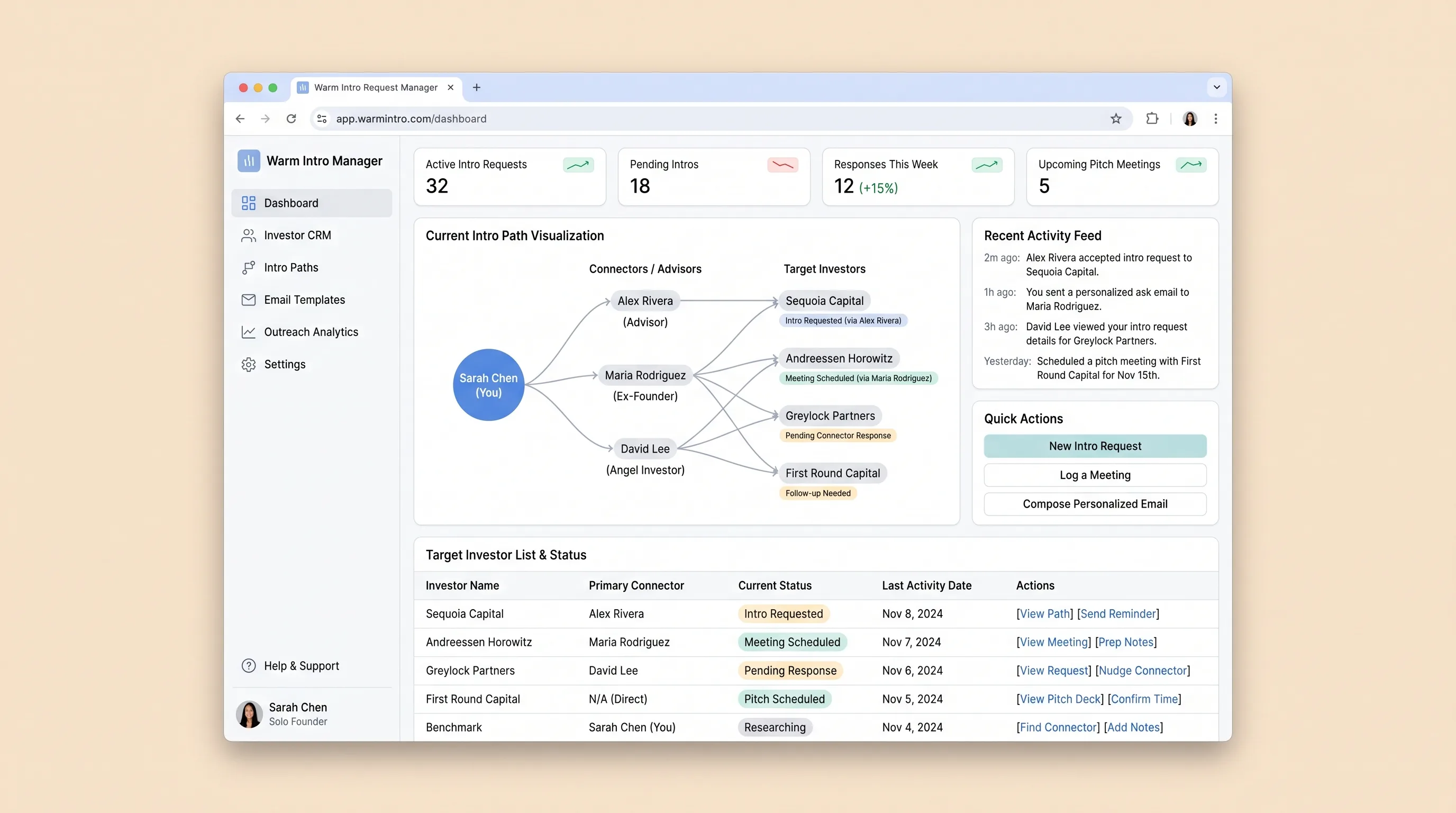
A focused SaaS workspace where solo founders map target investors, identify warm intro paths through connectors, and send personalized ask emails without juggling spreadsheets and generic CRM tools.
SaaS WorkflowProfessional Services
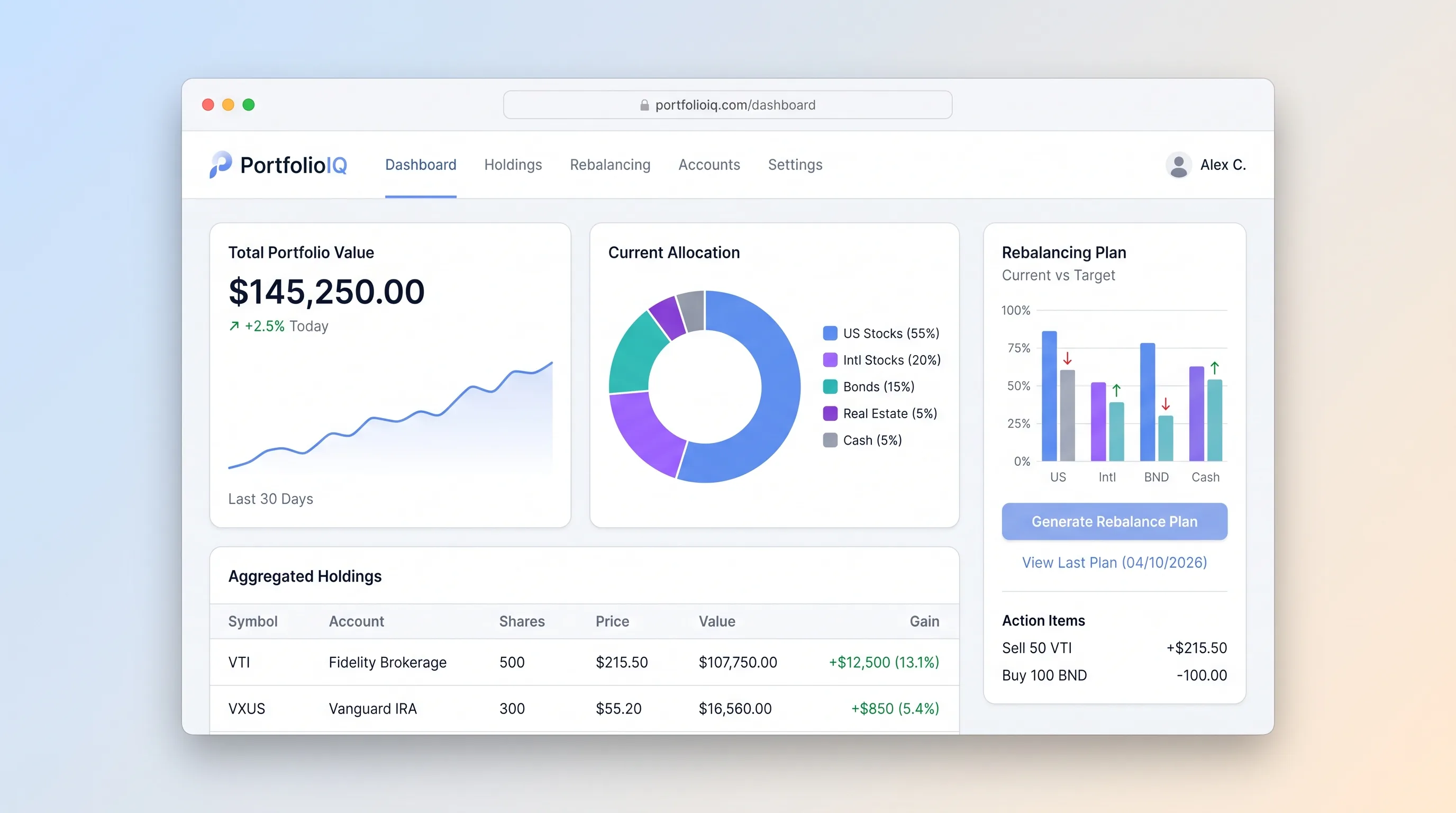
Import positions across multiple brokerage accounts, compare current allocation against a target model, and generate actionable rebalancing trade plans.
SaaS WorkflowReal Estate
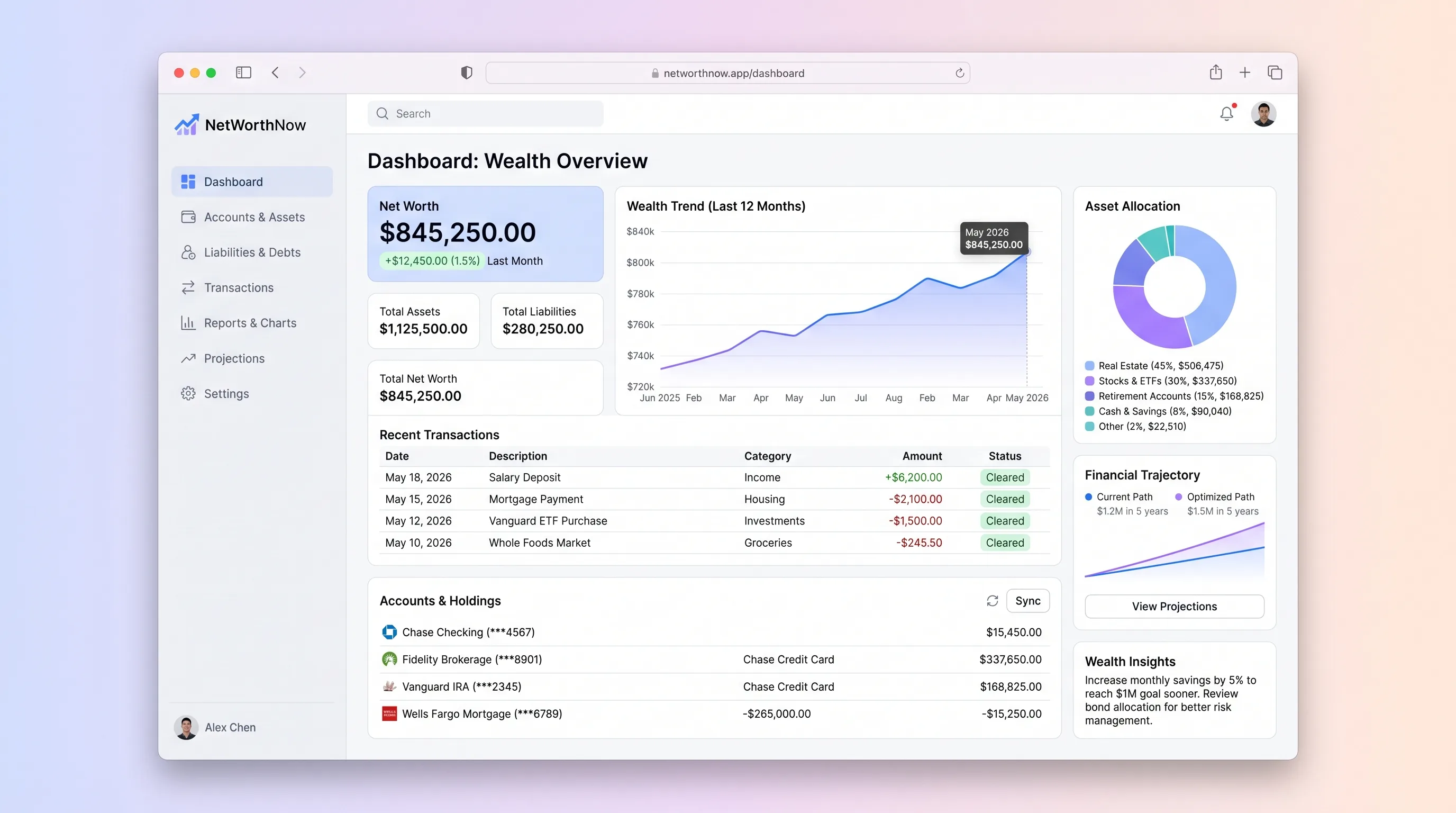
A focused net worth tracker for real estate operators to aggregate property assets and debts, capture monthly snapshots, and visualize wealth trajectory without spreadsheets.
SaaS WorkflowReal Estate
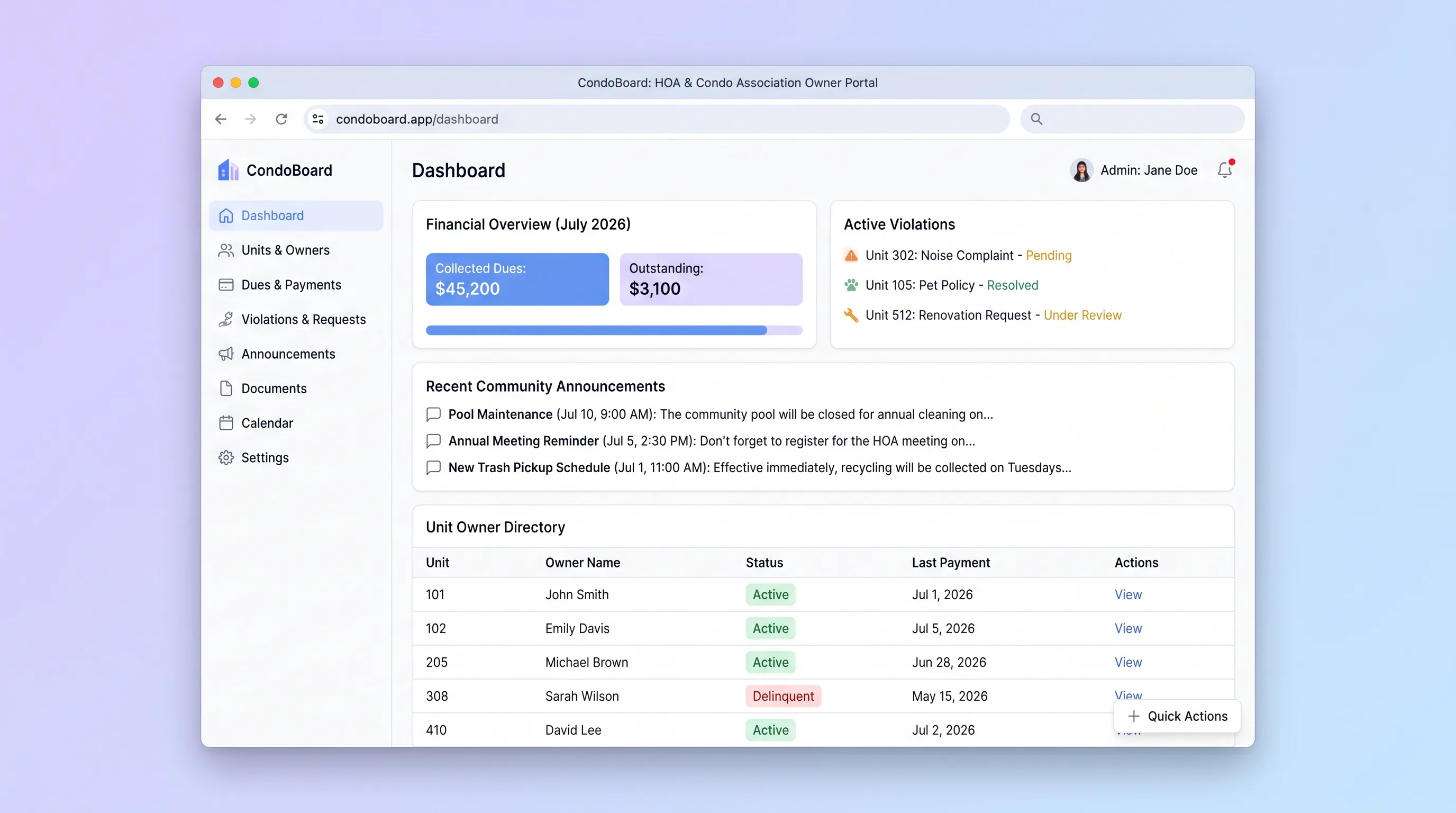
Self-service portal where condo association boards manage unit owners, track dues payments, log violations, and publish community announcements without spreadsheets or email threads.
MarketplaceHospitality & Travel
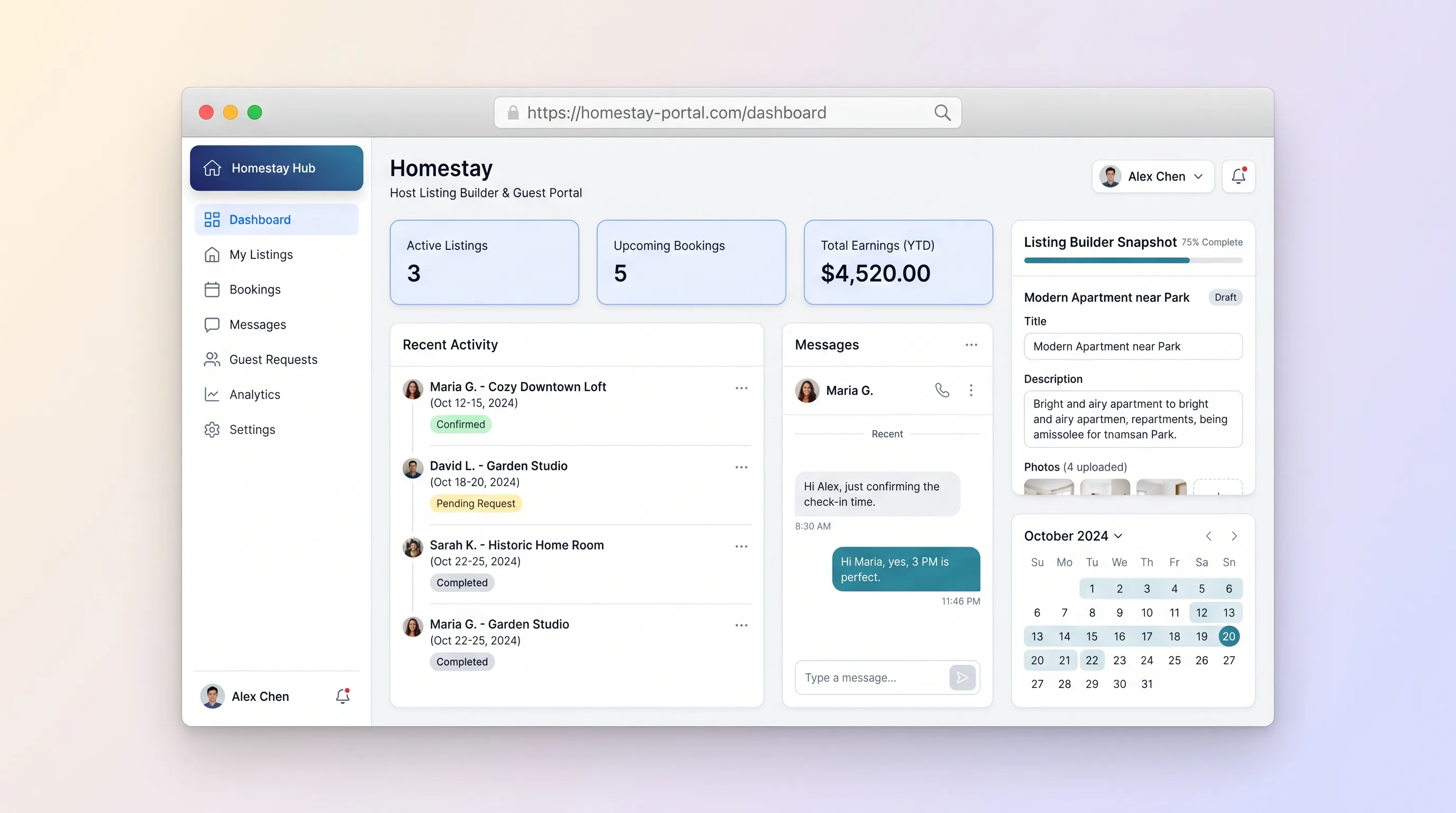
A dual-sided marketplace where homestay hosts create rich property listings with photos, amenities, and pricing, and guests search by location, message hosts, submit booking requests, and track status from pending to confirmed.
SaaS WorkflowProfessional Services
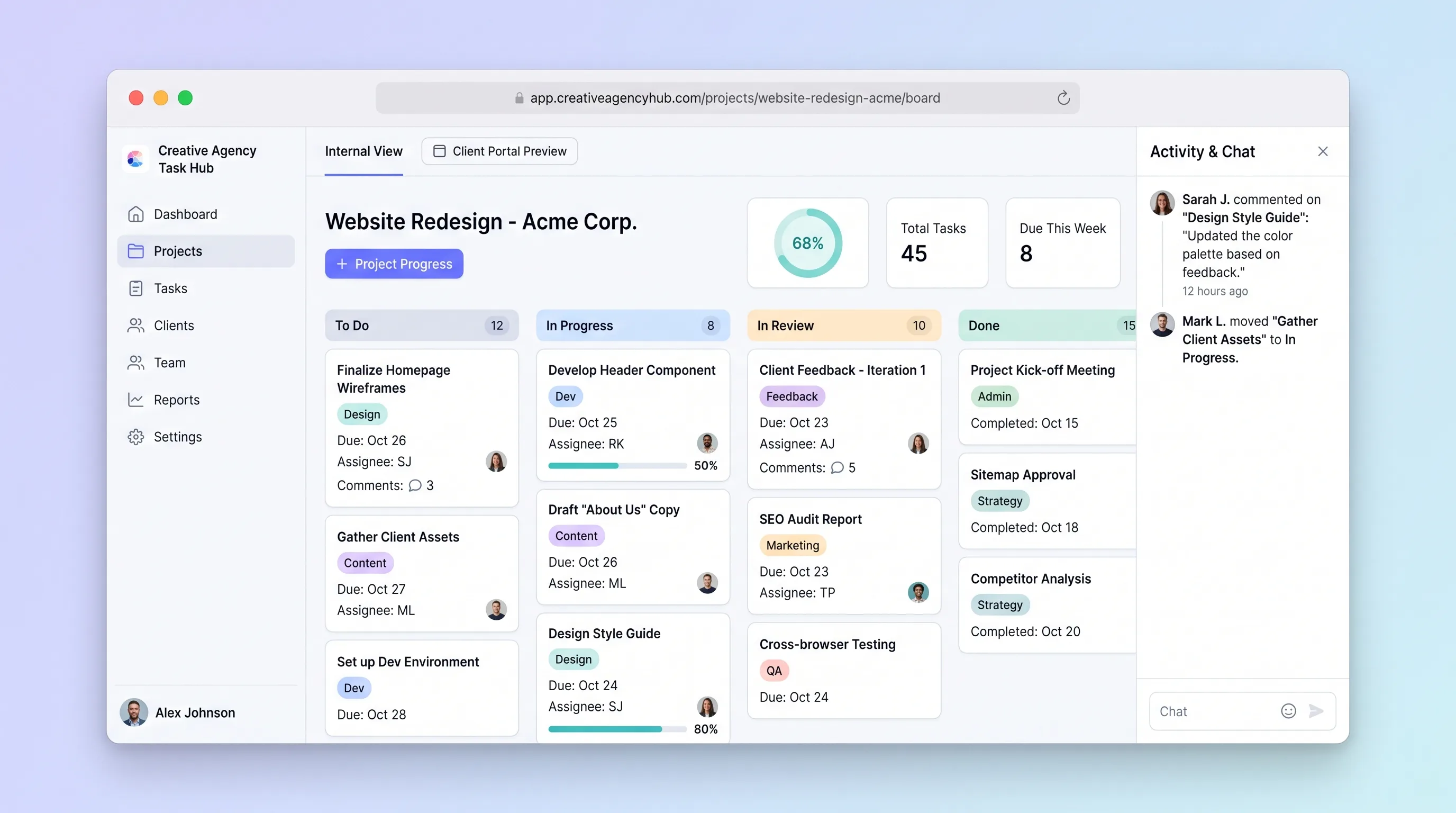
A focused project tracker where small creative agencies manage deliverables on an internal kanban board and share branded client portals for progress review and approvals without email chains.