Build this if
You can reach influencers managing multiple concurrent sponsorships who currently lose track of deadlines or payments.
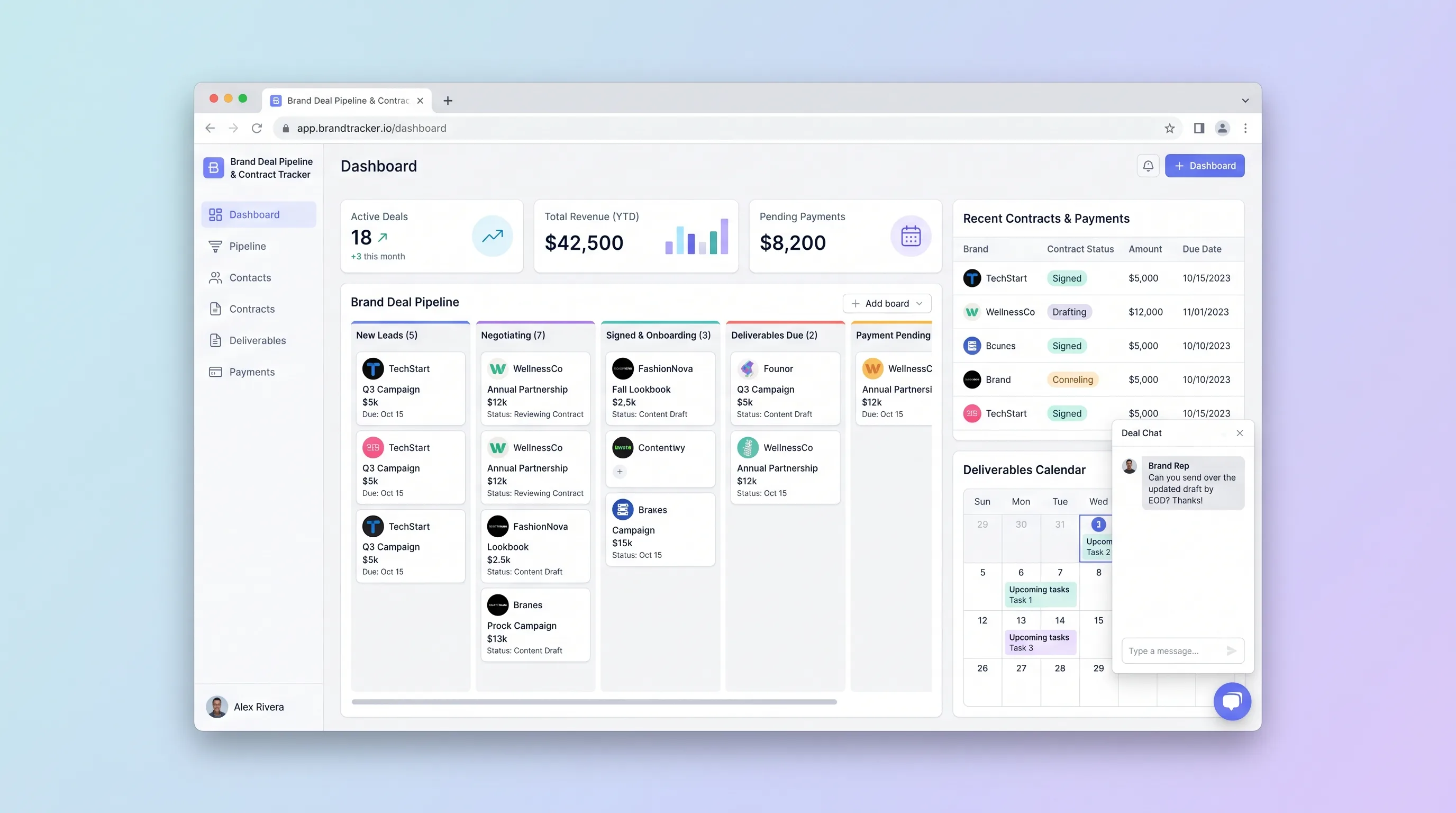
A focused CRM where solo influencers and small creator teams manage sponsorship leads from first pitch through signed contract, deliverable deadlines, and payment reconciliation.
Decision snapshot
You can reach influencers managing multiple concurrent sponsorships who currently lose track of deadlines or payments.
Your target users manage fewer than three brand deals at a time and a spreadsheet already suffices.
Recruit ten influencers managing five-plus active deals; confirm at least six log deal updates weekly for one month.
Problem and target customer
Influencers juggle brand deals across DMs, spreadsheets, and email, losing track of negotiation status, deliverable deadlines, and outstanding payments.
Solo influencers and small creator teams managing five to fifty active brand partnerships who need a dedicated pipeline instead of repurposing generic CRM or spreadsheet tools.
Monthly SaaS subscription with usage-based add-ons for high-volume creators managing many concurrent deals.
Editorial note
Influencers managing multiple brand partnerships simultaneously lose visibility into where each deal stands, what deliverables are due, and which payments remain outstanding. A dedicated pipeline tracker replaces the patchwork of spreadsheets, DMs, and calendar reminders with one workspace built around the sponsorship lifecycle.
The MVP focuses on a single primary workflow: moving a brand deal from initial pitch through negotiation, contract, deliverable completion, and payment. By excluding marketplace discovery, e-signature, and team collaboration, the first version ships faster and validates whether influencers will pay for structured deal management alone.
An LLM module is included because the source explicitly lists an LLM API integration and the email template library benefits from context-aware draft generation using stored rate cards and deal details. Calendar sync ensures deadline reminders reach the influencer's existing scheduling workflow rather than requiring them to check a separate app.
Choose your next step
Evaluate the operating tradeoffs quickly, or inspect how to build the MVP.
Compare the three operating paths at the default workload before opening the full calculator.
See cost preview Build this ideaInspect the build blueprintReview MVP scope, workflow, states, data rules, architecture, and acceptance criteria.
Open blueprintEvaluation preview
Directional infrastructure estimates for the current 1,500 relationship records assumption. Open the full calculator when you are ready to change it.
Managed app hosting, database, backups, and basic observability for the crm workflow.
Lowest operating effortOne small VPS running the app, database, media volume, and backup job.
Lowest baseline costSeparate app, data, storage, and worker capacity for cleaner operations.
Most separation and controlBuild blueprint
Product goal
MVP scope
UX and user flow
Kanban-style view of all brand deals organized by stage with drag-and-drop advancement
Side panel showing full deal context including deliverables, payments, notes, and activity log
Reference view of stored rates per content type for quick access during negotiation
Draft outreach or follow-up emails using templates and LLM generation with deal context
Dashboard showing total invoiced, received, and outstanding payments for the current month
Core entity outline
Represents a company the influencer is negotiating or working with
Core pipeline record tracking a single sponsorship opportunity through stages
Individual content item owed under a deal with a specific deadline
Tracks invoiced amount and receipt status for a deal
Stored pricing reference per content type for the workspace
Architecture and data flow
CRUD operations for deals, deliverables, and payments with stage transition validation
Daily cron job checking deliverable deadlines and overdue payments, triggering notifications
Calls LLM API with deal context and template to generate outreach or follow-up drafts
Deliverables and acceptance
Recommended stack
Rapid card-based UI with pastel-themed pipeline board and mobile-friendly responsive layout for on-the-go deal updates.
Relational database for brands, deals, deliverables, and payments with row-level security for per-workspace isolation.
Bounded integration for calendar sync and transactional email triggers when deal stages change or deadlines approach.
Deploys the backend API and scheduled jobs for deadline reminders and payment follow-up notifications.
Generates pitch and follow-up email drafts using deal context and stored rate card data.
Lovable accelerates the card-based pipeline UI with the specified lavender and mint pastel aesthetic. Supabase provides the relational schema needed for interconnected deal, deliverable, and payment records. Make handles only the glue between stage changes and external calendar or email services. Railway hosts scheduled reminder jobs. OpenAI powers the email drafting feature explicitly listed in the source integrations.
Copy the build prompt, model the operating cost, and choose where to deploy.
Execution
Once the blueprint is clear, use the prompt, cost model, and deployment options to start building.
Build prompt
Lovable
Build prompt
Open the prompt pack whenever you are ready to take this blueprint into your builder.
Build prompt ready
Copy the prompt into your builder, then use the cost model below to choose how you want to run it.
Use the cost model to choose a deployment path that matches the build plan.
Cost calculator
A technical run-cost estimate for the first production version. Team, acquisition, payment fees, and business COGS are excluded.
$13-$68 per 750 relationship records
Low and high values allow for usage variance and plan headroom.
Managed app hosting, database, backups, and basic observability for the crm workflow.
50K relationship records included, then $8-$20 per 100K relationship recordsTransactional email is implied by the source workflow or feature list.
3K relationship records includedPayment processor is implied by the source workflow or feature list.
100 included, then $0-$5 per 100 relationship recordsThe estimate combines the selected infrastructure path, required operating modules, selected optional modules, and usage above included monthly allowances. Taxes and regional uplifts are excluded.
Deployment options
Choose based on operating preference, not only the headline price.
Fast Docker deployment for the app, database, worker, and preview workflow without managing a VPS.
Usage billing needs active monitoring as traffic and jobs grow.
Run the app, worker, and database on one small Vultr VPS with Docker Compose and explicit backups.
You own patching, backups, monitoring, and incident response.
Separate application, worker, data, storage, and backup responsibilities as the workload grows.
You own server setup, patching, backups, and operational monitoring.
Start building
Create a responsive card-based pipeline UI with lavender and mint pastel accents, drag-and-drop stage columns, and a deal detail drawer showing deliverables, payments, and activity log.
Open Lovable 02AutomationWire calendar sync and email triggersConfigure bounded Make scenarios to export deliverable deadlines to the user's calendar and send transactional email reminders when a deal stage changes or a payment due date passes.
Open Make 03DeployDeploy scheduled reminder jobsHost a lightweight cron service on Railway that checks upcoming deliverable deadlines and overdue payments daily, triggering Make scenarios or direct email sends.
Open RailwayKeep exploring
SaaS WorkflowRetail
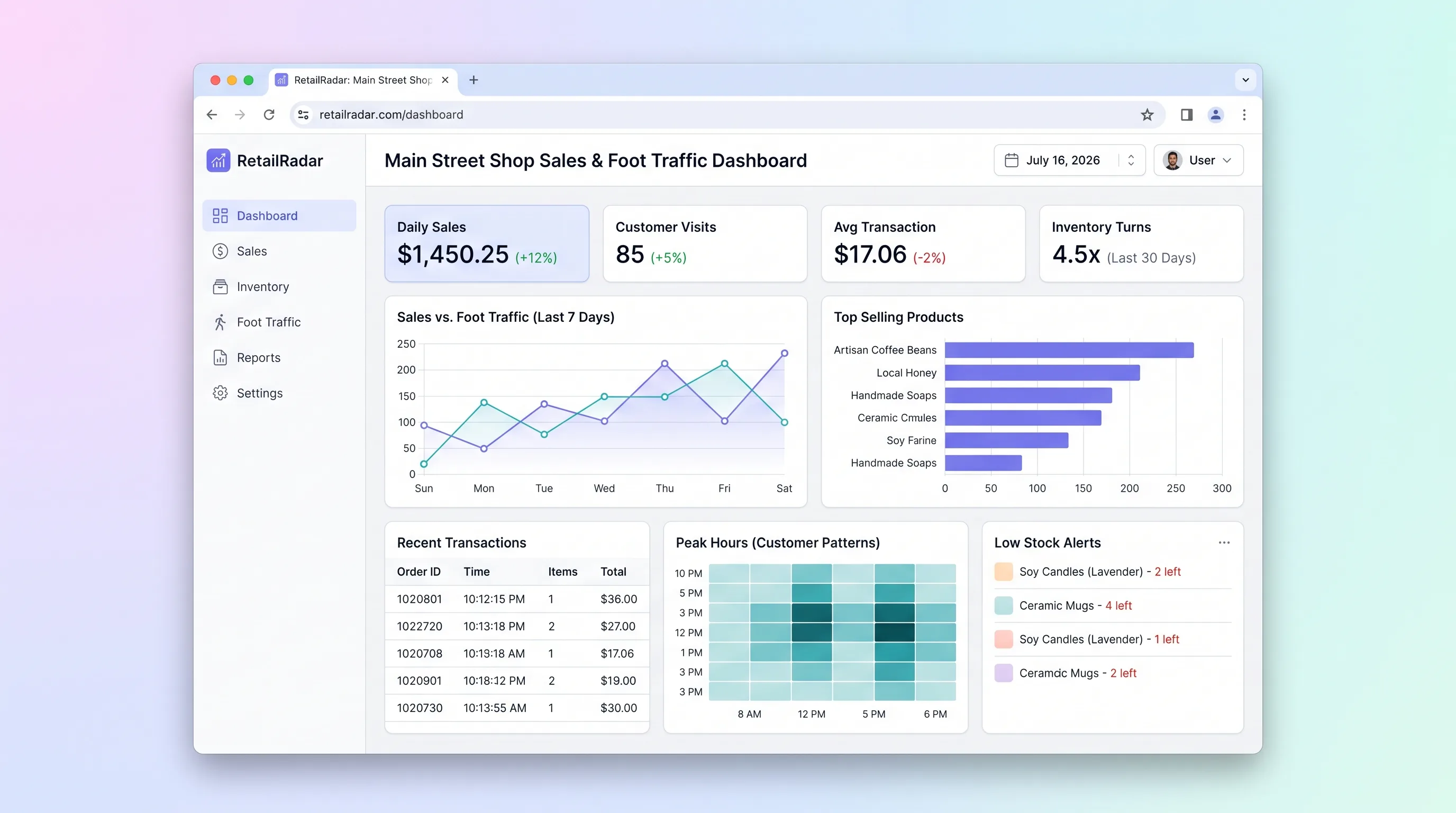
Analytics hub for independent retail store owners to import daily sales data, visualize best and worst performing days and products, flag low-stock SKUs, and set revenue goals.
EcommerceRetail
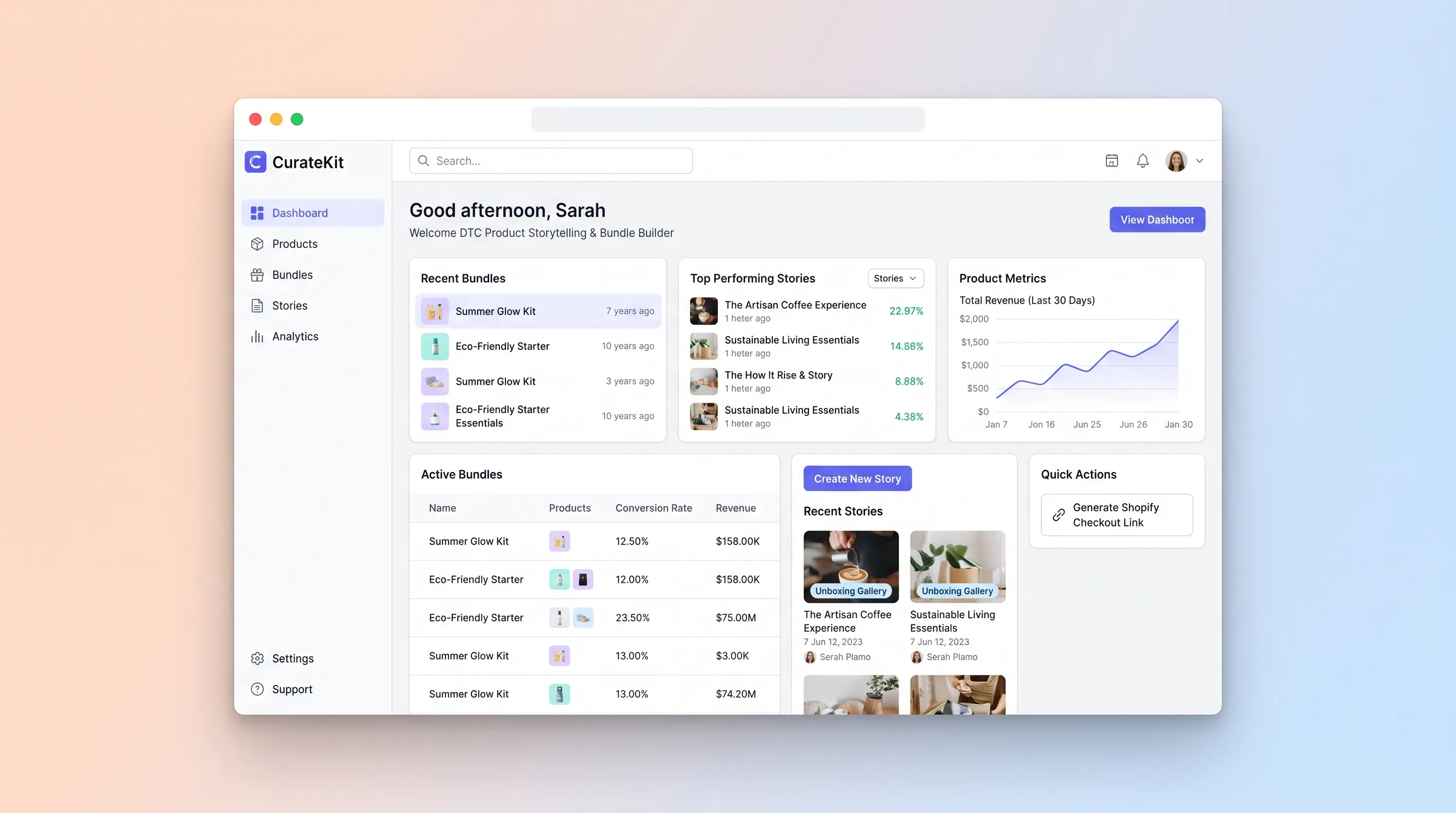
A no-code workspace where DTC brand owners assemble editorial product story pages with bundle configurators and UGC galleries, then publish Shopify-ready checkout links.
Website & Lead GenerationHome & Local Services
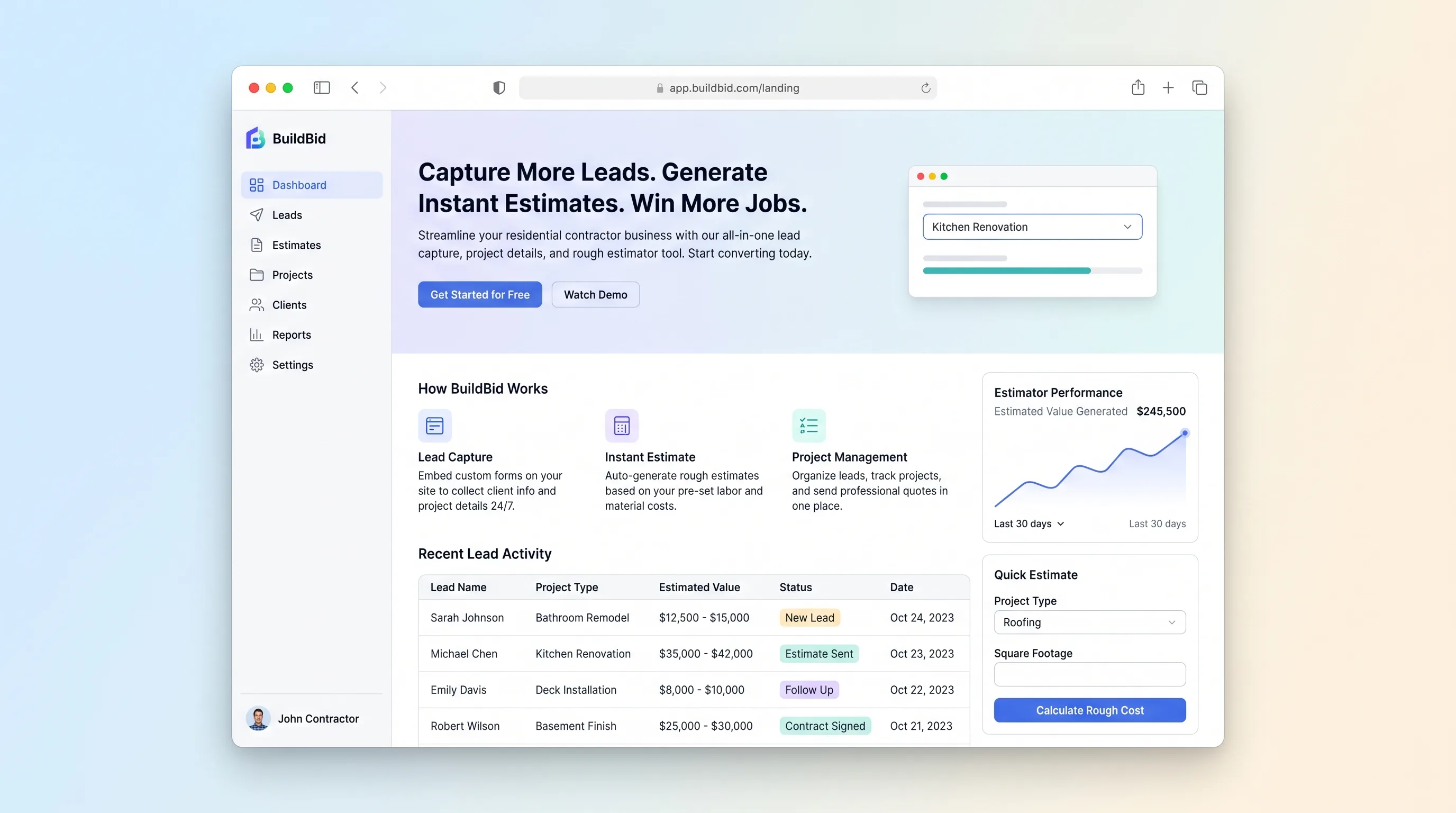
A conversion-focused lead capture site where homeowners submit project details in under two minutes and receive an instant rough estimate, while contractors review qualified leads in a dashboard within seconds.
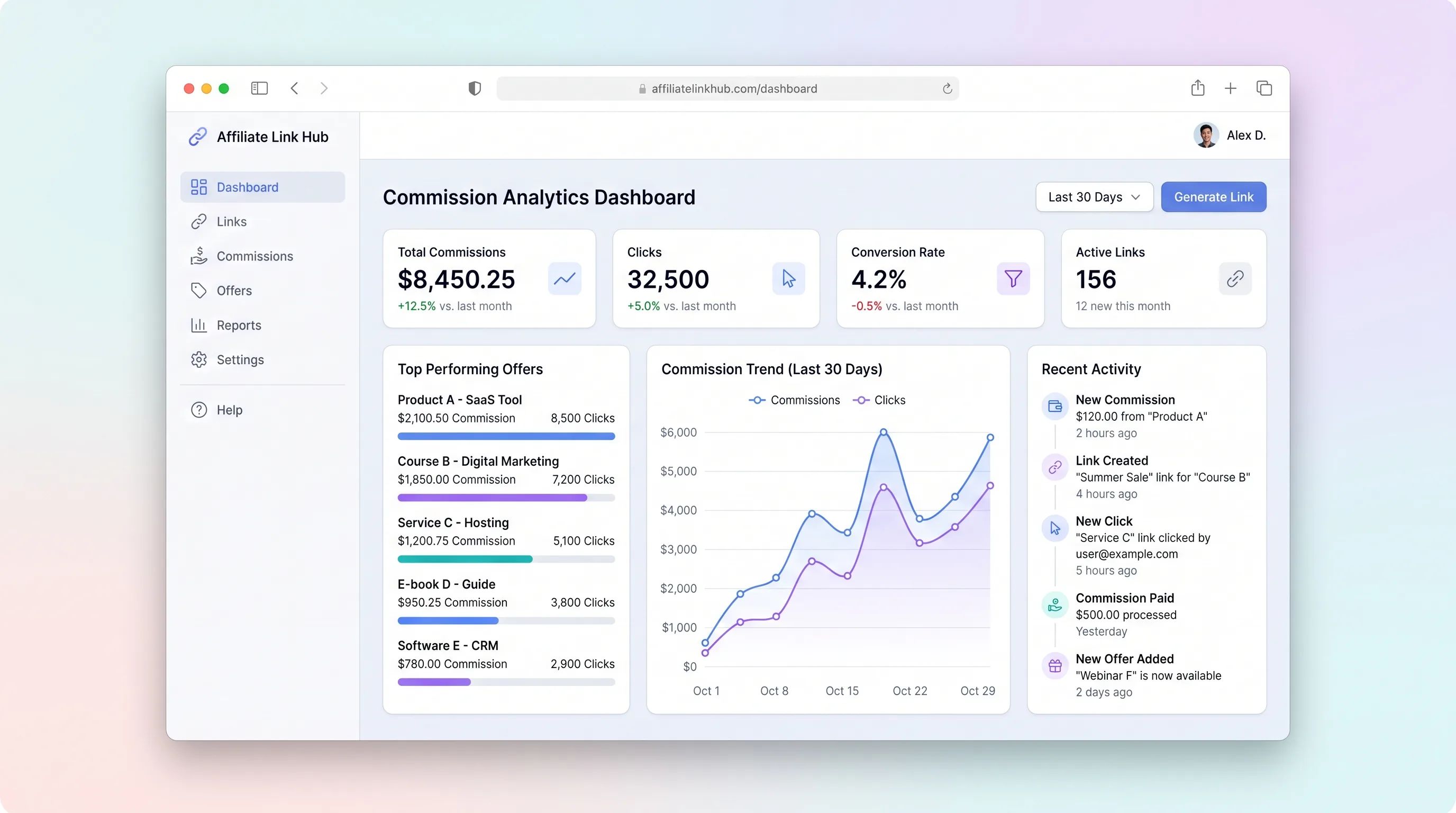
SaaS WorkflowCreator Economy & Media
A focused workspace where creators import affiliate programs, distribute tracked links, monitor click and commission trends, and log payouts without juggling spreadsheets.
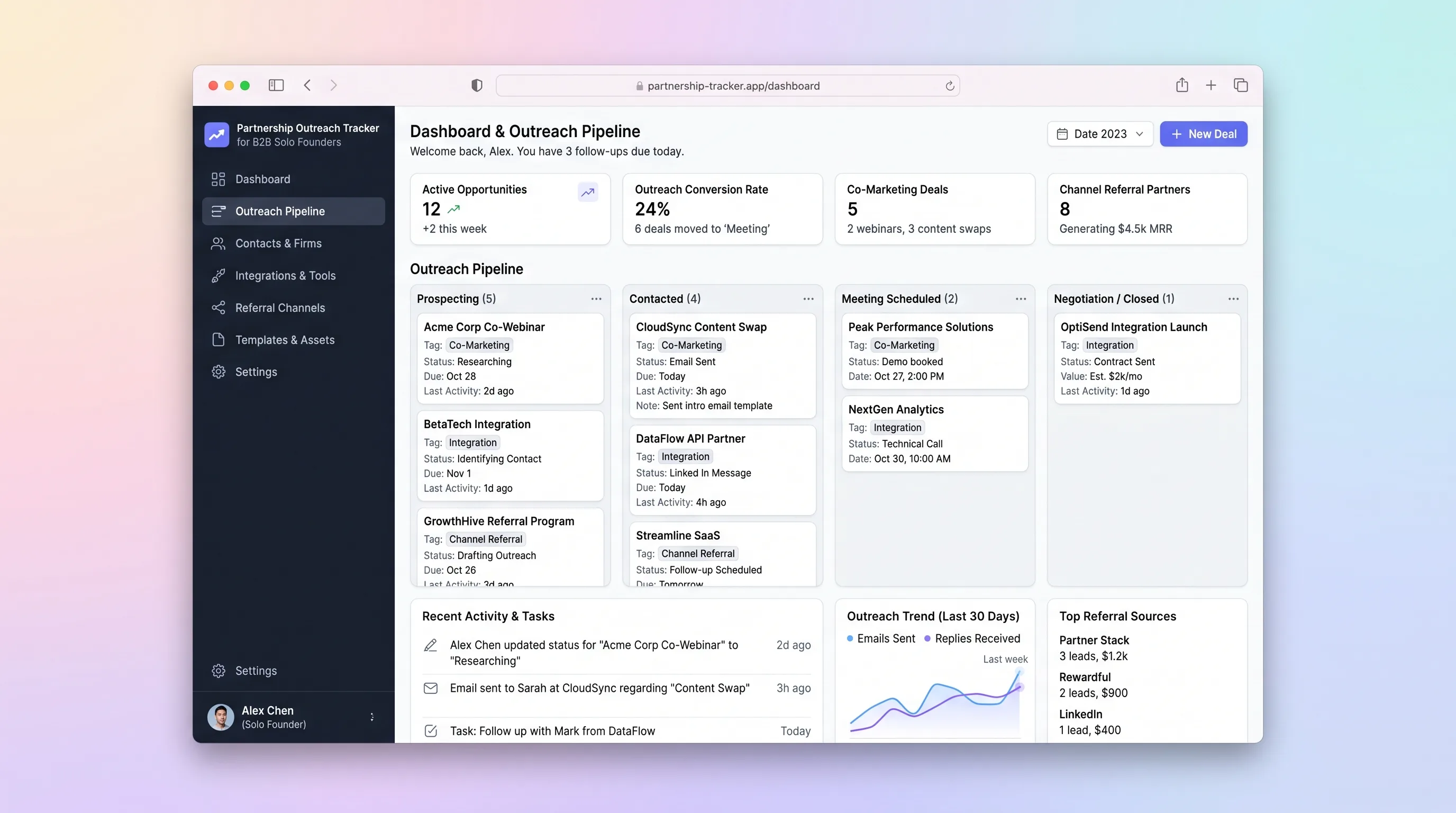
SaaS WorkflowSales & Marketing
A single-workspace outreach tracker that lets a solo B2B founder run a 30-partner campaign, log email replies, schedule follow-ups, and close co-marketing or integration deals without juggling spreadsheets and Gmail.
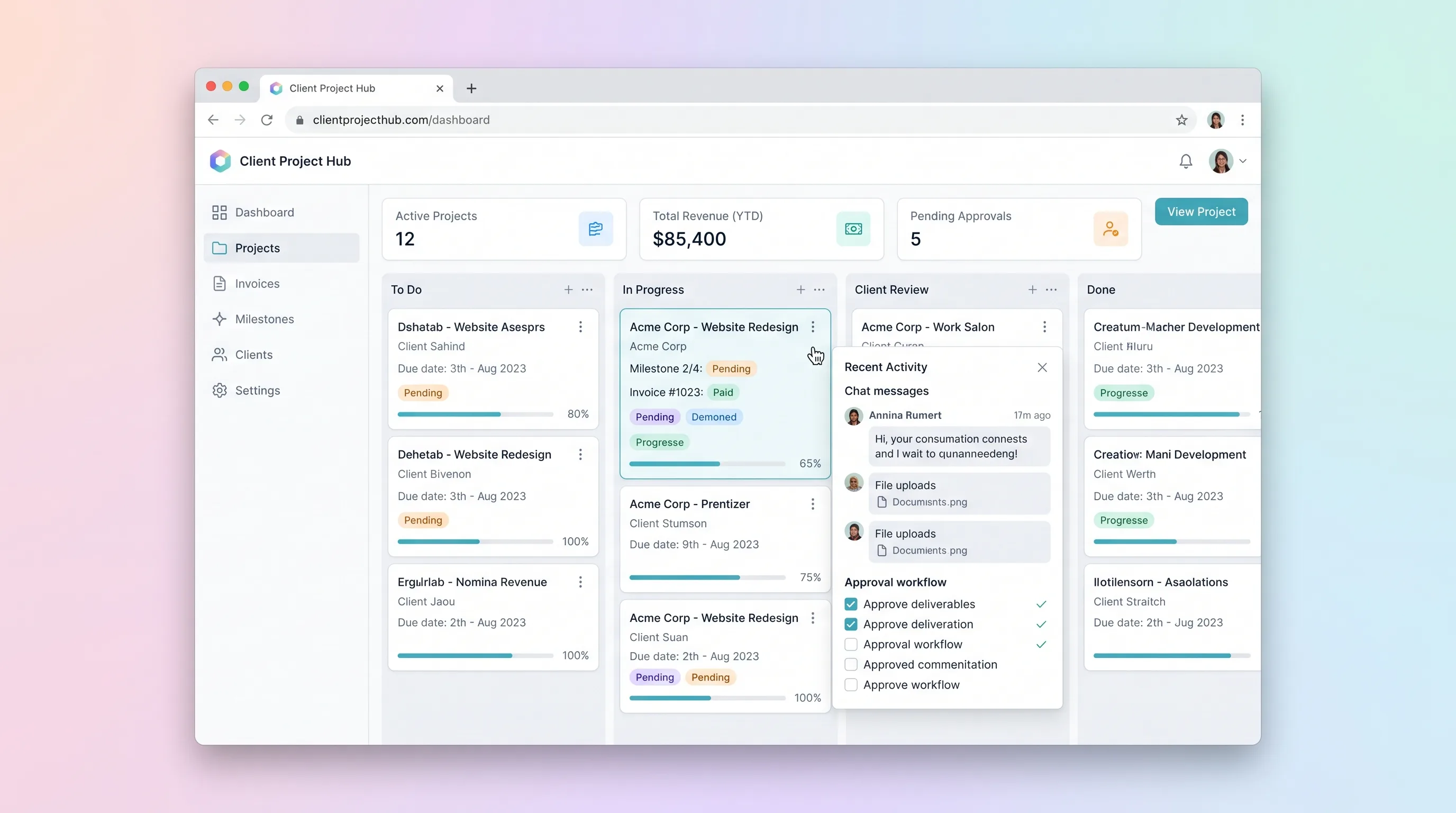
SaaS WorkflowProfessional Services
A kanban-driven workspace where freelancers and small agencies track client project milestones, route deliverables through an approval workflow, and auto-generate invoices upon approval.