Build this if
You sell multi-session packages and currently coordinate bookings, credits, and progress by email or spreadsheets.
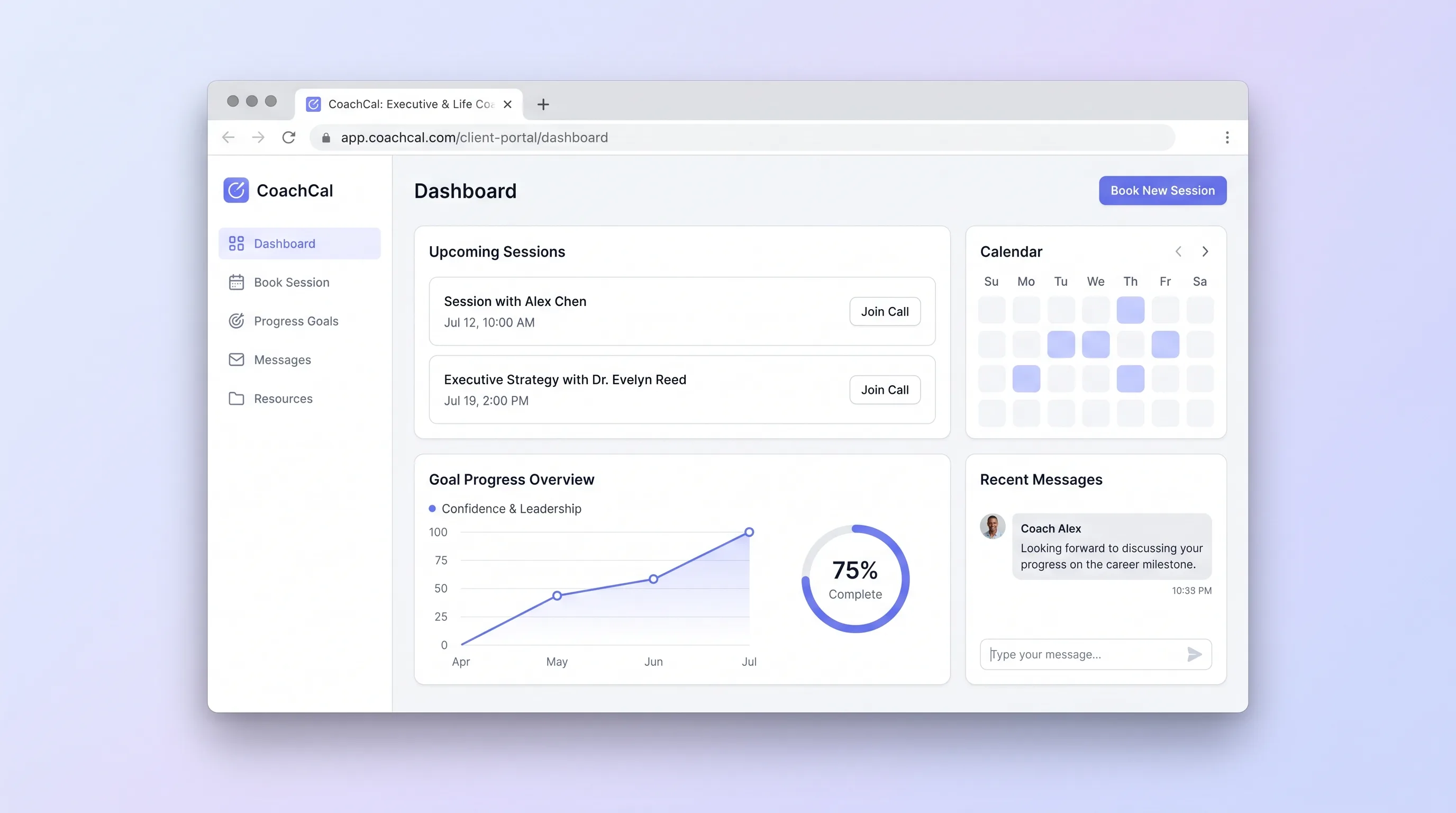
A client-facing scheduling and progress portal for independent executive and life coaches, replacing email coordination with a single hub for sessions, packages, goals, and notes.
Decision snapshot
You sell multi-session packages and currently coordinate bookings, credits, and progress by email or spreadsheets.
You only run single one-off sessions with no package tracking or your clients expect a full CRM with marketing automation.
Five coaches each onboard three paying clients onto packages and complete at least ten booked sessions through the portal without manual email scheduling.
Problem and target customer
Independent coaches lose hours each week to email back-and-forth for scheduling, package tracking, and goal updates, and have no shared place where clients can see session history, remaining credits, or progress between meetings.
Solo executive and life coaches running their own practice who bill through session packages and need a professional client portal without building custom software.
Monthly subscription for coaches, with a small per-booking transaction fee on paid sessions.
Editorial note
CoachCal connects coach availability, package credits, client booking, private notes, and milestone updates into one reviewable session loop. The first release keeps payment and video calls outside the core so the coaching relationship remains visible and easy to test.
CoachCal: Executive & Life Coach Session Hub addresses a specific operating gap: For operators managing appointments, availability, and service intake, the product provides one reviewable place to move appointments, availability, and intake details from configure coachcal availability to run the operator schedule without losing ownership, evidence, or failure state. Start with the smallest record, owner, evidence, and outcome loop; integrations should support that loop rather than become a second source of truth.
CoachCal: Executive & Life Coach Session Hub uses bookings / month as its operating unit. Variable cost is mainly driven by transactional email, payment processor; keep those charges separate from the infrastructure baseline.
For CoachCal: Executive & Life Coach Session Hub, Run a small set of real appointments, availability, and intake details through the complete flow and measure whether the target operator reaches run the operator schedule without the current manual handoff. This gives the team a concrete way to judge whether the workflow earns a broader feature set.
Choose your next step
Evaluate the operating tradeoffs quickly, or inspect how to build the MVP.
Compare the three operating paths at the default workload before opening the full calculator.
See cost preview Build this ideaInspect the build blueprintReview MVP scope, workflow, states, data rules, architecture, and acceptance criteria.
Open blueprintEvaluation preview
Directional infrastructure estimates for the current 500 bookings assumption. Open the full calculator when you are ready to change it.
Managed app hosting, database, backups, and basic observability for the booking workflow.
Lowest operating effortOne small VPS running the app, database, media volume, and backup job.
Lowest baseline costSeparate app, data, storage, and worker capacity for cleaner operations.
Most separation and controlBuild blueprint
Product goal
MVP scope
UX and user flow
Apply provider, room, buffer, and blackout rules before exposing a bookable slot.
Store the client's package balance, booking details, and intake answers so the coach can verify the session before it is confirmed.
Expose the decision, owner, and failure state before allowing the workflow to continue.
Record the outcome, preserve the history, and make the next action explicit.
Core entity outline
Stores the service data needed to move appointments, availability, and intake details through the MVP states.
Stores the availabilityrule data needed to move appointments, availability, and intake details through the MVP states.
Stores the appointment data needed to move appointments, availability, and intake details through the MVP states.
Stores the intakeresponse data needed to move appointments, availability, and intake details through the MVP states.
Stores the coaches data needed to move appointments, availability, and intake details through the MVP states.
Stores the clients data needed to move appointments, availability, and intake details through the MVP states.
Stores the sessions data needed to move appointments, availability, and intake details through the MVP states.
Architecture and data flow
Supports the booking flow from configure coachcal availability through run the operator schedule.
Persists appointments, availability, and intake details, explicit states, ownership, and audit history.
Supports the booking flow from configure coachcal availability through run the operator schedule.
Supports the booking flow from configure coachcal availability through run the operator schedule.
Supports the booking flow from configure coachcal availability through run the operator schedule.
Supports the booking flow from configure coachcal availability through run the operator schedule.
Recalculates available slots and package credits without blocking the booking request, then records retry state when a provider call fails.
Deliverables and acceptance
Recommended stack
Lovable for the coach and client portal UI
Supabase Postgres for clients, sessions, packages, credits, and goals
Resend or SendGrid for booking confirmations and reminders
Stripe for package payments and per-booking fees
Railway for background jobs and scheduled reminder sends
Lovable ships the dual coach and client portal quickly, Supabase gives relational storage for the credit ledger and session history, Stripe handles package and per-booking payments, and Railway runs the scheduled reminder jobs that email alone cannot guarantee.
Copy the build prompt, model the operating cost, and choose where to deploy.
Execution
Once the blueprint is clear, use the prompt, cost model, and deployment options to start building.
Build prompt
Start with a thin prototype for appointments, availability, and intake details in Lovable. Model the domain states, evidence, and review boundary before adding automation or provider-specific polish.
Build prompt
Open the prompt pack whenever you are ready to take this blueprint into your builder.
Build prompt ready
Copy the prompt into your builder, then use the cost model below to choose how you want to run it.
Use the cost model to choose a deployment path that matches the build plan.
Cost calculator
A technical run-cost estimate for the first production version. Team, acquisition, payment fees, and business COGS are excluded.
$13-$43 per 250 bookings
Low and high values allow for usage variance and plan headroom.
Managed app hosting, database, backups, and basic observability for the booking workflow.
50K bookings included, then $8-$20 per 100K bookingsTransactional email is implied by the source workflow or feature list.
3K bookings includedPayment processor is implied by the source workflow or feature list.
100 included, then $0-$5 per 100 bookingsThe estimate combines the selected infrastructure path, required operating modules, selected optional modules, and usage above included monthly allowances. Taxes and regional uplifts are excluded.
Deployment options
Choose based on operating preference, not only the headline price.
Fast Docker deployment for the app, database, worker, and preview workflow without managing a VPS.
Usage billing needs active monitoring as traffic and jobs grow.
Run the app, worker, and database on one small Vultr VPS with Docker Compose and explicit backups.
You own patching, backups, monitoring, and incident response.
Separate application, worker, data, storage, and backup responsibilities as the workload grows.
You own server setup, patching, backups, and operational monitoring.
Start building
Use the prompt pack to prototype appointments, availability, and intake details in Lovable, then verify the domain states and review boundary before production.
Open Lovable 02AutomationAutomate appointments, availability, and intake details handoffs in MakeUse Make for bounded notifications or imports around run the operator schedule after the core state is explicit.
Open Make 03DeployShip the appointments, availability, and intake details MVP on RailwayUse Railway for a quick preview of the app and required workers or providers; keep the deployment table as the source for the final operating choice.
Open RailwayKeep exploring
Booking PlatformBeauty & Fashion
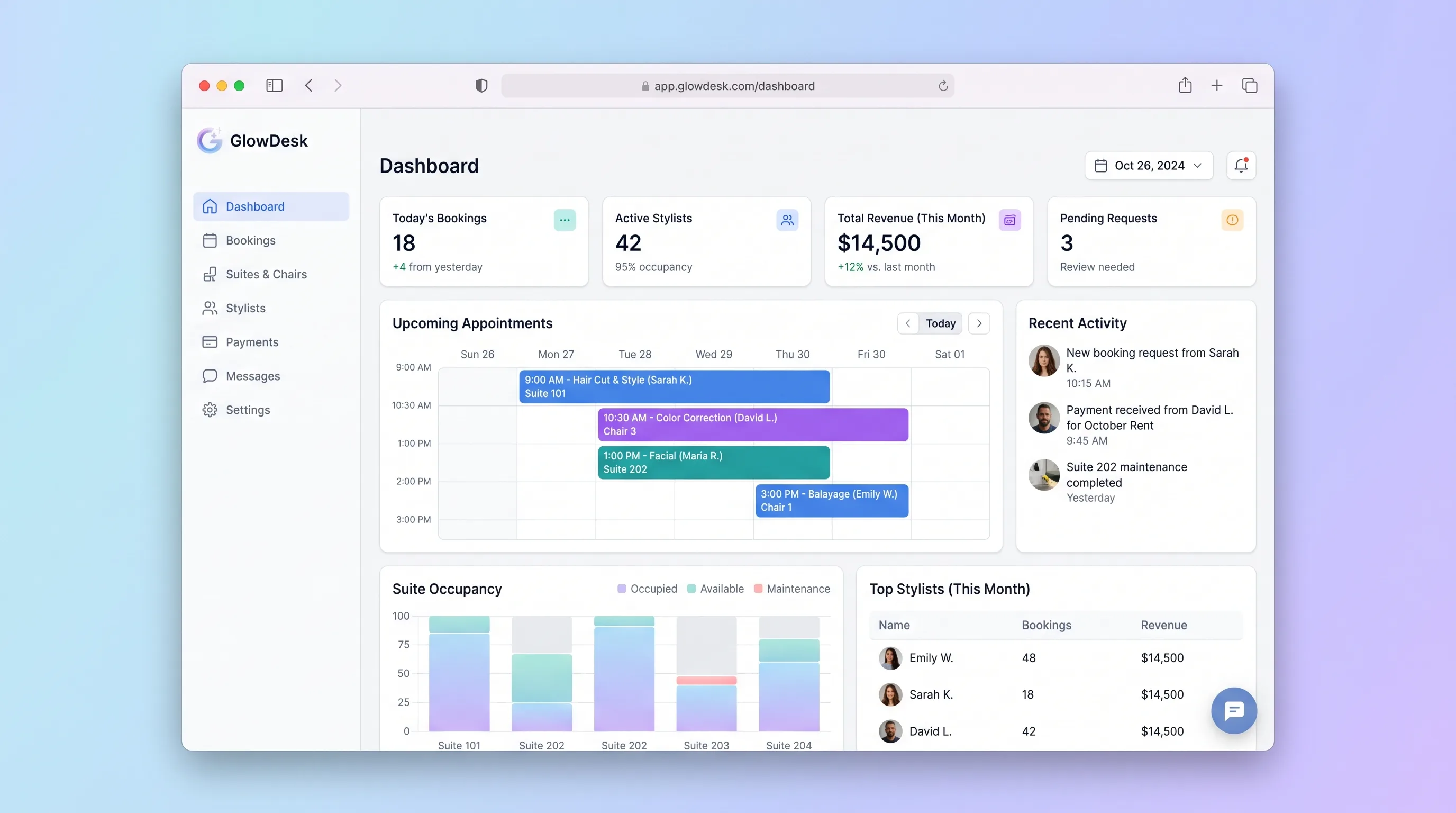
A shared schedule for salon suite owners and independent stylists that separates chair access from client appointments while preventing resource conflicts.
Booking PlatformHealthcare & Wellness
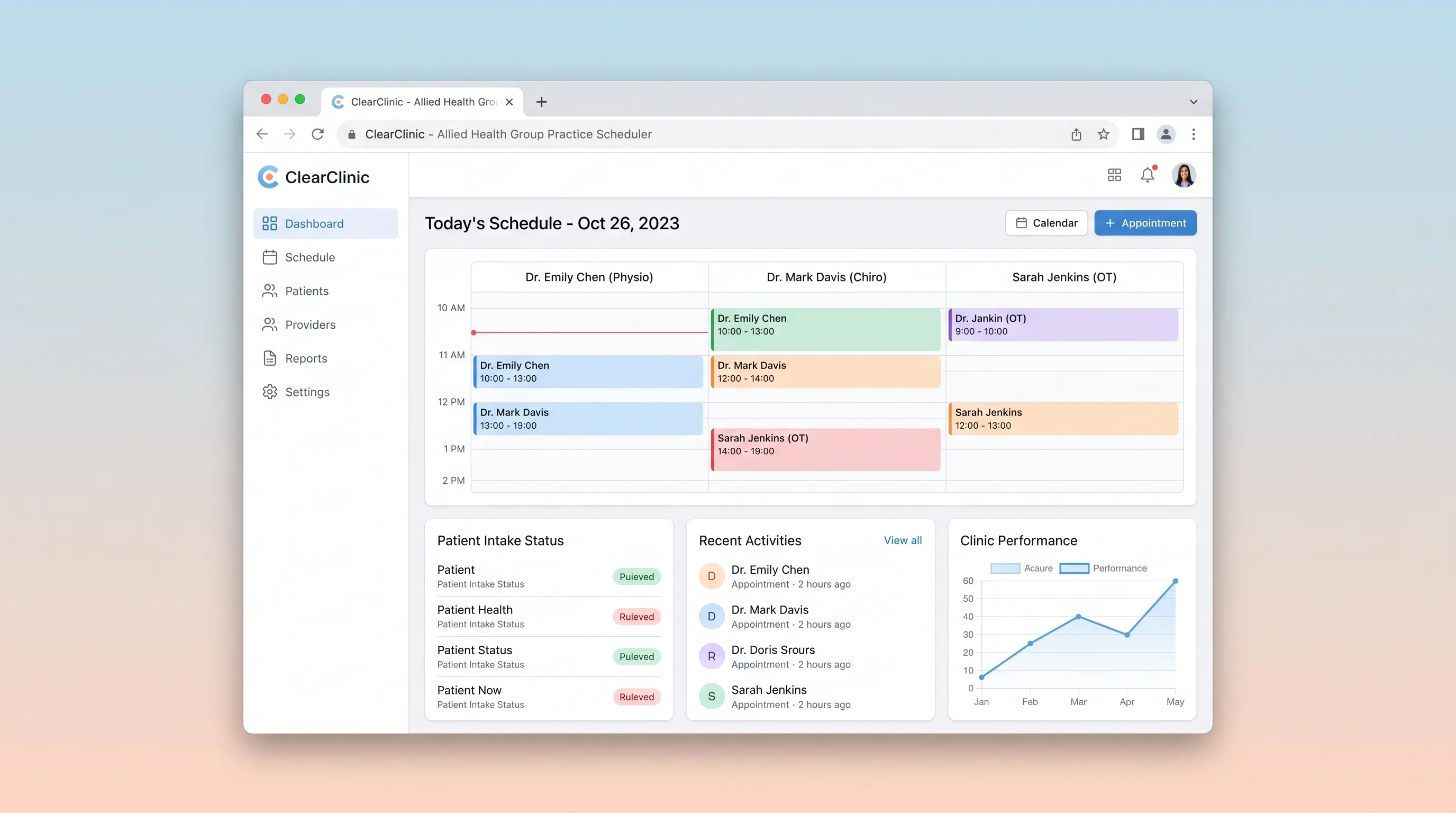
Multi-provider scheduling and patient intake platform for physiotherapy, chiropractic, and allied health group practices.
Booking PlatformEducation
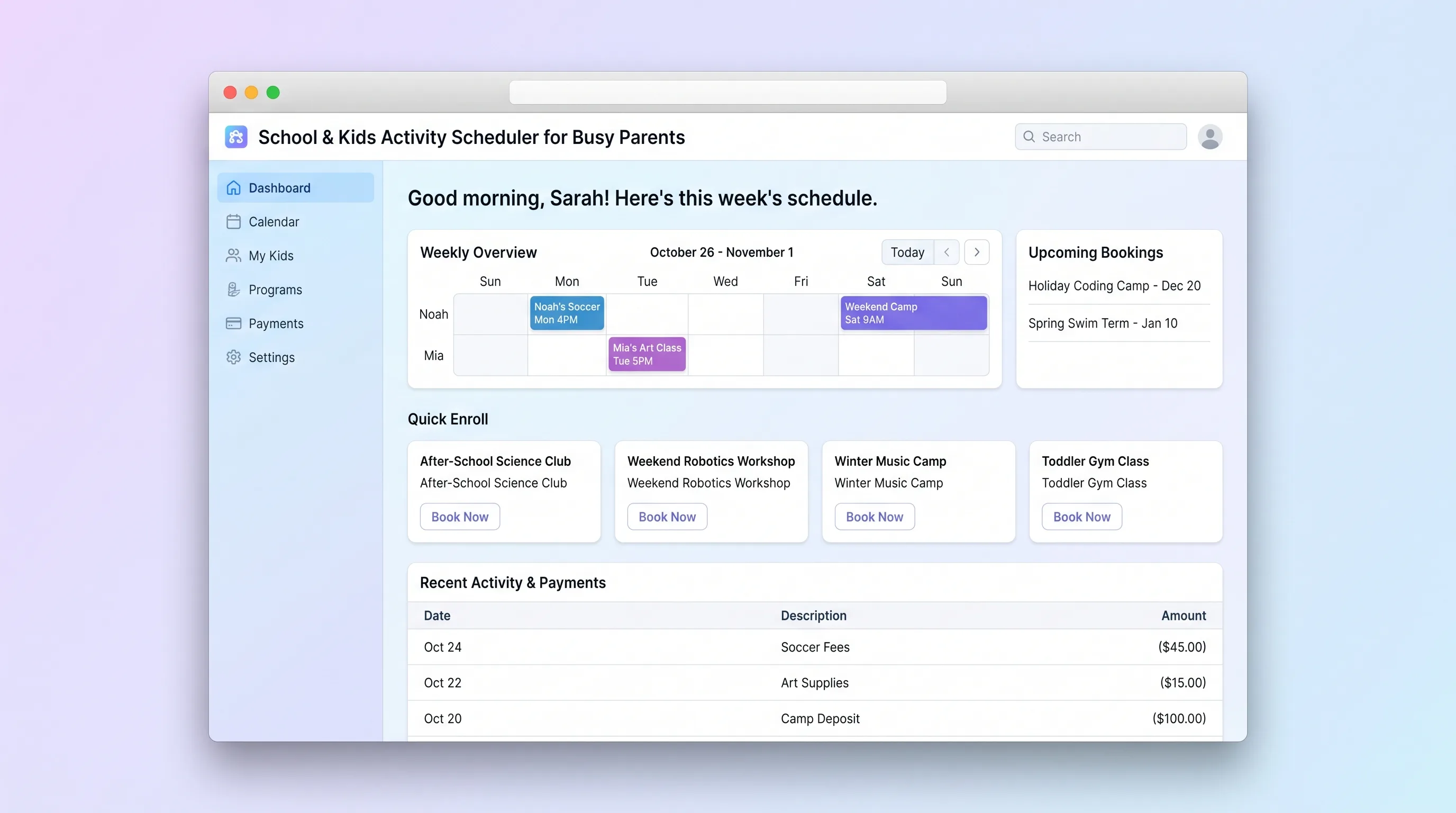
A focused booking platform where parents discover, enroll in, and pay for children's after-school programs, holiday camps, and weekend classes, while operators manage class listings, capacities, and enrollments.
Booking PlatformEvents & Community
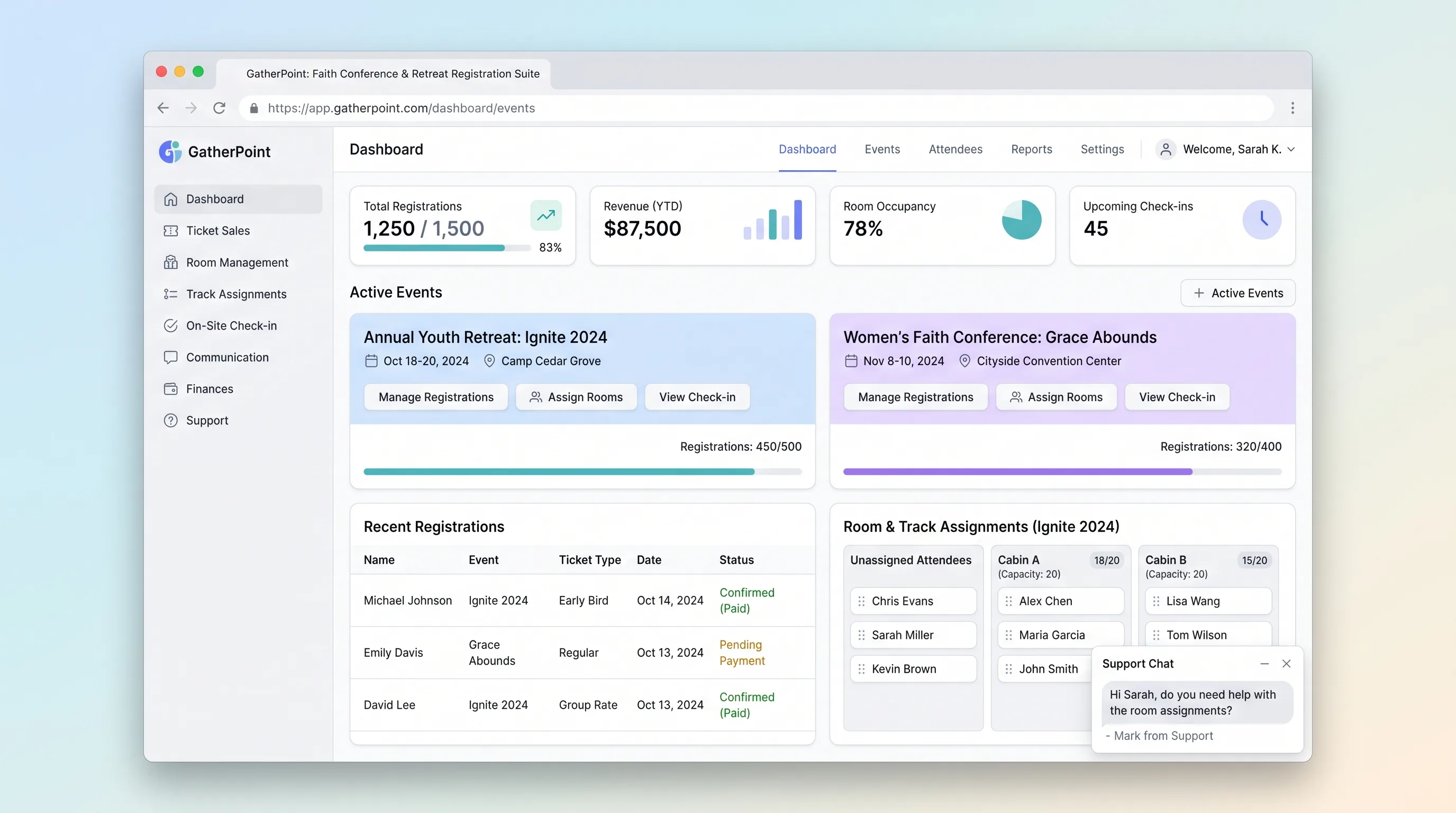
A focused registration platform for multi-day church conferences, retreats, and youth camps that handles group sign-ups, lodging and track assignment, and on-site QR-badge check-in.
SaaS WorkflowProfessional Services
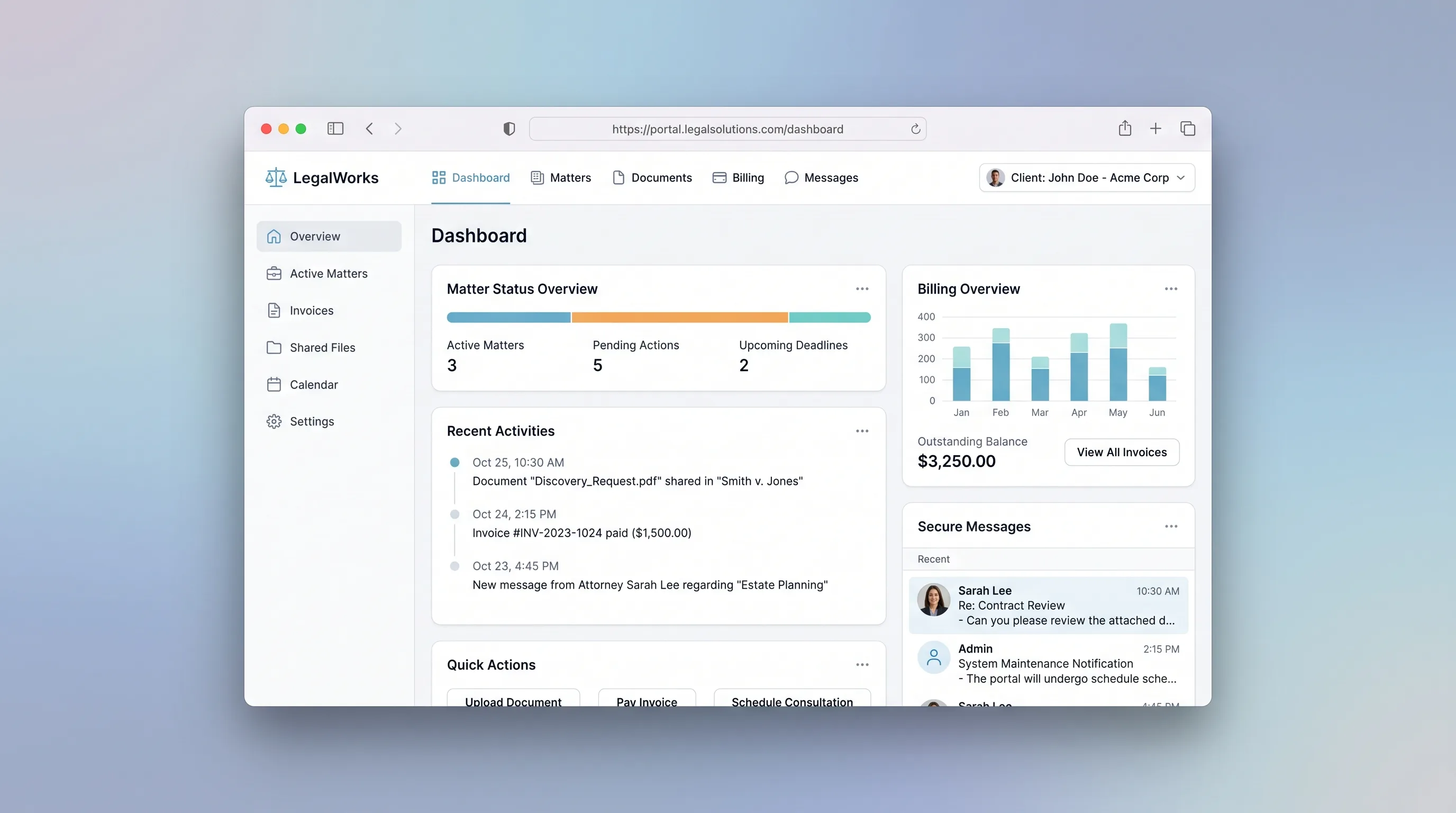
A branded portal where law firms manage client matters, share documents, log billable time, and collect invoice payments in one secure place.
Booking PlatformFood & Beverage
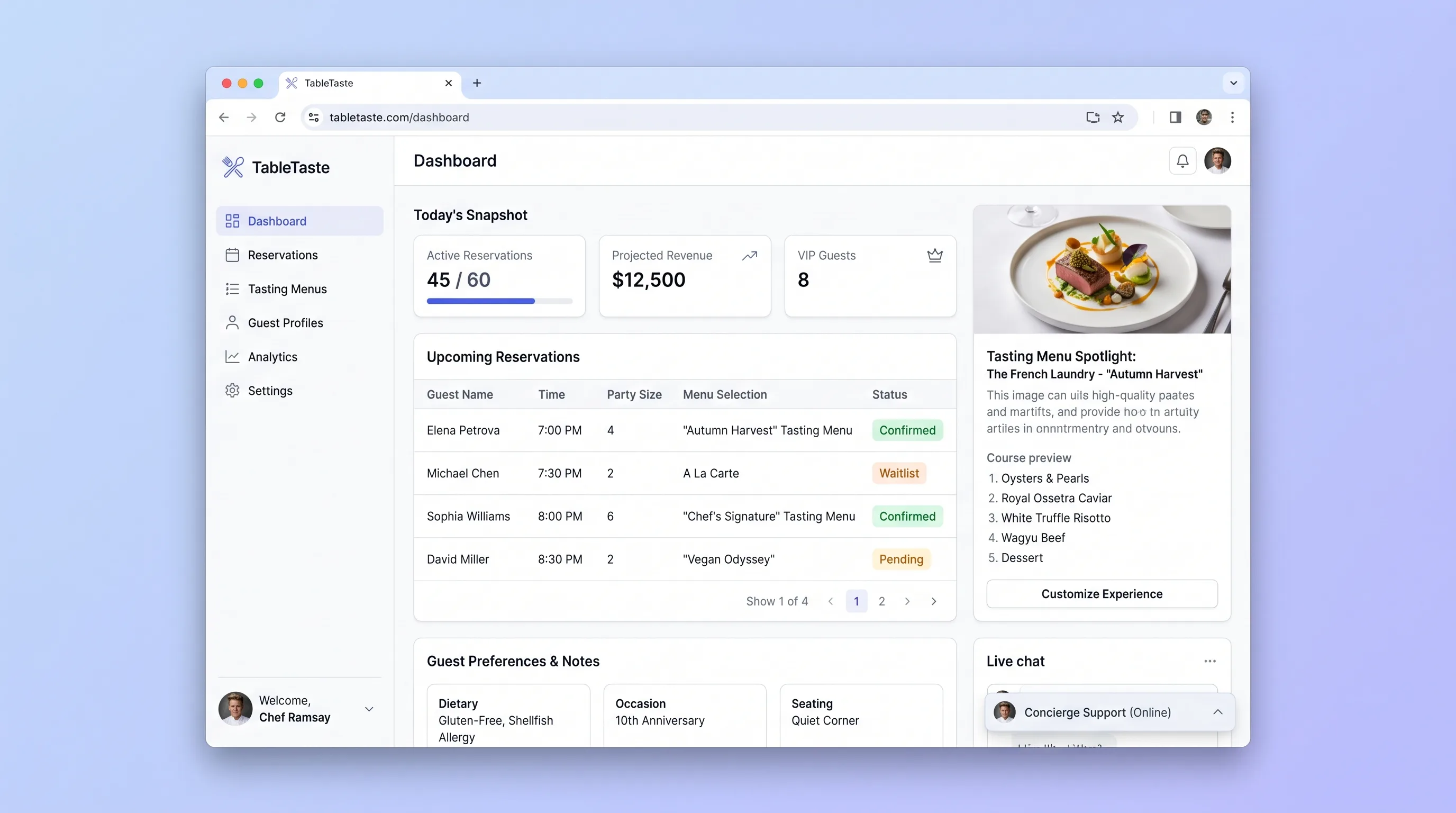
A reservation and tasting-menu showcase platform for upscale restaurants that lets guests preview courses, customize their experience, and book locked time slots while operators manage menus and daily bookings from one screen.