Build this if
You can reach independent pediatric clinics still using paper intake forms and manual immunization checks.
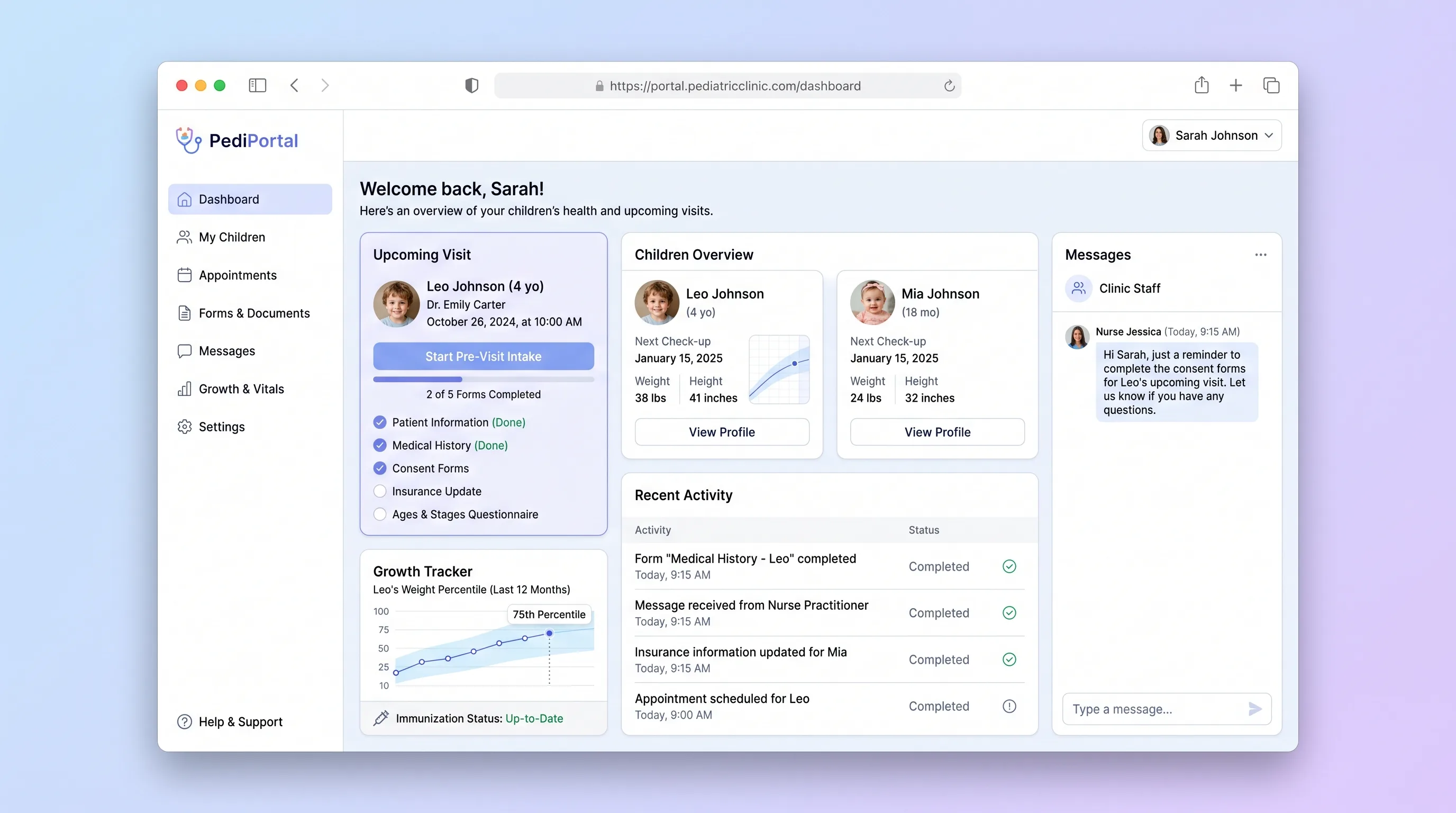
A parent-facing intake portal for pediatric clinics that digitizes pre-visit forms, tracks child immunization status, and delivers a visit prep checklist before families arrive.
Decision snapshot
You can reach independent pediatric clinics still using paper intake forms and manual immunization checks.
Target clinics already use an EHR with integrated patient portals like Epic MyChart or MyKidsChart.
Pilot with 3 clinics for 60 days; measure reduction in front-desk intake time and form completion rate before appointment day.
Problem and target customer
Pediatric clinics rely on paper intake forms, manual immunization record checks, and phone-based visit reminders. Parents repeat paperwork every visit, staff spend hours transcribing handwritten forms, and incomplete pre-visit prep causes delayed appointments and missed vaccination milestones.
Independent pediatric clinics and small clinic groups (1-10 providers) that want to eliminate paper intake and reduce front-desk bottlenecks without building custom software.
Monthly subscription sold to clinic operators. Each clinic workspace covers unlimited parents and up to two children per family in the base tier.
Editorial note
Pediatric clinics lose hours each week to paper intake forms and manual immunization checks. This portal moves the entire pre-visit workflow to a parent's phone: registration, child profiles, digital forms with e-signatures, and immunization tracking — all completed before the family walks in.
The MVP targets independent clinics that lack an integrated EHR patient portal. By focusing on intake forms and visit prep rather than full practice management, the product ships faster and solves the most visible bottleneck: front-desk paperwork.
The interface uses bright whites with soft teal and warm yellow accents, playful but professional iconography, and large tap targets optimized for busy parents completing forms on mobile devices.
Choose your next step
Evaluate the operating tradeoffs quickly, or inspect how to build the MVP.
Compare the three operating paths at the default workload before opening the full calculator.
See cost preview Build this ideaInspect the build blueprintReview MVP scope, workflow, states, data rules, architecture, and acceptance criteria.
Open blueprintEvaluation preview
Directional infrastructure estimates for the current 300 processed meetings assumption. Open the full calculator when you are ready to change it.
Managed app hosting, database, backups, and basic observability for the meeting workflow.
Lowest operating effortOne small VPS running the app, database, media volume, and backup job.
Lowest baseline costSeparate app, data, storage, and worker capacity for cleaner operations.
Most separation and controlBuild blueprint
Product goal
MVP scope
UX and user flow
Register with email, enter clinic invite code, verify identity
Add and manage child profiles with health details
Fill pre-visit forms and sign electronically
Track vaccination history and upcoming due dates
Review checklist before appointment day
Core entity outline
Represents a pediatric clinic account with settings and invite codes
The registered guardian who manages child profiles and completes forms
Health profile for a child including allergies, medications, and pediatrician
A digital pre-visit form submission with e-signature and status tracking
A vaccination record with vaccine name, date administered, and next due date
Architecture and data flow
Renders registration, child profiles, intake forms, immunization tracking, and visit prep screens
Validates required fields, e-signature presence, and form completeness before submission
Sends appointment reminders and form-due notifications to parents via SMS or email
Pulls upcoming appointments from clinic calendar to trigger visit prep workflows
Deliverables and acceptance
Recommended stack
Rapid build of a mobile-optimized parent portal with forms, profiles, and intake workflows.
Durable storage for child records, intake forms, e-signatures, and activity logs with relational integrity.
Sync appointment reminders with clinic calendars and send parent notifications when forms are due.
Store uploaded insurance cards and immunization documents per child profile.
Lovable handles the parent-facing form-heavy UI with mobile-first design. Railway provides reliable Postgres for structured health records and form data. Make bridges calendar sync and notification delivery without custom backend code. Supabase Storage covers document uploads for insurance cards and immunization records.
Copy the build prompt, model the operating cost, and choose where to deploy.
Execution
Once the blueprint is clear, use the prompt, cost model, and deployment options to start building.
Build prompt
lovable
Build prompt
Open the prompt pack whenever you are ready to take this blueprint into your builder.
Build prompt ready
Copy the prompt into your builder, then use the cost model below to choose how you want to run it.
Use the cost model to choose a deployment path that matches the build plan.
Cost calculator
A technical run-cost estimate for the first production version. Team, acquisition, payment fees, and business COGS are excluded.
$15-$55 per 150 processed meetings
Low and high values allow for usage variance and plan headroom.
Managed app hosting, database, backups, and basic observability for the meeting workflow.
50K processed meetings included, then $8-$20 per 100K processed meetingsCalendar API is implied by the source workflow or feature list.
Monthly allowance from this idea's operating profileObject storage is implied by the source workflow or feature list.
Monthly allowance from this idea's operating profileThe estimate combines the selected infrastructure path, required operating modules, selected optional modules, and usage above included monthly allowances. Taxes and regional uplifts are excluded.
Deployment options
Choose based on operating preference, not only the headline price.
Fast Docker deployment for the app, database, worker, and preview workflow without managing a VPS.
Usage billing needs active monitoring as traffic and jobs grow.
Run the app, worker, and database on one small Vultr VPS with Docker Compose and explicit backups.
You own patching, backups, monitoring, and incident response.
Separate application, worker, data, storage, and backup responsibilities as the workload grows.
You own server setup, patching, backups, and operational monitoring.
Start building
Create the parent registration flow, child profile screens, digital intake forms with e-signature capture, immunization status view, and visit prep checklist with a mobile-first teal and yellow design system.
Open Lovable 02AutomationSync calendar and send notificationsConnect clinic calendar appointments to trigger parent reminders, send SMS or email when intake forms are due, and notify front desk when a completed intake packet is ready.
Open Make 03DeployHost Postgres for health recordsDeploy PostgreSQL to store clinic workspaces, parent accounts, child profiles, intake form submissions, e-signature records, immunization entries, and activity logs.
Open RailwayKeep exploring
Booking PlatformEvents & Community
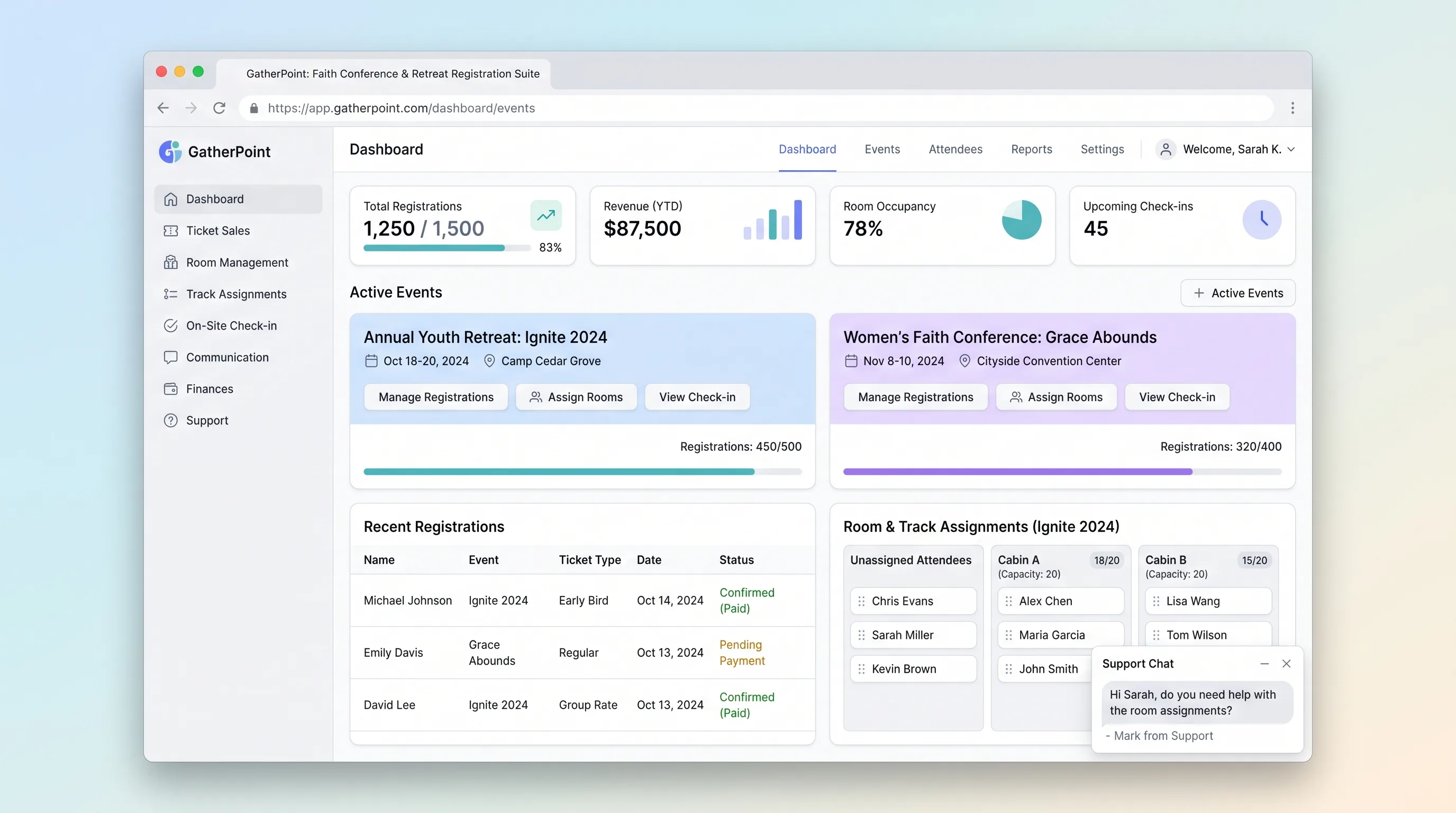
A focused registration platform for multi-day church conferences, retreats, and youth camps that handles group sign-ups, lodging and track assignment, and on-site QR-badge check-in.
SaaS WorkflowProfessional Services
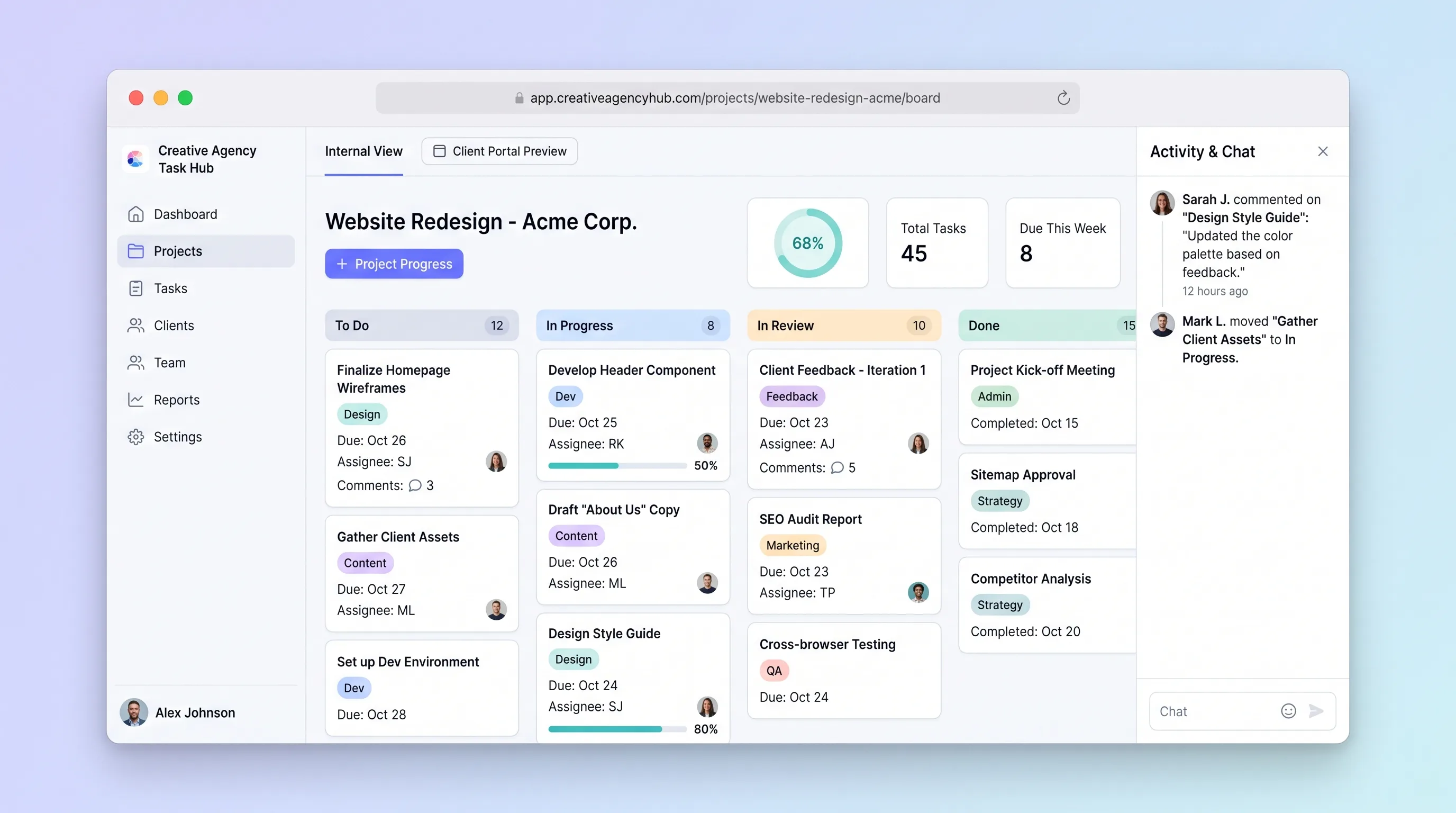
A focused project tracker where small creative agencies manage deliverables on an internal kanban board and share branded client portals for progress review and approvals without email chains.
SaaS WorkflowReal Estate
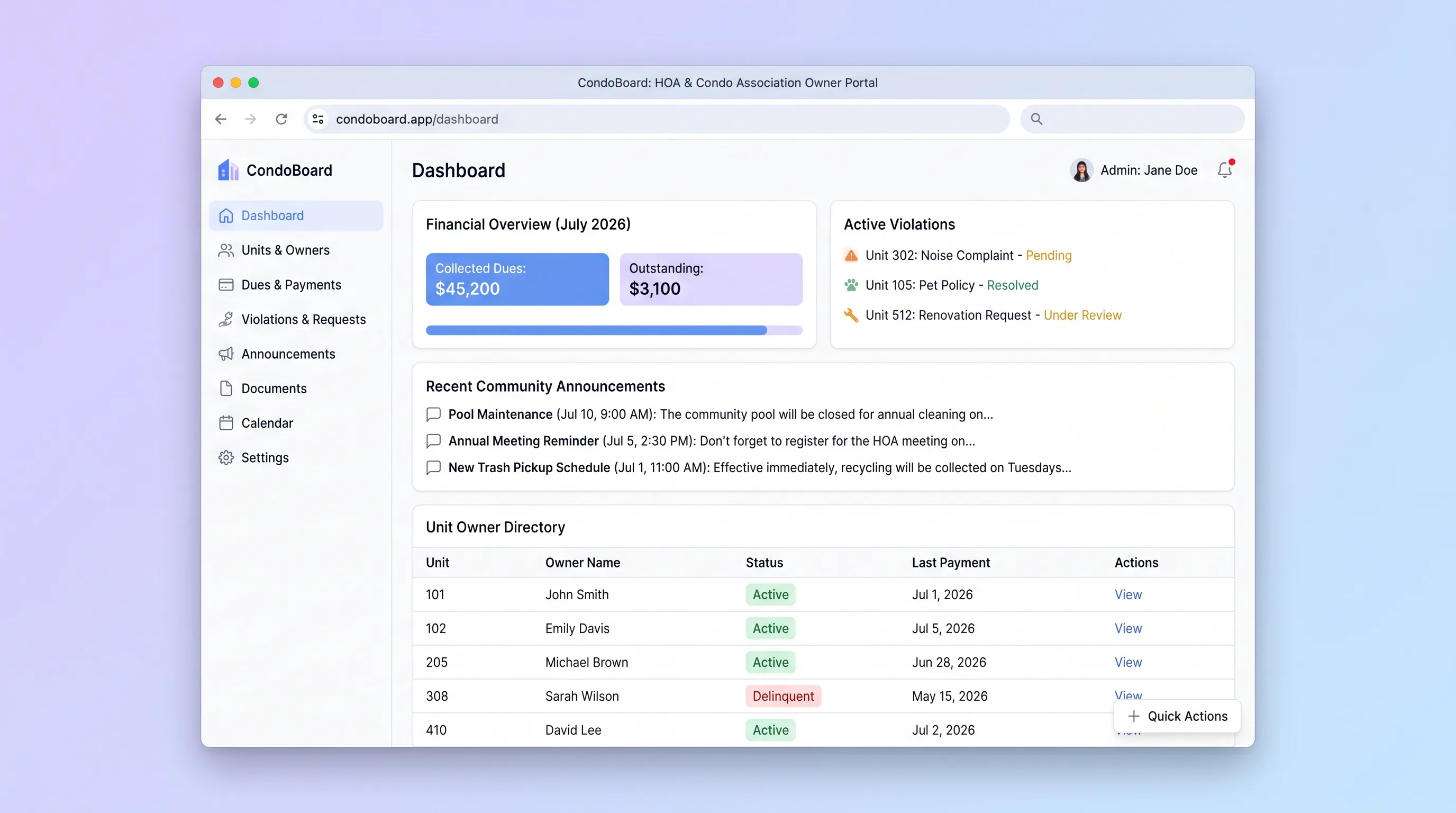
Self-service portal where condo association boards manage unit owners, track dues payments, log violations, and publish community announcements without spreadsheets or email threads.
SaaS WorkflowHealthcare & Wellness
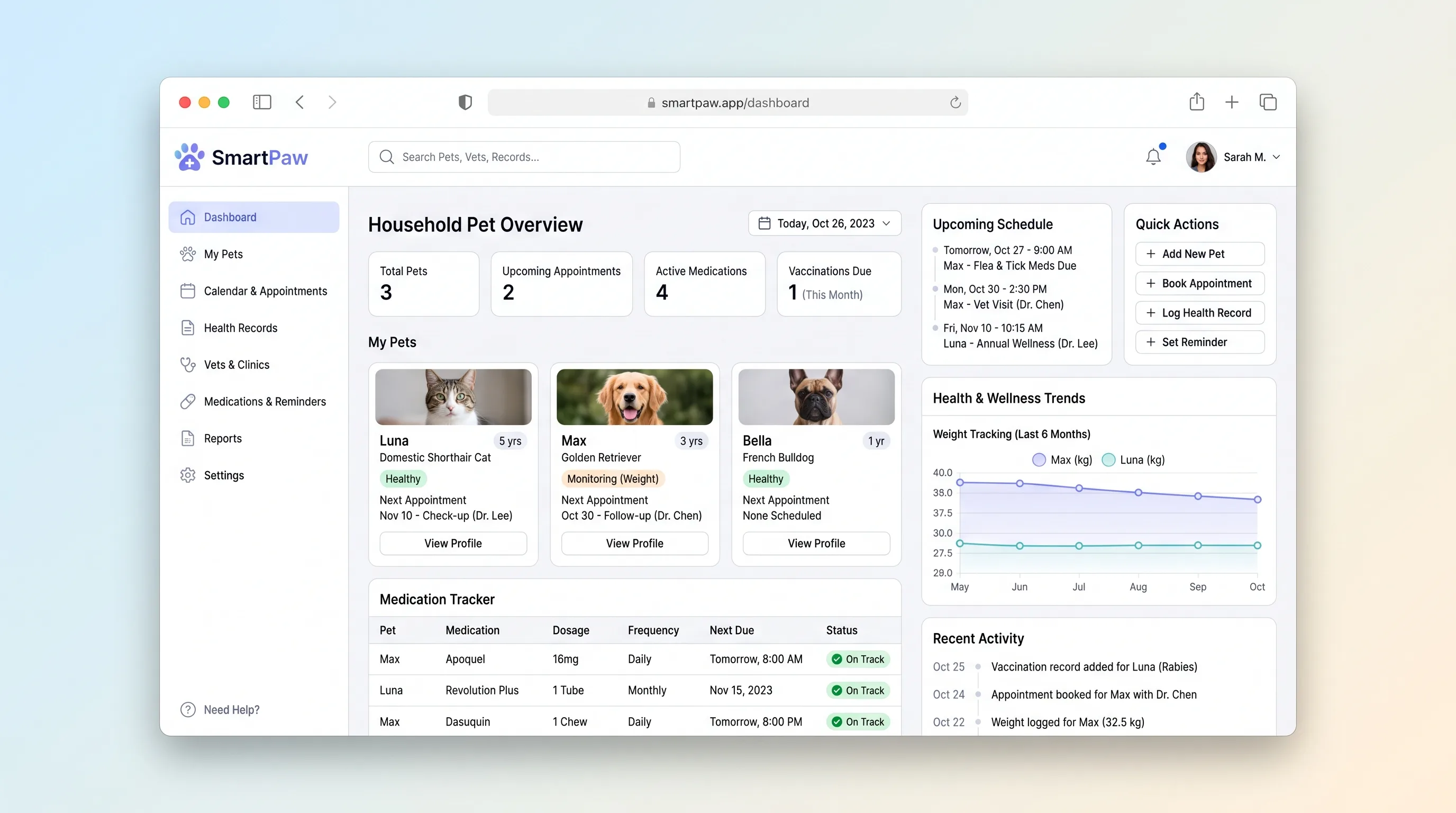
A household pet health hub where multi-pet owners track vaccination schedules, log medications, review vet visit history, book appointments, and share emergency care cards with sitters.
SaaS WorkflowHealthcare & Wellness
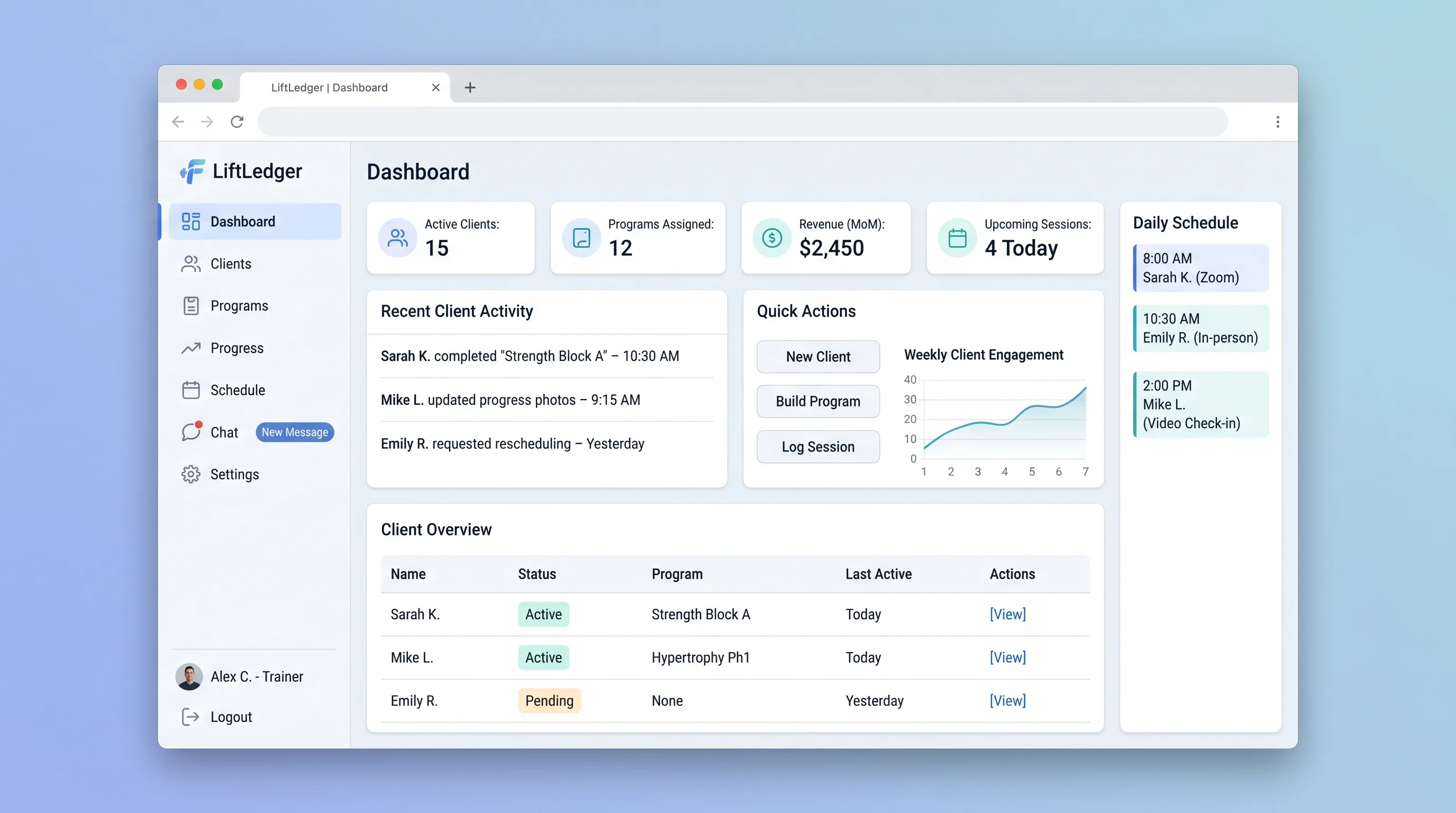
A two-sided coaching workspace where trainers publish versioned programs, clients log actual workouts, and both can review progress against the original plan.
SaaS WorkflowHealthcare & Wellness
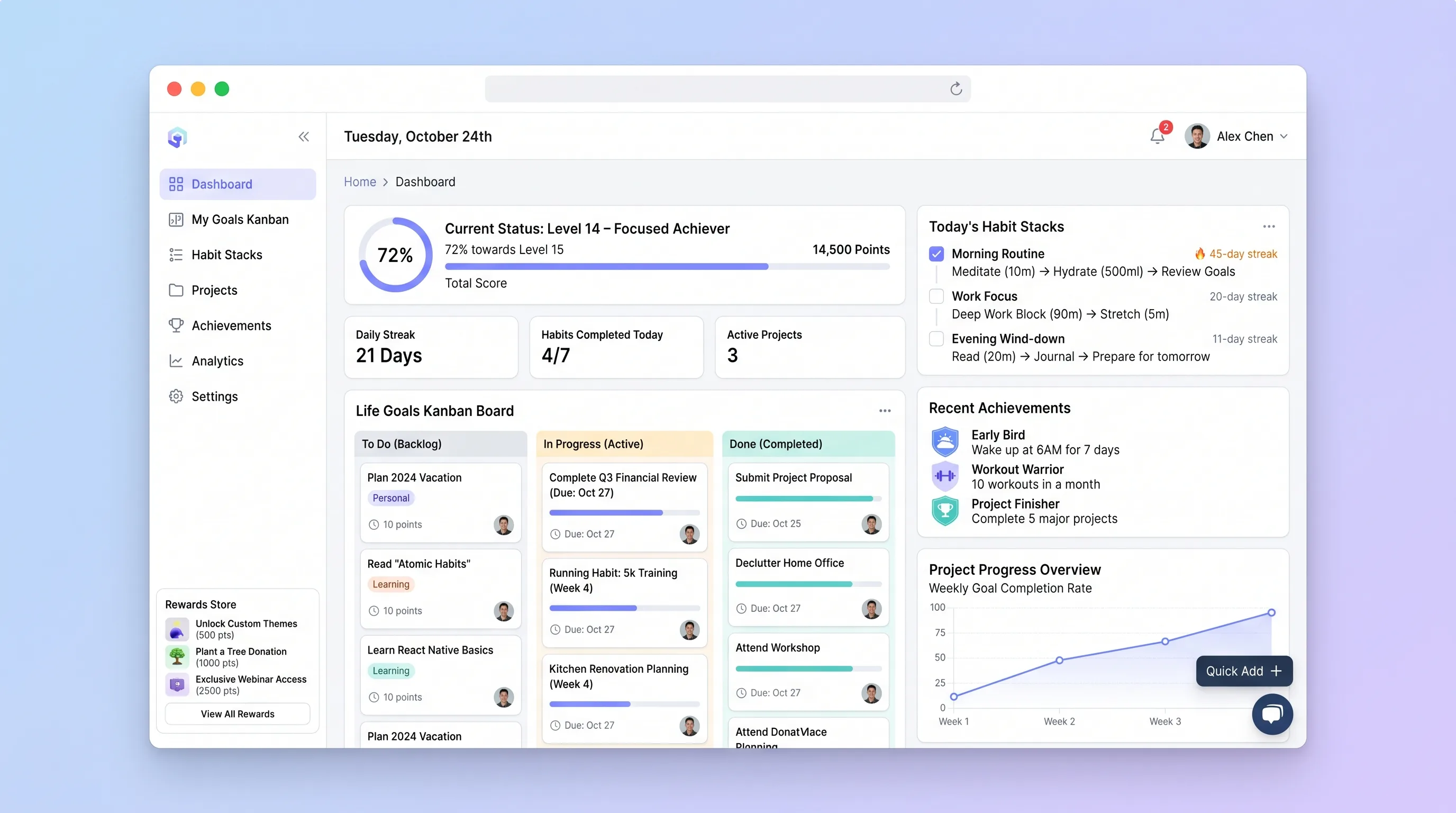
A private progress board that connects long-term goals to repeatable habit sequences, daily evidence, milestones, streaks, and user-defined rewards.