Build this if
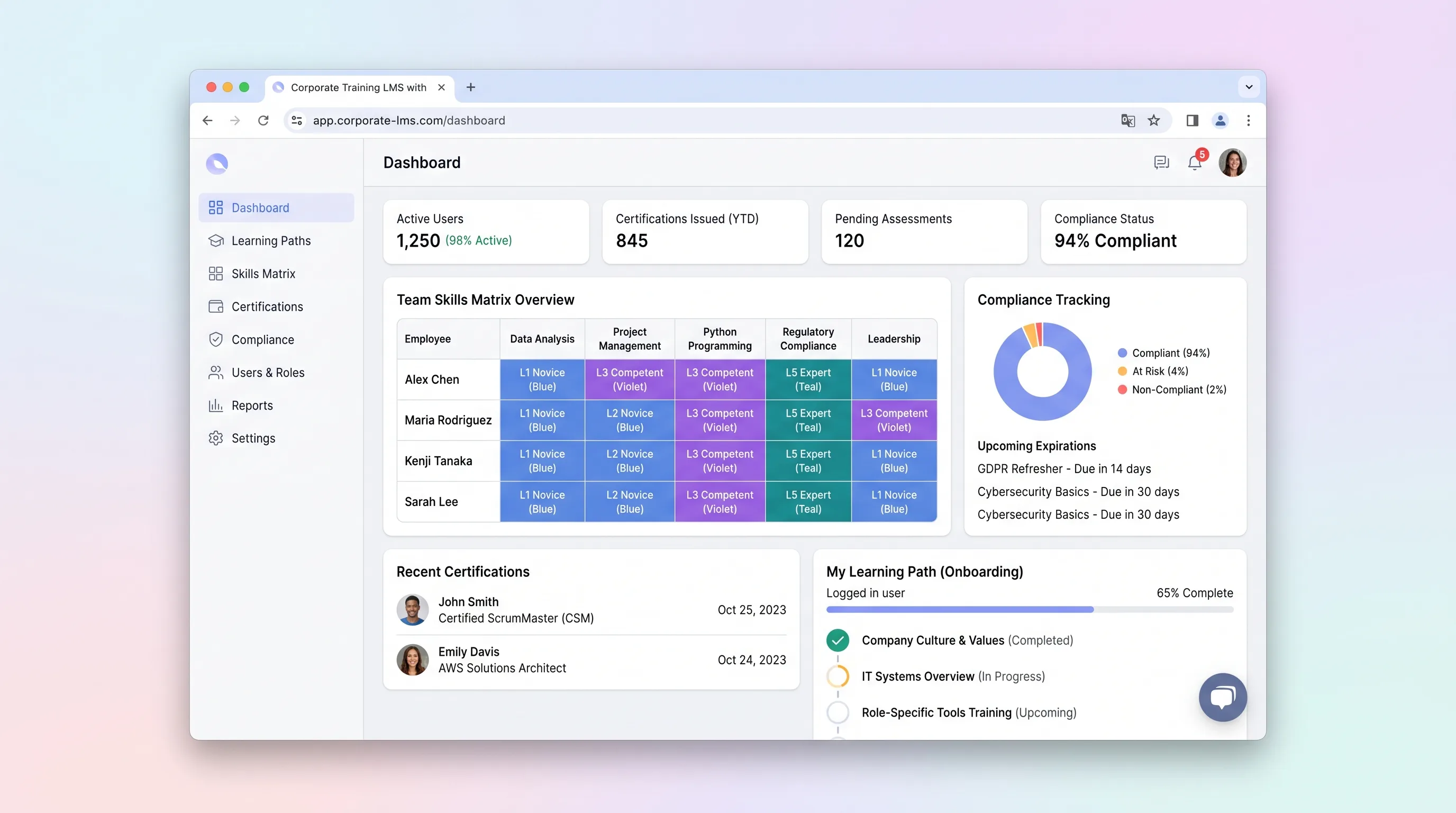
Managers currently cannot answer which employees meet role requirements without reconciling course and certificate spreadsheets.
An internal learning system that maps role requirements to employee skills, assigns targeted training, and gives program managers evidence of certification status.
Decision snapshot
Managers currently cannot answer which employees meet role requirements without reconciling course and certificate spreadsheets.
The buyer needs a full enterprise LMS content ecosystem, certified compliance product, or payroll suite from day one.
Model one department with 20 employees and confirm that its manager agrees with the generated missing, valid, and expiring requirement lists after reviewing the evidence.
Problem and target customer
Training managers often maintain course completion, role requirements, assessment results, and certificate expiry dates in separate HR exports and spreadsheets. They cannot quickly identify a team skill gap or prove which employee is current for a required credential.
Learning and development managers at mid-sized organizations that run structured onboarding or role-specific certification programs.
Annual organization subscription tiered by tracked employees, with onboarding and HRIS integration sold separately.
Editorial note
A useful skills matrix is not a colorful table of self-ratings. It must answer why a person is considered ready by linking each status to dated, reviewable evidence and to the exact requirement version that was active.
The smallest credible pilot begins after course content already exists. Import one department, define a handful of roles, and test whether managers trust the gap and expiry lists. Content authoring and broad HR integration can follow that evidence.
Choose your next step
Evaluate the operating tradeoffs quickly, or inspect how to build the MVP.
Compare the three operating paths at the default workload before opening the full calculator.
See cost preview Build this ideaInspect the build blueprintReview MVP scope, workflow, states, data rules, architecture, and acceptance criteria.
Open blueprintEvaluation preview
Directional infrastructure estimates for the current 1,000 learning completions assumption. Open the full calculator when you are ready to change it.
Railway runs the web app, database, and background jobs.
Lowest operating effortA Hetzner shared cloud server hosts the pilot stack.
Lowest baseline costLarger or dedicated resources isolate imports, reports, and transactional traffic.
Most separation and controlBuild blueprint
Product goal
MVP scope
UX and user flow
Compare each employee's verified proficiency and credentials against role requirements.
Show the employee's required courses, assessment attempts, due dates, and completion sequence.
List issued, expiring, expired, and unverified credentials by role and team.
Core entity outline
Defines the skill level or certification an employee must hold for one role.
Connects an employee to a role and the effective dates used for readiness checks.
Stores an attempt, score, pass decision, and proficiency evidence.
Records issuer, identifier, validity dates, evidence, and verification status.
Architecture and data flow
Serve manager, lead, and employee views with organization roles.
Evaluate dated evidence against active role requirements deterministically.
Persist rosters, paths, attempts, evidence, and requirement history.
Queue overdue learning and certificate-expiry notices idempotently.
Deliverables and acceptance
Recommended stack
Supports manager and employee surfaces with shared server-side rules.
Effective dates and many-to-many requirement mappings benefit from relational constraints.
Managers, leads, and employees require different access to evidence.
Expiry calculations and reminders need deterministic retries without another platform.
The core is a dated evidence graph, not content streaming. Keep readiness deterministic and traceable in PostgreSQL, then add external roster adapters only after the rules work on a real department.
Copy the build prompt, model the operating cost, and choose where to deploy.
Execution
Once the blueprint is clear, use the prompt, cost model, and deployment options to start building.
Build prompt
Use a TypeScript web application with PostgreSQL because role requirements, enrollments, assessments, and certificate validity depend on relational rules and dated evidence.
Build prompt
Open the prompt pack whenever you are ready to take this blueprint into your builder.
Build prompt ready
Copy the prompt into your builder, then use the cost model below to choose how you want to run it.
Use the cost model to choose a deployment path that matches the build plan.
Cost calculator
A technical run-cost estimate for the first production version. Team, acquisition, payment fees, and business COGS are excluded.
$5-$35 per 1,000 learning completions
Low and high values allow for usage variance and plan headroom.
Railway runs the web app, database, and background jobs.
2K learning completions included, then $2-$8 per 2K learning completionsAssignment, overdue, and certificate-expiry messages.
3K learning completions includedThe estimate combines the selected infrastructure path, required operating modules, selected optional modules, and usage above included monthly allowances. Taxes and regional uplifts are excluded.
Deployment options
Choose based on operating preference, not only the headline price.
Deploy the app, database, and reminder worker for a department pilot.
Enterprise identity and data residency needs may require another path later.
Run the app, worker, and database on one small Vultr VPS with Docker Compose and explicit backups.
Your team owns patching, backups, monitoring, and restore testing.
Separate application, worker, data, storage, and backup responsibilities as the workload grows.
Requires operational ownership and does not provide HR compliance by itself.
Start building
Use Lovable to test the skills matrix, learning assignment, assessment record, and expiry views with one training manager and team lead.
Open Lovable 02AutomationAdd roster sync as bounded glueUse Make later to relay employee join, role-change, or departure events from an HR source; keep competency rules in the product.
Open Make 03DeployDeploy the training registryRun the application, database, and reminder worker together on Railway for an initial department pilot.
Open RailwayKeep exploring
Learning PlatformEducation
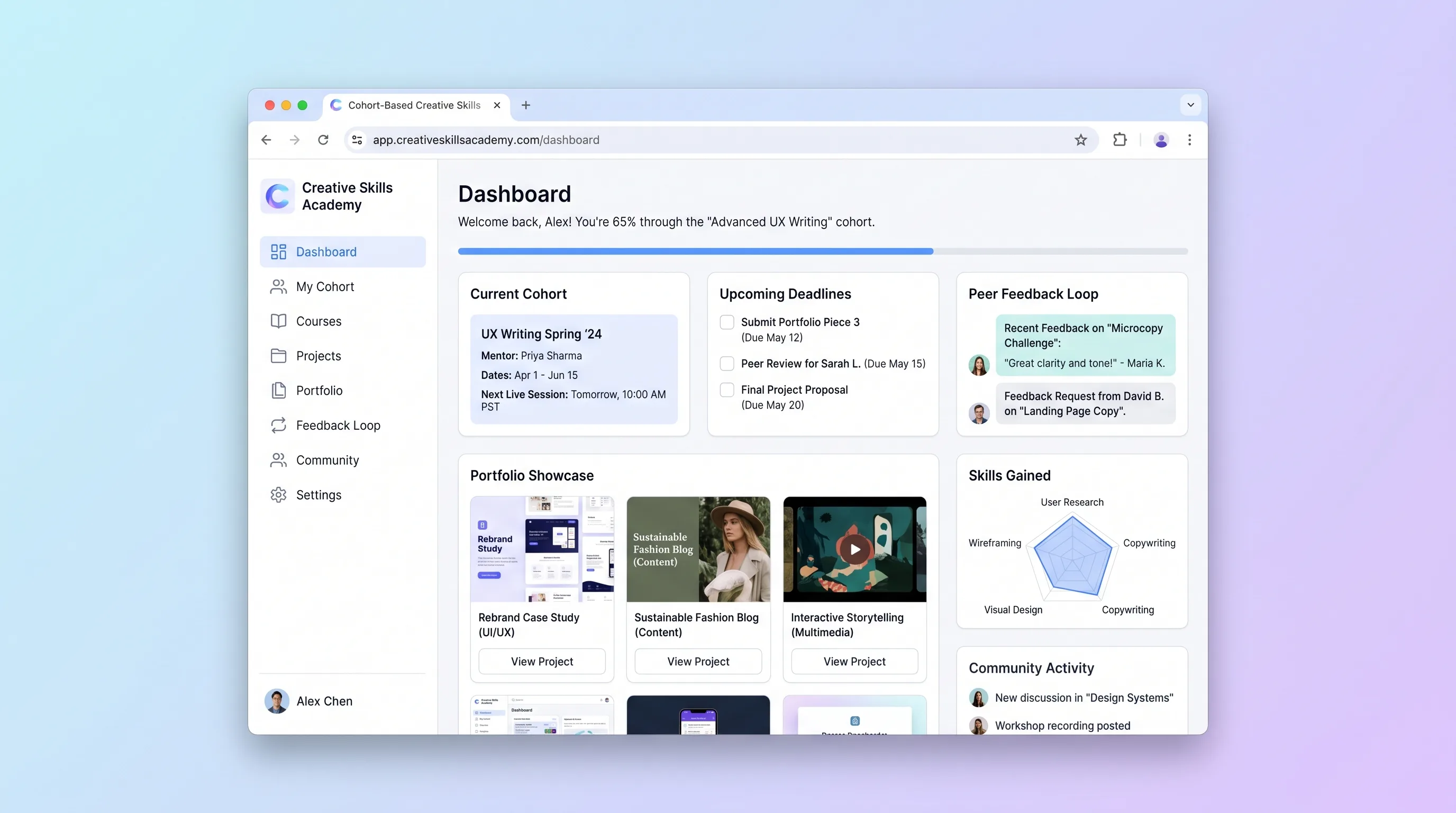
A course workspace for independent creative educators to run timed cohorts, organize peer critiques, and turn approved student work into public portfolios.
Learning PlatformEducation
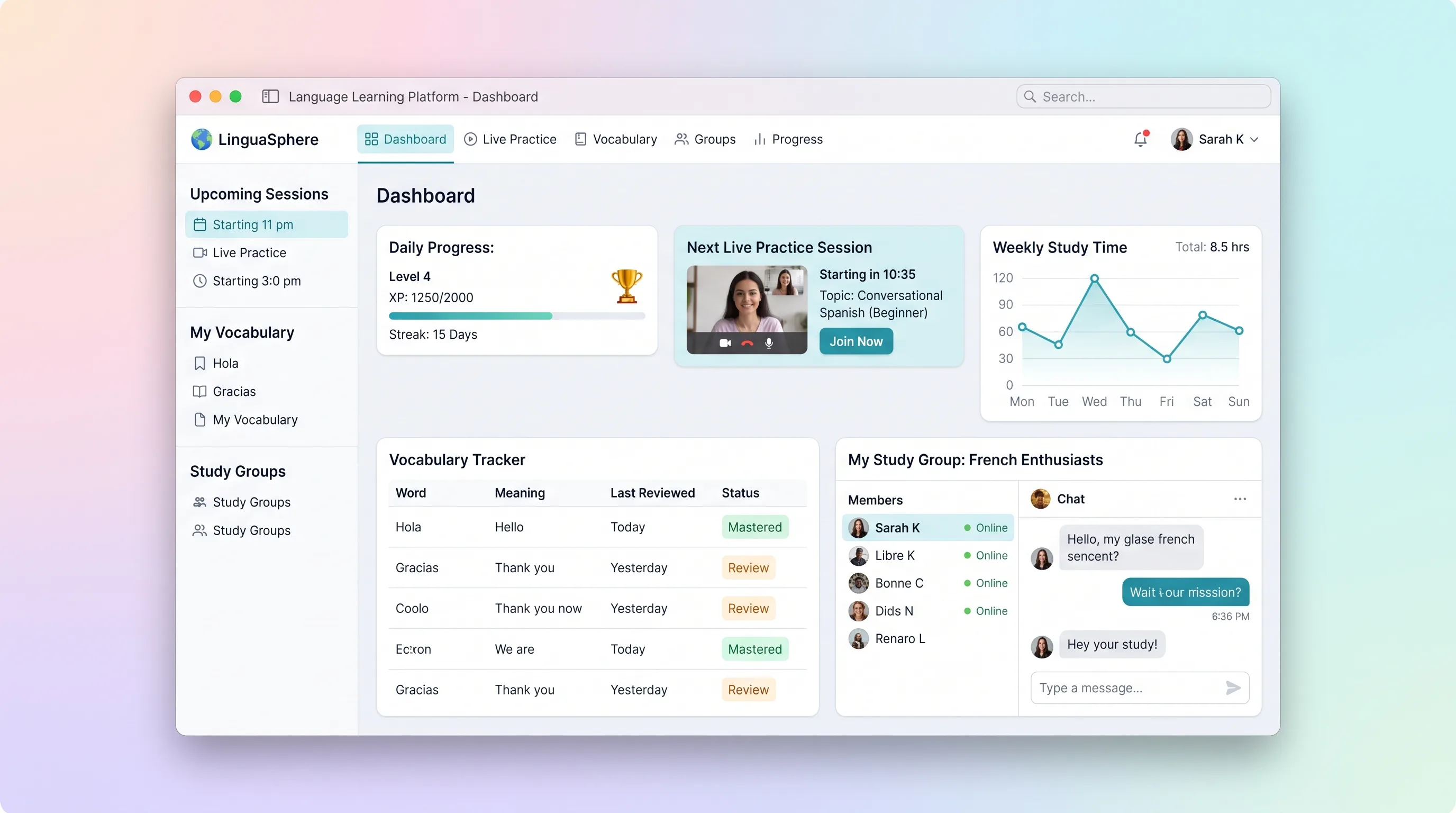
A practice-focused learning space that connects vocabulary review, timezone-safe session booking, embedded conversation rooms, and weekly progress.
Learning PlatformEducation
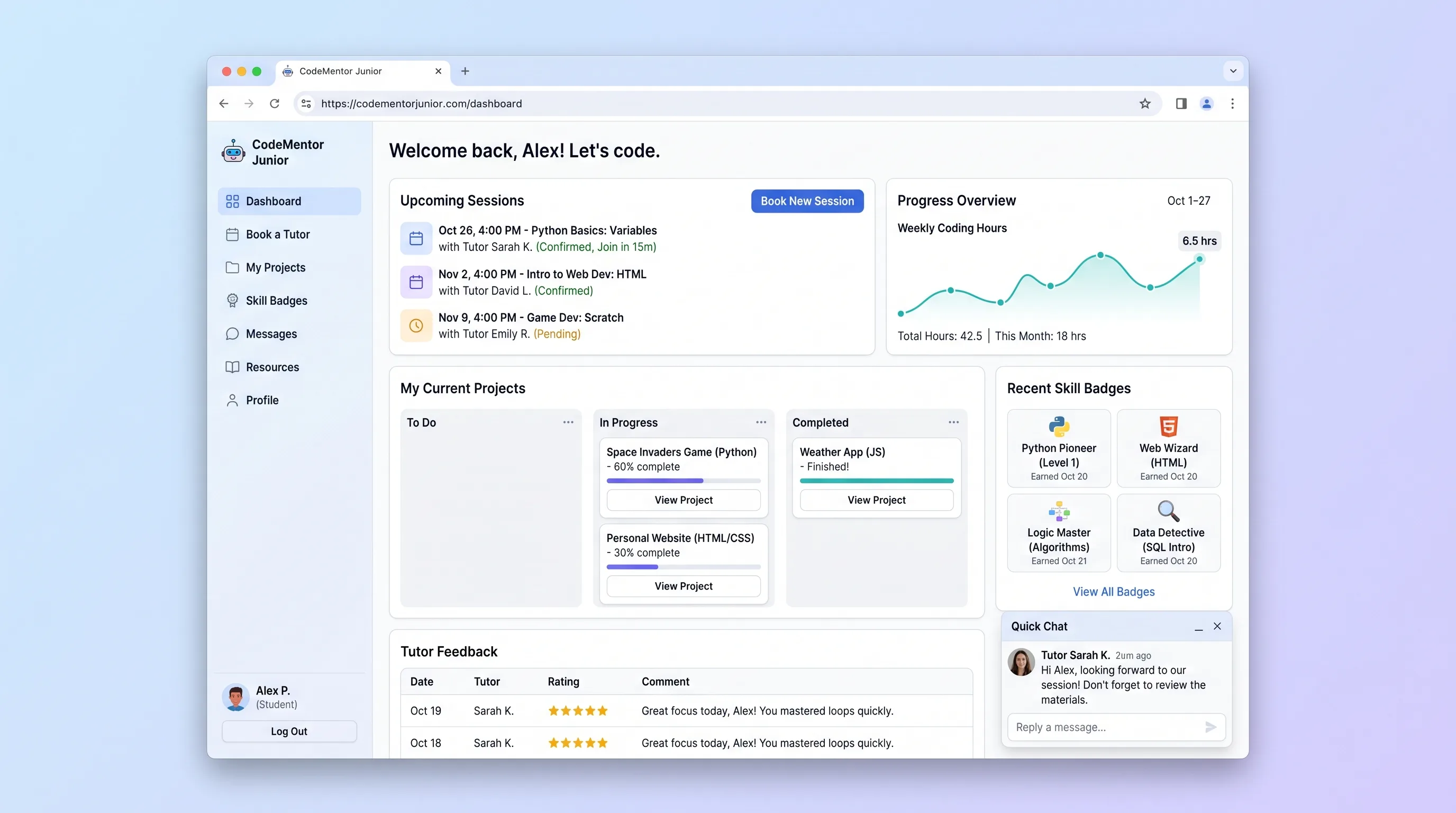
A focused booking and progress hub where parents schedule 1-on-1 coding tutors for children aged 7-17, follow project milestones, and collect skill badges.
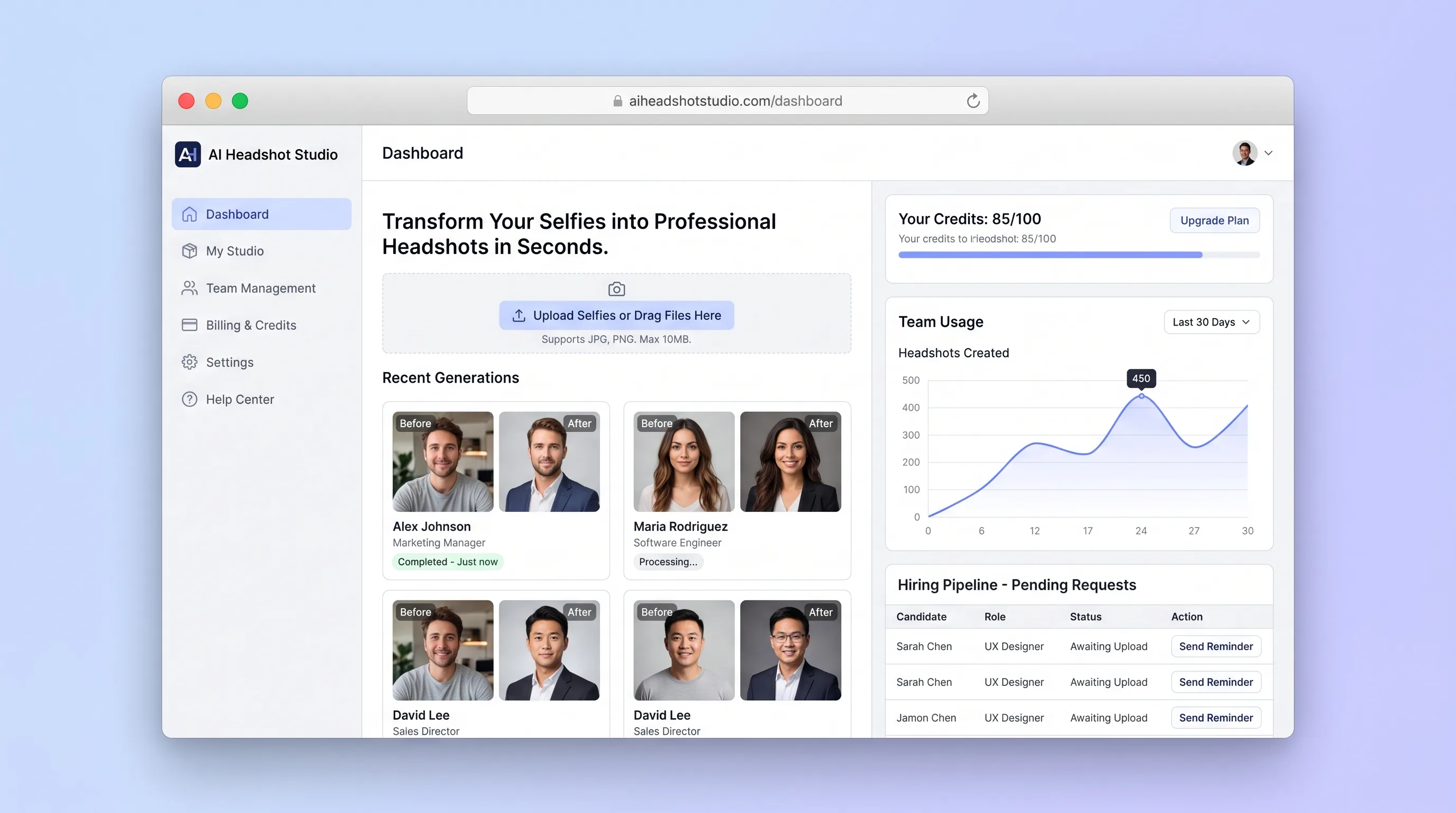
AI ToolHR & Recruiting
A guided portrait studio that validates source selfies, generates consistent professional headshots, and lets individuals or team admins manage favorites and credits.
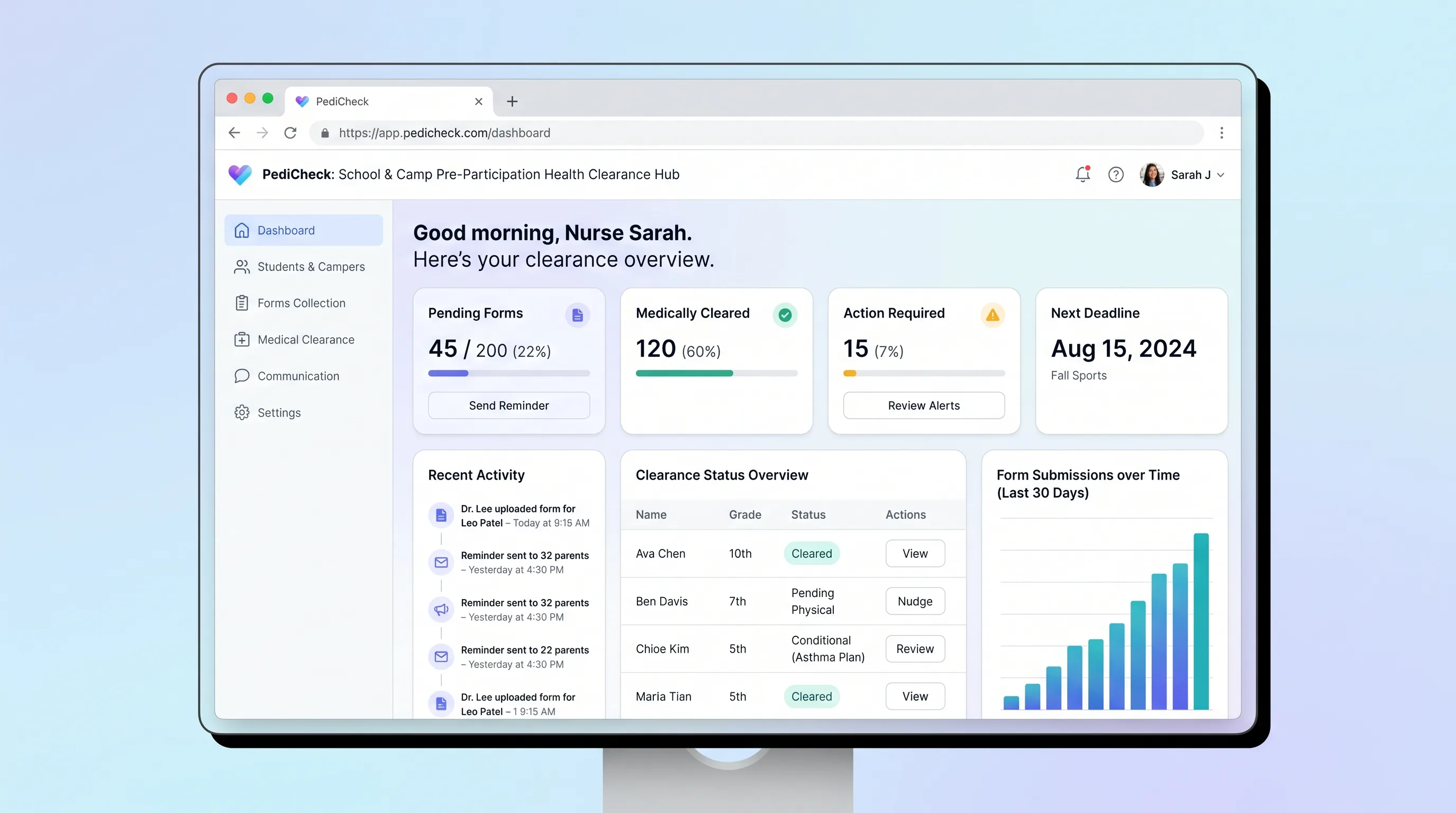
SaaS WorkflowEducation
A secure packet and review workflow for schools and camps to collect family-submitted health forms and track clinician-recorded participation decisions.
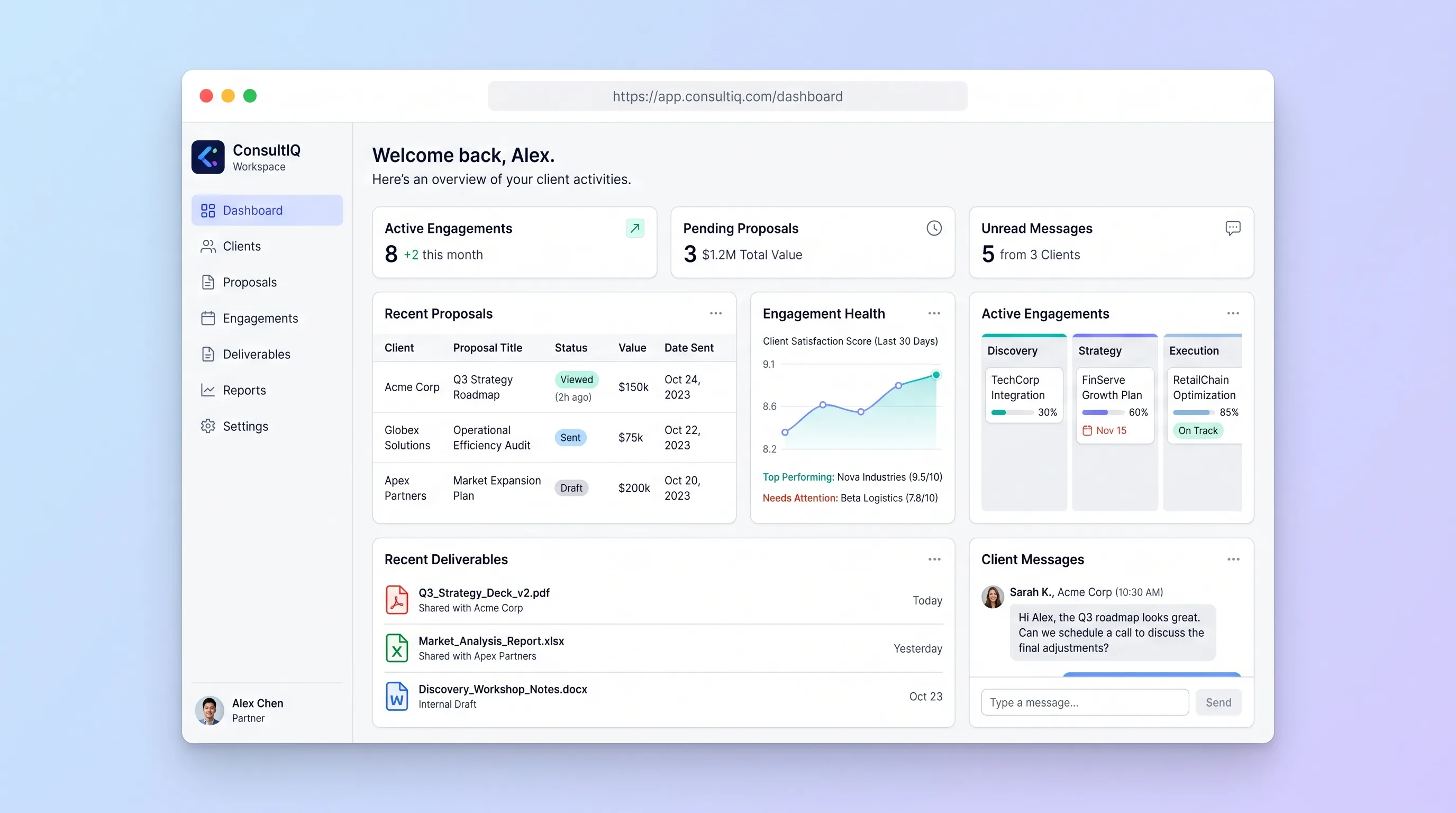
SaaS WorkflowProfessional Services
A branded workspace for boutique consultancies to move a prospect from proposal approval into a controlled engagement with milestones, files, and client sign-offs.