Build this if
An organization has an authorized reviewer, a defined seasonal packet, and repeated operational delay from missing or mismatched forms.
A secure packet and review workflow for schools and camps to collect family-submitted health forms and track clinician-recorded participation decisions.
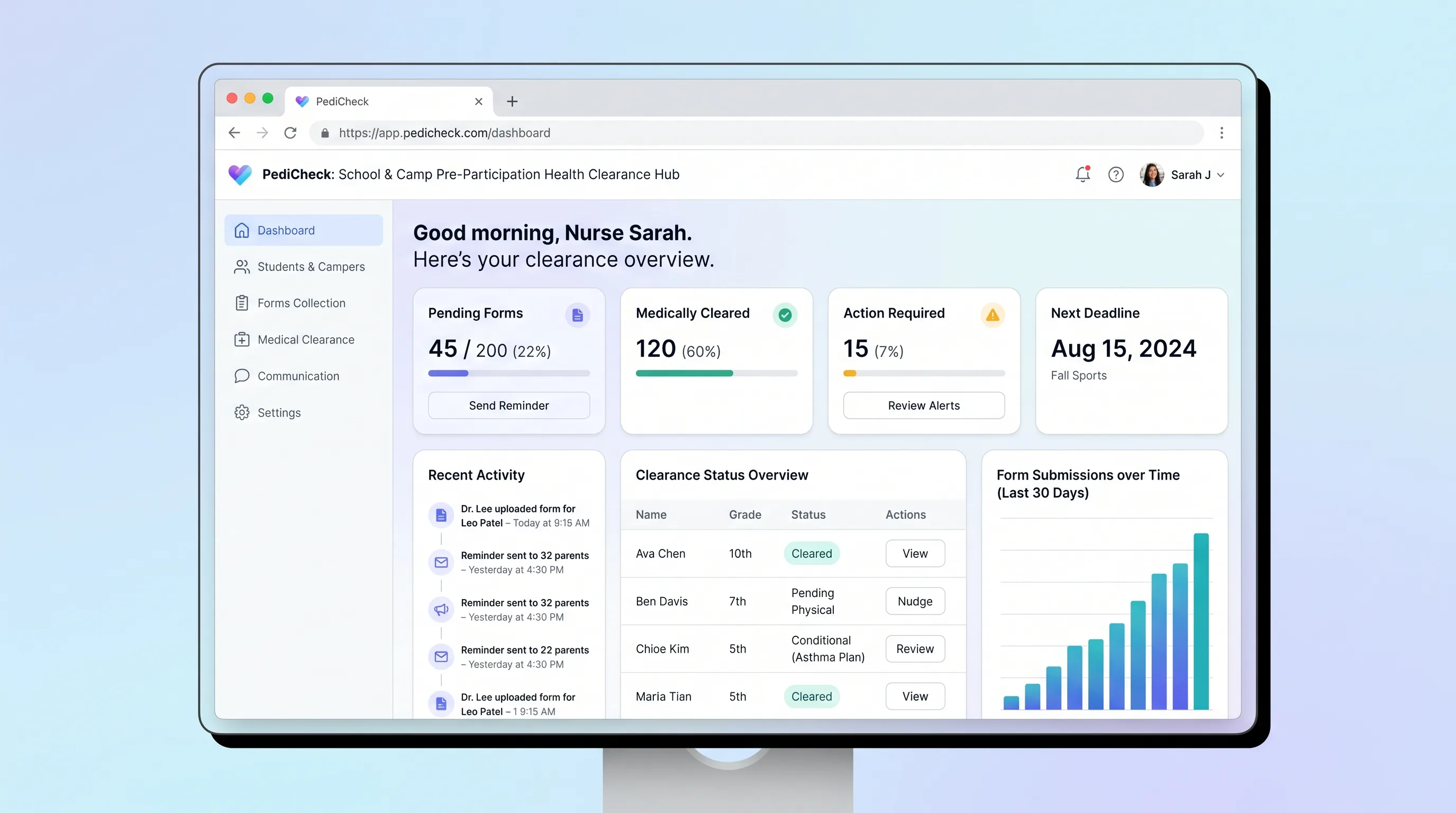
Decision snapshot
An organization has an authorized reviewer, a defined seasonal packet, and repeated operational delay from missing or mismatched forms.
The goal is automated medical judgment, clinical diagnosis, emergency records, or production deployment without security, privacy, and legal review.
Use synthetic family, reviewer, and director accounts to complete a correction loop and verify role isolation, audit coverage, decision gates, and readiness projections.
Problem and target customer
Parents submit annual forms through paper, email, and office drop-off, leaving nurses to match documents to children and repeatedly chase missing signatures or dates. Directors see a headline count but not which files still block participation.
K-12 schools, youth programs, and summer camps with an authorized nurse or health reviewer responsible for annual pre-participation packets.
Annual organization license priced by enrolled participant count and retained seasons.
Editorial note
The software may organize evidence and expose missing items, but an authorized human owns every participation decision. That boundary should be visible in the interface, data model, and acceptance tests.
Directors need operational readiness, not unrestricted access to medical files. A separate minimum-necessary projection is safer and clearer than reusing the nurse packet screen with hidden buttons.
Development should begin with synthetic records. Production use depends on contracts, jurisdiction, policy, retention, identity, incident response, and security review that no code template can settle.
Choose your next step
Evaluate the operating tradeoffs quickly, or inspect how to build the MVP.
Compare the three operating paths at the default workload before opening the full calculator.
See cost preview Build this ideaInspect the build blueprintReview MVP scope, workflow, states, data rules, architecture, and acceptance criteria.
Open blueprintEvaluation preview
Directional infrastructure estimates for the current 1,000 health packets reviewed assumption. Open the full calculator when you are ready to change it.
Managed runtime and database with separate private document storage for a reviewed pilot.
Lowest operating effortOperator-managed application and database with hardened access and backups.
Lowest baseline costSeparate application, database, and storage capacity for stronger operational boundaries.
Most separation and controlBuild blueprint
Product goal
MVP scope
UX and user flow
Show one participant's season requirements, completion state, and safe next action on mobile.
Explain exactly which item needs replacement or clarification without exposing other participants.
Prioritize submitted and resubmitted packets and expose item-level evidence only to authorized reviewers.
Show directors counts by season and team with only blocking status and approved operational restrictions.
Core entity outline
Links one participant to an organization program and clearance period.
Groups submitted answers, acknowledgements, and review state for one enrollment.
Represents one required field, signature, or uploaded document and its review outcome.
Defines what a season requires and who may review it.
Stores the authorized reviewer's participation outcome and validity window.
Architecture and data flow
Provide participant-scoped forms, uploads, signatures, corrections, and status.
Protect item evidence and manual decision controls behind reviewer authorization.
Expose minimum operational readiness data without source medical records.
Enforce roles, packet versioning, transitions, audit events, and retention actions.
Store documents under organization and participant scopes with short-lived access.
Deliverables and acceptance
Recommended stack
Deliver mobile family forms and protected desktop review views in one tested application.
Enforce organization, guardian, reviewer, and director boundaries with auditable relational state.
Keep uploads outside the database and gate every read through short-lived authorization.
Send status-only notices while tracking failures and avoiding sensitive message content.
Make sensitive access reviewable and separate key control from application data.
This product's complexity is the authorization and evidence boundary, not form rendering. Manual clinical decisions, minimum-necessary projections, private files, and fail-closed auditing must be designed before convenience integrations.
Copy the build prompt, model the operating cost, and choose where to deploy.
Execution
Once the blueprint is clear, use the prompt, cost model, and deployment options to start building.
Build prompt
Build a mobile family portal and protected nurse workspace with strict organization scoping, encrypted document storage, audit events, and manual clinical decisions. Use synthetic records during development and do not claim compliance by architecture alone.
Build prompt
Open the prompt pack whenever you are ready to take this blueprint into your builder.
Build prompt ready
Copy the prompt into your builder, then use the cost model below to choose how you want to run it.
Use the cost model to choose a deployment path that matches the build plan.
Cost calculator
A technical run-cost estimate for the first production version. Team, acquisition, payment fees, and business COGS are excluded.
$20-$55 per 1,000 health packets reviewed
Low and high values allow for usage variance and plan headroom.
Managed runtime and database with separate private document storage for a reviewed pilot.
5K health packets reviewed included, then $10-$25 per 5K health packets reviewedEncrypted object storage for submitted documents after the included allowance.
Monthly allowance from this idea's operating profileThe estimate combines the selected infrastructure path, required operating modules, selected optional modules, and usage above included monthly allowances. Taxes and regional uplifts are excluded.
Deployment options
Choose based on operating preference, not only the headline price.
Useful for a synthetic-data prototype after verifying service and contract requirements for the intended deployment.
Using a hosting product does not establish legal or regulatory compliance; production suitability requires organizational review.
Run the app, worker, and database on one small Vultr VPS with Docker Compose and explicit backups.
The organization assumes patching, hardening, monitoring, key management, and restore responsibility.
Separate application, worker, data, storage, and backup responsibilities as the workload grows.
Architecture alone does not satisfy privacy or health-data obligations, and Lightsail may not fit every required agreement.
Start building
Use Lovable to test the mobile packet checklist, secure uploads, correction loop, nurse queue, and director readiness summary with synthetic data only.
Open Lovable 02AutomationSend bounded packet remindersUse Make only as optional glue for organization-approved reminder schedules using packet status, without sending health details into general automation payloads.
Open Make 03DeployDeploy only after a security reviewRailway can host the app and database for a pilot, but production handling of child health records requires the organization to verify contracts, access controls, backups, and applicable obligations.
Open RailwayKeep exploring
SaaS WorkflowEducation
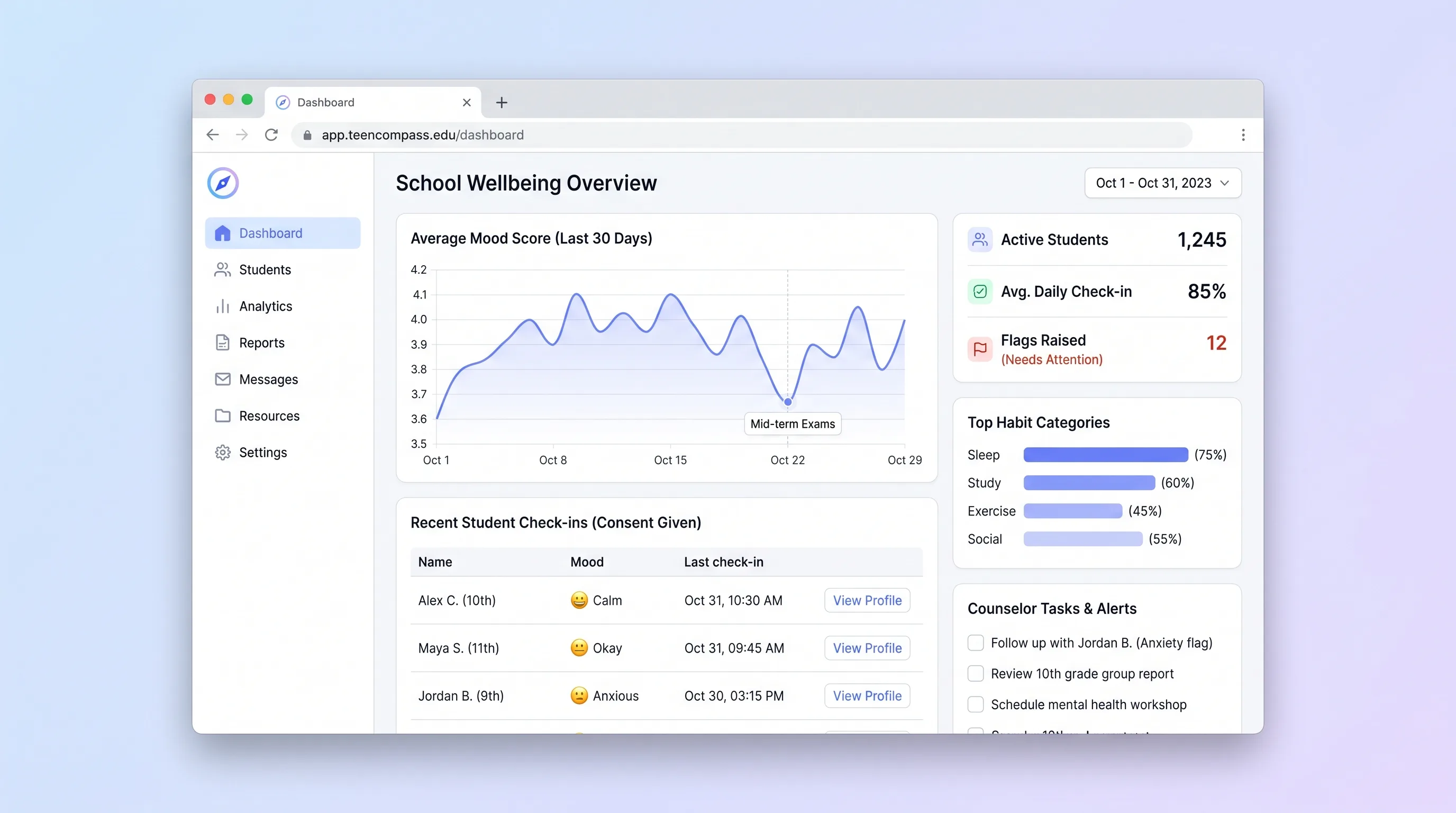
A consent-based school check-in tool that helps counselors review student-reported mood and habit patterns, document follow-up, and protect privacy.
Booking PlatformHealthcare & Wellness
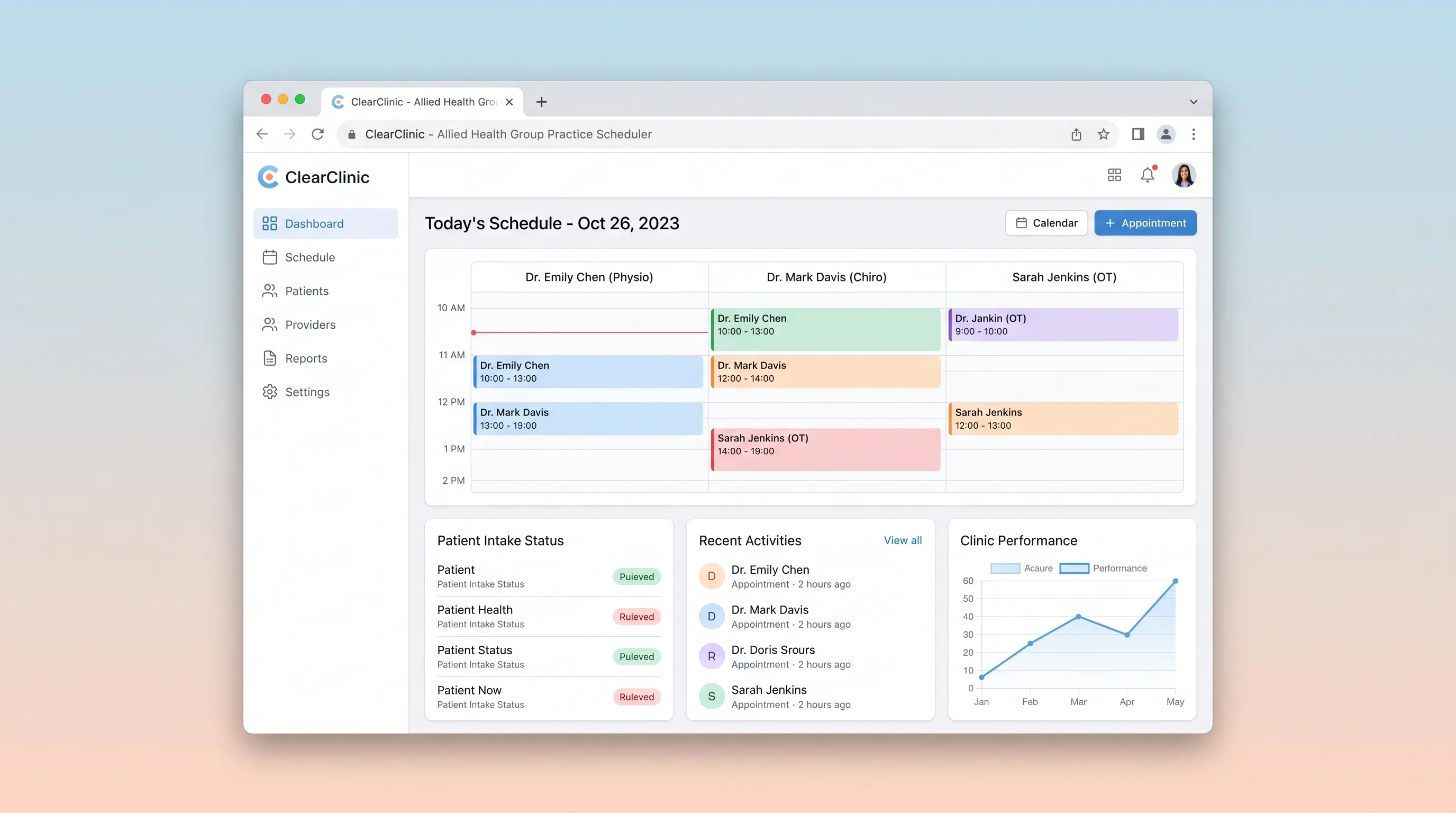
Multi-provider scheduling and patient intake platform for physiotherapy, chiropractic, and allied health group practices.
SaaS WorkflowHealthcare & Wellness
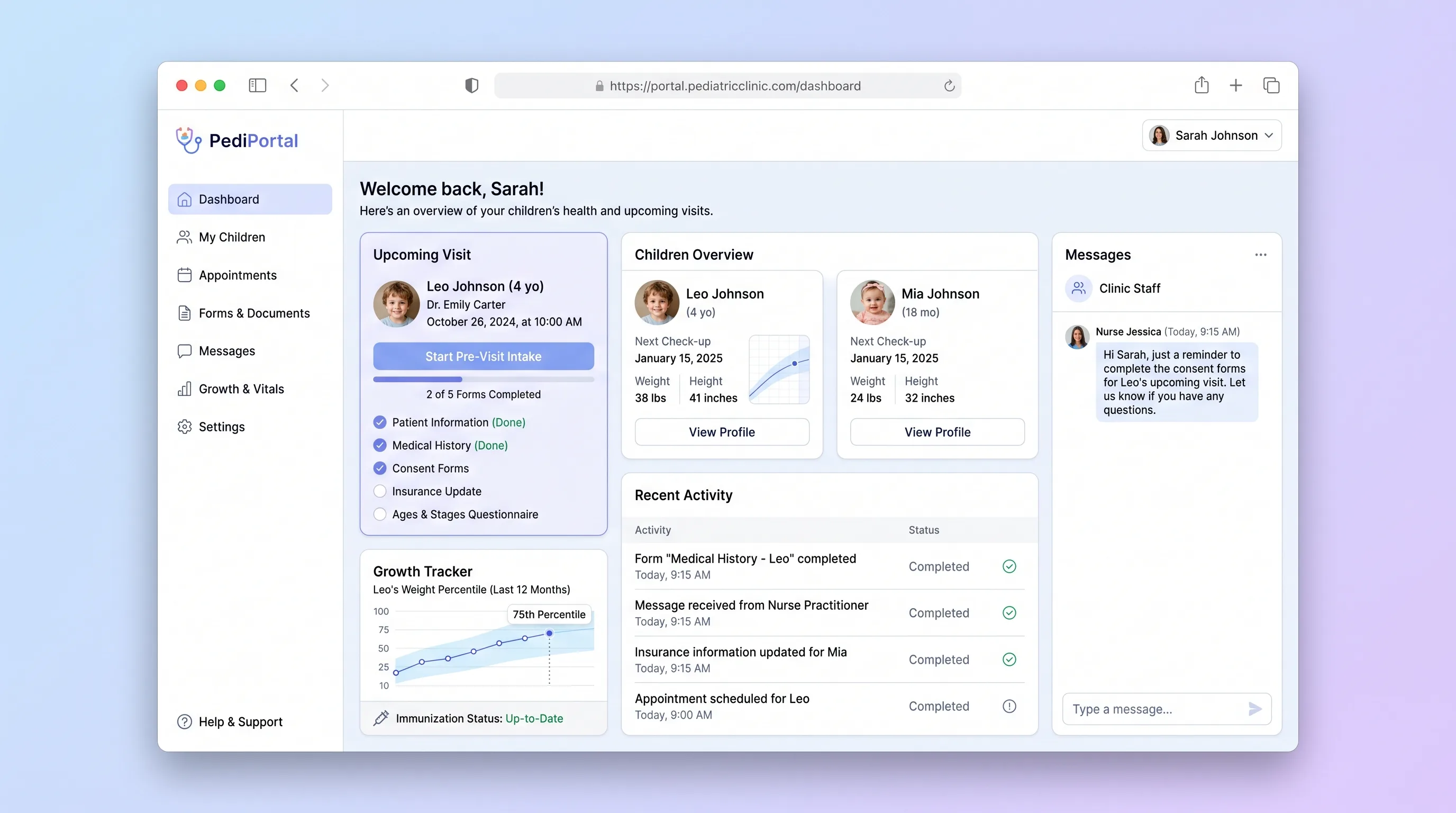
A parent-facing intake portal for pediatric clinics that digitizes pre-visit forms, tracks child immunization status, and delivers a visit prep checklist before families arrive.
SaaS WorkflowProfessional Services
A branded workspace for boutique consultancies to move a prospect from proposal approval into a controlled engagement with milestones, files, and client sign-offs.
SaaS WorkflowProfessional Services
A kanban-driven workspace where freelancers and small agencies track client project milestones, route deliverables through an approval workflow, and auto-generate invoices upon approval.
SaaS WorkflowProfessional Services
A branded portal where law firms manage client matters, share documents, log billable time, and collect invoice payments in one secure place.