Build this if
Your operations team already reuses no-code recipes but loses setup knowledge and version identity between implementations.
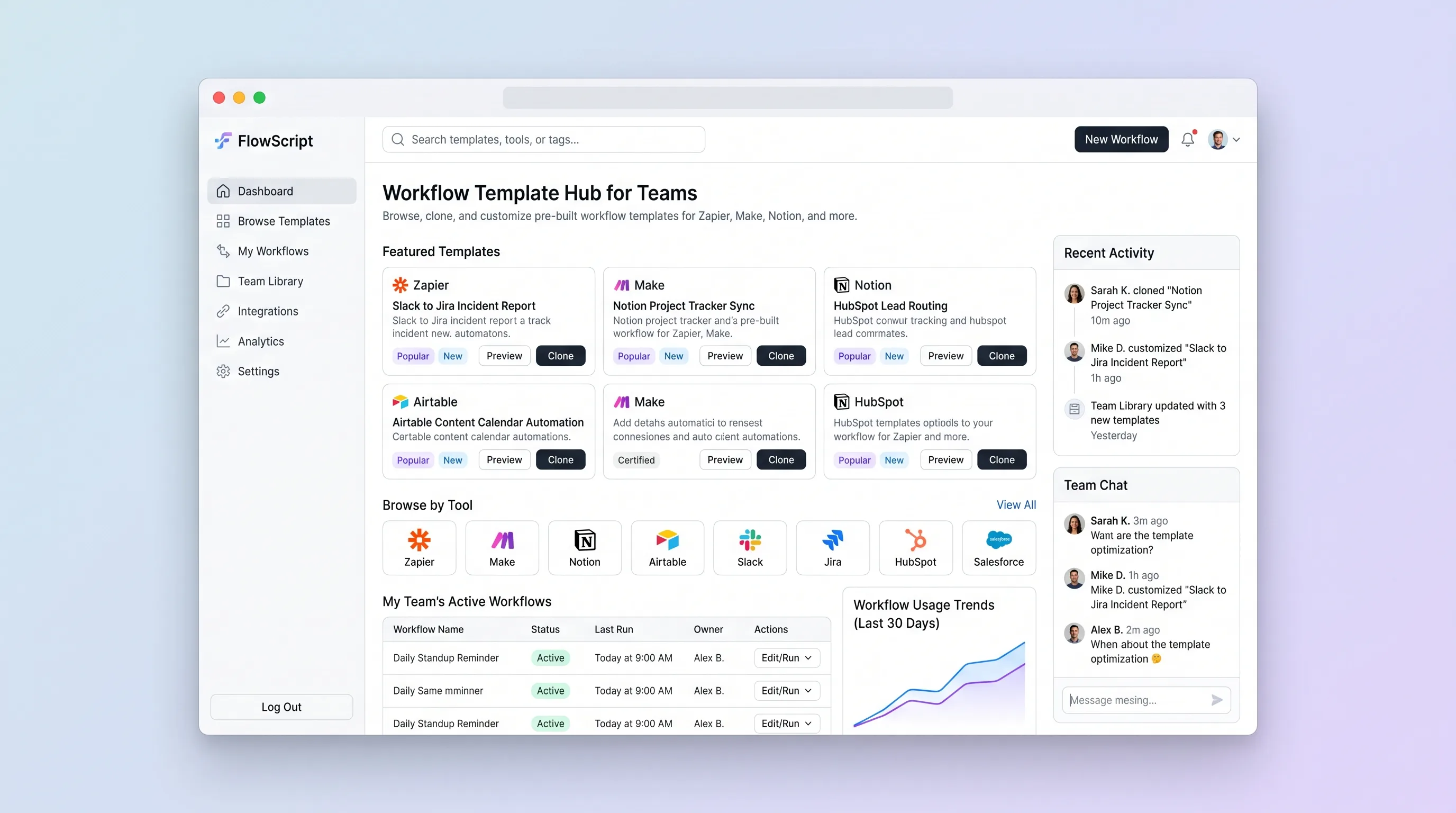
A private operations library for finding vetted no-code recipes, cloning a version into a team collection, and recording the local setup notes that make it reusable.
Decision snapshot
Your operations team already reuses no-code recipes but loses setup knowledge and version identity between implementations.
You need an automation runtime, credential vault, or public creator marketplace rather than an internal knowledge product.
Load 25 real team recipes and verify five operators can find and clone the correct version for a named task in under five minutes.
Problem and target customer
Operations teams save automation links in chat, personal bookmarks, and scattered docs. A colleague may find a promising template but cannot tell which version the team used, what credentials or fields it needs, or whether it still works.
Operations teams at small and mid-sized companies that repeatedly implement workflows in tools such as Zapier, Make, and Notion.
Monthly team workspace subscription with a curated starter library.
Editorial note
A useful template hub preserves provenance inside the team: which recipe version was tested, which prerequisites were true, and what changed during local implementation. A link directory cannot answer those questions.
Do not begin by connecting every vendor account. The pilot should prove that people can retrieve and adapt the right recipe safely; execution, credential handling, and one-click installs are separate infrastructure products.
Choose your next step
Evaluate the operating tradeoffs quickly, or inspect how to build the MVP.
Compare the three operating paths at the default workload before opening the full calculator.
See cost preview Build this ideaInspect the build blueprintReview MVP scope, workflow, states, data rules, architecture, and acceptance criteria.
Open blueprintEvaluation preview
Directional infrastructure estimates for the current 500 template clones assumption. Open the full calculator when you are ready to change it.
Railway hosts app, database, and small artifact volume.
Lowest operating effortA Hetzner server runs the library stack.
Lowest baseline costLarger or dedicated resources isolate search and data.
Most separation and controlBuild blueprint
Product goal
MVP scope
UX and user flow
Filter by tool, trigger, outcome, complexity, and last-tested status.
Explain steps, prerequisites, required fields, export files, version, and test history.
Track cloned recipes, local notes, owner, and implementation status.
Core entity outline
Defines the stable recipe identity, outcome, tools, and discoverability metadata.
Freezes steps, prerequisites, sanitized export, author, and tested date.
Captures which version a team adopted and its local implementation notes.
Groups adopted recipes for a function or initiative and controls membership.
Architecture and data flow
Serve library, detail, collection, and maintenance views.
Persist metadata, versions, memberships, and full-text search vectors.
Validate file type, size, and secret patterns before storage.
Deliverables and acceptance
Recommended stack
Supports private catalog and maintenance screens in one app.
The pilot catalog does not justify a separate search cluster.
Team collections and maintainer actions require straightforward roles.
Sanitized artifacts can be served through expiring links.
The first value is trusted internal reuse, not workflow execution. Relational versioning plus built-in search is enough to prove discovery and handoff before adding vendor-specific adapters.
Copy the build prompt, model the operating cost, and choose where to deploy.
Execution
Once the blueprint is clear, use the prompt, cost model, and deployment options to start building.
Build prompt
Use a TypeScript app with PostgreSQL full-text search; store sanitized template exports and setup documentation without connecting to third-party accounts in the MVP.
Build prompt
Open the prompt pack whenever you are ready to take this blueprint into your builder.
Build prompt ready
Copy the prompt into your builder, then use the cost model below to choose how you want to run it.
Use the cost model to choose a deployment path that matches the build plan.
Cost calculator
A technical run-cost estimate for the first production version. Team, acquisition, payment fees, and business COGS are excluded.
$5-$35 per 500 template clones
Low and high values allow for usage variance and plan headroom.
Railway hosts app, database, and small artifact volume.
1K template clones included, then $2-$8 per 1K template clonesThe estimate combines the selected infrastructure path, required operating modules, selected optional modules, and usage above included monthly allowances. Taxes and regional uplifts are excluded.
Deployment options
Choose based on operating preference, not only the headline price.
Deploy the private catalog and database quickly.
Monitor resource use as full-text search volume grows.
Run the app, worker, and database on one small Vultr VPS with Docker Compose and explicit backups.
You own patching and backup recovery.
Separate application, worker, data, storage, and backup responsibilities as the workload grows.
Higher operations burden.
Start building
Use Lovable to test tool filters, the setup detail page, clone action, and team collection views with operations users.
Open Lovable 02AutomationValidate the Make handoffUse Make to test one real exported recipe and document which steps still require manual connection; the hub does not execute workflows itself.
Open Make 03DeployDeploy the team libraryHost the authenticated catalog, version history, and search index together on Railway.
Open RailwayKeep exploring
Internal ToolBusiness Operations
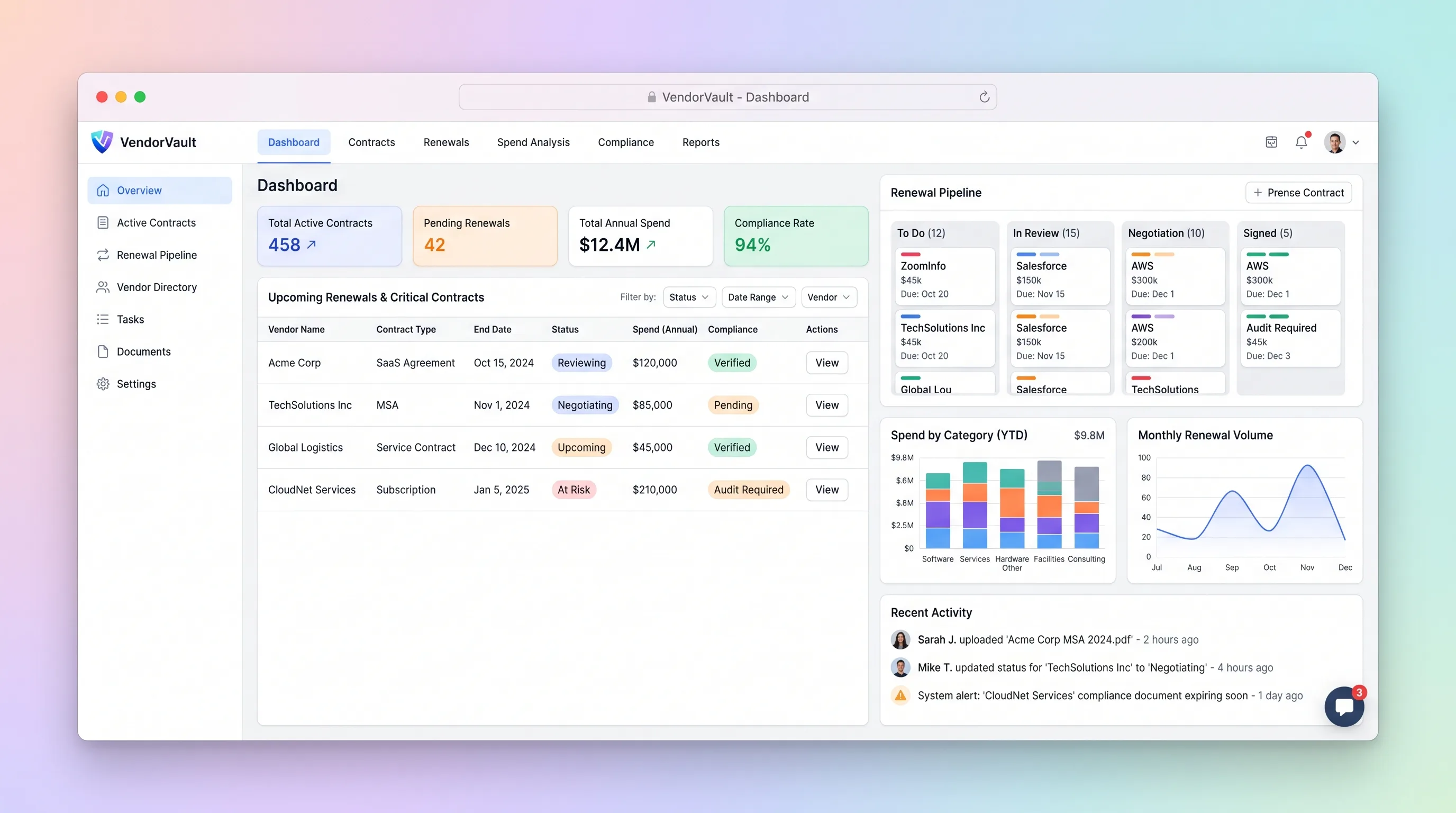
A procurement workspace that ties supplier contracts, renewal deadlines, owners, spend, and required documents to one accountable renewal pipeline.
Internal ToolBusiness Operations
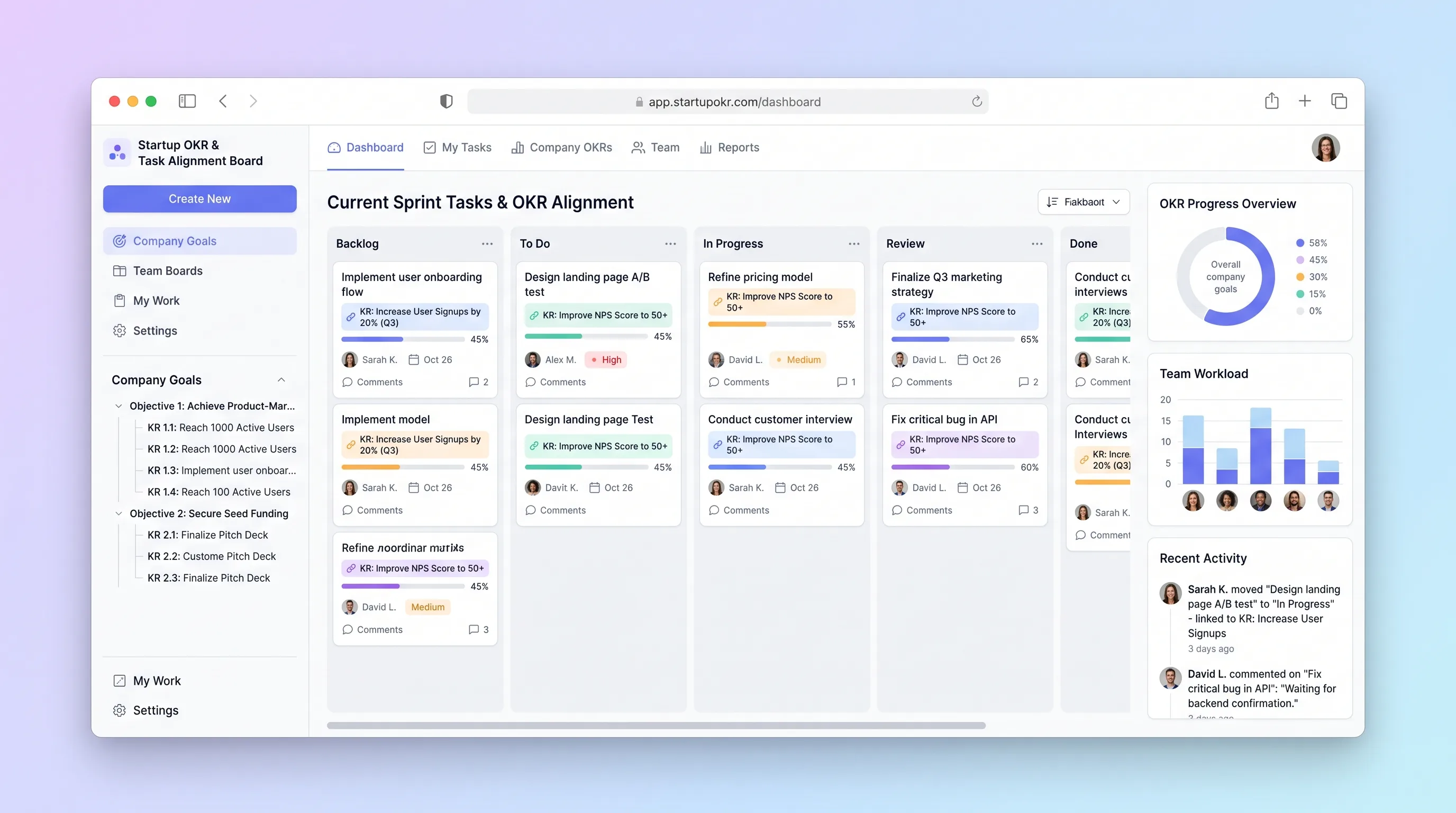
A planning board for small startup teams to connect daily tasks to measurable key results, update confidence weekly, and expose unaligned work.
Internal ToolBusiness Operations
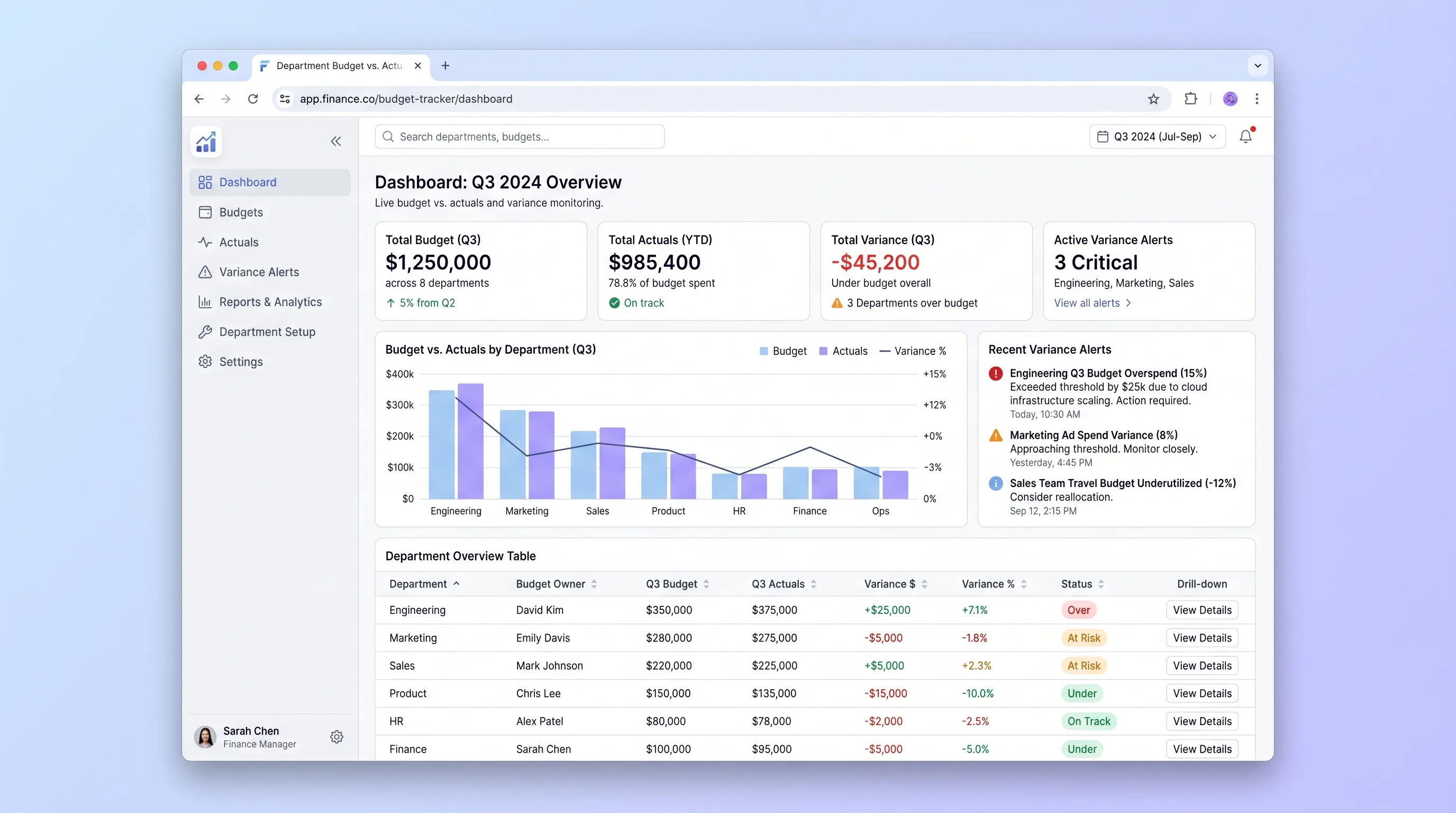
An internal tool that lets finance teams import annual budgets via CSV and gives department heads self-serve visibility into spend against budget with drill-down variance views and same-day threshold alerts.
Internal ToolDeveloper & IT Operations
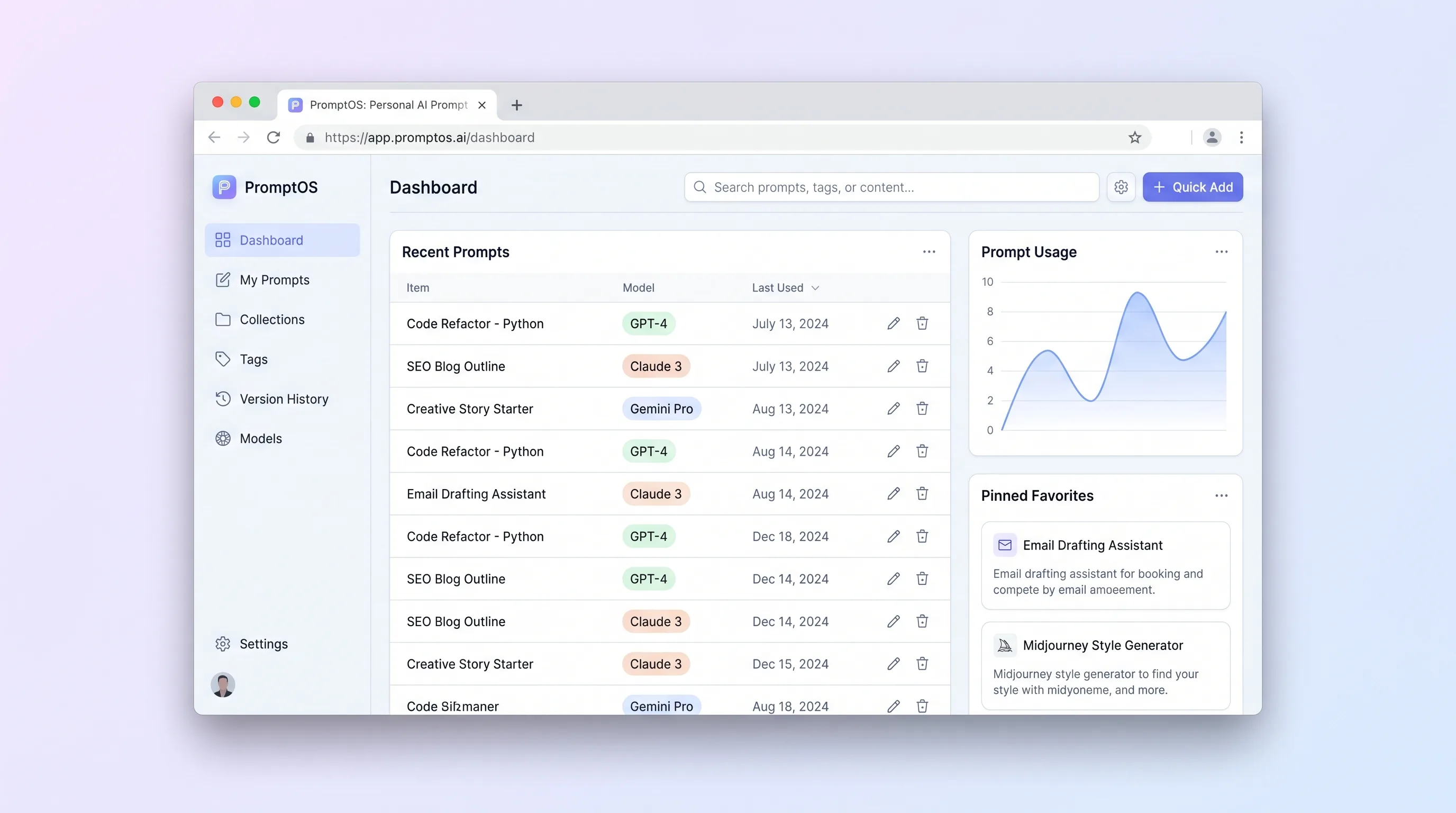
A private library for power users to save, tag, version, parameterize, and retrieve reusable prompts without depending on any model provider.
Internal ToolDeveloper & IT Operations
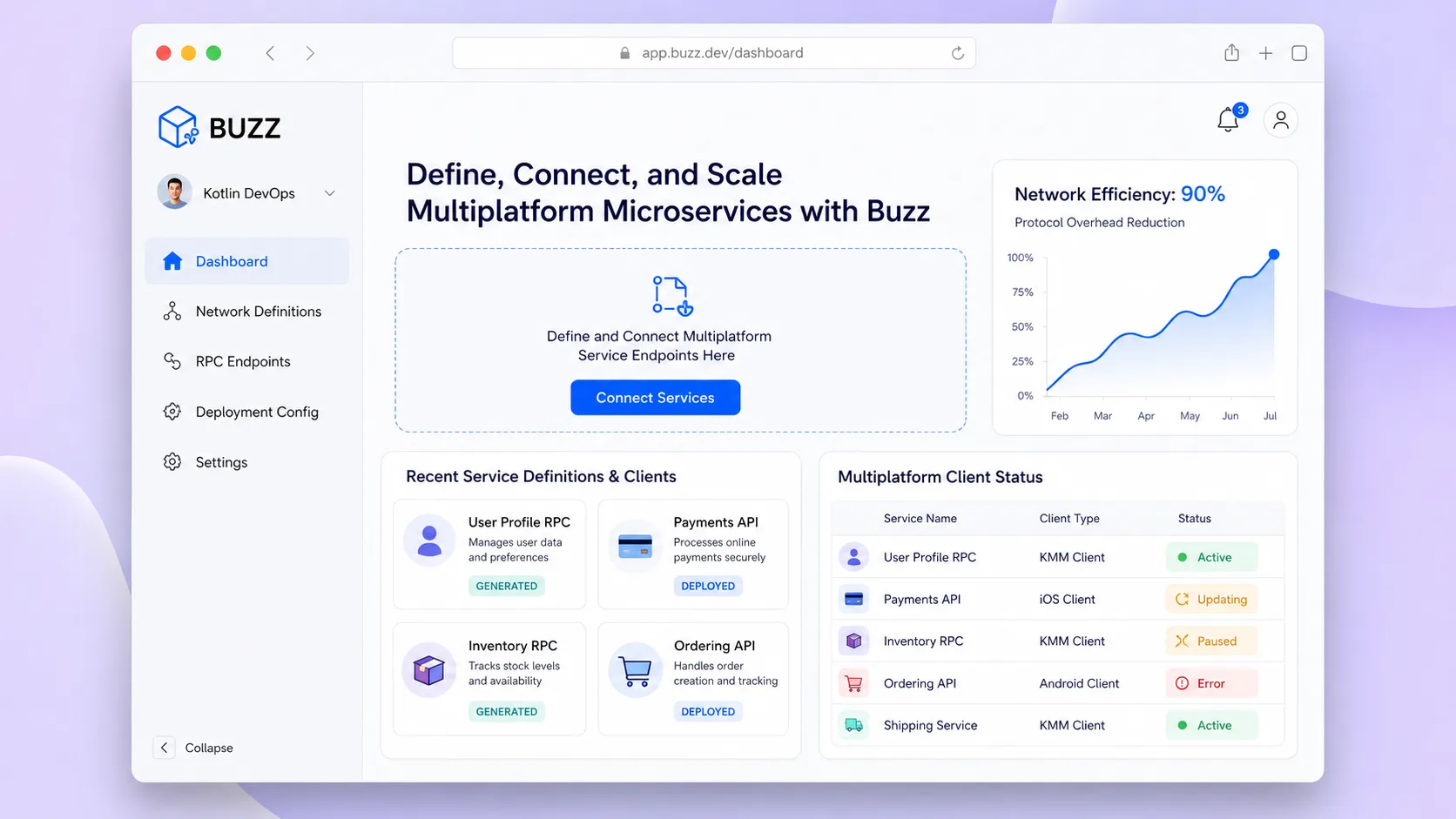
A self-hostable project workspace where humans and AI agents collaborate in signed rooms that unify conversation, code patches, workflow events, and approvals into one searchable, auditable event log.
Internal ToolHome & Local Services
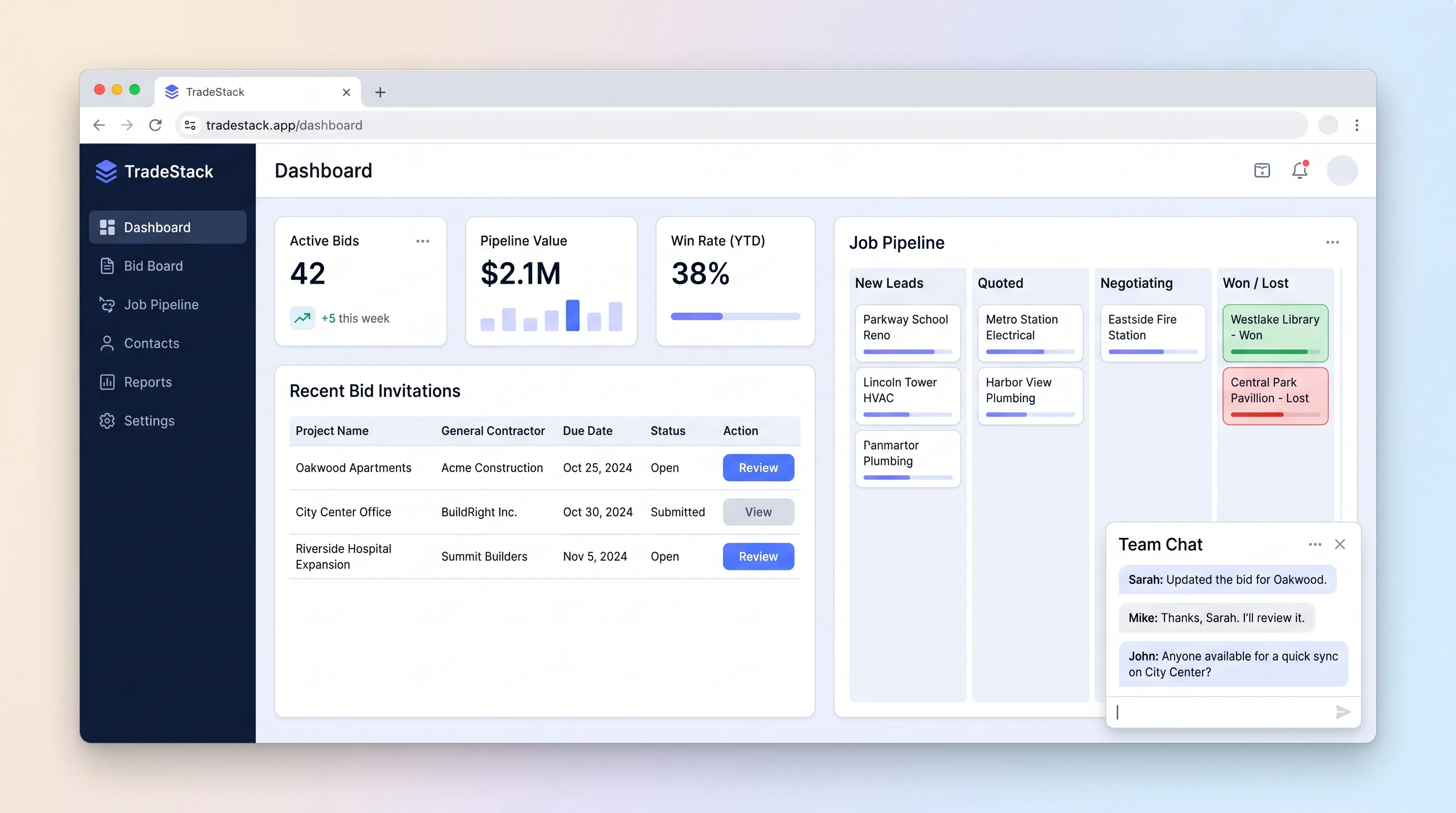
An internal bid desk for specialty contractors to capture invitations, prepare deadlines, move opportunities through estimating, and learn from won or lost work.