Build this if
A trade contractor handles enough concurrent invitations that missed deadlines and missing outcome notes affect estimating decisions.
An internal bid desk for specialty contractors to capture invitations, prepare deadlines, move opportunities through estimating, and learn from won or lost work.
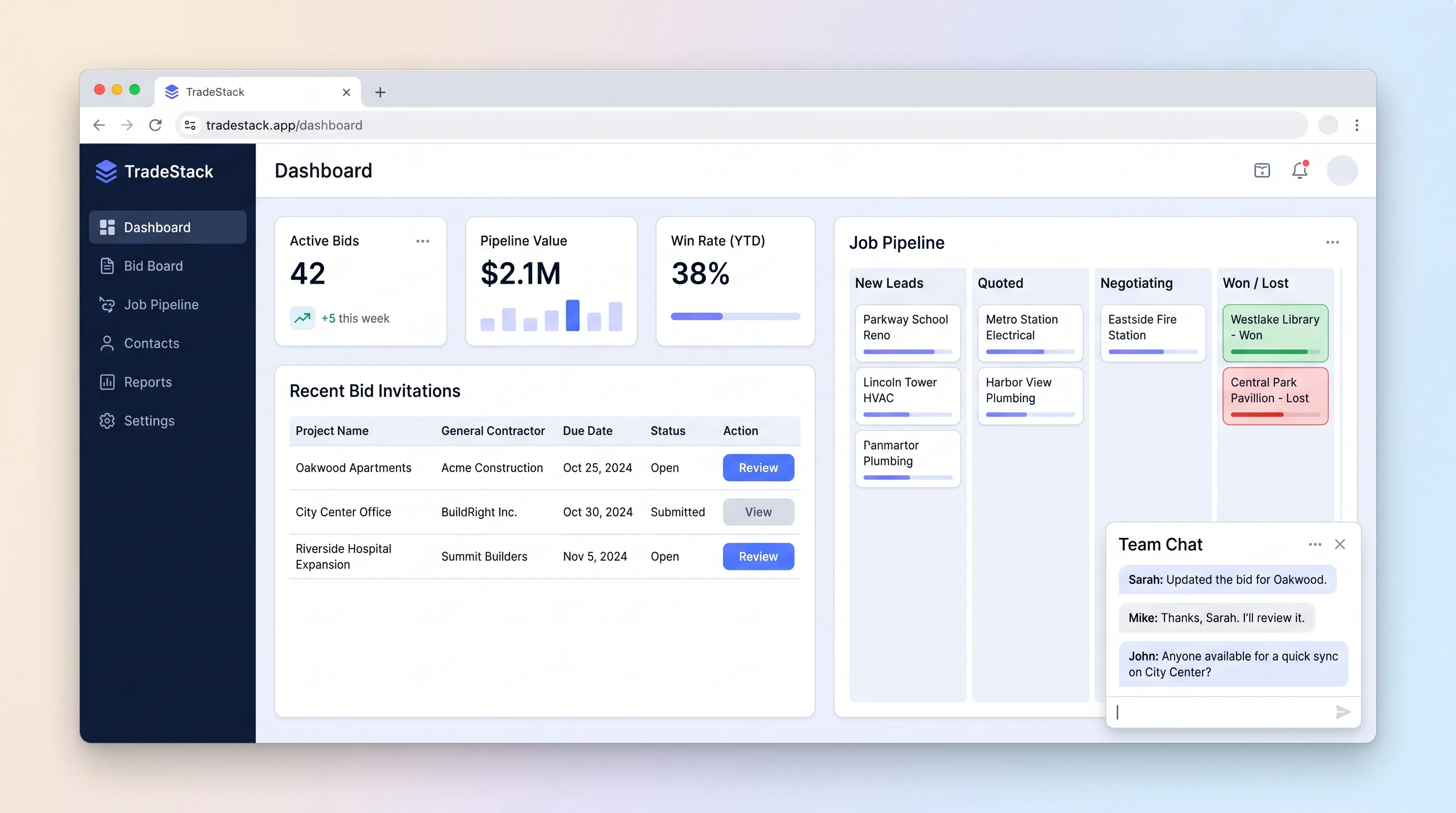
Decision snapshot
A trade contractor handles enough concurrent invitations that missed deadlines and missing outcome notes affect estimating decisions.
The buyer primarily needs takeoff, construction accounting, field scheduling, or a full general-contractor platform.
Import 30 recent invitations, run two live estimating weeks, and verify that the team can identify due bids and record every submitted outcome without a separate spreadsheet.
Problem and target customer
Bid invitations arrive through calls and inboxes, deadlines live in personal calendars, and outcome notes disappear, leaving estimators unable to prioritize work or explain their win rate.
Small specialty trade contractors whose owner, estimator, or coordinator manages a shared pipeline of general-contractor bid invitations.
Monthly subscription per contracting company with a small included team and higher tiers for additional estimators.
Editorial note
The wedge is not another broad construction CRM. It is the estimating desk between an invitation arriving and an award decision, where speed, deadlines, and outcome memory have immediate operational value.
Do not add takeoff or accounting until the team consistently logs invitations and closes results. If estimators still keep a parallel spreadsheet after two live weeks, the capture fields or board ordering are wrong.
Choose your next step
Evaluate the operating tradeoffs quickly, or inspect how to build the MVP.
Compare the three operating paths at the default workload before opening the full calculator.
See cost preview Build this ideaInspect the build blueprintReview MVP scope, workflow, states, data rules, architecture, and acceptance criteria.
Open blueprintEvaluation preview
Directional infrastructure estimates for the current 300 bid invitations assumption. Open the full calculator when you are ready to change it.
App, database, backups, and logs for bid invitations, estimating stages, and outcomes with minimal platform operations.
Lowest operating effortA small cloud server runs bid invitations, estimating stages, and outcomes, PostgreSQL, and scheduled backups.
Lowest baseline costSeparate web, data, and background capacity for bid invitations, estimating stages, and outcomes when operational isolation matters.
Most separation and controlBuild blueprint
Product goal
MVP scope
UX and user flow
Capture and triage incoming project invitations.
Order active bids by stage and deadline risk.
Compare submissions, awards, and loss reasons by month and contractor.
Core entity outline
Captures the project, general contractor, trade scope, due date, and bid decision.
Tracks preparation stage, submission amount, and timing.
Stores award status and the team's reason or learning.
Architecture and data flow
Handle rapid capture, triage, board movement, and outcome entry.
Enforce valid stage transitions and calculate deadline risk.
Aggregate submissions, awards, and loss reasons without duplicating operational data.
Deliverables and acceptance
Recommended stack
Provides a desktop-first board, fast forms, and report views.
Keeps contractors, projects, invitations, estimates, and outcomes consistent.
Creates due-soon indicators without adding a separate queue service at beta scale.
Separates workspace data and limits pipeline administration.
A relational monolith matches the estimating workflow and keeps stage changes auditable. Search, takeoff, and forecasting can wait until the bid desk proves daily use.
Copy the build prompt, model the operating cost, and choose where to deploy.
Execution
Once the blueprint is clear, use the prompt, cost model, and deployment options to start building.
Build prompt
Start with a TypeScript relational application optimized for desktop estimating work; prove invitation capture speed before adding document ingestion.
Build prompt
Open the prompt pack whenever you are ready to take this blueprint into your builder.
Build prompt ready
Copy the prompt into your builder, then use the cost model below to choose how you want to run it.
Use the cost model to choose a deployment path that matches the build plan.
Cost calculator
A technical run-cost estimate for the first production version. Team, acquisition, payment fees, and business COGS are excluded.
$17-$54 per 250 bid invitations
Low and high values allow for usage variance and plan headroom.
App, database, backups, and logs for bid invitations, estimating stages, and outcomes with minimal platform operations.
50K bid invitations included, then $8-$20 per 50K bid invitationsThe estimate combines the selected infrastructure path, required operating modules, selected optional modules, and usage above included monthly allowances. Taxes and regional uplifts are excluded.
Deployment options
Choose based on operating preference, not only the headline price.
Deploy the bid board and estimating deadline service with managed services, environment variables, logs, and a short path from prototype to beta.
Usage-based compute needs budget alerts as activity grows.
Run the app, worker, and database on one small Vultr VPS with Docker Compose and explicit backups.
The operator owns database maintenance and incident response.
Separate application, worker, data, storage, and backup responsibilities as the workload grows.
More moving parts increase setup and observability work.
Start building
Build the quick invitation form, due-date board, submission detail, and outcome report around estimator actions.
Open Lovable 02AutomationAdd bounded deadline alertsUse Make only if the team wants a daily digest of bids due soon after the database has identified them.
Open Make 03DeployDeploy the shared pipelineHost the application, PostgreSQL, and scheduled deadline check with automatic backups and a restore drill.
Open RailwayKeep exploring
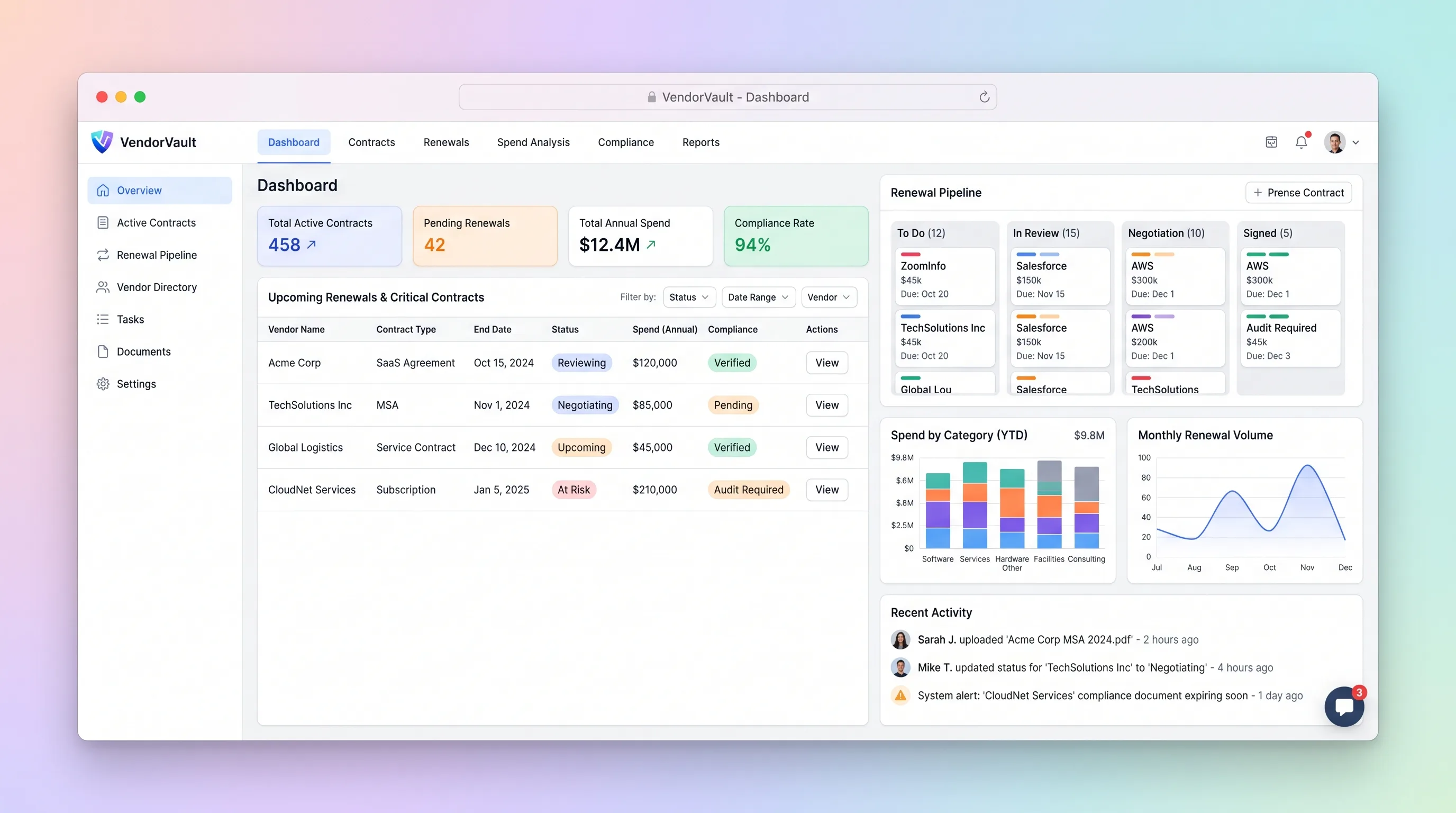
Internal ToolBusiness Operations
A procurement workspace that ties supplier contracts, renewal deadlines, owners, spend, and required documents to one accountable renewal pipeline.
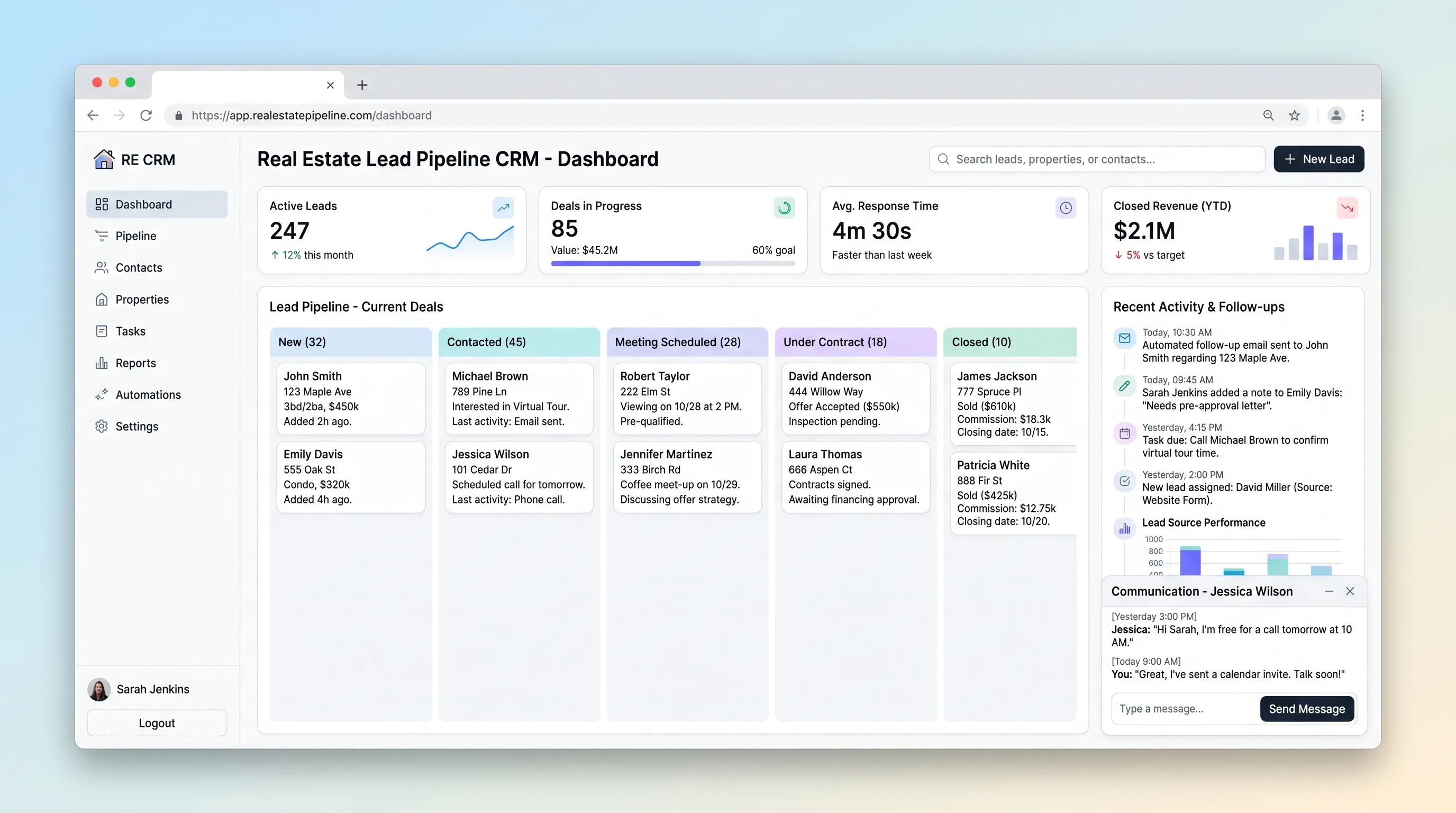
Internal ToolReal Estate
A focused CRM for agents to qualify property inquiries, schedule the next contact, move opportunities through deal stages, and see overdue follow-ups.
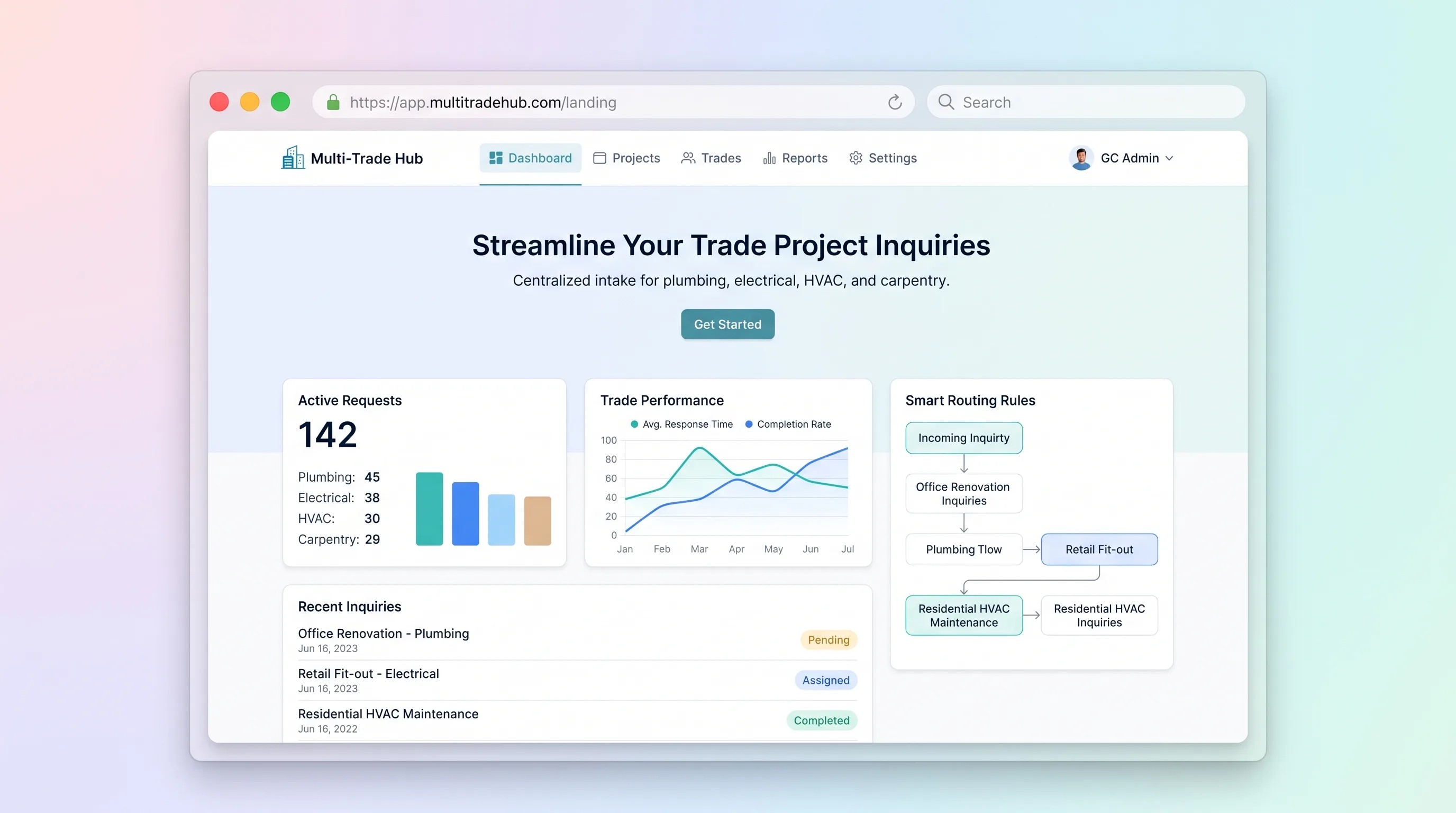
Website & Lead GenerationHome & Local Services
A structured inquiry and estimating handoff for general contractors handling plumbing, electrical, HVAC, and carpentry requests across one project.
Internal ToolDeveloper & IT Operations
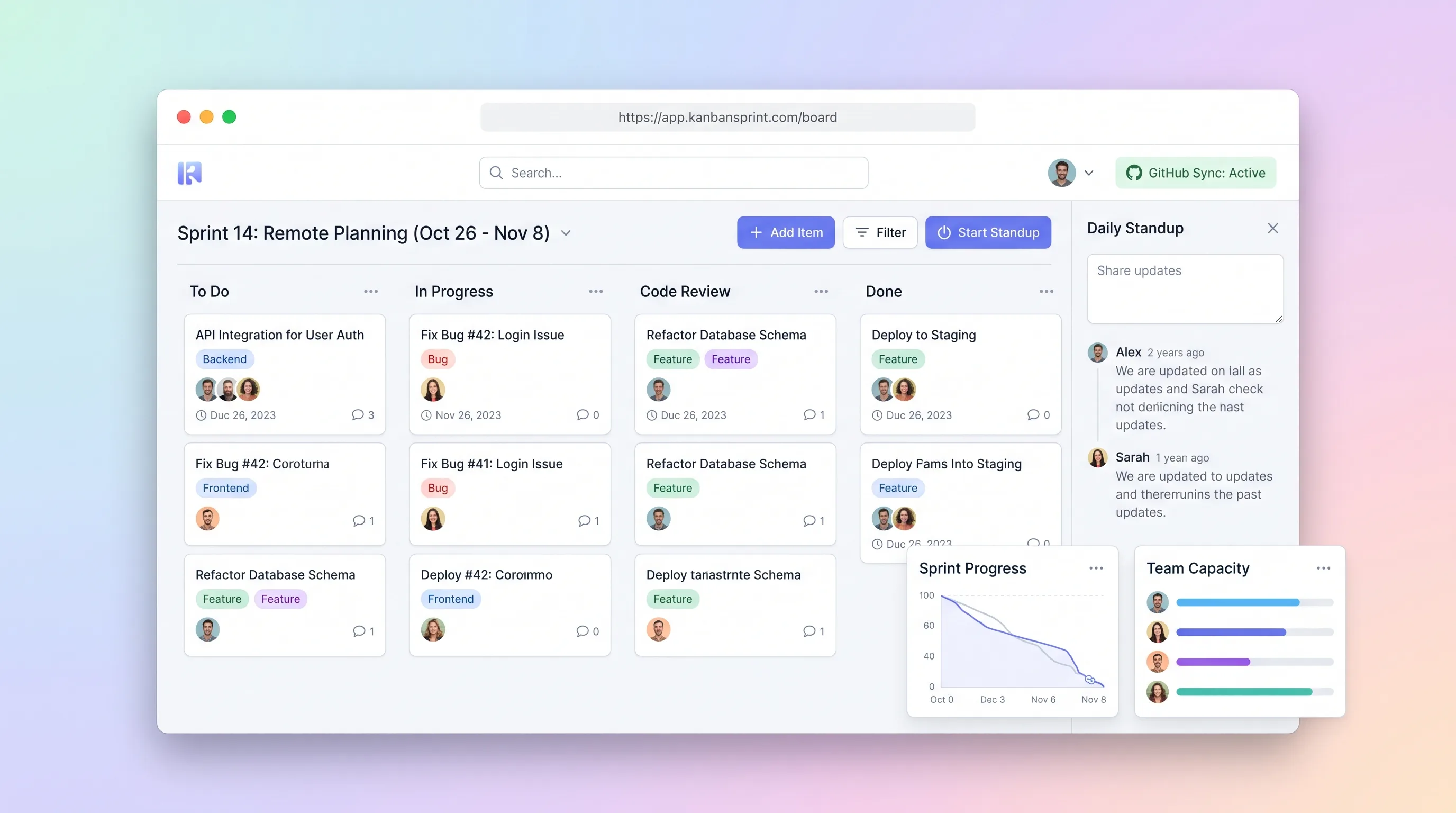
A compact planning workspace that keeps sprint commitments, GitHub issue state, board movement, daily blockers, and end-of-sprint carryover aligned.
Internal ToolBusiness Operations
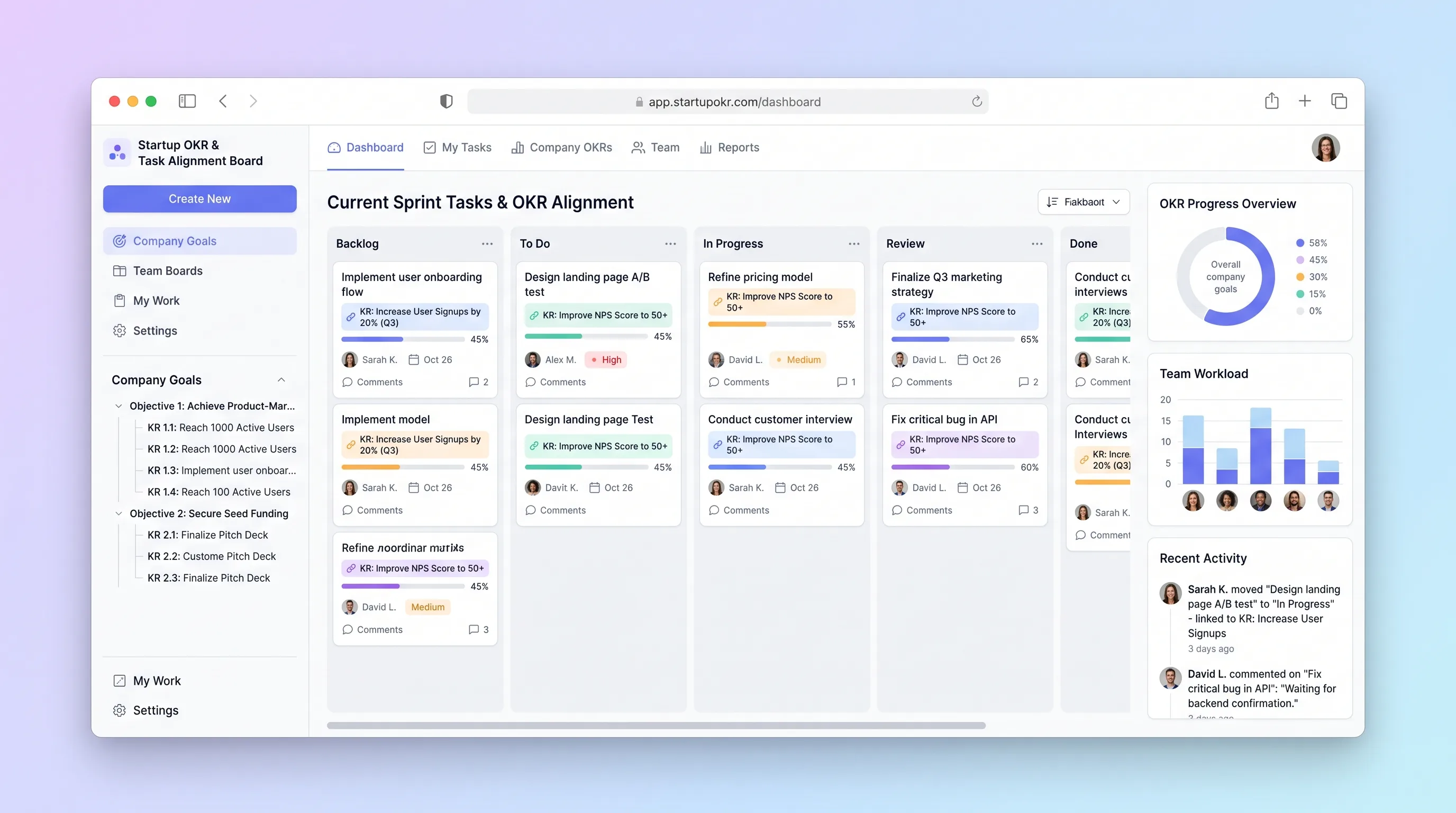
A planning board for small startup teams to connect daily tasks to measurable key results, update confidence weekly, and expose unaligned work.
Internal ToolEvents & Community
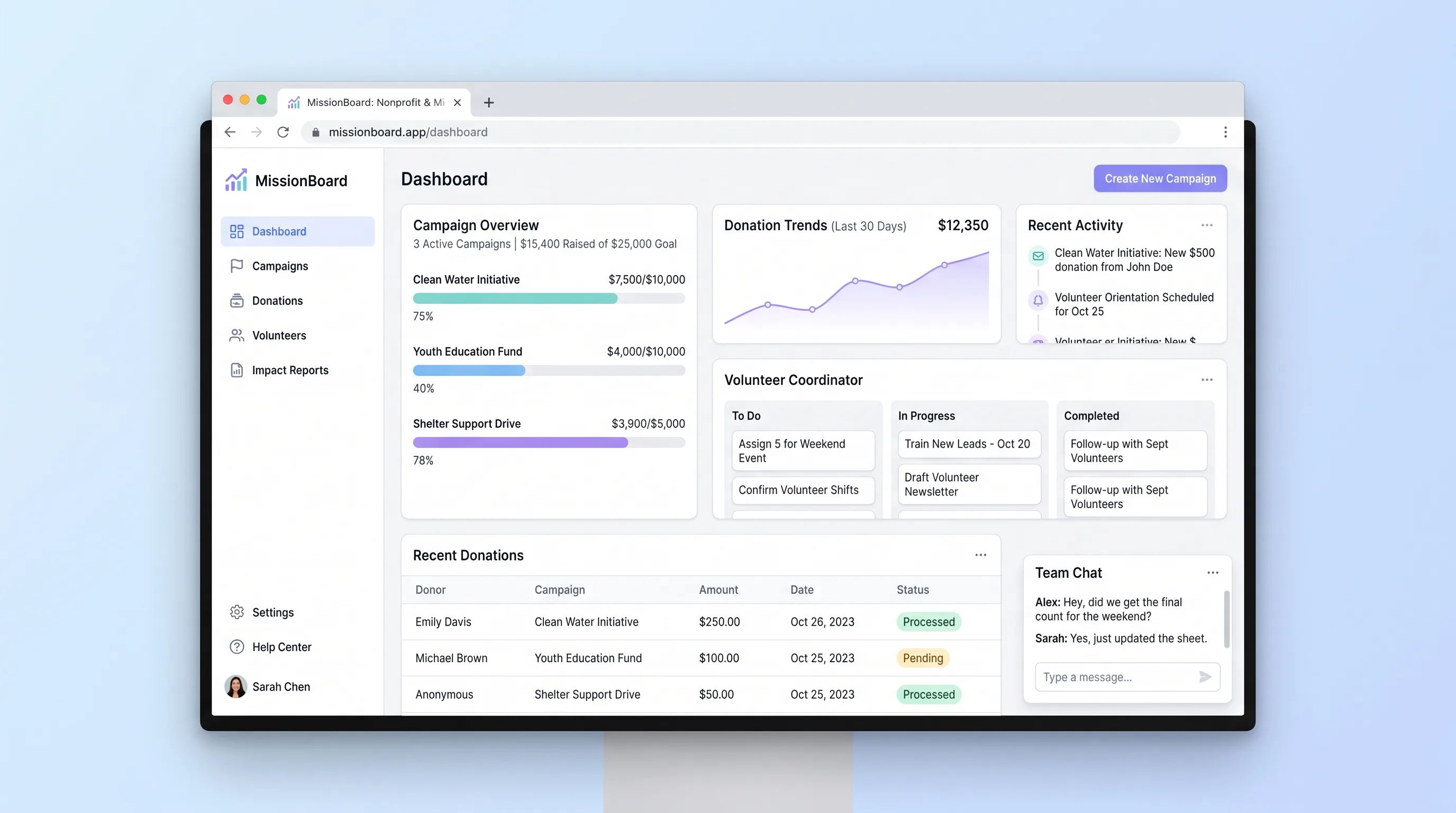
A shared operations hub for small nonprofits and ministry teams to coordinate campaigns, reconcile contributions and volunteer work, and report outcomes.