Build this if
The team wants a smaller planning loop than enterprise project-management suites and GitHub is the source for implementation activity.
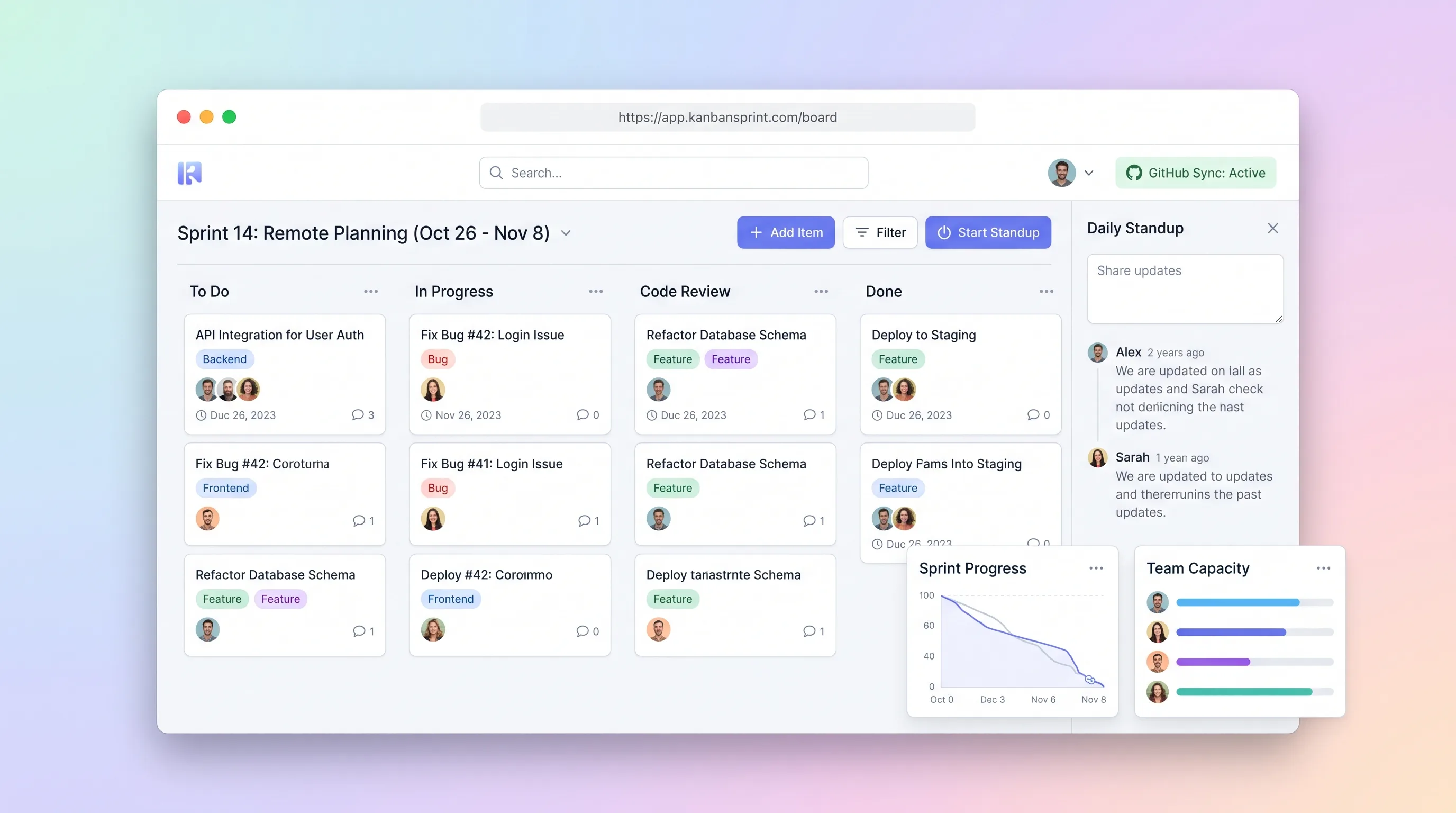
A compact planning workspace that keeps sprint commitments, GitHub issue state, board movement, daily blockers, and end-of-sprint carryover aligned.
Decision snapshot
The team wants a smaller planning loop than enterprise project-management suites and GitHub is the source for implementation activity.
The buyer needs cross-company portfolio planning, complex resource management, or support for several source-control providers on day one.
Run one real sprint with a pilot team and count manual reconciliation events, missed blockers, and unresolved GitHub sync conflicts.
Problem and target customer
Small remote engineering teams lose a shared view of sprint intent when repository events, board updates, and daily blocker notes must be reconciled by hand.
Remote software teams of roughly three to fifteen people that plan in sprints and manage implementation work in GitHub.
Monthly subscription per team workspace
Editorial note
This is not a general project suite. The product earns its place by reducing the gap between what a remote team committed to, what GitHub reports, and what people say is blocked today.
Synchronization must remain reviewable. Repository events can suggest a state change, but the sprint board needs explicit conflict handling so automation never erases planning context.
Choose your next step
Evaluate the operating tradeoffs quickly, or inspect how to build the MVP.
Compare the three operating paths at the default workload before opening the full calculator.
See cost preview Build this ideaInspect the build blueprintReview MVP scope, workflow, states, data rules, architecture, and acceptance criteria.
Open blueprintEvaluation preview
Directional infrastructure estimates for the current 5,000 card updates assumption. Open the full calculator when you are ready to change it.
Run the web app and Postgres as managed services with enough capacity for the initial card updates.
Lowest operating effortOperate the app, database, and scheduled jobs on one small server with manual backups.
Lowest baseline costSeparate application and data capacity, add managed database backups, and retain room for a worker.
Most separation and controlBuild blueprint
Product goal
MVP scope
UX and user flow
Prioritize scoped work and pull eligible GitHub issues into the local backlog.
Choose a sprint goal, capacity, dates, and committed cards.
Move committed work while exposing blockers, WIP breaches, and repository state.
Post yesterday, today, and blocker notes linked to current cards.
Inspect burndown, carried work, and a downloadable summary.
Core entity outline
Defines members, timezone, board columns, and WIP limits.
Holds goal, dates, capacity, lifecycle, and committed work.
Stores local planning fields and an optional GitHub issue identity.
Captures a member's daily update and linked blockers.
Provides idempotency and an operator-visible record for GitHub webhooks or polling.
Architecture and data flow
Supports planning, board updates, standups, sync review, and sprint reports.
Applies membership, WIP, sprint, and optimistic-concurrency rules.
Stores planning state separately from external repository state and keeps sync events.
Processes signed webhooks, refreshes missed events, and flags conflicts.
Deliverables and acceptance
Recommended stack
Supports accessible board movement and responsive sprint planning interactions.
Keeps authenticated team actions, sprint rules, and repository mappings transactional.
Provides installation-scoped access and event delivery without personal tokens.
Handles webhook retries, scheduled resync, and API rate limits outside user requests.
The board needs transactional local state, while GitHub remains an external source with delayed or conflicting events; an integration worker makes that boundary explicit and recoverable.
Copy the build prompt, model the operating cost, and choose where to deploy.
Execution
Once the blueprint is clear, use the prompt, cost model, and deployment options to start building.
Build prompt
Use Lovable to validate the planning and board interactions quickly, then harden the GitHub synchronization and concurrent card updates in code before team use.
Build prompt
Open the prompt pack whenever you are ready to take this blueprint into your builder.
Build prompt ready
Copy the prompt into your builder, then use the cost model below to choose how you want to run it.
Use the cost model to choose a deployment path that matches the build plan.
Cost calculator
A technical run-cost estimate for the first production version. Team, acquisition, payment fees, and business COGS are excluded.
$2-$7 per 1,000 card updates
Low and high values allow for usage variance and plan headroom.
Run the web app and Postgres as managed services with enough capacity for the initial card updates.
5K card updates included, then $5-$15 per 5K card updatesThe estimate combines the selected infrastructure path, required operating modules, selected optional modules, and usage above included monthly allowances. Taxes and regional uplifts are excluded.
Deployment options
Choose based on operating preference, not only the headline price.
Deploy the remote sprint workspace with managed runtime, Postgres, environment variables, and logs in one project.
Usage-based compute can become less predictable as traffic grows.
Run the app, worker, and database on one small Vultr VPS with Docker Compose and explicit backups.
The operator owns database maintenance, monitoring, and recovery drills.
Separate application, worker, data, storage, and backup responsibilities as the workload grows.
More components increase setup and operational work.
Start building
Build backlog planning, the drag-and-drop board, GitHub link states, daily standups, and sprint review views for one remote team.
Open Lovable 02AutomationRoute lightweight team remindersUse Make only for optional standup reminders or a sprint-summary handoff; issue state and GitHub synchronization remain in the product.
Open Make 03DeployDeploy the team workspaceRun the authenticated board, GitHub webhook receiver, scheduled sync, and Postgres history together on Railway.
Open RailwayKeep exploring
Internal ToolDeveloper & IT Operations
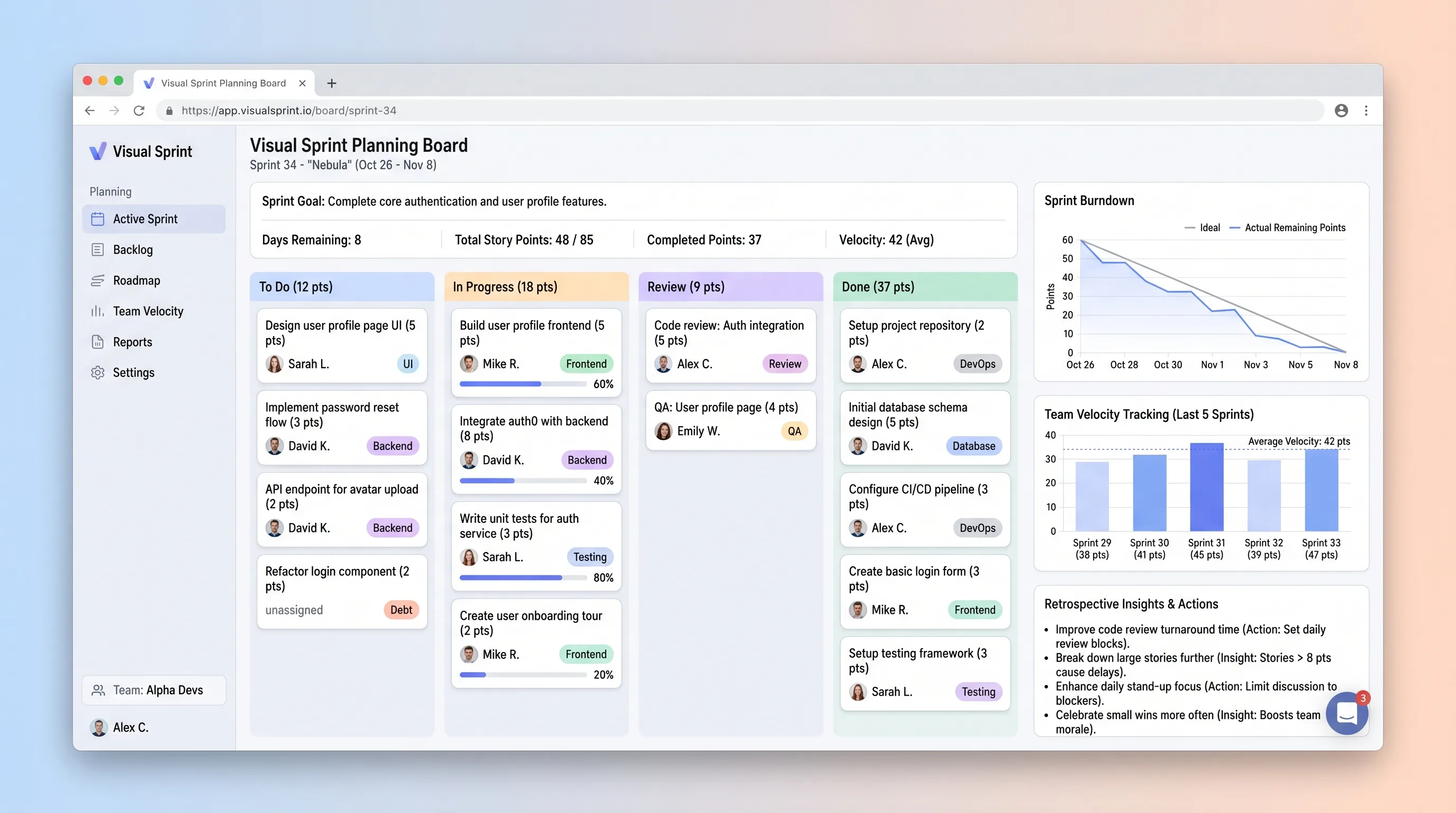
A sprint board that helps small development teams commit work against recent capacity, track story-point movement, and carry evidence into retrospectives.
Internal ToolDeveloper & IT Operations
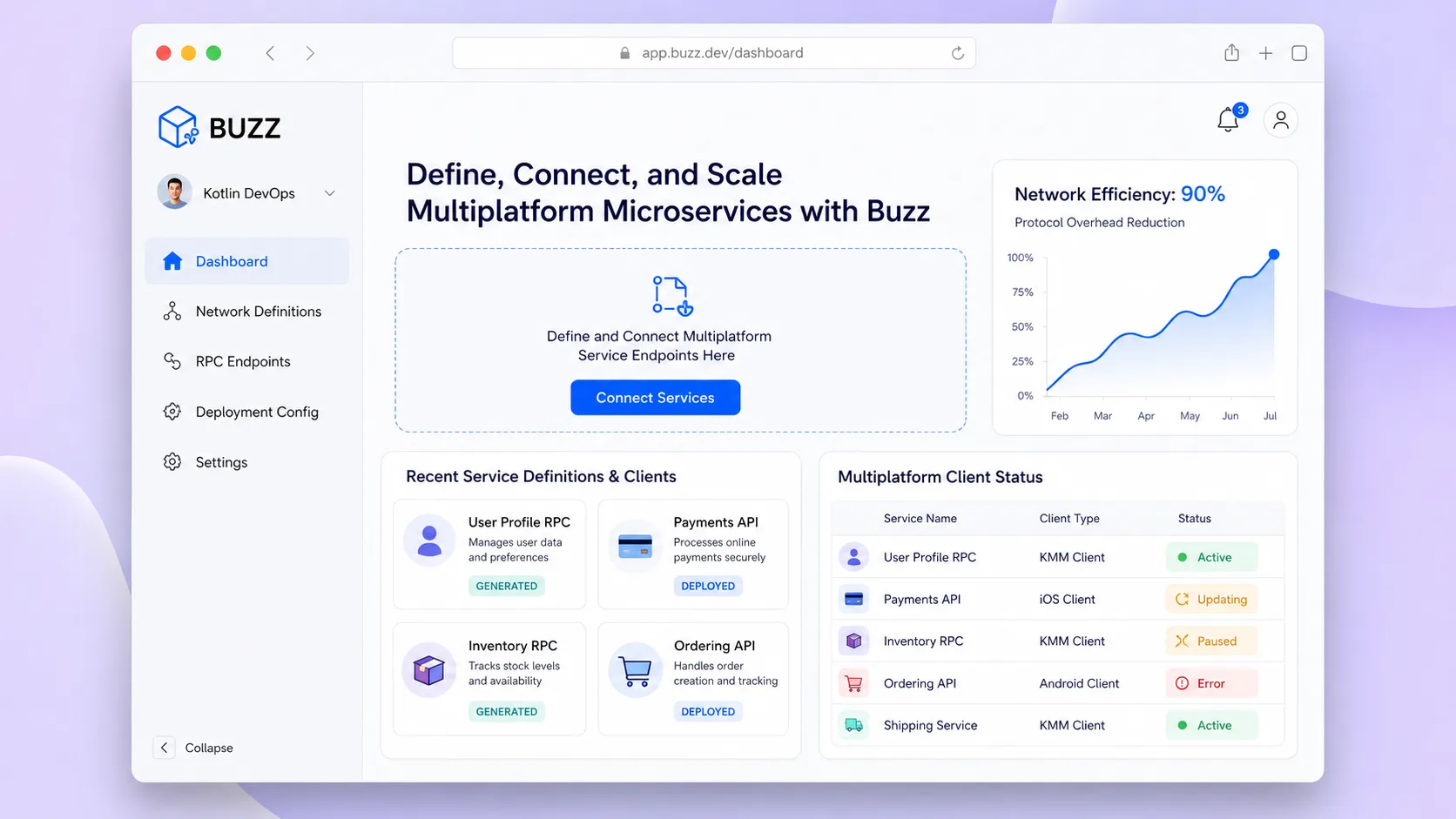
A self-hostable project workspace where humans and AI agents collaborate in signed rooms that unify conversation, code patches, workflow events, and approvals into one searchable, auditable event log.
Internal ToolDeveloper & IT Operations
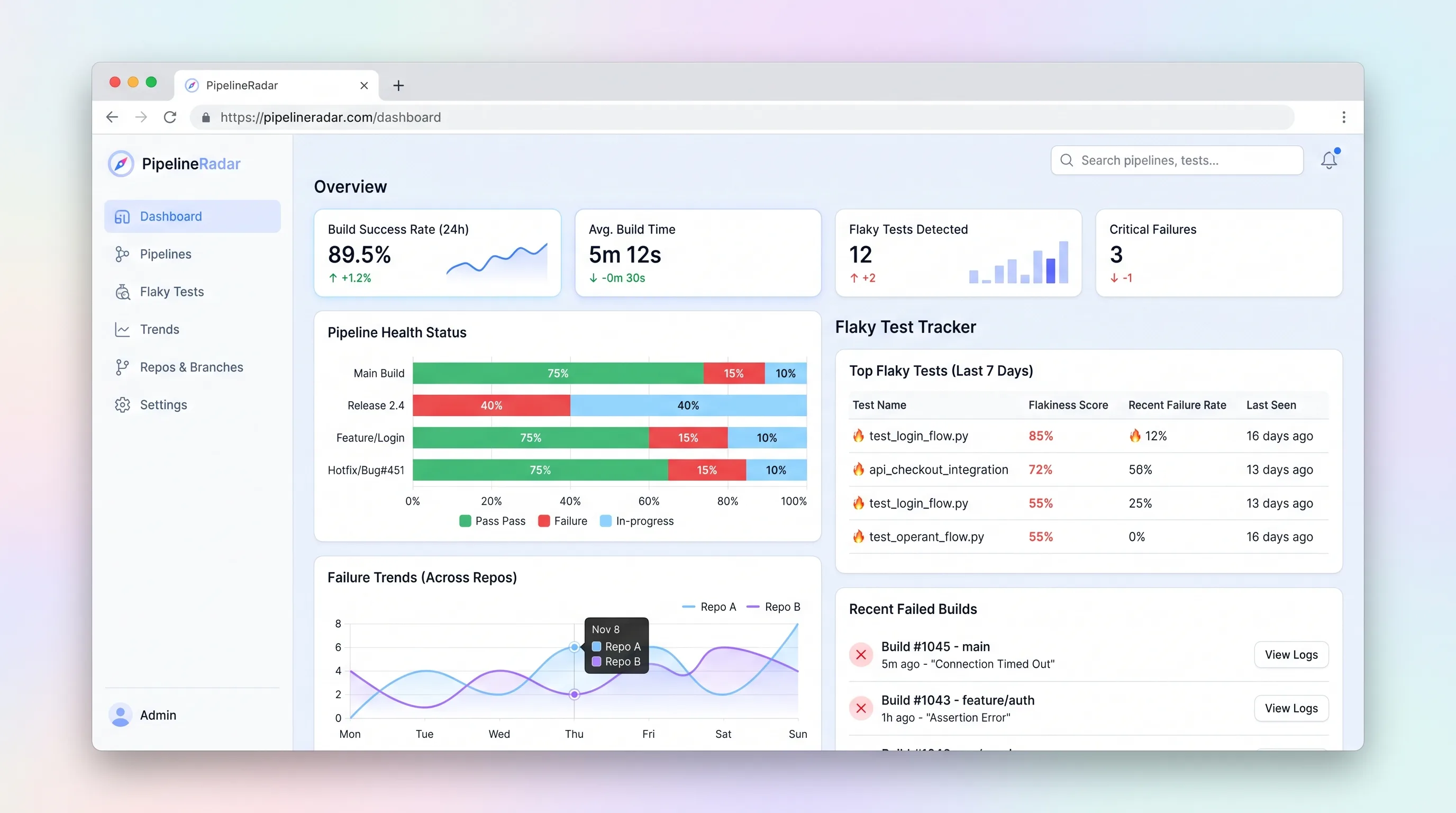
A focused CI/CD pipeline health monitor and flaky test tracker that ingests build events, ranks the top three flakiest tests per repo in under sixty seconds, and surfaces branch-level failure trends for indie developers and small.
Internal ToolDeveloper & IT Operations
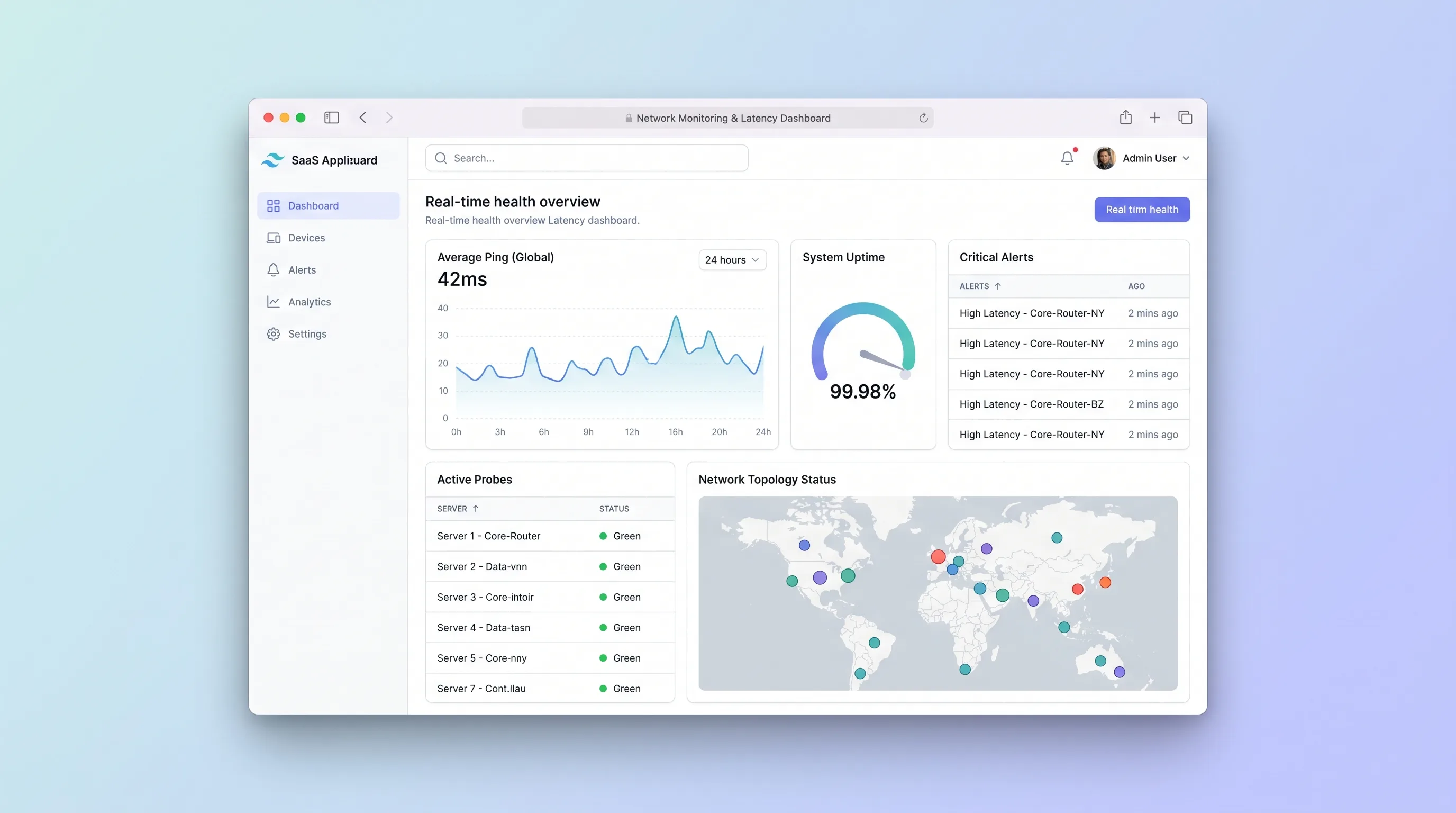
A focused uptime monitor for small IT teams that schedules endpoint checks, separates transient failures from incidents, and preserves alert and latency history.
Internal ToolDeveloper & IT Operations
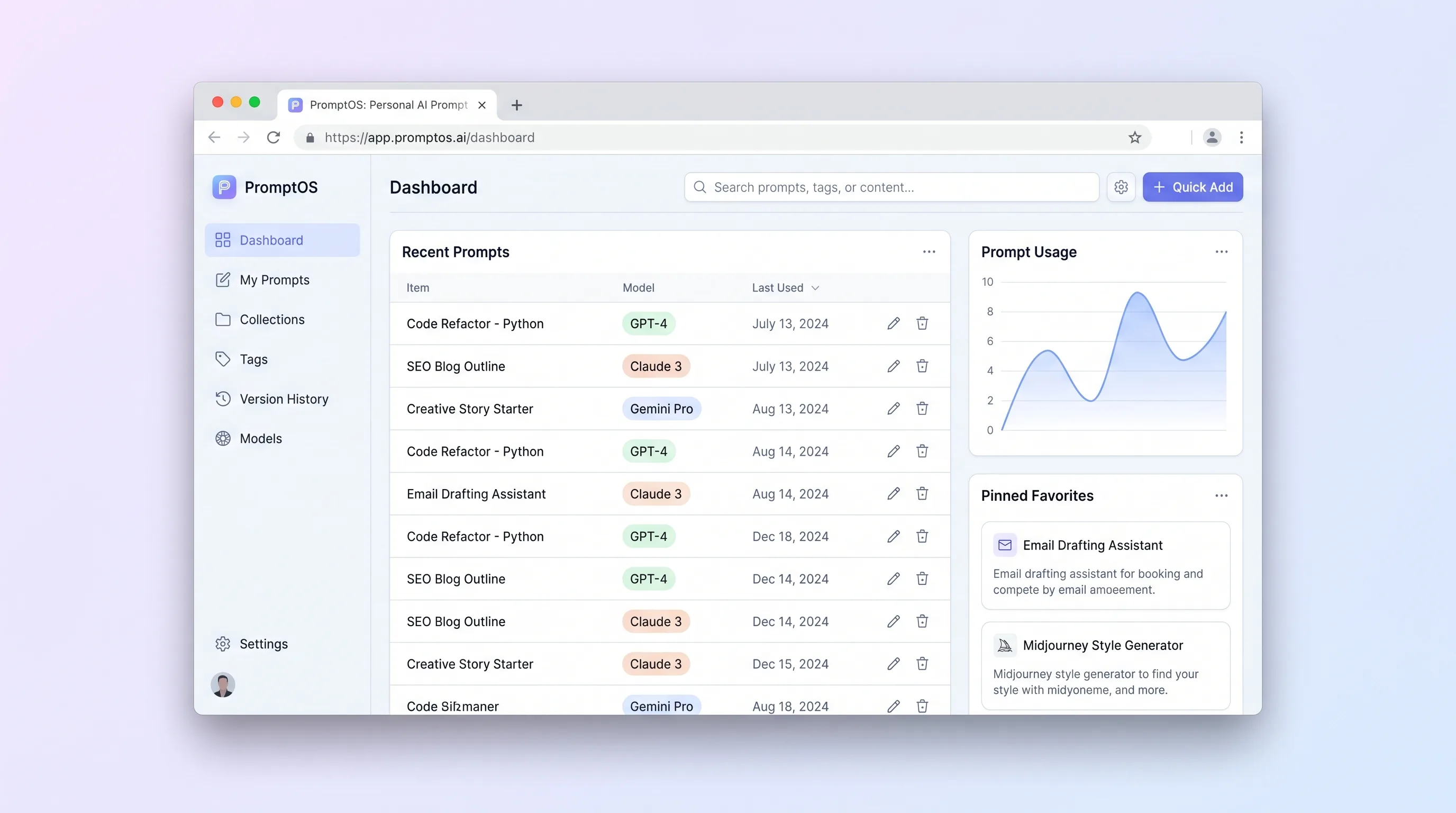
A private library for power users to save, tag, version, parameterize, and retrieve reusable prompts without depending on any model provider.
Internal ToolHealthcare & Wellness
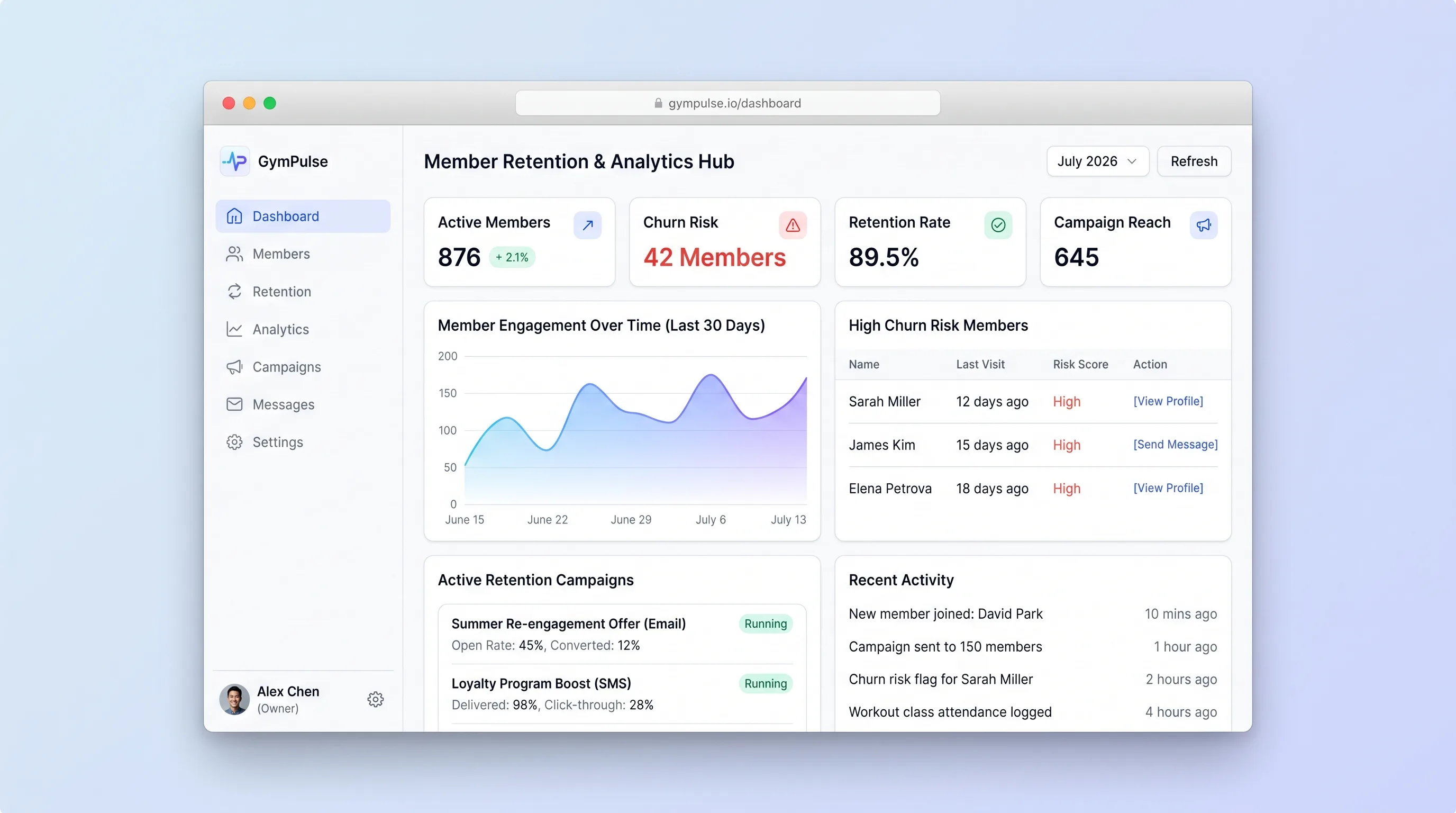
A manager-facing hub that explains attendance-based risk flags, supports consent-checked outreach, and records member responses in one place.