Build this if
Gym managers already export check-in data and regularly contact members whose attendance falls.
A manager-facing hub that explains attendance-based risk flags, supports consent-checked outreach, and records member responses in one place.
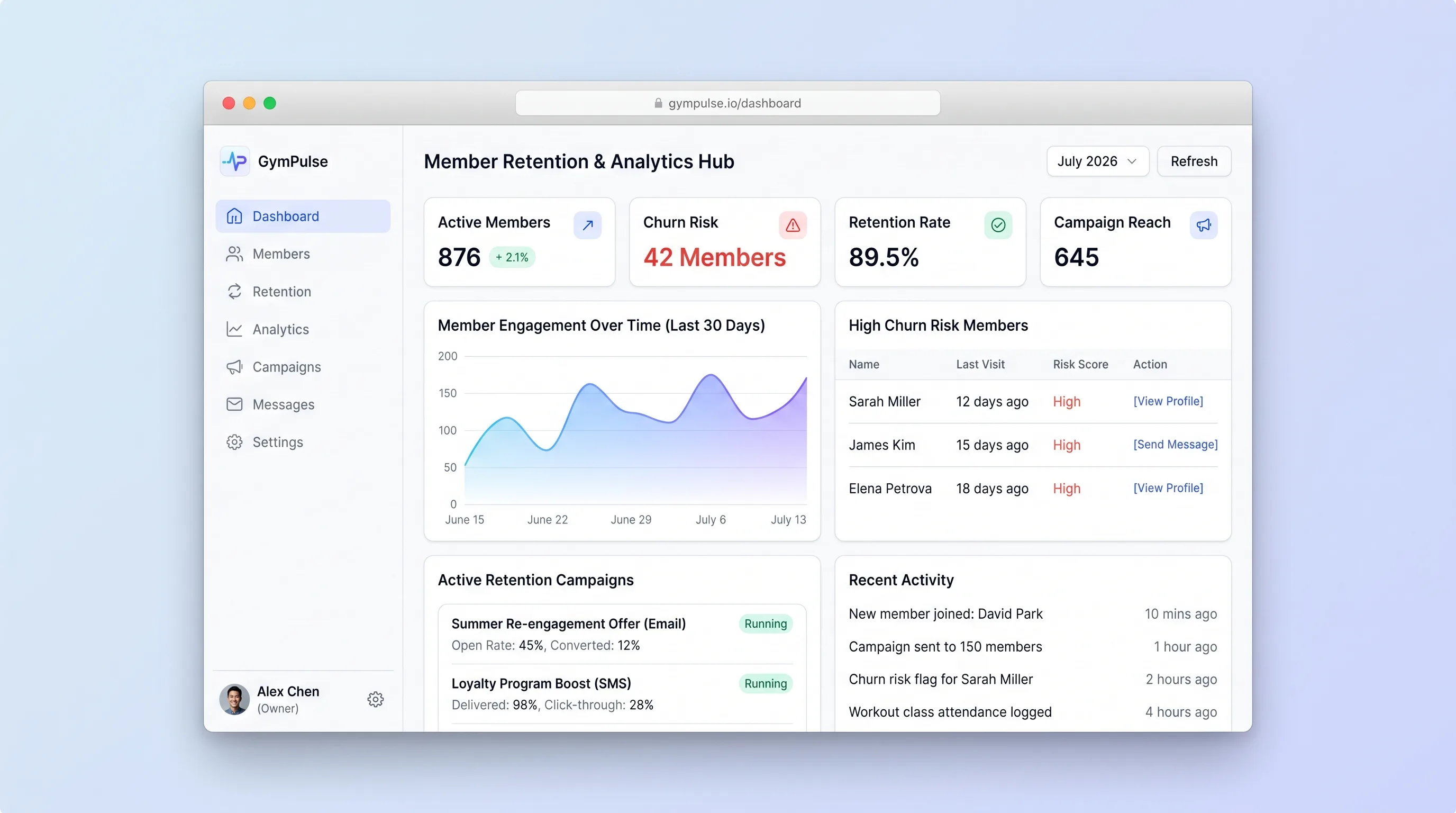
Decision snapshot
Gym managers already export check-in data and regularly contact members whose attendance falls.
The gym cannot access visit history or wants a complete billing and class-management replacement.
Give a manager one month of sample check-ins and test whether they can find, explain, and contact a useful cohort in under ten minutes.
Problem and target customer
Boutique gym teams often discover disengagement only after a member has stopped visiting because check-ins, membership status, and outreach notes are reviewed separately.
Owner-operated gyms and fitness studios with recurring memberships, digital check-in history, and a manager responsible for retention.
Monthly subscription per gym location
Editorial note
The product decision is to make churn review explainable before making it predictive. A manager should trust a flag because the relevant visits and threshold are visible, not because a score appears authoritative.
The first validation question is operational: does a reviewed attendance cohort help staff contact the right people faster? Billing, scheduling, and sophisticated attribution would blur that test.
Choose your next step
Evaluate the operating tradeoffs quickly, or inspect how to build the MVP.
Compare the three operating paths at the default workload before opening the full calculator.
See cost preview Build this ideaInspect the build blueprintReview MVP scope, workflow, states, data rules, architecture, and acceptance criteria.
Open blueprintEvaluation preview
Directional infrastructure estimates for the current 1,000 member evaluations assumption. Open the full calculator when you are ready to change it.
Run the web app and Postgres as managed services with enough capacity for the initial member evaluations.
Lowest operating effortOperate the app, database, and scheduled jobs on one small server with manual backups.
Lowest baseline costSeparate application and data capacity, add managed database backups, and retain room for a worker.
Most separation and controlBuild blueprint
Product goal
MVP scope
UX and user flow
Map member and visit columns, preview errors, and commit a valid batch.
Show members who meet a selected risk rule with the attendance facts behind the flag.
Review message content and recipient consent before sending.
Record responses and compare contact outcomes without claiming causation.
Core entity outline
Stores membership status, plan, contact consent, and stable external identifier.
Captures a dated check-in used by retention rules.
Preserves a rule result and the facts shown to staff at evaluation time.
Holds approved message content and lifecycle.
Tracks one member's eligibility, delivery state, and response.
Architecture and data flow
Handles imports, explainable cohort review, campaign approval, and outcome reporting.
Enforces gym-scoped access, import idempotency, and campaign state transitions.
Stores members, visits, snapshots, campaigns, consent, and outcomes.
Runs scheduled deterministic rules and writes reasoned snapshots.
Sends approved messages and converts provider webhooks into delivery states.
Deliverables and acceptance
Recommended stack
Supports an authenticated operations interface, import actions, and server-rendered reporting.
Keeps gym-scoped relational history and role-based access in one beta-friendly layer.
Evaluates risk rules and retries email delivery outside page requests.
Provides email delivery and signed status webhooks for approved campaign contacts.
A relational core preserves the exact visits, rule results, consent checks, and campaign states that managers must be able to explain; a small worker handles evaluation and retries.
Copy the build prompt, model the operating cost, and choose where to deploy.
Execution
Once the blueprint is clear, use the prompt, cost model, and deployment options to start building.
Build prompt
Use Lovable for the first authenticated operations prototype because the main risk lies in making attendance signals explainable and the outreach flow fast for a gym manager.
Build prompt
Open the prompt pack whenever you are ready to take this blueprint into your builder.
Build prompt ready
Copy the prompt into your builder, then use the cost model below to choose how you want to run it.
Use the cost model to choose a deployment path that matches the build plan.
Cost calculator
A technical run-cost estimate for the first production version. Team, acquisition, payment fees, and business COGS are excluded.
$10-$35 per 1,000 member evaluations
Low and high values allow for usage variance and plan headroom.
Run the web app and Postgres as managed services with enough capacity for the initial member evaluations.
5K member evaluations included, then $5-$15 per 5K member evaluationsSends approved re-engagement messages and delivery-status webhooks; the range spans free allowance and the first paid tier.
3K member evaluations includedThe estimate combines the selected infrastructure path, required operating modules, selected optional modules, and usage above included monthly allowances. Taxes and regional uplifts are excluded.
Deployment options
Choose based on operating preference, not only the headline price.
Deploy the retention dashboard with managed runtime, Postgres, environment variables, and logs in one project.
Usage-based compute can become less predictable as traffic grows.
Run the app, worker, and database on one small Vultr VPS with Docker Compose and explicit backups.
The operator owns database maintenance, monitoring, and recovery drills.
Separate application, worker, data, storage, and backup responsibilities as the workload grows.
More components increase setup and operational work.
Start building
Build the member list, risk cohort, campaign composer, and response tracking screens around real gym attendance states.
Open Lovable 02AutomationConnect approved outreach stepsUse Make only after validation to pass approved campaign contacts to an email tool or notify staff about delivery failures.
Open Make 03DeployDeploy the gym operations hubRun the authenticated dashboard, scheduled risk evaluation, Postgres data, and email webhooks in one Railway project.
Open RailwayKeep exploring
SaaS WorkflowHealthcare & Wellness
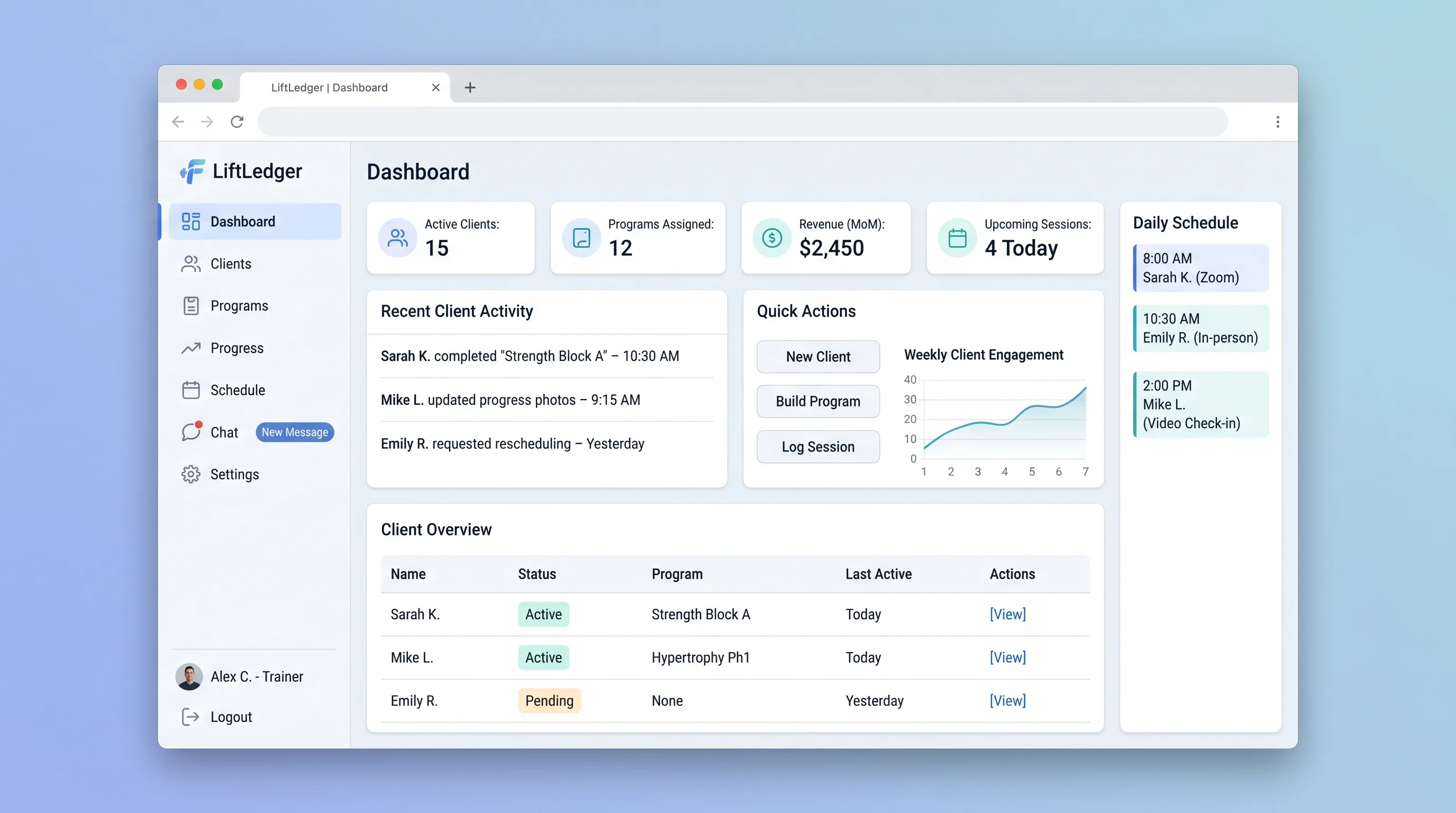
A two-sided coaching workspace where trainers publish versioned programs, clients log actual workouts, and both can review progress against the original plan.
Internal ToolEvents & Community
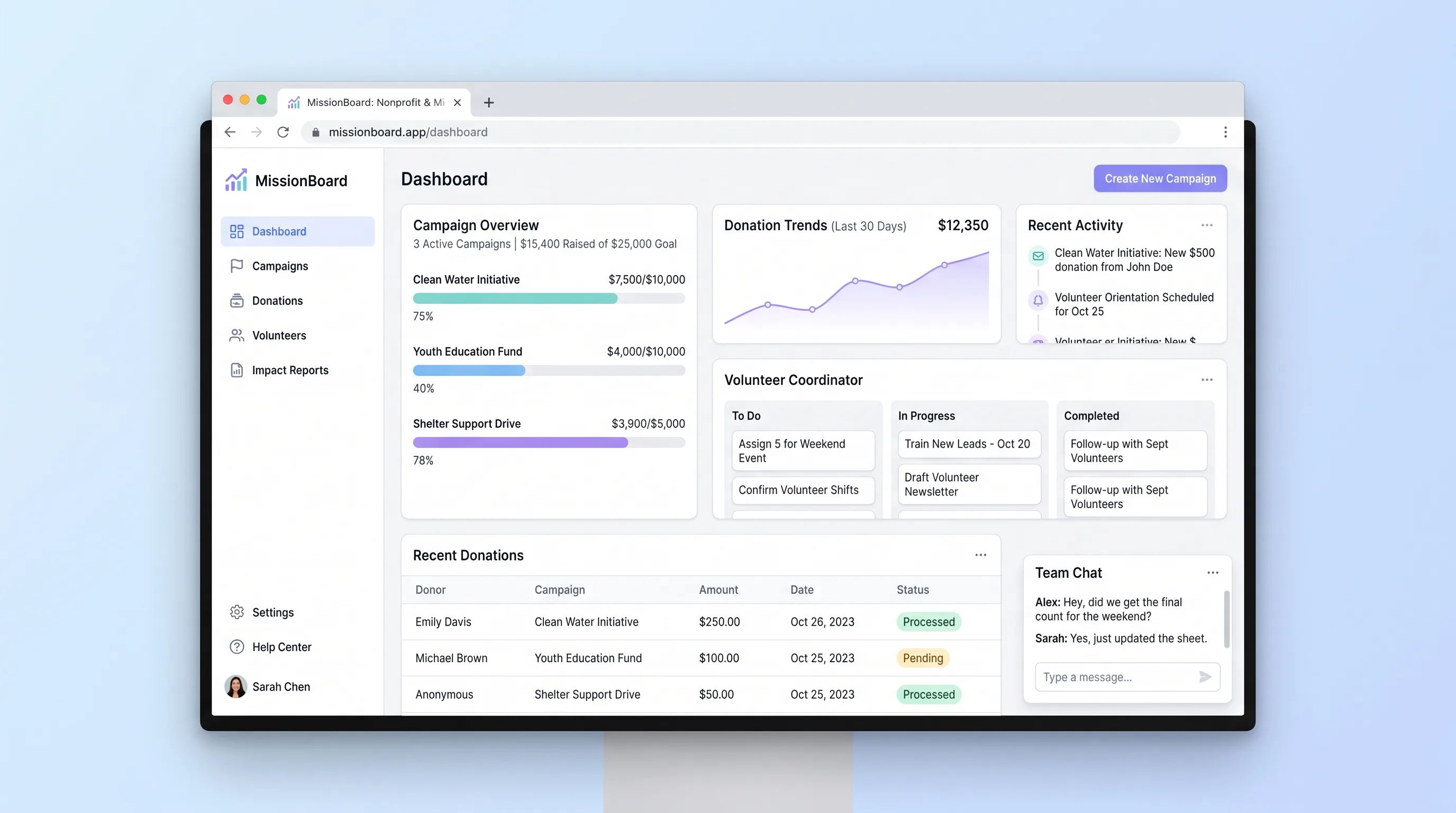
A shared operations hub for small nonprofits and ministry teams to coordinate campaigns, reconcile contributions and volunteer work, and report outcomes.
Internal ToolDeveloper & IT Operations
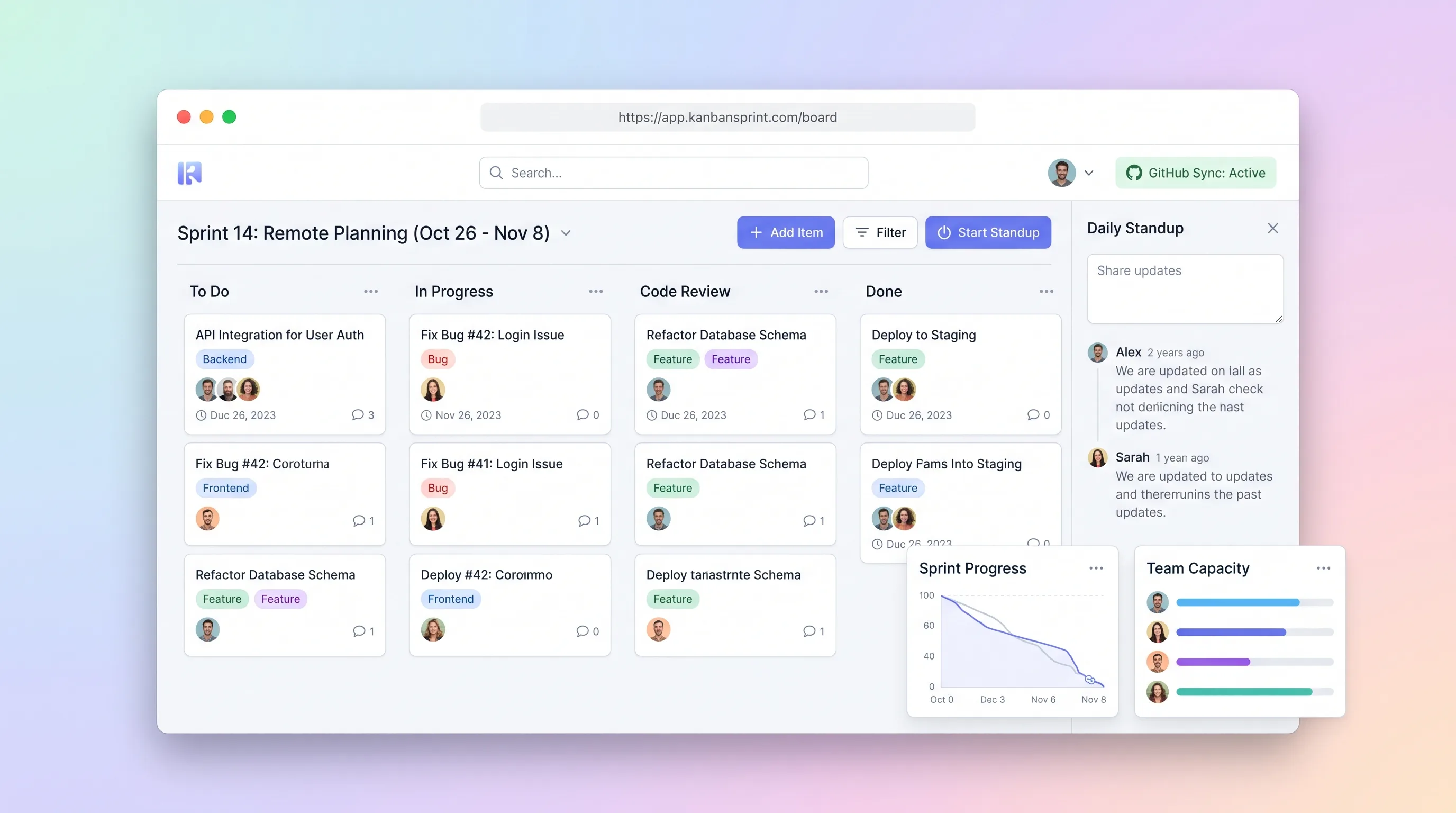
A compact planning workspace that keeps sprint commitments, GitHub issue state, board movement, daily blockers, and end-of-sprint carryover aligned.
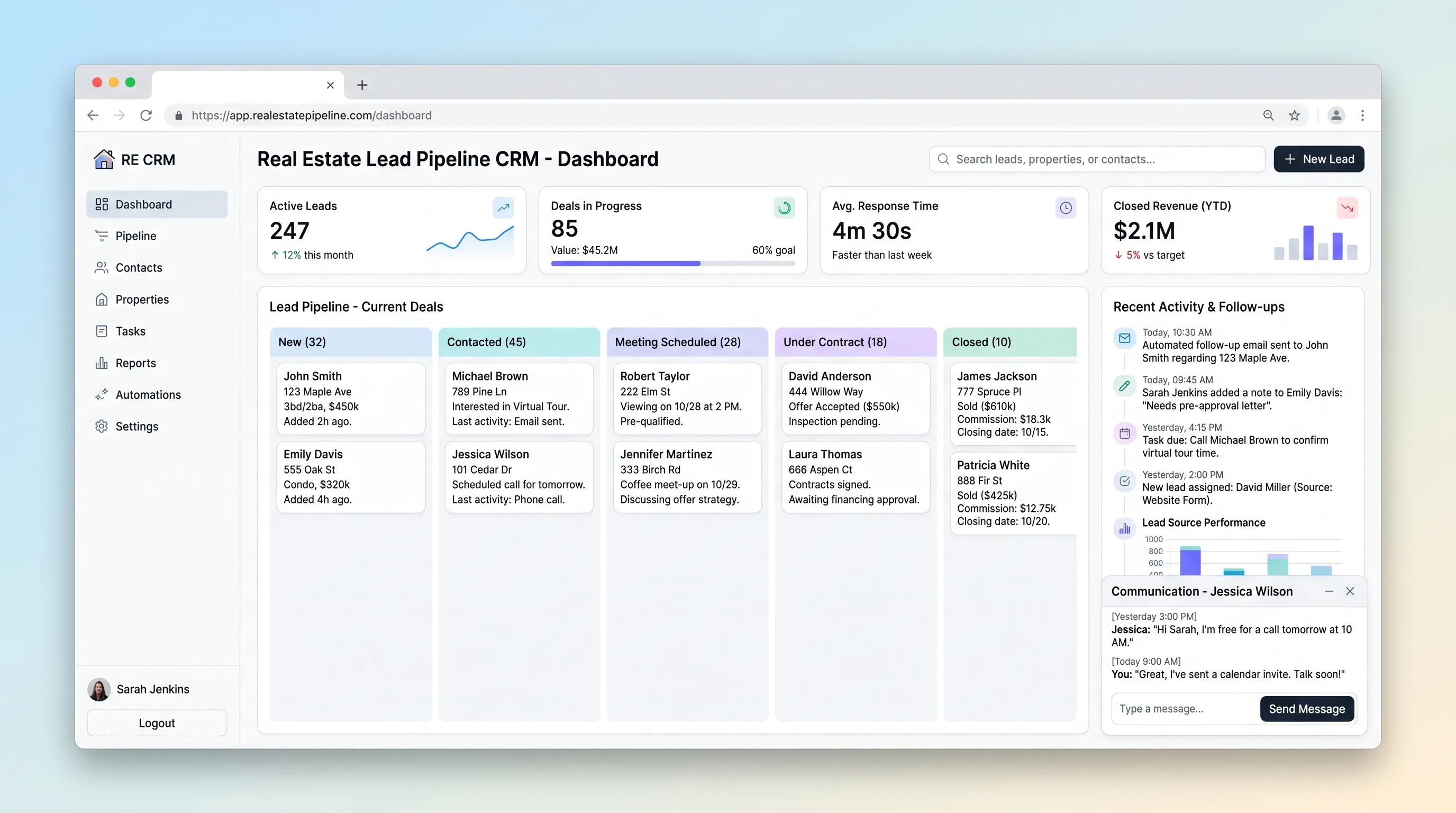
Internal ToolReal Estate
A focused CRM for agents to qualify property inquiries, schedule the next contact, move opportunities through deal stages, and see overdue follow-ups.
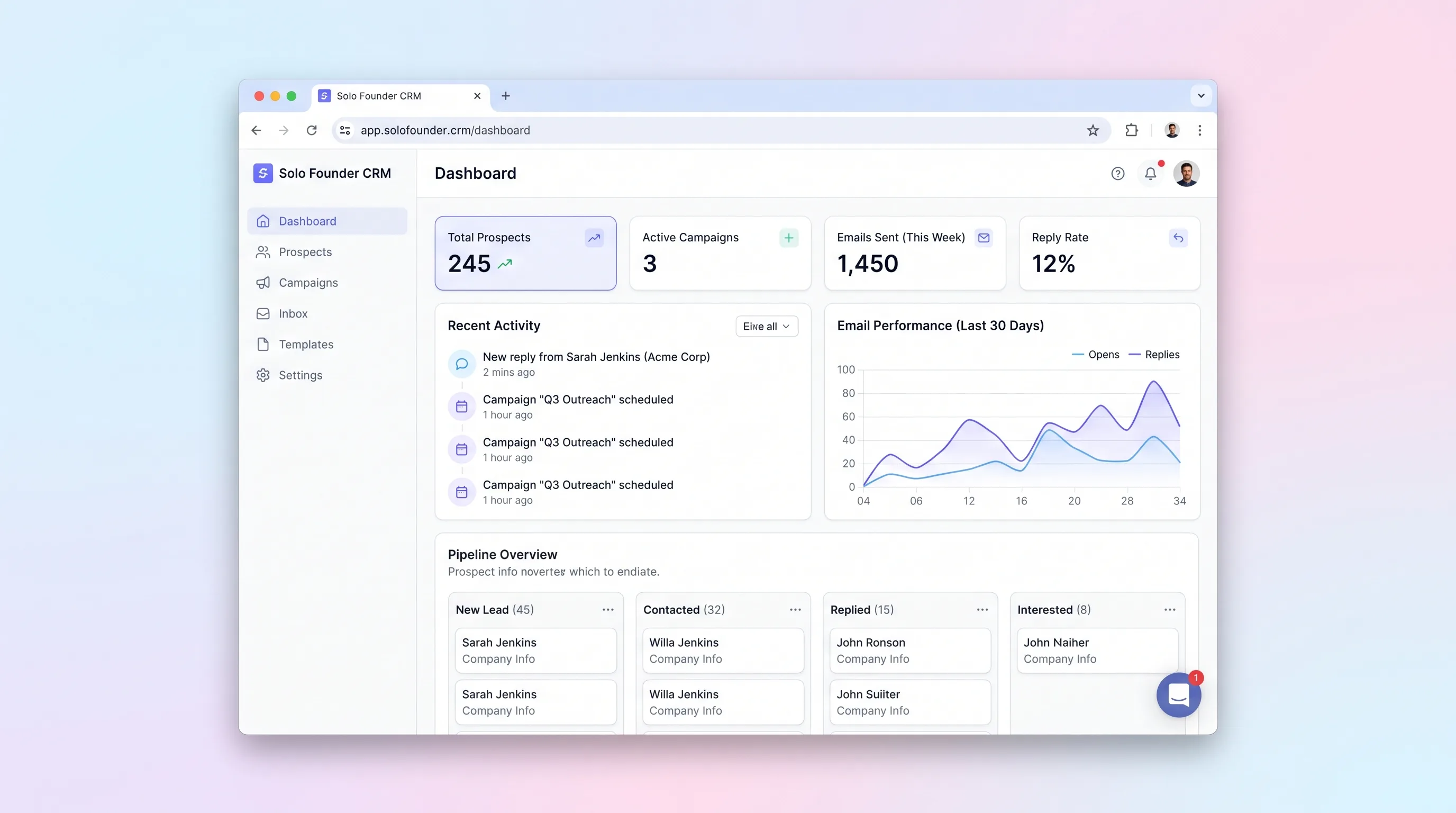
Internal ToolSales & Marketing
A lightweight founder sales desk for importing prospects, enrolling approved contacts in short email sequences, tracking replies, and stopping outreach safely.
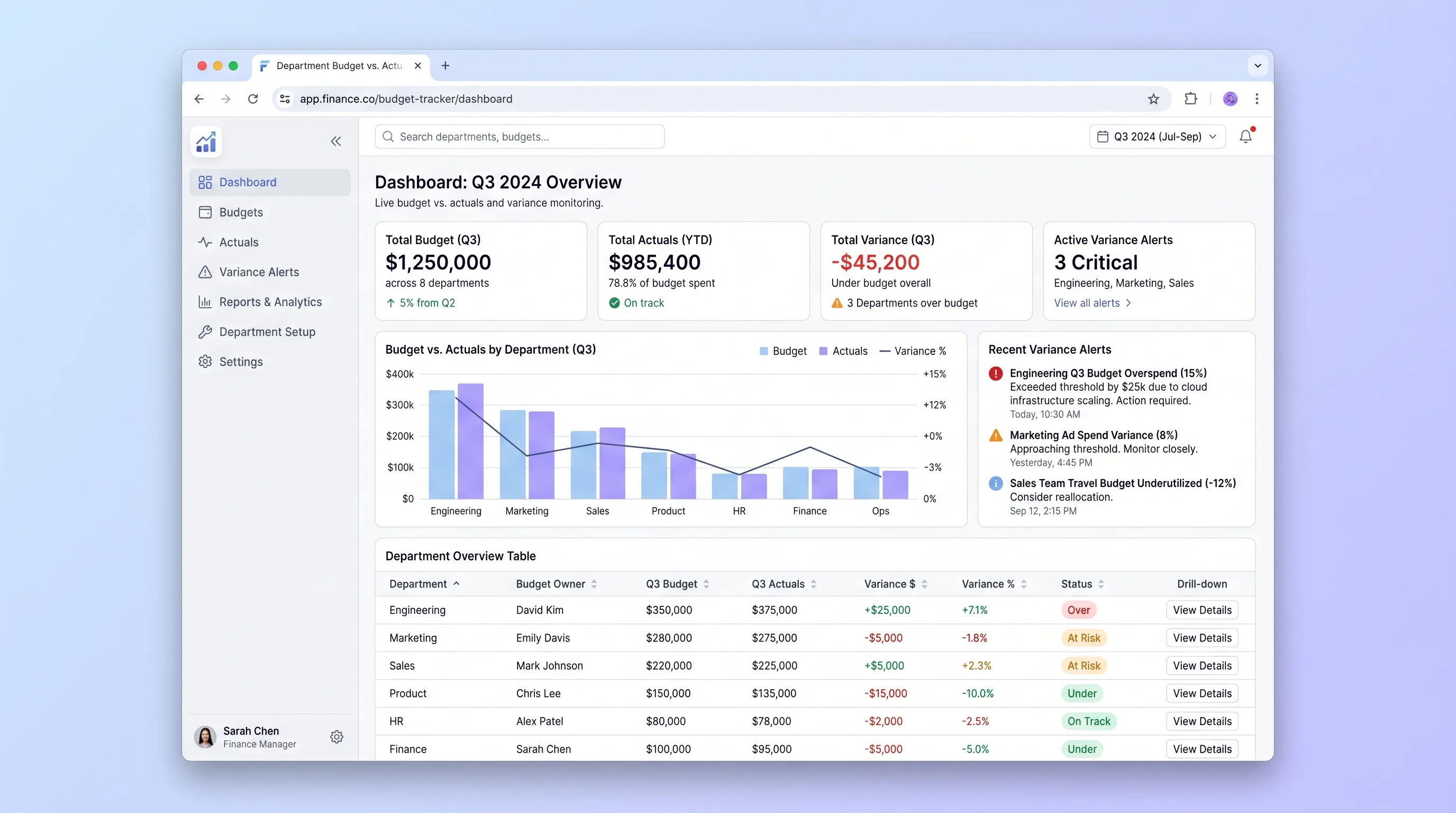
Internal ToolBusiness Operations
An internal tool that lets finance teams import annual budgets via CSV and gives department heads self-serve visibility into spend against budget with drill-down variance views and same-day threshold alerts.