Build this if
A procurement team regularly misses notice windows or spends hours assembling contract, owner, spend, and document status for renewals.
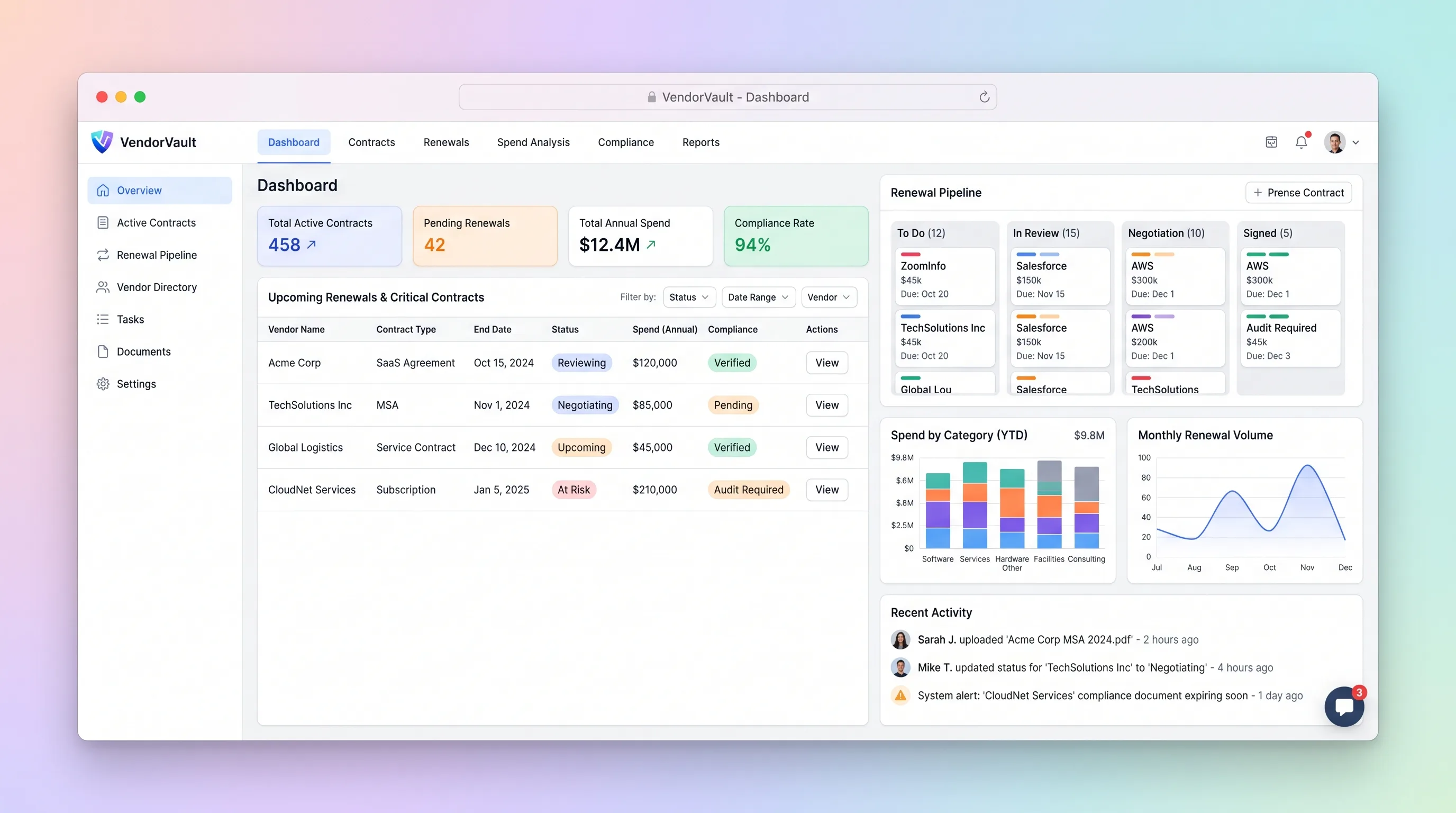
A procurement workspace that ties supplier contracts, renewal deadlines, owners, spend, and required documents to one accountable renewal pipeline.
Decision snapshot
A procurement team regularly misses notice windows or spends hours assembling contract, owner, spend, and document status for renewals.
The buyer needs legal contract authoring, autonomous negotiation, or invoice-level accounts-payable reconciliation on day one.
Load 50 active contracts and complete one renewal cycle where every upcoming notice date has an owner, document status, and recorded decision before the deadline.
Problem and target customer
Renewal dates and compliance files are buried in drives and spreadsheets, so teams discover notice windows late, cannot see accountable owners, and reconstruct supplier spend by hand.
Procurement and operations teams at growing companies managing dozens to hundreds of active supplier agreements without a dedicated contract system.
Monthly workspace subscription tiered by active supplier contracts and procurement collaborators.
Editorial note
The renewal task is the product's center, not the document folder. Contracts become operational when notice dates, owners, supporting files, and decisions remain connected through the next term.
Avoid premature clause extraction. First prove that procurement staff will maintain a clean register and act from the deadline queue; automation cannot rescue missing ownership or unreliable source dates.
Choose your next step
Evaluate the operating tradeoffs quickly, or inspect how to build the MVP.
Compare the three operating paths at the default workload before opening the full calculator.
See cost preview Build this ideaInspect the build blueprintReview MVP scope, workflow, states, data rules, architecture, and acceptance criteria.
Open blueprintEvaluation preview
Directional infrastructure estimates for the current 300 renewal actions assumption. Open the full calculator when you are ready to change it.
App, database, backups, and logs for contracts, renewal tasks, and private compliance documents with minimal platform operations.
Lowest operating effortA small cloud server runs contracts, renewal tasks, and private compliance documents, PostgreSQL, and scheduled backups.
Lowest baseline costSeparate web, data, and background capacity for contracts, renewal tasks, and private compliance documents when operational isolation matters.
Most separation and controlBuild blueprint
Product goal
MVP scope
UX and user flow
Find agreements by supplier, owner, value, status, and date.
Prioritize upcoming notice windows and advance accountable decisions.
Keep term versions, documents, spend, and compliance status together.
Core entity outline
Stores one effective agreement period and its commercial dates and value.
Tracks owner, stage, deadline, assignments, and final decision for a term.
Defines a required supplier document and its current validity.
Architecture and data flow
Serve the register, dashboard, renewal board, and supplier details.
Issue short-lived upload and download URLs and preserve document versions.
Create due states and reminder events from saved notice dates.
Deliverables and acceptance
Recommended stack
Supports dense contract tables, renewal board, and document-aware detail pages.
Keeps suppliers, terms, tasks, spend snapshots, and access rules relational.
Stores signed agreements and compliance files behind short-lived URLs.
Sends owner reminders generated from saved notice dates and task assignments.
The first value comes from trustworthy dates, ownership, and document retrieval. Manual metadata entry is preferable to unsupported AI extraction until teams prove that the renewal pipeline stays current.
Copy the build prompt, model the operating cost, and choose where to deploy.
Execution
Once the blueprint is clear, use the prompt, cost model, and deployment options to start building.
Build prompt
Use a TypeScript relational app with private object storage; prototype the information hierarchy in Lovable before implementing retention and authorization controls.
Build prompt
Open the prompt pack whenever you are ready to take this blueprint into your builder.
Build prompt ready
Copy the prompt into your builder, then use the cost model below to choose how you want to run it.
Use the cost model to choose a deployment path that matches the build plan.
Cost calculator
A technical run-cost estimate for the first production version. Team, acquisition, payment fees, and business COGS are excluded.
$18-$75 per 250 renewal actions
Low and high values allow for usage variance and plan headroom.
App, database, backups, and logs for contracts, renewal tasks, and private compliance documents with minimal platform operations.
50K renewal actions included, then $8-$20 per 50K renewal actionsSends time-sensitive confirmations or reminders caused by the primary workflow.
3K renewal actions includedStores the workflow's uploaded images or documents with private access controls and lifecycle rules.
Monthly allowance from this idea's operating profileThe estimate combines the selected infrastructure path, required operating modules, selected optional modules, and usage above included monthly allowances. Taxes and regional uplifts are excluded.
Deployment options
Choose based on operating preference, not only the headline price.
Deploy the contract register, renewal board, and private document service with managed services, environment variables, logs, and a short path from prototype to beta.
Usage-based compute needs budget alerts as activity grows.
Run the app, worker, and database on one small Vultr VPS with Docker Compose and explicit backups.
The operator owns database maintenance and incident response.
Separate application, worker, data, storage, and backup responsibilities as the workload grows.
More moving parts increase setup and observability work.
Start building
Create the contract register, deadline dashboard, renewal board, and document status views for a procurement manager.
Open Lovable 02AutomationRelay due-date remindersUse Make only to send owner reminders or a weekly expiry digest from renewal tasks already calculated by the app.
Open Make 03DeployDeploy the contract workspaceRun the application, database, private storage integration, and scheduled reminder job with tested backups.
Open RailwayKeep exploring
Internal ToolHome & Local Services
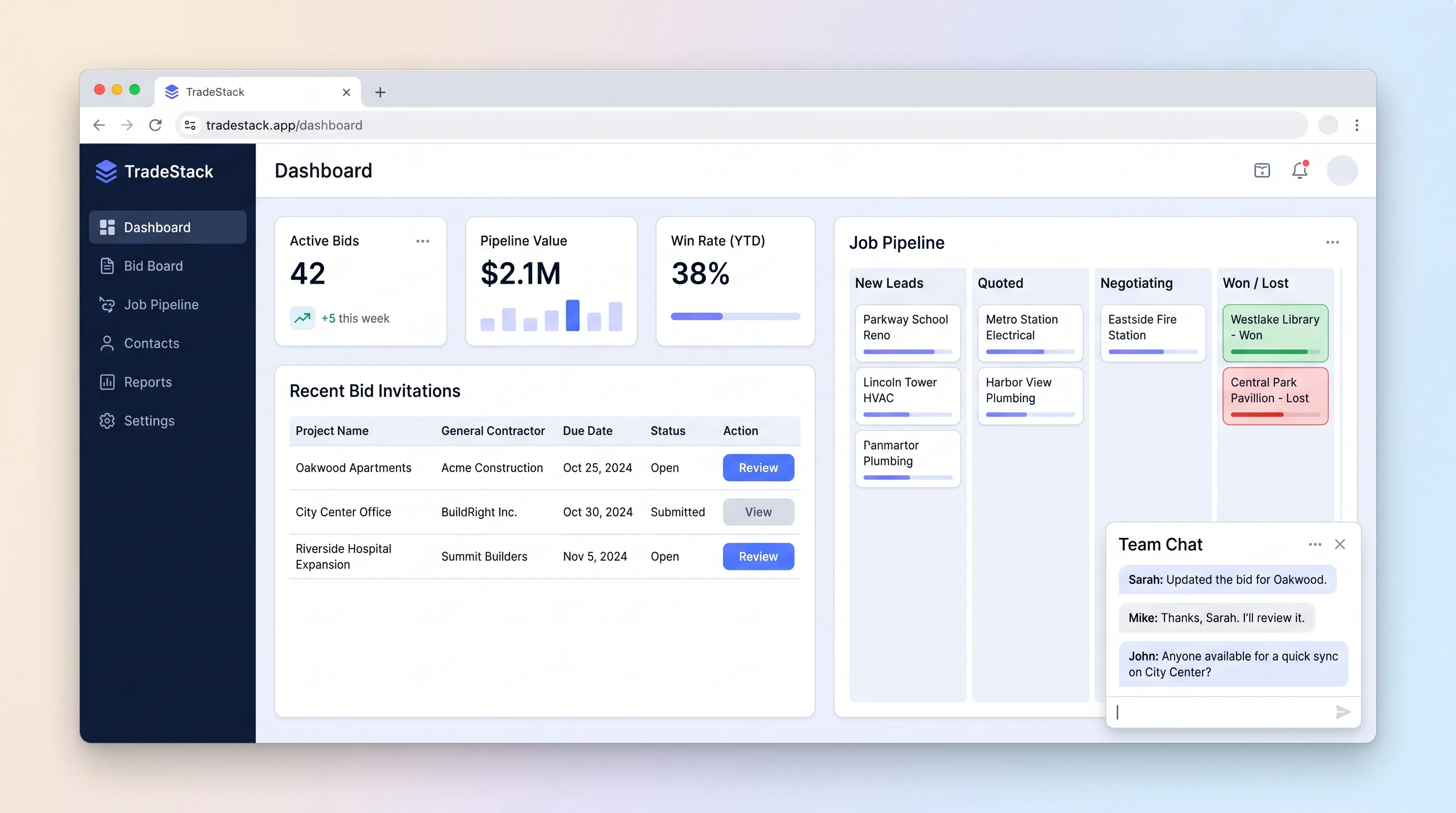
An internal bid desk for specialty contractors to capture invitations, prepare deadlines, move opportunities through estimating, and learn from won or lost work.
Internal ToolBusiness Operations
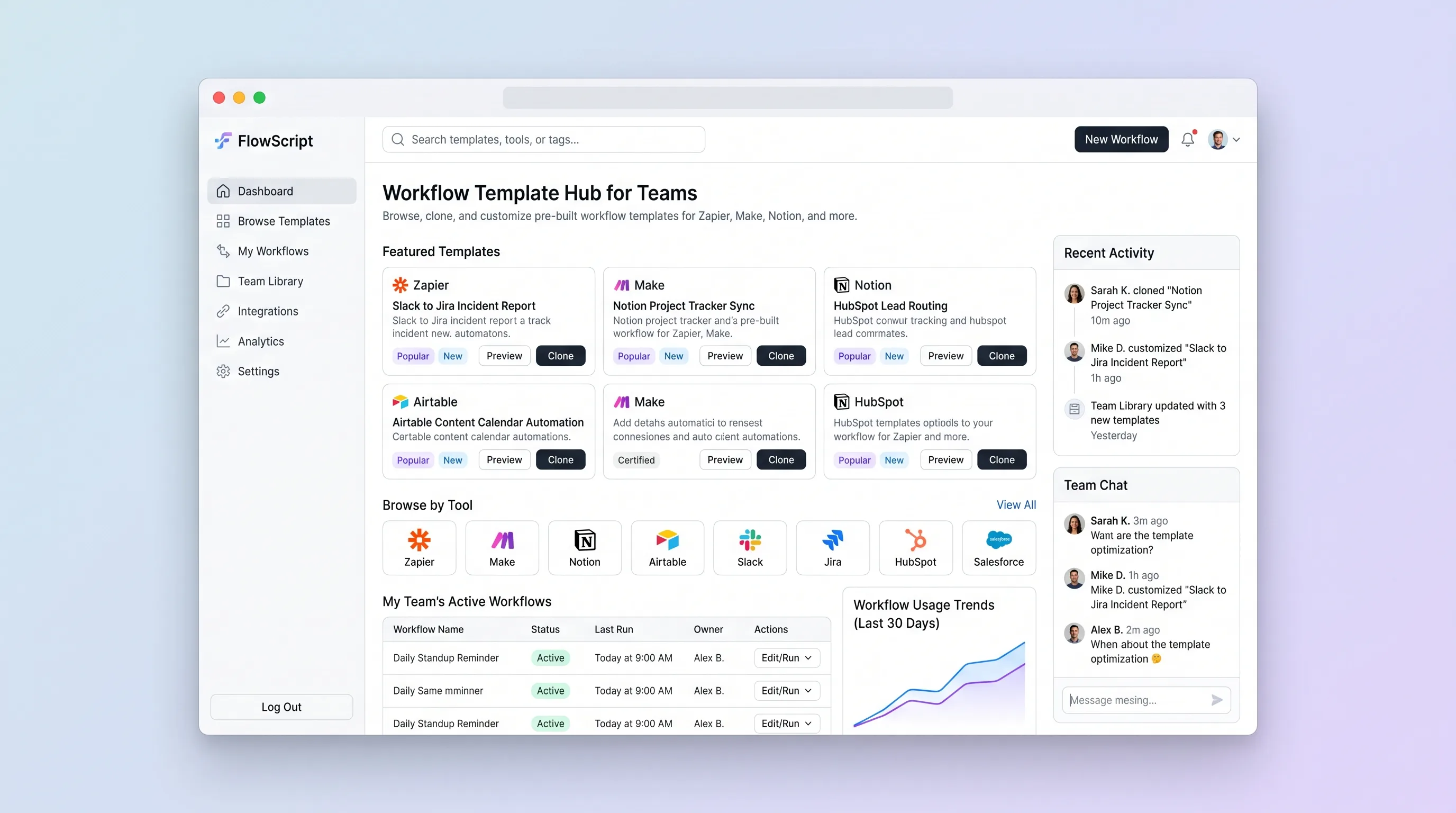
A private operations library for finding vetted no-code recipes, cloning a version into a team collection, and recording the local setup notes that make it reusable.
Internal ToolBusiness Operations
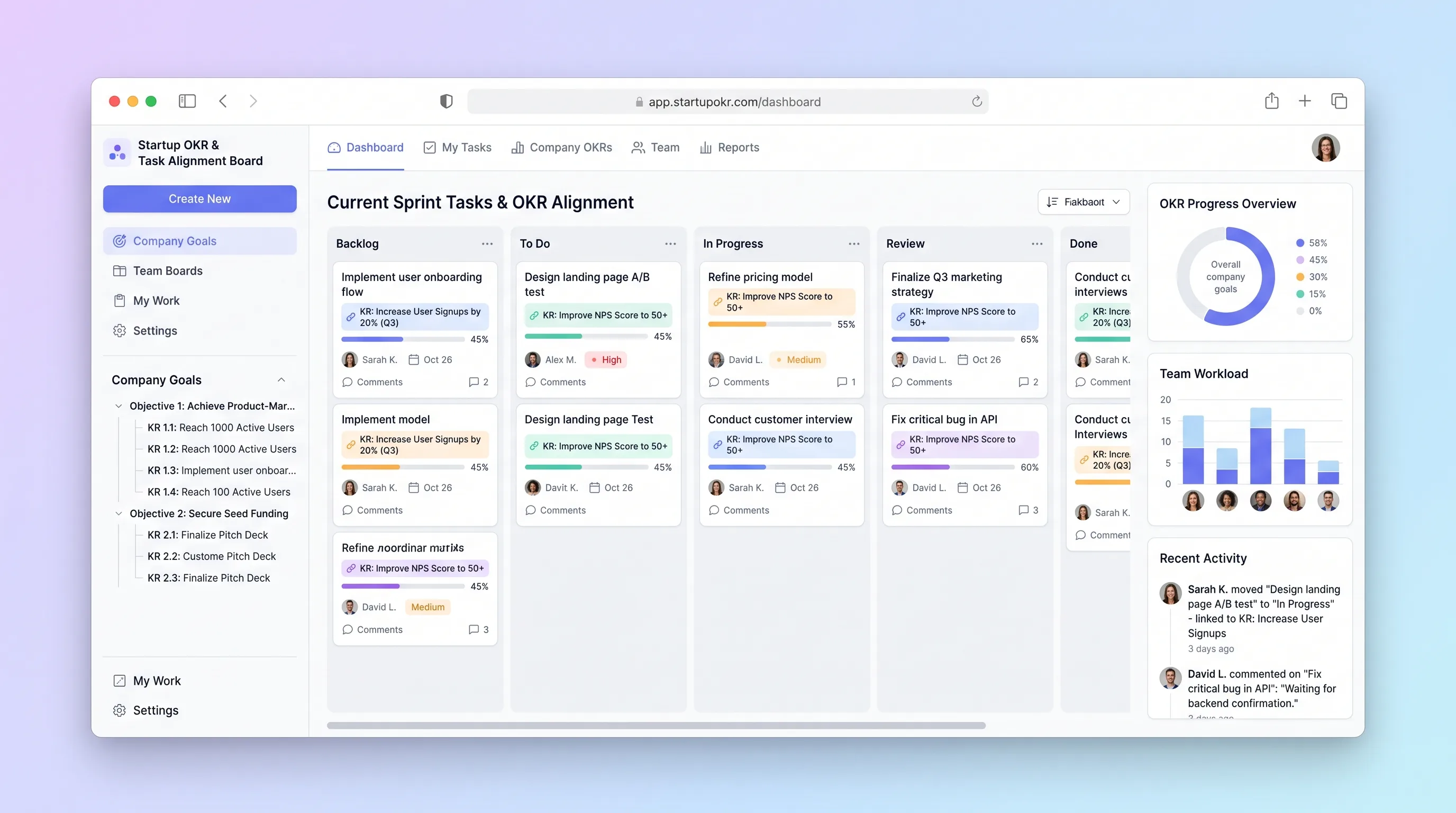
A planning board for small startup teams to connect daily tasks to measurable key results, update confidence weekly, and expose unaligned work.
Internal ToolBusiness Operations
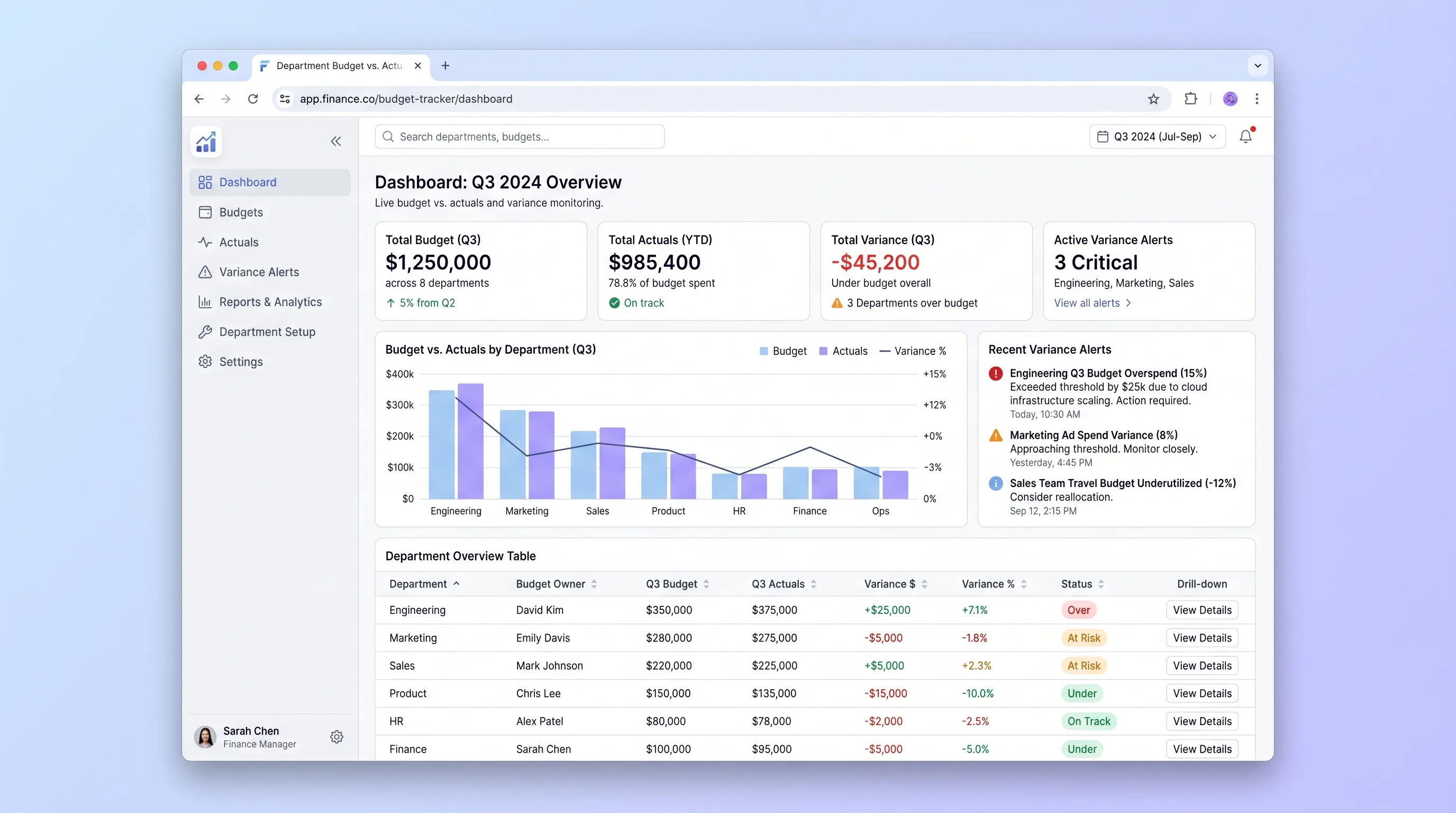
An internal tool that lets finance teams import annual budgets via CSV and gives department heads self-serve visibility into spend against budget with drill-down variance views and same-day threshold alerts.
Internal ToolReal Estate
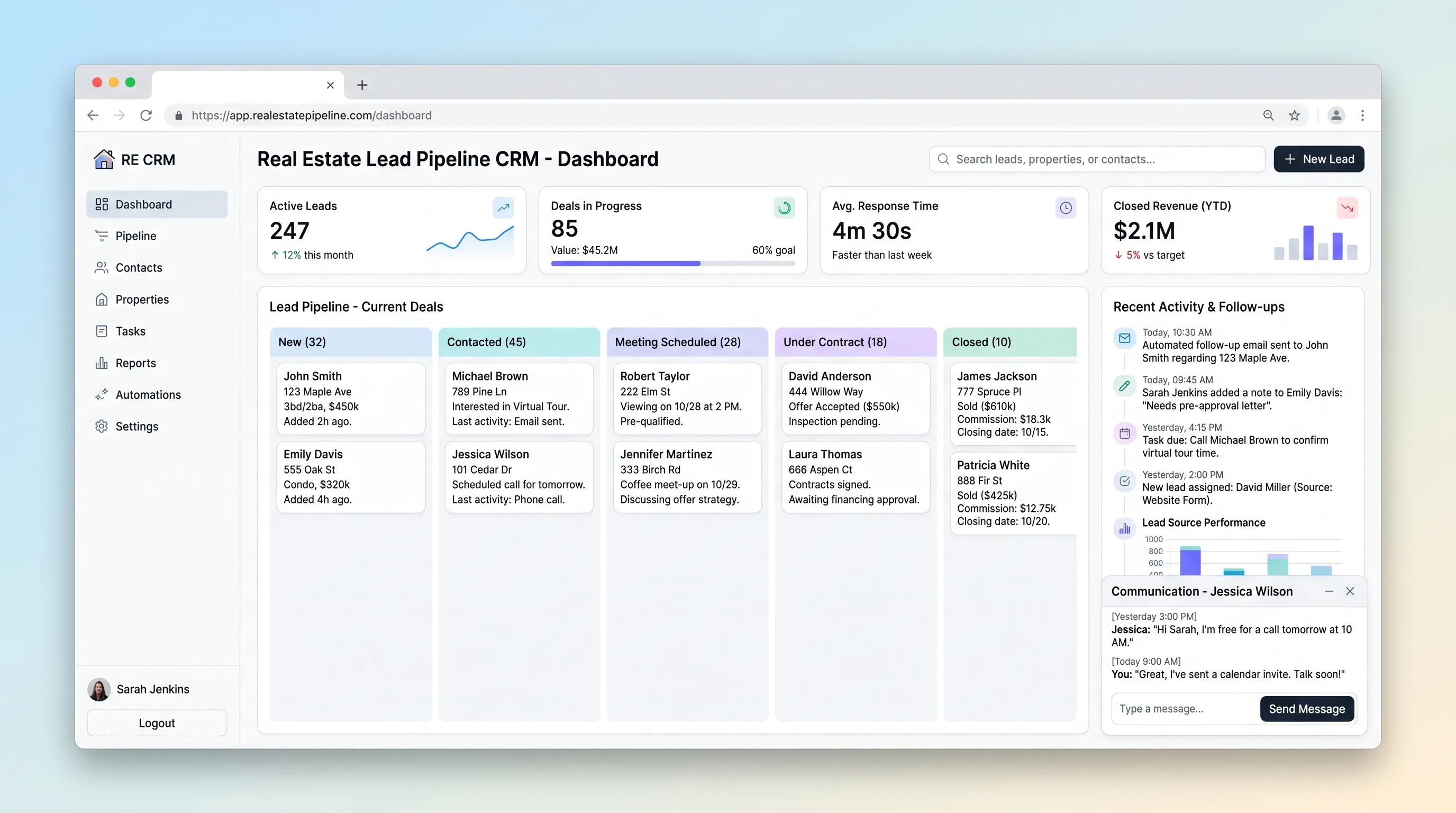
A focused CRM for agents to qualify property inquiries, schedule the next contact, move opportunities through deal stages, and see overdue follow-ups.
Internal ToolHealthcare & Wellness
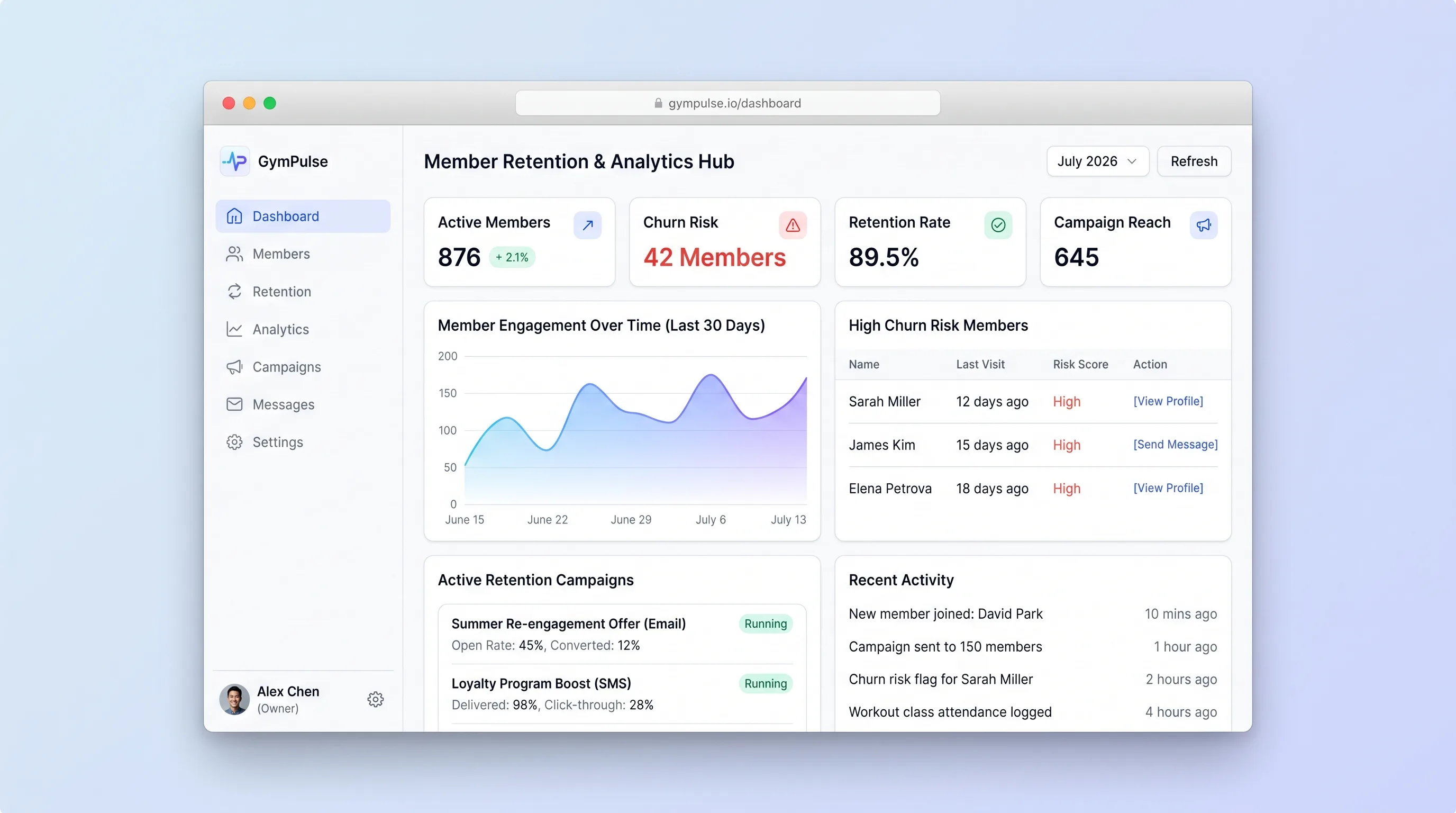
A manager-facing hub that explains attendance-based risk flags, supports consent-checked outreach, and records member responses in one place.